Women's Sunglasses: Materials, Frame Shapes, Lens Functions, and OEM/ODM Development Guide
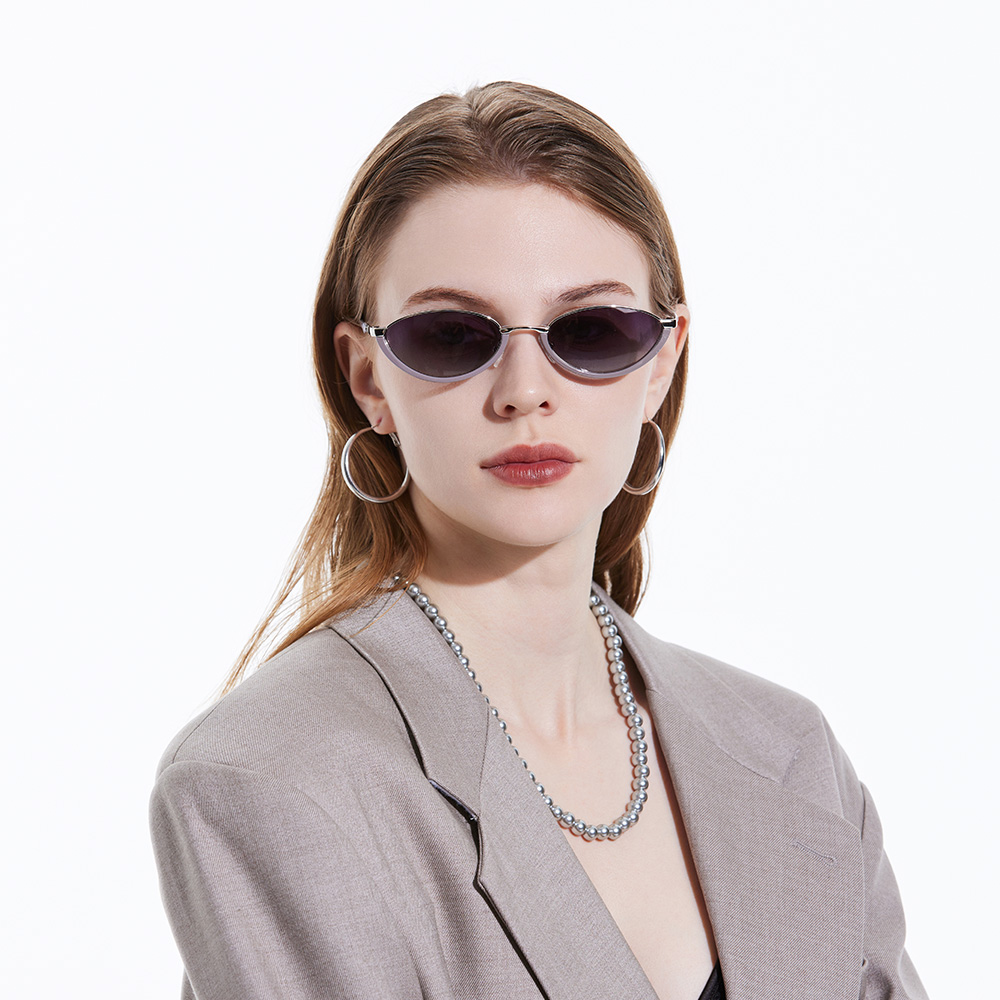
Women's Sunglasses are sun eyewear products developed around women's wearing needs, facial proportions, fashion styles, and usage scenarios. Their value does not come from one single material or one frame shape, but from the combined performance of frame material, lens material, lens function, frame proportion, temple structure, nose pad design, color matching, and overall wearing balance.
Women's Sunglasses: What Are They?
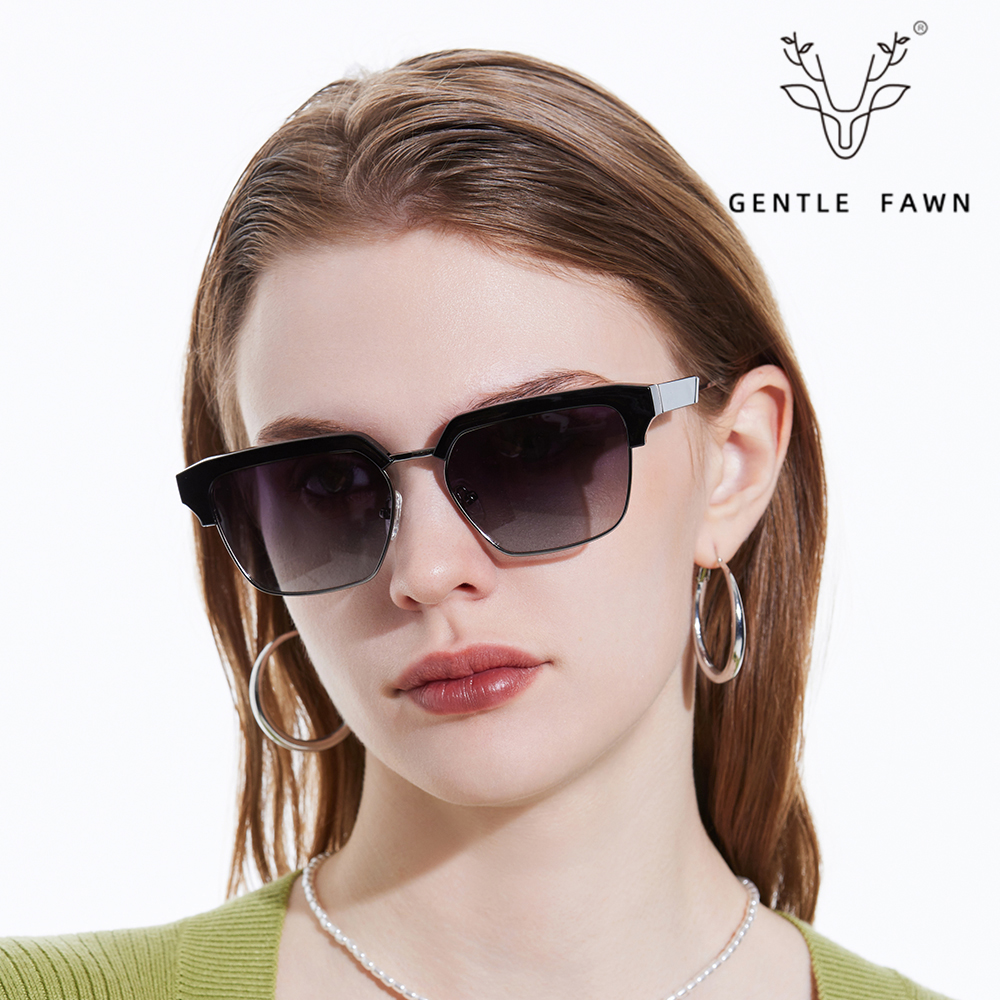
Women's Sunglasses refer to sun eyewear designed with special attention to female facial features, style preferences, outdoor activities, and fashion coordination. Compared with general sunglasses, they often place stronger emphasis on frame contour, lens size, color harmony, side-view appearance, decorative details, and wearing comfort.

For an eyewear factory, Women's Sunglasses are not simply "smaller sunglasses" or "fashion accessories." They are structured products involving frame engineering, lens selection, surface finishing, assembly precision, and usage positioning. A well-developed pair of Women's Sunglasses should balance appearance, comfort, function, durability, and manufacturability.
In practical product planning, Women's Sunglasses may include:
- Women's Outdoor Sunglasses
- Women's Polarized Sunglasses
- Women's Fashion Sunglasses
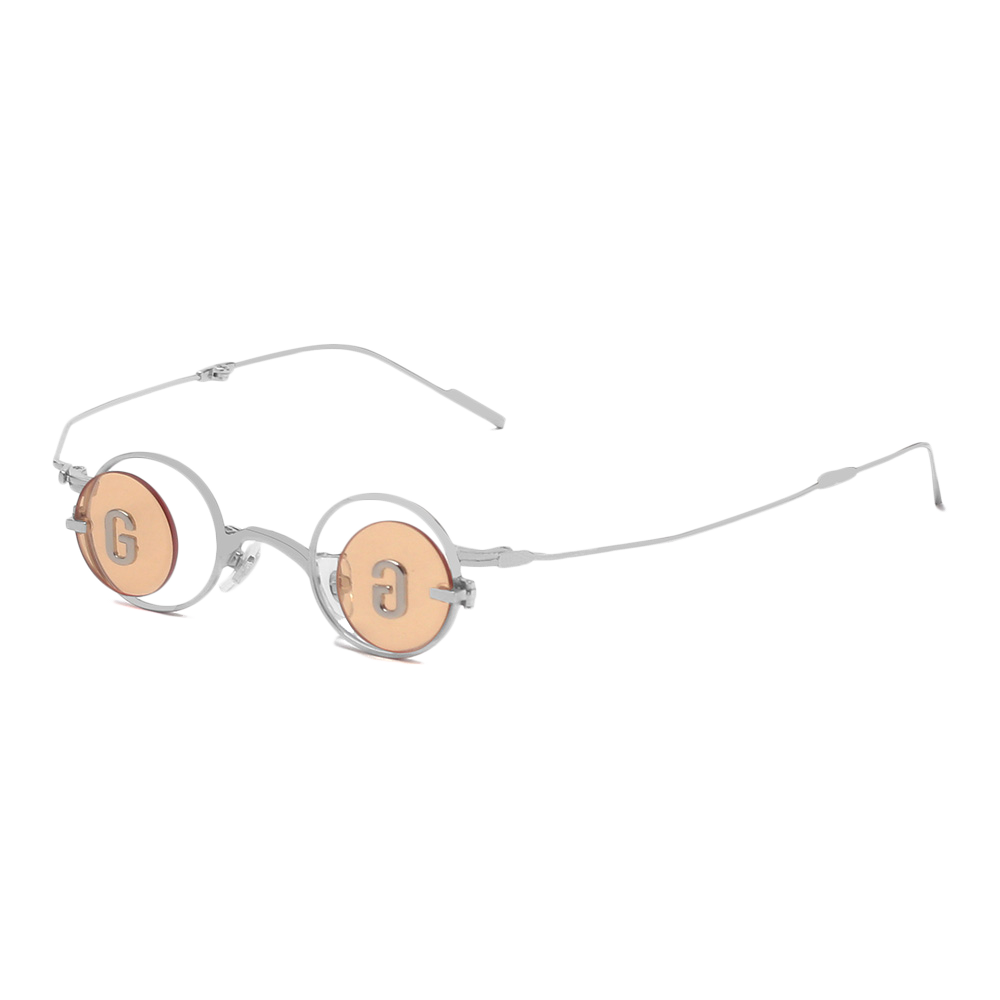
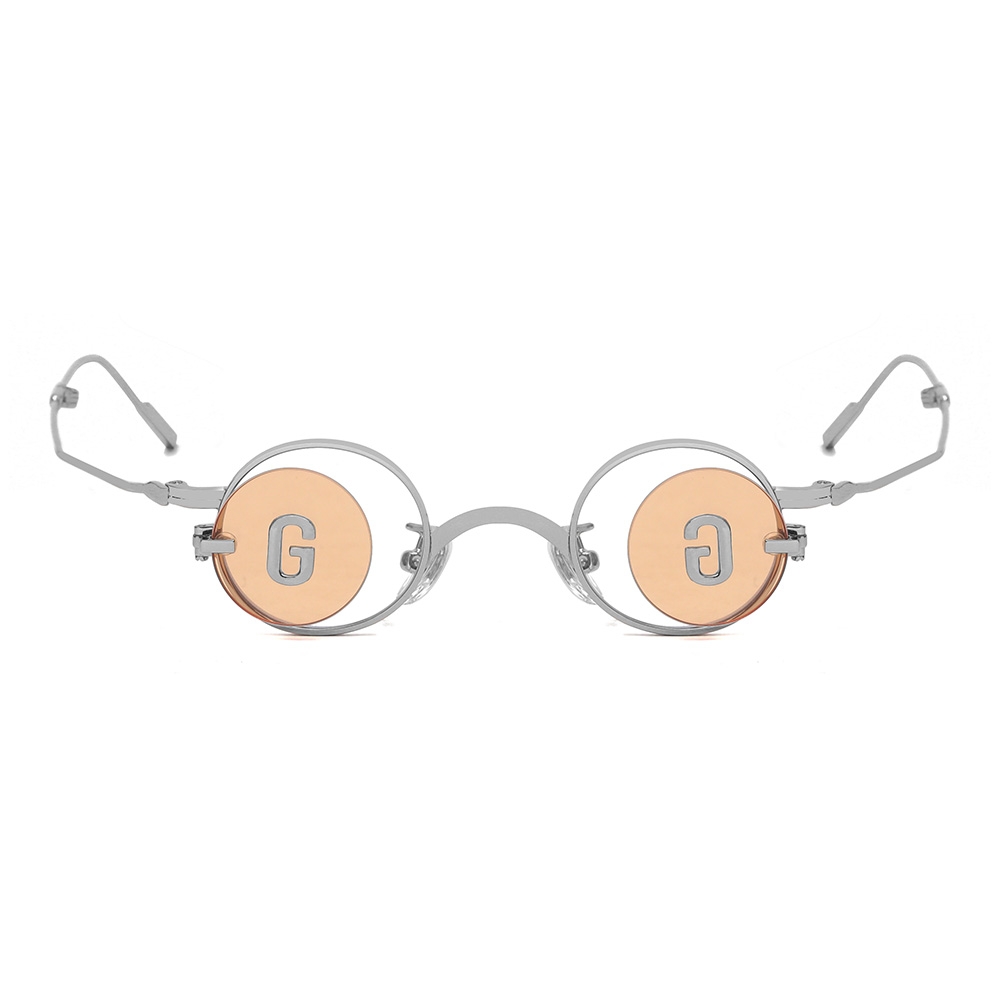
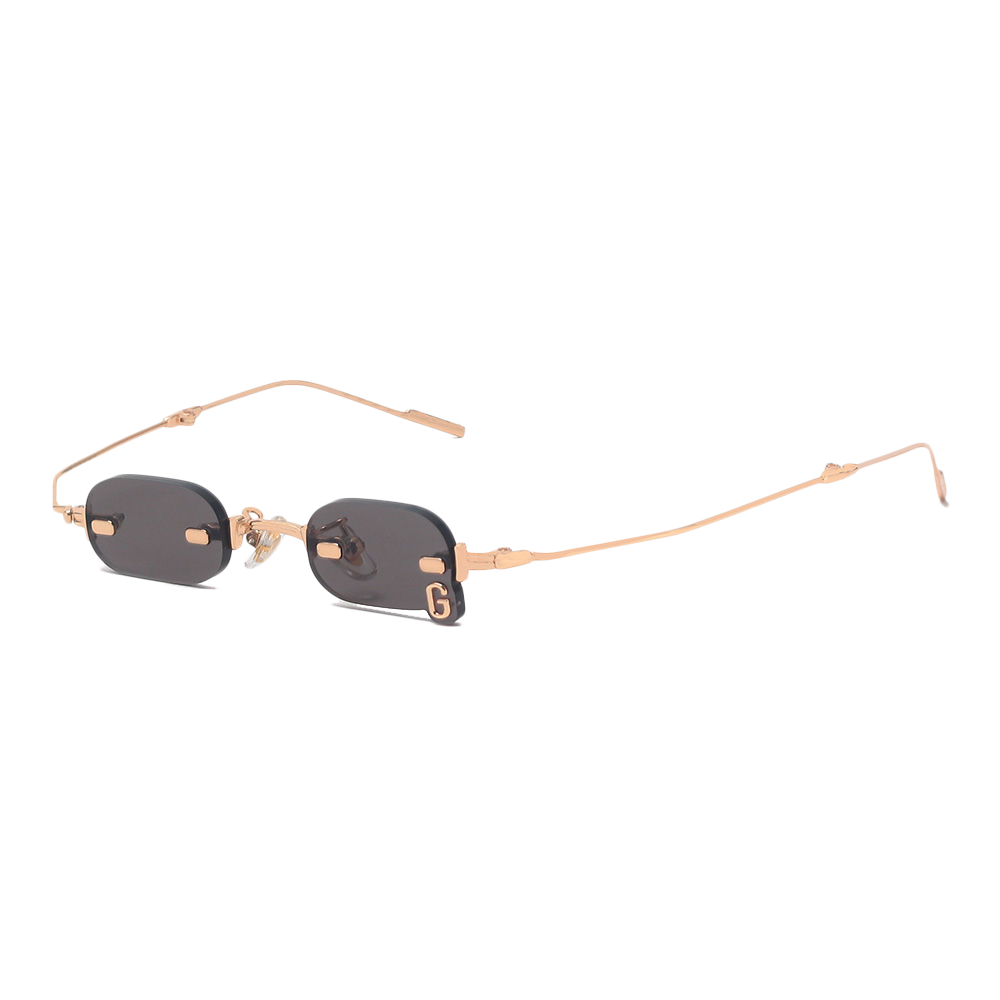
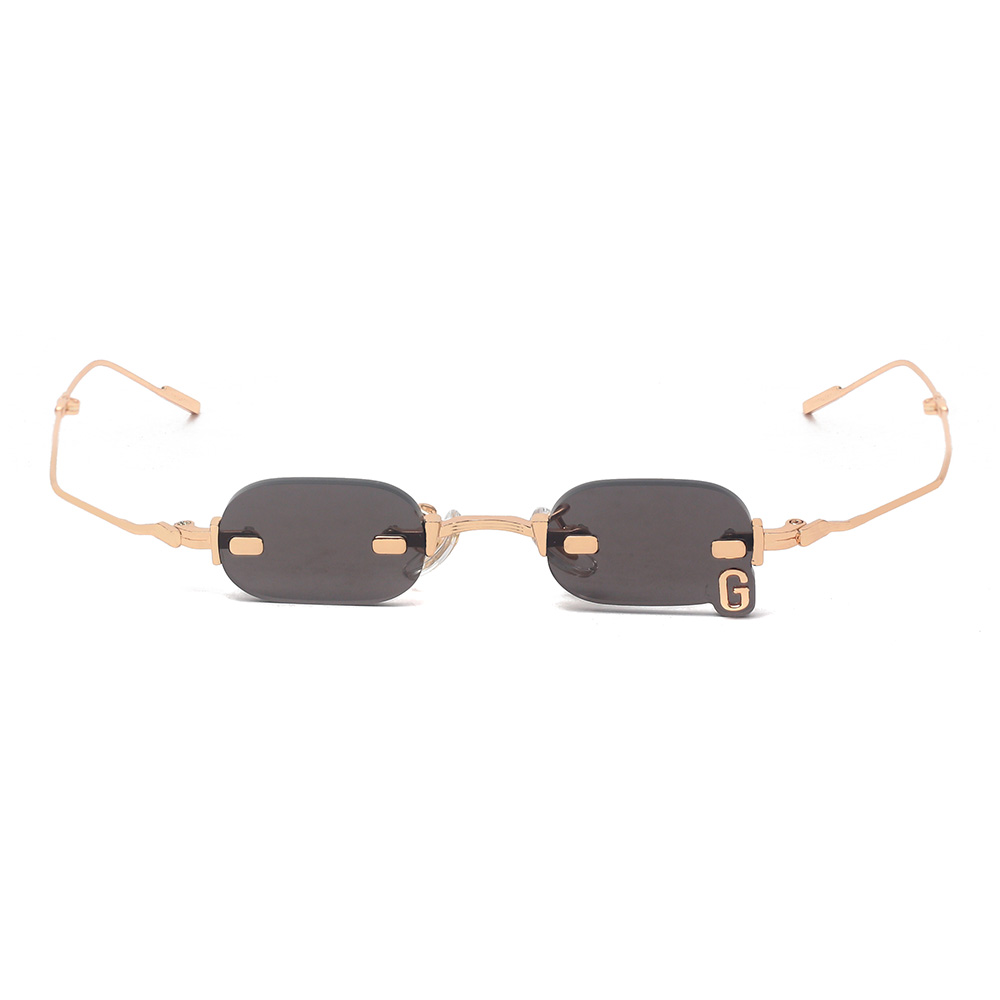
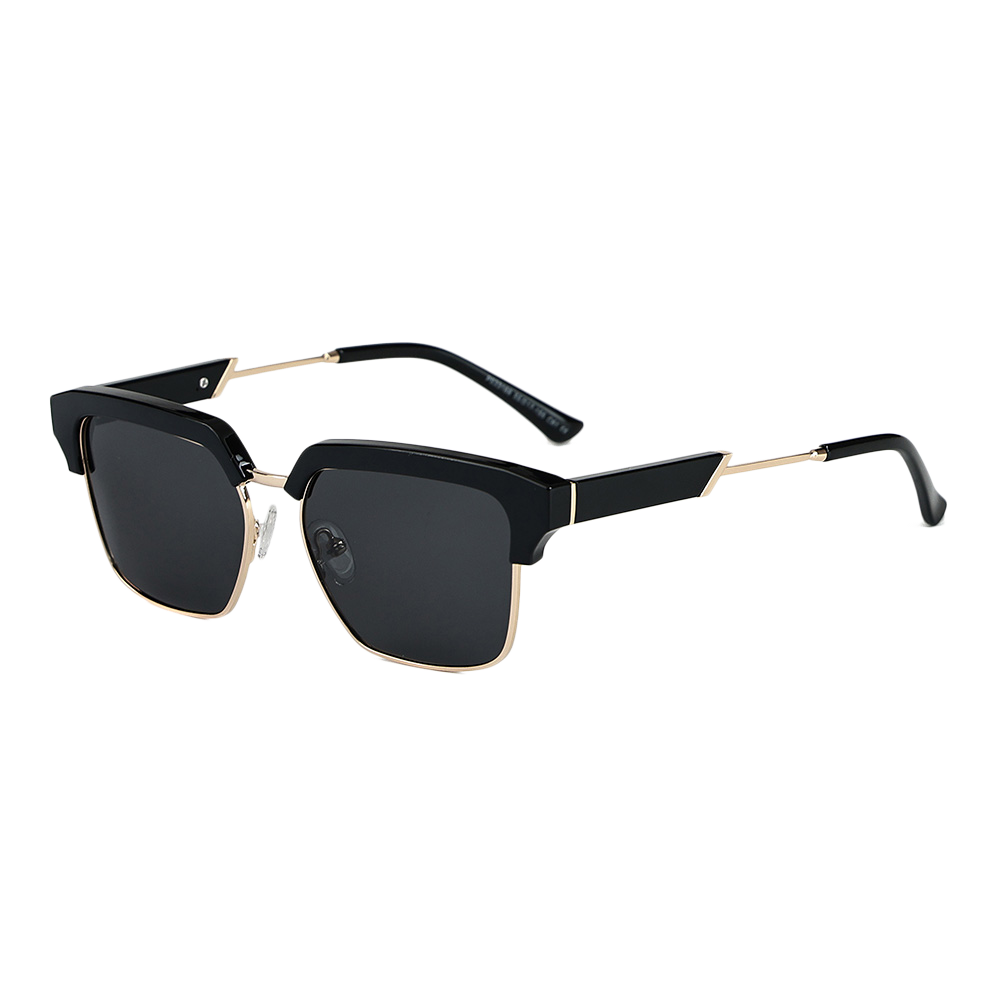
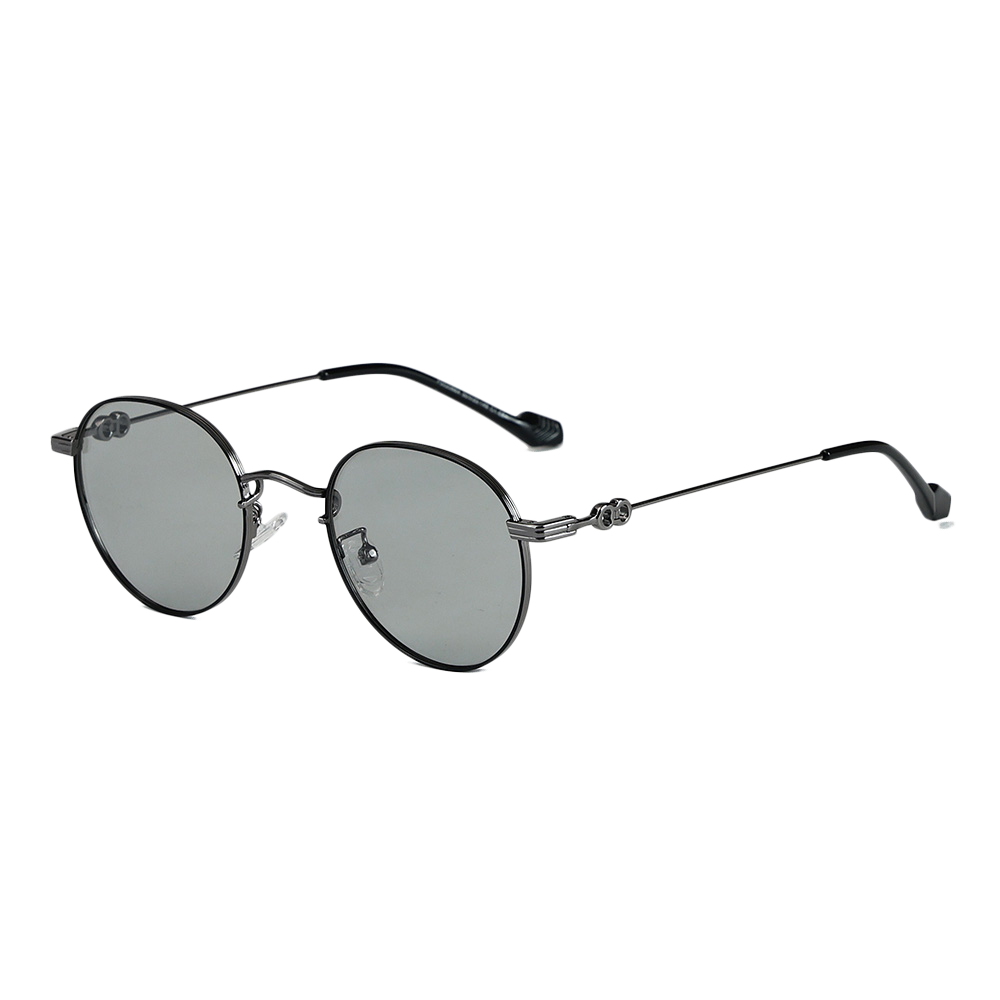
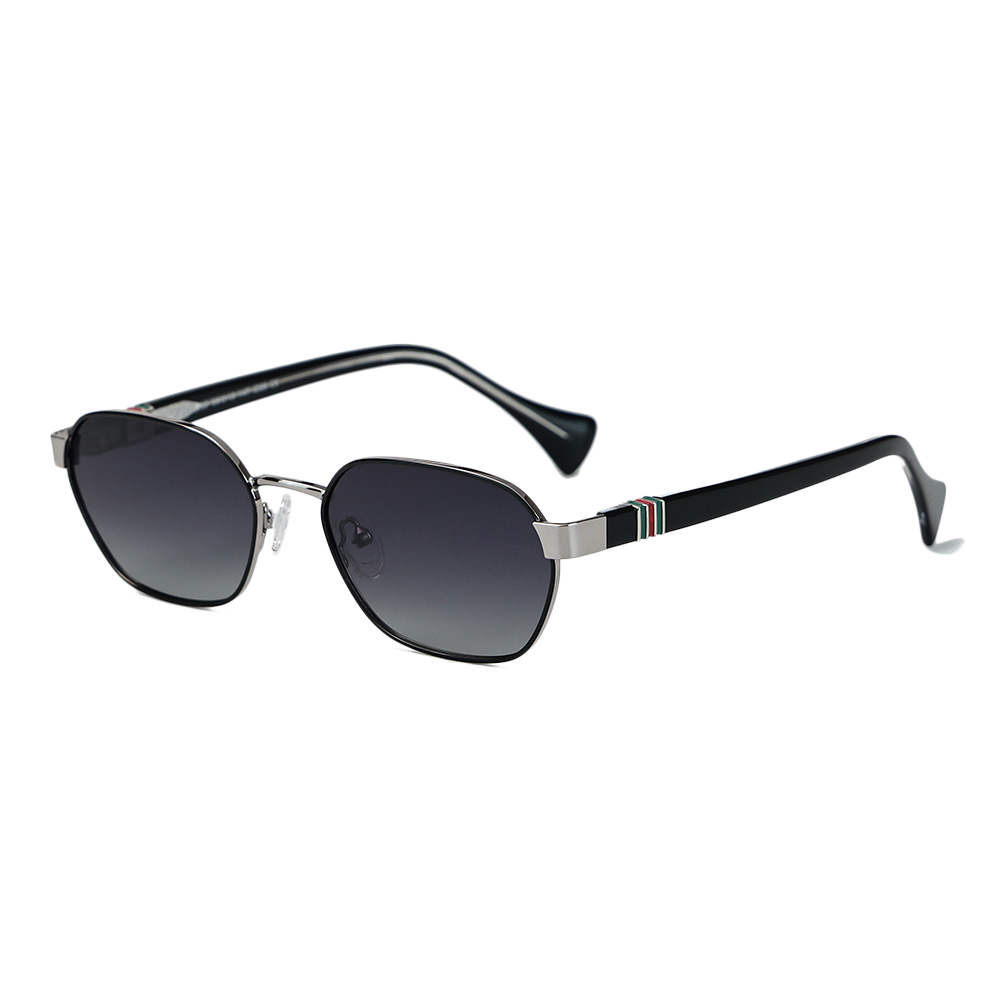
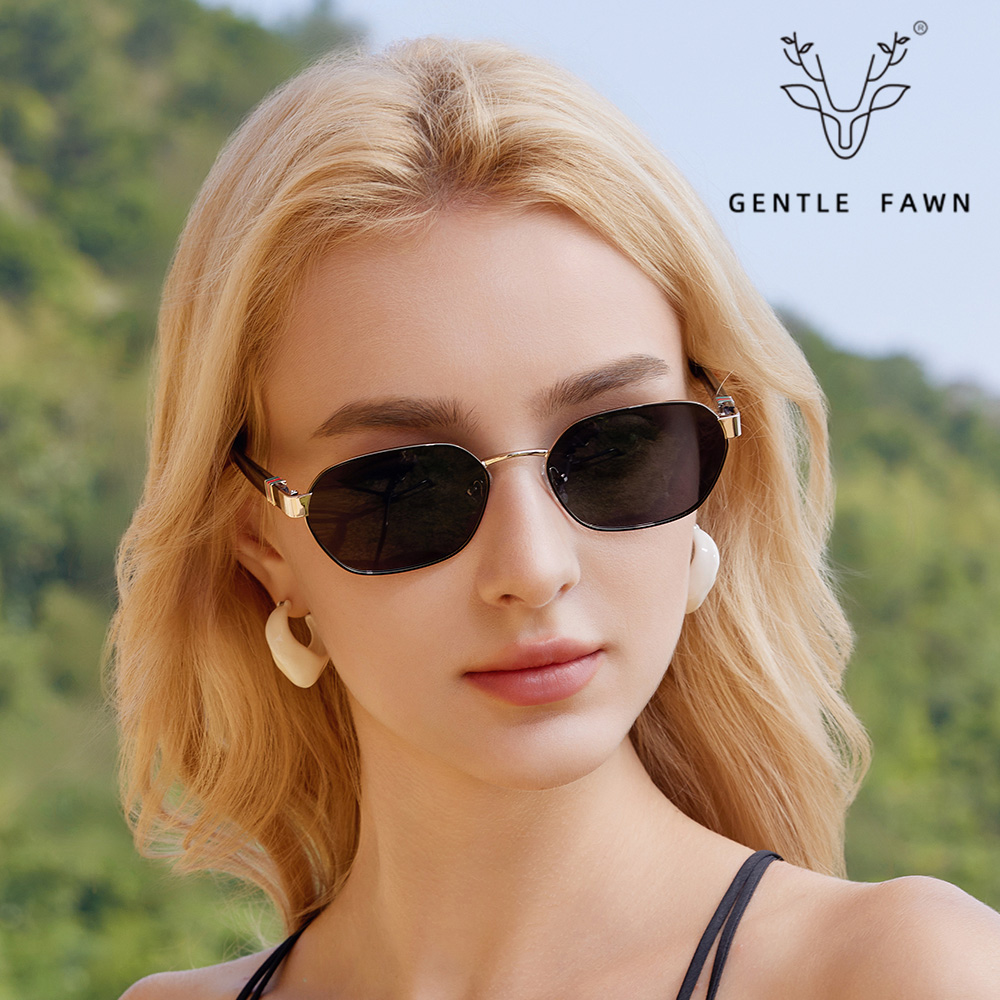
- Women's Metal Frame Sunglasses
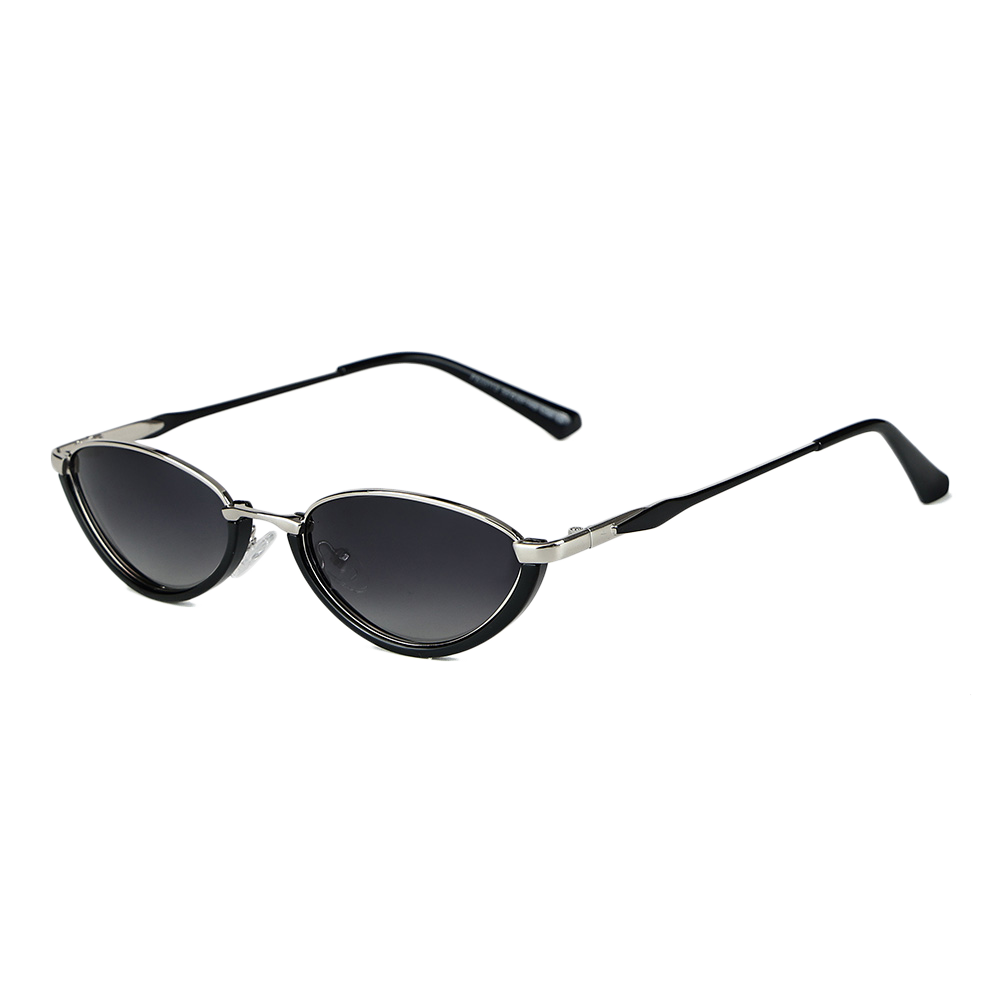
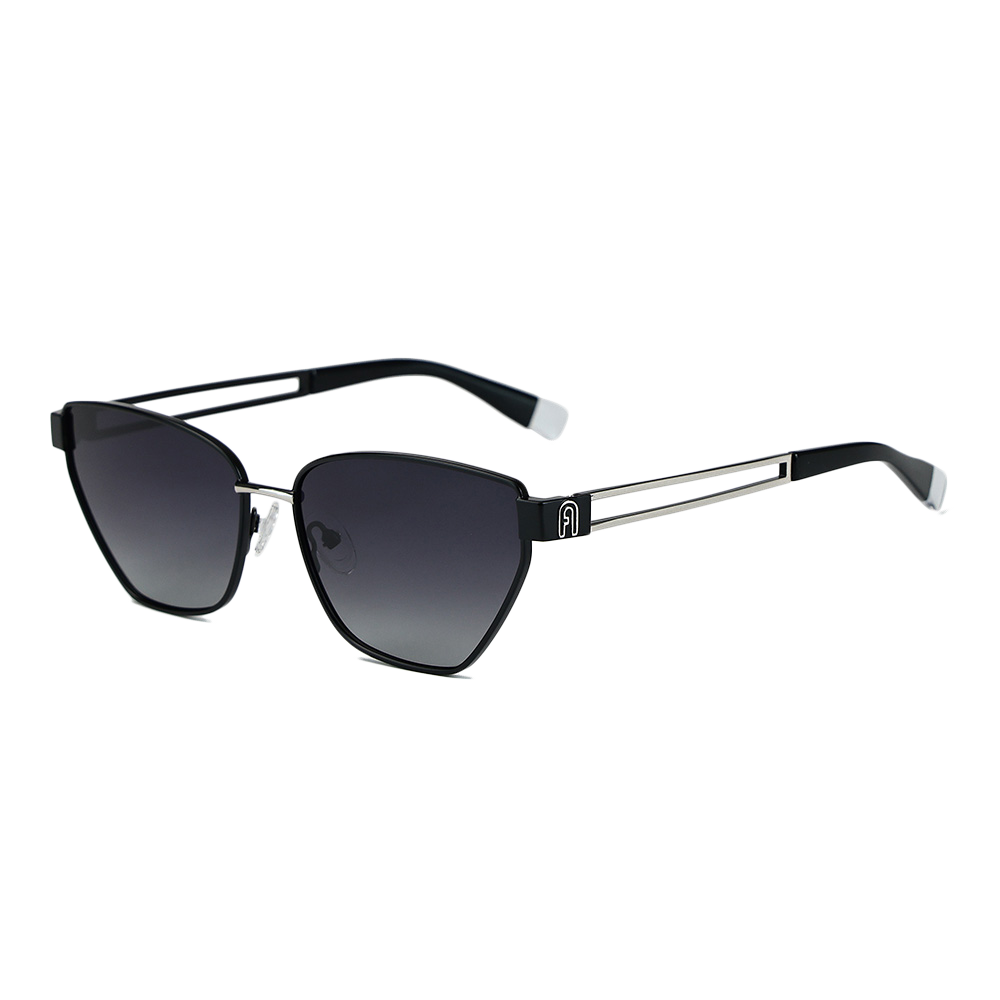
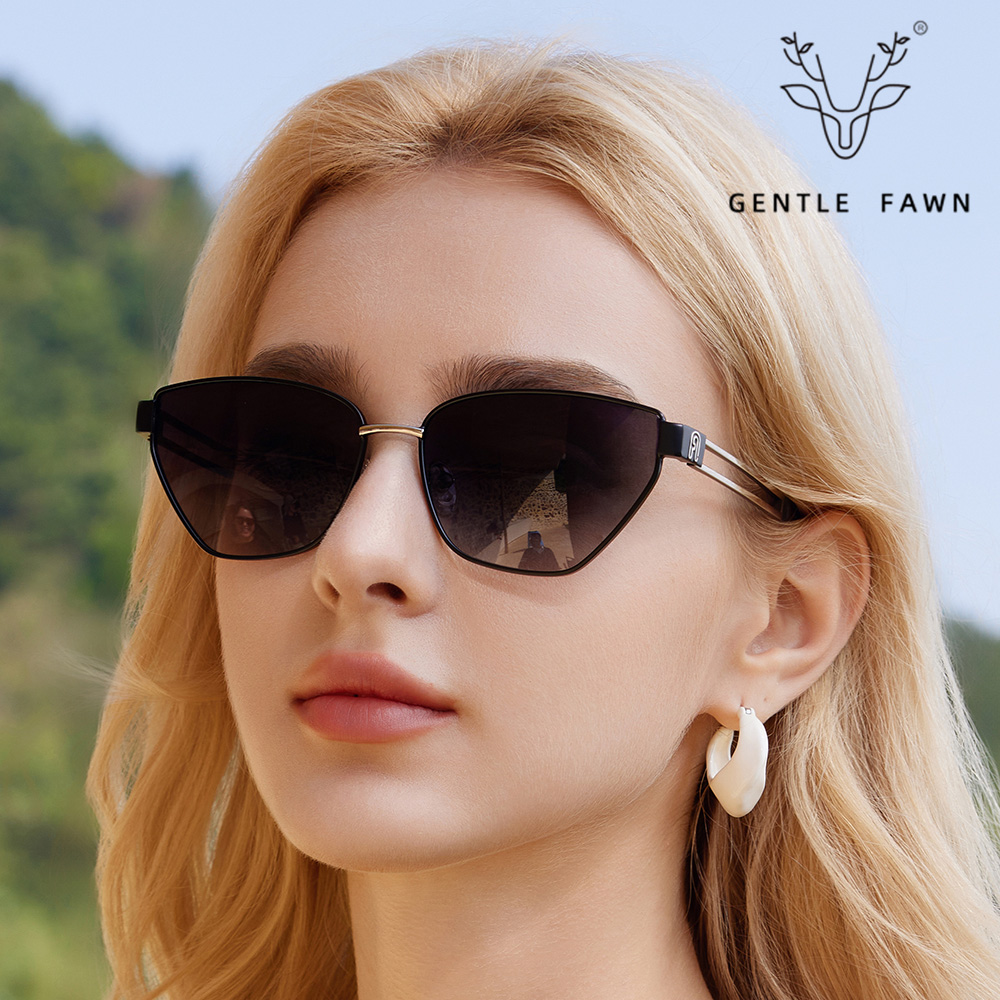
- Women's Cat-Eye Sunglasses
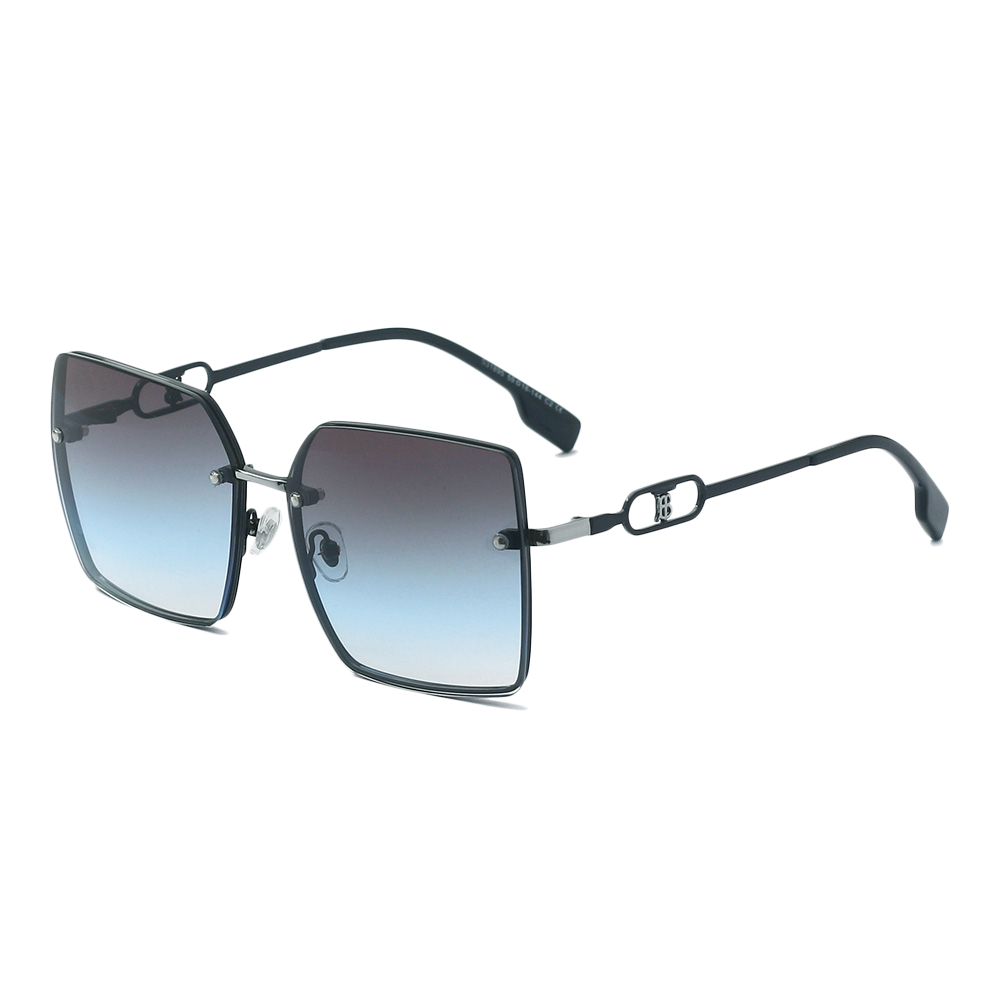
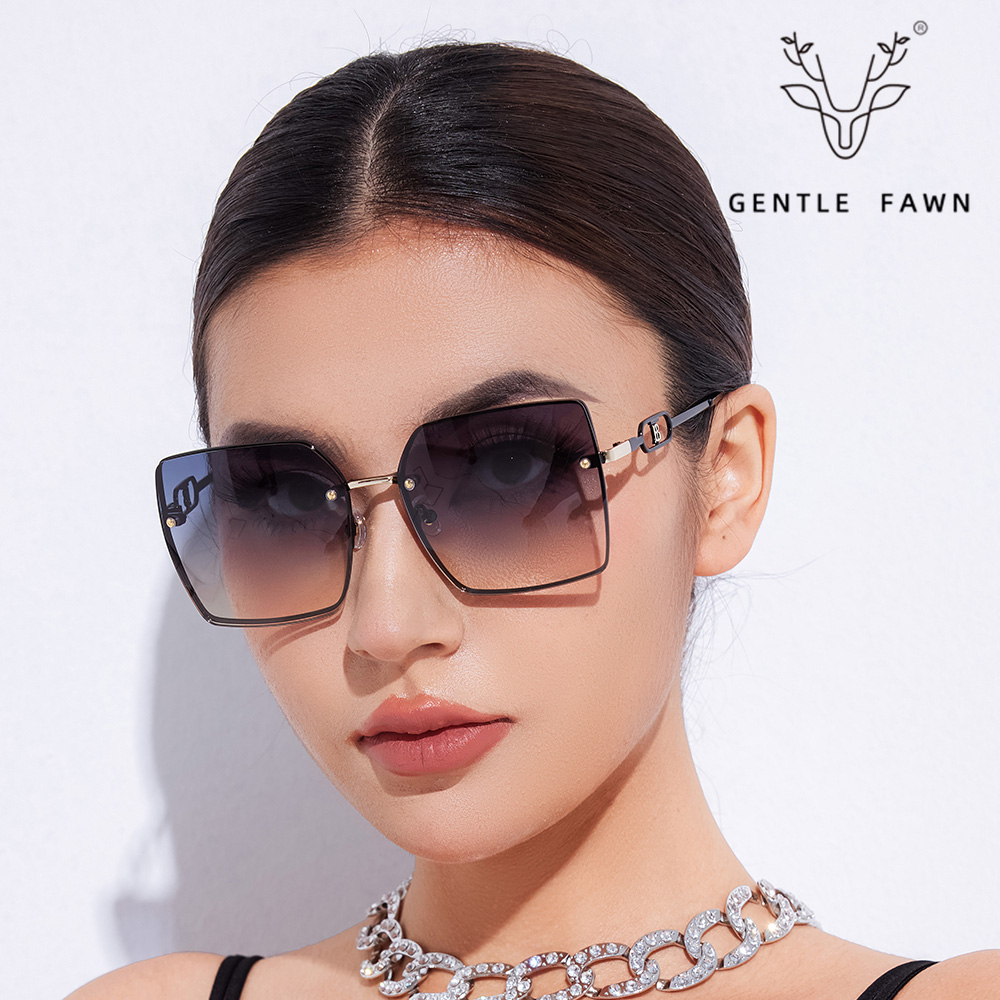
- Women's Square Sunglasses
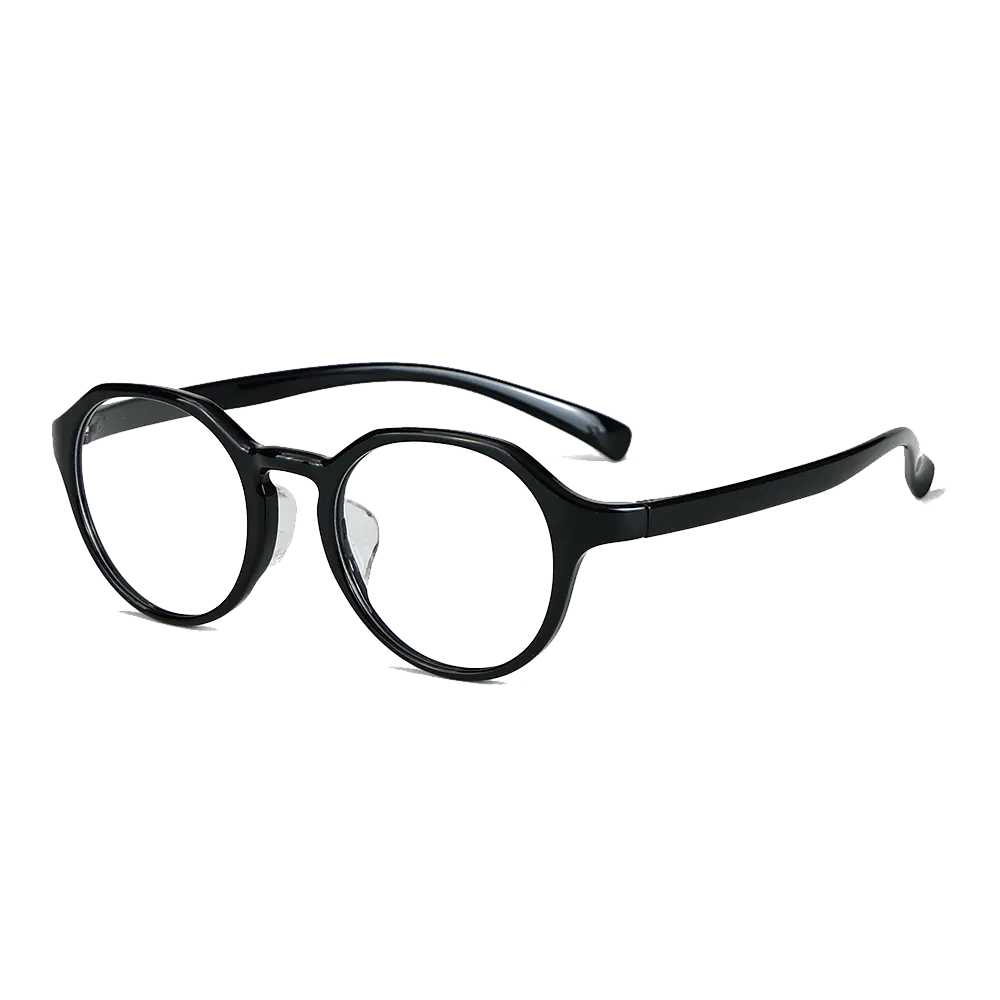
- Women's Round Sunglasses
- Women's Frameless Sunglasses
- Women's Travel Sunglasses
- Women's Driving Sunglasses
The key point is that every design choice affects the final wearing experience. A large butterfly frame may create a stronger fashion image, but it also requires careful weight control. A slim metal frame may look elegant, but its lens fixing, nose pad comfort, and hinge stability need close attention. A polarized lens can reduce certain types of glare, but it is not the same as UV protection.
Why Women's Sunglasses Require Integrated Frame, Lens, and Temple Design
Women's Sunglasses should be evaluated as a complete structure. The frame supports the overall shape, the lenses define the visual area and functional direction, the temples influence wearing stability and side proportion, while the bridge and nose pads determine frame height and facial fit.
From a factory perspective, Zhejiang ZhanSheng Optical understands that eyewear quality depends on the connection between many details: raw material selection, polishing quality, fitting accuracy, surface treatment, hinge assembly, and final inspection. A visually attractive sample may still need adjustment if the lens is too heavy, the temple angle is unstable, or the nose pad position causes poor balance.
Core Product Elements of Women's Sunglasses
| Element |
Main Role |
Development Focus |
Possible Impact |
| Frame front |
Defines overall shape and lens area |
Proportion, curve, thickness |
Style, weight, facial coverage |
| Lens |
Provides visual area and optical function |
Material, color, coating, function |
Clarity, comfort, outdoor usability |
| Temple |
Supports wearing stability |
Length, angle, material, decoration |
Fit, side profile, comfort |
| Bridge / nose pads |
Controls wearing height |
Nose fit, pad angle, bridge width |
Slip resistance, balance, comfort |
| Hinge |
Connects front and temple |
Opening angle, firmness, alignment |
Durability, folding smoothness |
| Surface finish |
Improves appearance and touch |
Polishing, plating, coloring |
Visual quality, product positioning |
A women’s sunglasses design should not be judged only by front appearance. The side view, wearing height, hinge feel, lens edge, temple pressure, and left-right symmetry all influence the final product value.
Why Balance Matters
Women’s Sunglasses often use larger lenses, special frame shapes, metal decoration, gradient colors, or fashionable silhouettes. These elements can improve visual appeal, but they may also increase weight or change the center of gravity.
Important balance factors include:
- Lens size: Larger lenses provide stronger facial coverage but may increase front weight.
- Temple length: Affects stability and wearing angle.
- Nose pad position: Influences frame height and pressure distribution.
- Hinge alignment: Affects opening symmetry and temple tension.
- Decorative parts: Add design value but require weight and fixing control.
- Frame width: Must match target face proportions and regional preferences.
For OEM/ODM development, these structural details should be reviewed before confirming a sample.
Common Frame Shape Designs for Women's Sunglasses
Frame shape is one of the most important design languages in Women's Sunglasses. It affects facial proportion, fashion expression, lens size, and target usage scenario.
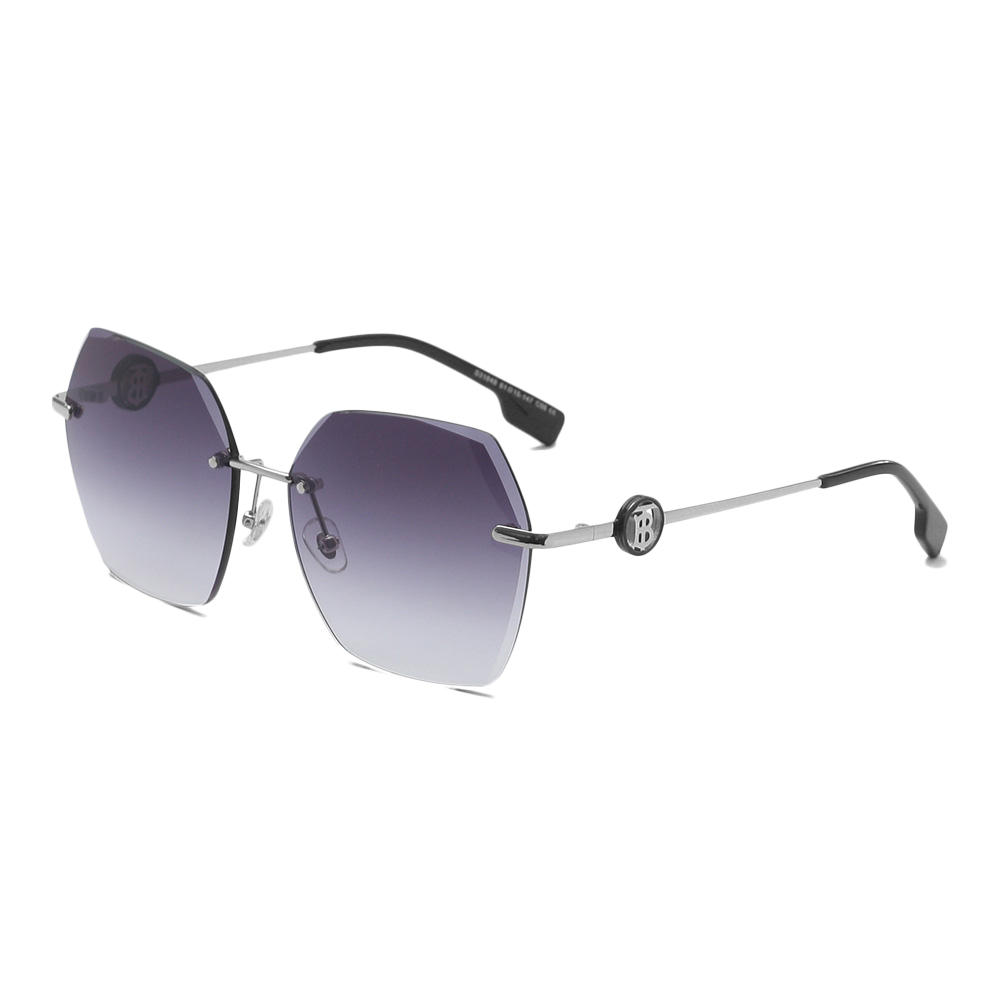
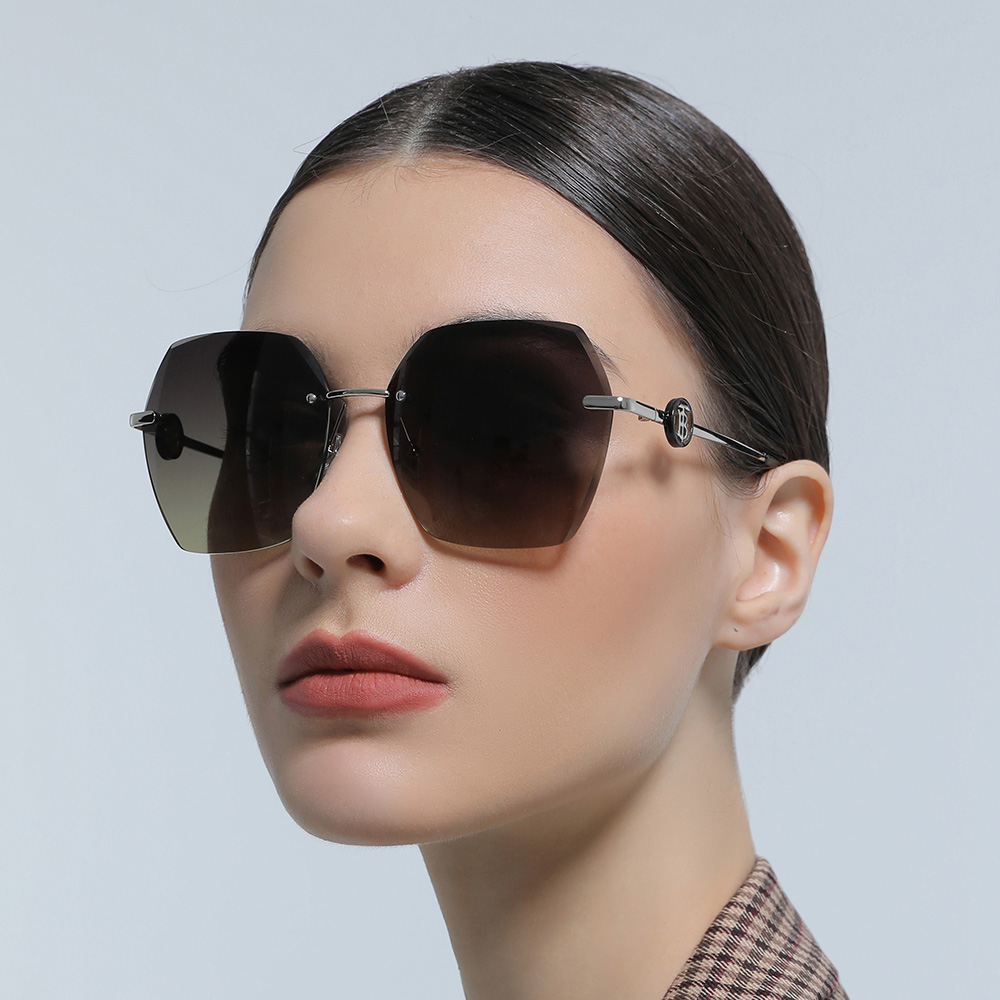
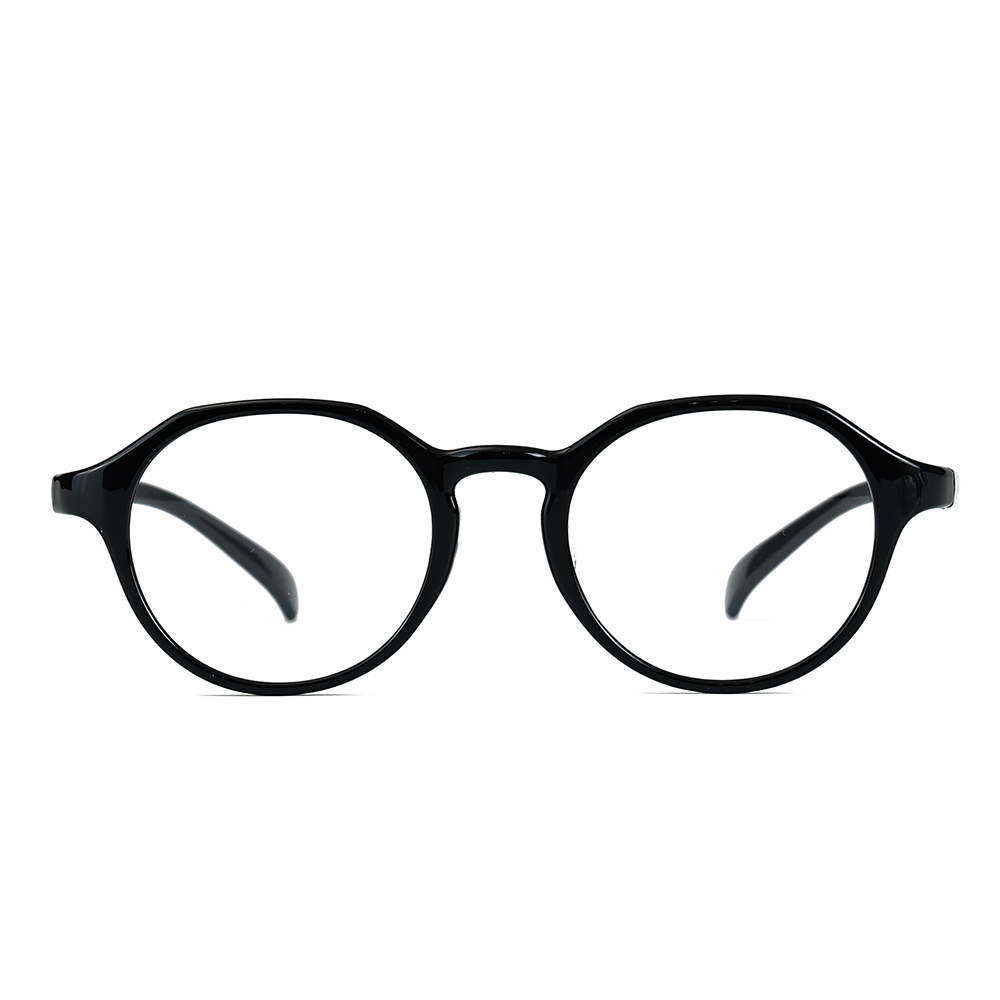
Different shapes serve different product directions. Cat-eye frames highlight style and upward visual movement. Square frames create a modern and structured appearance. Round frames feel softer and more classic. Oval frames are balanced and easy to wear. Polygon frames provide a more contemporary design. Butterfly frames create a bold fashion image, while frameless designs reduce frame visibility and create a lightweight look.
Comparison of Popular Women's Sunglasses Shapes
| Frame Shape |
Visual Style |
Product Direction |
Development Notes |
| Cat-Eye |
Upward, elegant, expressive |
Fashion eyewear, seasonal designs |
Pay attention to upper corner angle and temple connection |
| Square |
Clean, modern, structured |
Outdoor, travel, urban styles |
Control frame width and lens height |
| Round |
Soft, vintage, casual |
Lifestyle and fashion styles |
Requires careful bridge and lens proportion |
| Oval |
Balanced, gentle, versatile |
Daily wear, mature styles |
Suitable for wider facial adaptability |
| Polygon |
Geometric, modern, distinctive |
Trend-focused designs |
Edge polishing and lens cutting accuracy matter |
| Butterfly |
Large, bold, feminine |
Fashion and vacation styles |
Weight control is important |
| Frameless |
Light, clean, minimal |
Elegant and lightweight designs |
Lens drilling and screw stability need attention |
This table shows that frame shape is not only an aesthetic decision. It also affects manufacturing process, material selection, lens size, and wearing balance.
Cat-Eye Sunglasses
Cat-eye sunglasses are highly recognizable in women's fashion eyewear. The upper outer corners lift upward, creating a lively and elegant facial effect. This shape is often used for fashion-forward designs, metal-acetate combinations, gradient lenses, and decorative temple details.
The development focus includes:
- Upper corner angle
- Temple connection strength
- Lens edge consistency
- Left-right symmetry
- Decoration fixing method
- Polishing around pointed areas
If the corners are too sharp or the temple position is not balanced, the product may look dramatic but wear poorly. A good cat-eye design needs both expression and comfort.
Square Sunglasses
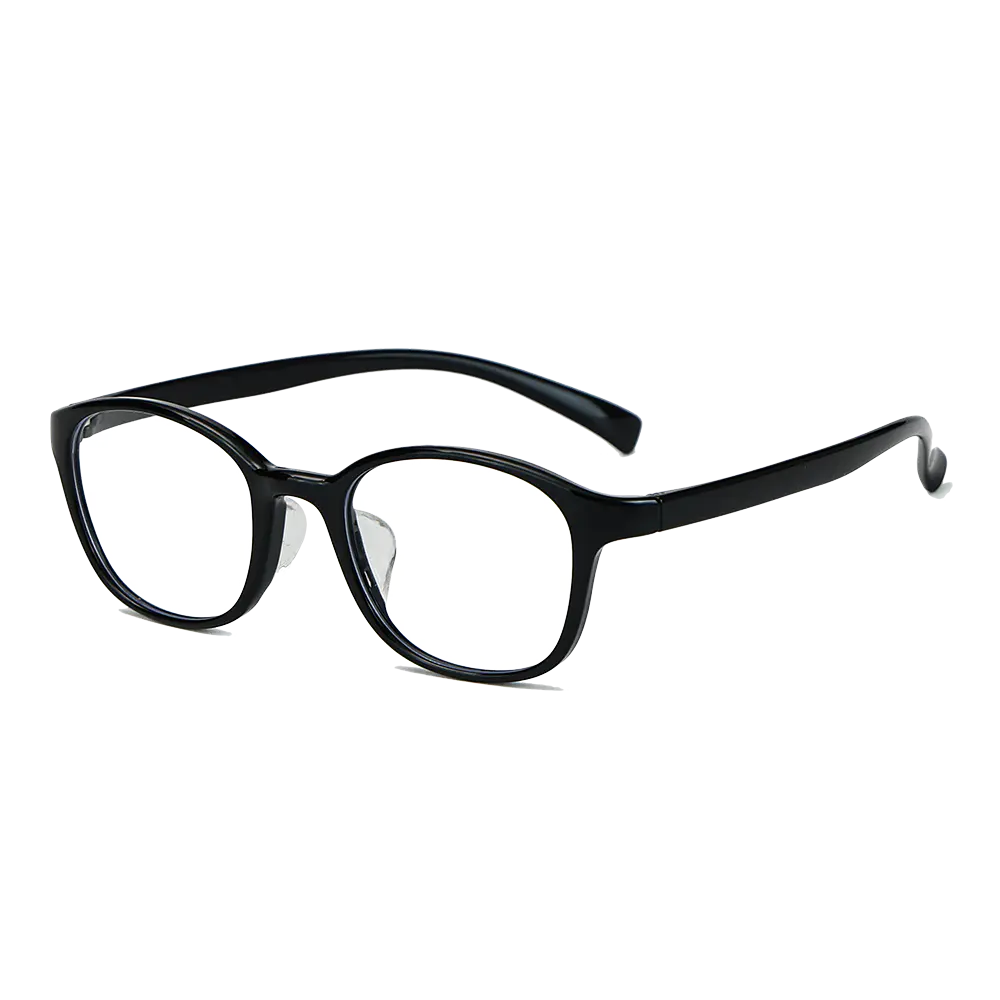
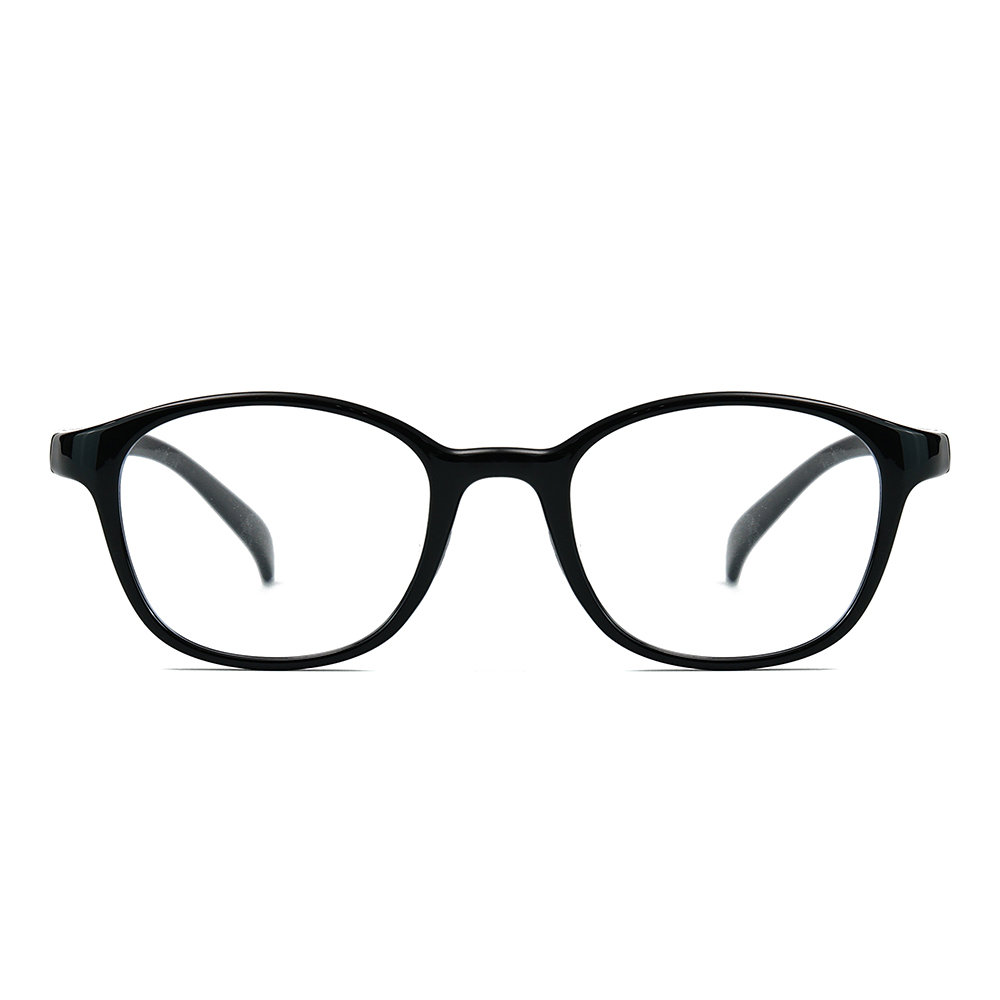
Square sunglasses provide a structured look and are suitable for women's outdoor sunglasses, travel sunglasses, and urban fashion styles. They can be designed with thick acetate-like frames, TR90 structures, metal rims, or mixed-material temples.
Development focus includes:
- Lens height and width balance
- Frame front thickness
- Bridge comfort
- Temple pressure
- Corner polishing
- Color matching between frame and lens
Square shapes are flexible and widely used, but excessive width or heavy lens combinations may reduce wearing comfort.
Round and Oval Sunglasses
Round sunglasses create a softer visual effect, while oval sunglasses provide a more balanced and easy-to-wear profile. Both shapes are suitable for lifestyle products and classic fashion directions.
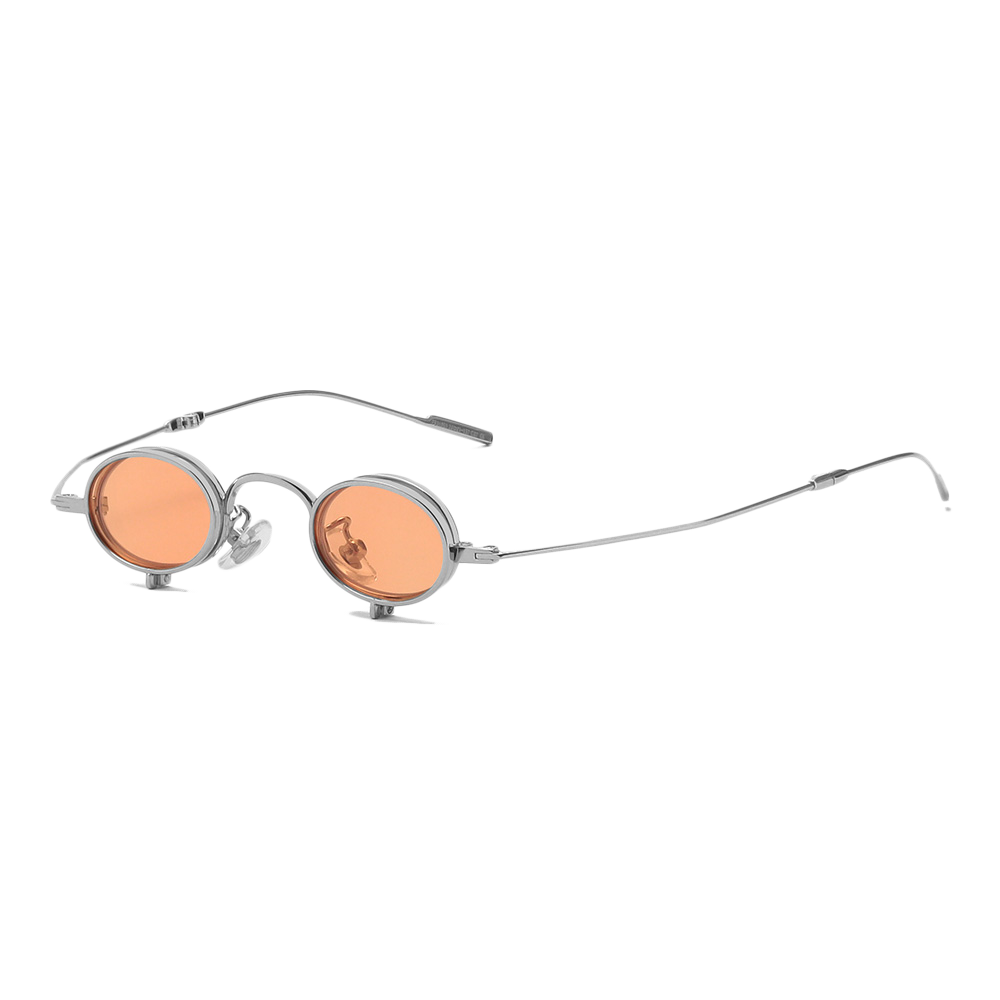
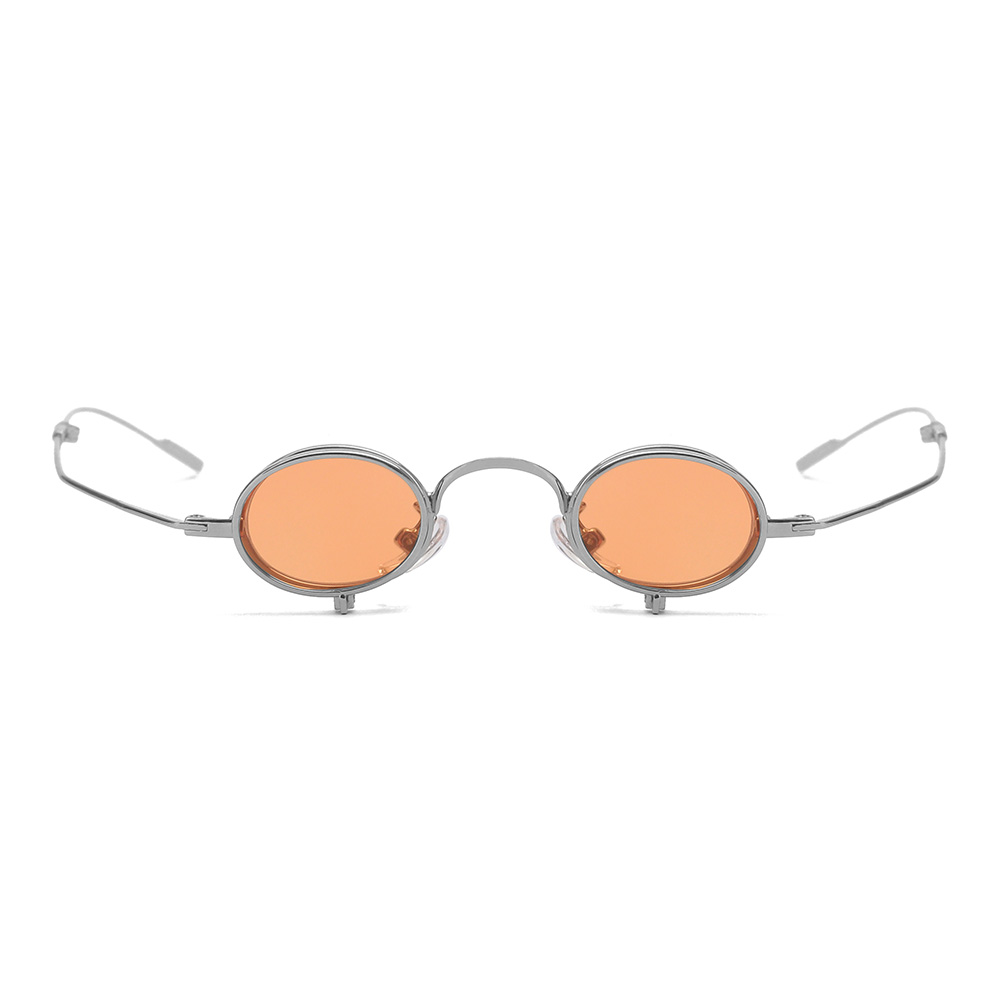
Round frames need precise proportion control because small changes in lens diameter, bridge width, or rim thickness can significantly change the visual result. Oval frames are often easier to adapt to different face shapes and can be made in metal, acetate-like, TR90, or rimless structures.
Polygon and Butterfly Sunglasses
Polygon sunglasses use geometric lines to create a modern product identity. They are often selected for new design development because they look distinctive without relying on excessive decoration.
Butterfly sunglasses usually have larger lenses and a wider upper frame. They offer strong facial coverage and a fashion-oriented appearance. The main development challenge is weight. Larger lenses, wider fronts, and decorative temples should be evaluated together.
Frameless Women's Sunglasses
Frameless sunglasses reduce the visual weight of the frame and emphasize lens shape. They may look light and elegant, but their technical requirements are not low. Lens drilling, screw fixing, edge finishing, and temple alignment must be controlled carefully.
How to Choose Frame Materials for Women's Sunglasses
Frame material determines structure, weight, finishing style, color expression, and manufacturing method. In Women's Sunglasses, common frame directions include metal, TR90, PC, acetate-like materials, and mixed-material structures.
No single material is suitable for every design. A metal frame may be elegant and slim, while TR90 may provide flexibility and light wearing. PC can support cost-sensitive and lightweight designs. Acetate-like materials allow rich color effects and thicker fashion profiles.
Common Frame Materials and Their Characteristics
| Frame Material |
Typical Features |
Suitable Design Direction |
Key Factory Control Points |
| Metal |
Slim, elegant, adjustable details |
Metal frame sunglasses, cat-eye, round, oval |
Plating, welding, hinge alignment, nose pad fitting |
| TR90 |
Lightweight, flexible, sporty |
Outdoor, travel, casual sunglasses |
Injection accuracy, deformation control, color stability |
| PC |
Light, efficient for mass production |
Fashion and promotional styles |
Mold precision, surface finishing, lens fitting |
| Acetate-like material |
Rich color, thicker profile |
Fashion square, butterfly, bold designs |
Polishing, color consistency, hinge embedding |
| Mixed materials |
Combines visual and structural benefits |
Fashion styles, premium-looking designs |
Joint strength, color matching, assembly accuracy |
The correct material choice depends on frame shape, target price level, lens type, wearing scenario, and design goal.
Metal Frame Value in Women's Sunglasses
Metal frames have strong design value in Women's Sunglasses because they allow thin rims, adjustable nose pads, refined temple lines, and elegant decorative details. They are commonly used in cat-eye, oval, round, polygon, and frameless-inspired styles.
Key advantages include:
- Slim and refined appearance
- Adjustable nose pad design
- Good compatibility with gradient lenses
- Elegant side-view structure
- Flexible use of plating colors
- Suitable for fashion and classic styles
However, metal frame development requires close attention to welding points, plating finish, screw firmness, lens groove accuracy, and hinge smoothness. Thin metal structures may look simple, but small assembly errors can be visible.
TR90 and Lightweight Frame Development
TR90 is often used when lightweight wearing and flexible structure are important. For women's outdoor sunglasses or travel sunglasses, TR90 can help reduce pressure during long-time wear.
Factory evaluation should include:
- Frame recovery after bending
- Temple opening consistency
- Lens fitting tightness
- Surface texture
- Color difference between batches
- Nose bridge comfort
TR90 works well for sporty and casual styles, but for very sharp cat-eye or highly decorative designs, mold and surface details need careful planning.
Lens Materials and Functional Choices for Women's Sunglasses
The lens is not only a colored part of sunglasses. It determines visual comfort, field of view, functional direction, and final wearing experience. Women's Sunglasses can use different lens materials and functions depending on usage scenario.
Common lens material directions include TAC polarized lens, Nylon lens, PC lens, AC lens, and photochromic lens options. Each has its own development logic.
Common Lens Materials for Women's Sunglasses
| Lens Type |
Main Characteristics |
Common Use |
Development Notes |
| TAC polarized lens |
Can reduce reflected glare when designed as polarized |
Outdoor, driving-related, travel styles |
Polarization direction and lens fitting need checking |
| Nylon lens |
Good clarity and toughness direction |
Higher-level fashion and outdoor styles |
Suitable for larger or rimless designs when properly engineered |
| PC lens |
Lightweight and impact-resistant direction |
Sporty, casual, travel sunglasses |
Optical clarity and coating quality should be reviewed |
| AC lens |
Common for fashion sunglasses |
Daily fashion styles |
Suitable for style-focused products |
| Photochromic lens |
Changes tint under light conditions |
Variable-light outdoor use |
Color change performance depends on lens design and environment |
Lens material should match frame structure. For example, a larger butterfly frame may need lens weight control. A rimless design may benefit from a lens material with suitable toughness. A metal frame with thin rim requires accurate lens edging.
TAC Polarized Lens
TAC polarized lenses are commonly used in polarized sunglasses. Their main function is to reduce reflected glare from surfaces such as roads, water, and glass under certain conditions. This can improve visual comfort in outdoor activities.
Development focus includes:
- Correct polarization axis
- Stable lens color
- Proper lens thickness
- Edge fitting accuracy
- Coating appearance
- Compatibility with frame groove
TAC polarized lenses should not be described as automatically equivalent to UV protection unless the lens specification confirms UV-related performance. Polarization and UV filtering are different concepts.
Nylon Lens
Nylon lenses are often selected for designs that require better clarity, toughness direction, or more demanding lens structures. They can be suitable for larger lens shapes, rimless designs, and fashion sunglasses that require more refined lens performance.
Compared with TAC polarized lenses, Nylon lenses are not defined by polarization itself. A Nylon lens may or may not be polarized depending on design. The key is to evaluate lens material, optical appearance, coating, and intended function separately.
Photochromic Lens
Photochromic lenses change tint according to light conditions. They can be considered for outdoor and travel-oriented Women's Sunglasses. Their performance is affected by light intensity, temperature, lens material, and product design.
For factory development, photochromic products require careful communication about expected usage, tint range, color change speed, and final appearance. Claims should remain factual and based on confirmed specifications.
What Is the Difference Between Polarized Women's Sunglasses and Regular Women's Sunglasses?
Polarized Women's Sunglasses are designed with lenses that can reduce certain reflected glare. Regular Women's Sunglasses may use tinted lenses, UV-related lens options, gradient lenses, fashion lenses, or other functions, but they do not necessarily include polarization.
The difference is important for product positioning. Polarization is mainly about glare reduction. UV protection is about filtering ultraviolet radiation according to the confirmed lens specification. Lens color is about appearance and visible light transmission, but color alone does not prove UV performance.
Polarized, UV400, and Lens Color: Key Differences
| Item |
What It Means |
What It Does Not Mean |
Factory Evaluation Point |
| Polarized lens |
Reduces certain reflected glare |
Does not automatically mean UV400 |
Check polarization direction and lens marking rules |
| UV400 |
Indicates UV filtering up to a defined range when confirmed |
Does not mean polarized |
Confirm through lens specification or test report if available |
| Dark lens color |
Reduces visible brightness |
Does not prove UV protection |
Do not judge protection by color only |
| Gradient color |
Fashion and brightness transition effect |
Does not automatically add polarization |
Check coating and tint consistency |
| Mirror coating |
Reflective appearance and light control effect |
Does not replace confirmed UV specification |
Check coating adhesion and surface finish |
This distinction helps overseas purchasing teams avoid common misunderstandings. A lens can be polarized without being properly described as UV400 unless confirmed. A lens can be UV400 without being polarized. A dark lens may look protective but still requires specification confirmation.
Are Polarized Women's Sunglasses Suitable for Outdoor Use?
Women's polarized sunglasses can be suitable for outdoor use where reflected glare is common, such as travel, seaside activities, road environments, and general outdoor wear. They may improve visual comfort in bright conditions.
However, polarization may affect viewing certain digital screens or instrument panels. For driving-related styles, the lens color, visible light transmission, frame coverage, and local market requirements should also be considered. A factory should help evaluate the lens function together with the intended scene rather than treating polarization as the only selling point.
How Lens Color, Lens Size, and Frame Proportion Affect Development
Women's Sunglasses often use lens color as a major design element. Brown, gray, green, smoke, gradient, pink, blue, and mirror effects can all create different product impressions. But color selection should consider usage, frame material, skin-tone compatibility, and final product style.
Lens Color and Product Direction
| Lens Color / Effect |
Visual Impression |
Common Product Direction |
Development Notes |
| Gray / smoke |
Neutral, calm, versatile |
Outdoor, driving-related, daily wear |
Good for understated styles |
| Brown / tea |
Warm, classic, soft |
Travel, lifestyle, fashion |
Matches tortoise and gold-tone frames |
| Green |
Retro, balanced, calm |
Classic metal frames, round styles |
Works well with thin rims |
| Gradient |
Elegant, fashion-oriented |
Cat-eye, butterfly, oval |
Check color transition consistency |
| Pink / rose |
Soft, feminine, playful |
Fashion sunglasses |
Suitable for light frame colors |
| Blue / mirror |
Sporty, active, striking |
Outdoor and vacation styles |
Surface quality needs checking |
Lens color affects the emotional language of the product. A cat-eye frame with a gradient brown lens feels very different from the same frame with a mirror blue lens.
Lens Size and Frame Proportion
Lens size influences:
- Facial coverage
- Frame weight
- Visual style
- Side-view proportion
- Lens fitting difficulty
- Wearing balance
Large lenses may look fashionable and offer broader coverage, but they require stronger attention to front weight and temple stability. Smaller lenses may feel more refined, but they need precise styling to avoid looking outdated.
Frame proportion should consider:
- Front width
- Lens width
- Lens height
- Bridge width
- Temple length
- Temple drop angle
- Nose pad position
- Frame thickness
For OEM/ODM Women's Sunglasses development, these measurements should be reviewed together, not separately.
Nose Pads, Temples, Hinges, and Wearing Balance
A pair of Women's Sunglasses may look attractive on a product photo, but real wearing comfort depends on hidden structural details. Nose pads, temples, hinges, screws, and decoration parts all influence fit and stability.
Nose Pad Design
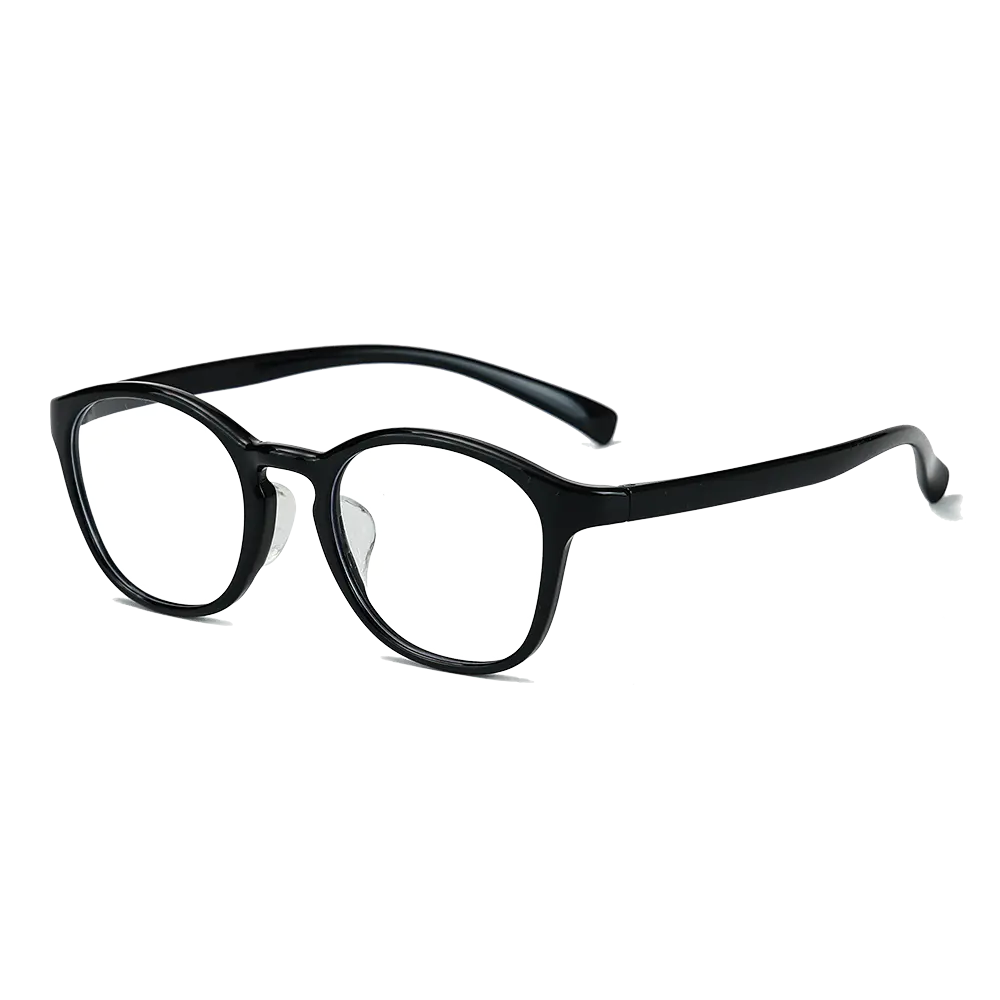
Nose pads control how the frame sits on the face. For metal frame Women's Sunglasses, adjustable nose pads are common and useful for improving fit. For plastic or TR90 frames, molded nose bridges need careful shape control.
Nose pad factors include:
- Pad angle
- Pad softness
- Pad width
- Nose bridge height
- Distance between pads
- Contact area
Poor nose pad design may cause slipping, pressure marks, or uneven frame height.
Temple Design
Temples affect side profile and wearing stability. In Women's Sunglasses, temples may be slim metal, wide plastic, mixed material, decorated, or logo-ready depending on design direction.
Important temple factors include:
- Temple length
- Opening angle
- End tip curve
- Spring hinge or standard hinge selection
- Side decoration weight
- Pressure near ears
A temple that is too tight may feel uncomfortable. A temple that is too loose may cause slipping. Factory sample evaluation should include actual wearing tests.
Hinge and Assembly
Hinges affect folding, opening, and long-term usability. For metal frames, hinge welding and screw tightness are important. For plastic frames, hinge embedding and alignment matter.
Assembly checks should include:
- Left-right temple symmetry
- Smooth opening and closing
- Screw firmness
- Lens fitting tightness
- Frame front flatness
- No obvious gaps or deformation
- Stable nose pad installation
These details are part of the product's real value, even when they are not immediately visible in photos.
Suitable Usage Scenarios for Women's Sunglasses
Women's Sunglasses can be developed for many scenarios. Each scenario requires different priorities in frame shape, material, lens function, and wearing comfort.
Scenario-Based Development Guide
| Usage Scenario |
Recommended Product Focus |
Suitable Design Direction |
Key Notes |
| Daily outdoor wear |
Comfort, style, moderate coverage |
Oval, square, cat-eye |
Balance fashion and wearability |
| Travel |
Lightweight, versatile color, stable fit |
TR90, square, butterfly |
Avoid excessive front weight |
| Driving-related use |
Glare control, clear field of view |
Polarized options, gray/brown lens |
Check screen visibility and local rules |
| Beach / vacation |
Larger coverage, expressive color |
Butterfly, oversized square, mirror lens |
Pay attention to lens coating quality |
| Fashion styling |
Strong shape and color identity |
Cat-eye, polygon, frameless |
Decoration and proportion matter |
| Outdoor leisure |
Stability and visual comfort |
TR90, PC, polarized options |
Temple fit and lens function are important |
This table shows that usage scenario should guide product development. A fashion-focused cat-eye frame and a travel-focused polarized square frame may both be Women’s Sunglasses, but their engineering priorities are different.
Are Women's Sunglasses Suitable for Travel?
Women's Sunglasses are suitable for travel when they combine lightweight structure, stable fit, appropriate lens color, and suitable coverage. Travel products should avoid being too heavy or overly delicate. Hinges, screws, lens fitting, and surface finish should be checked carefully before shipment.
Are Women's Sunglasses Suitable for Driving?
Some Women's Sunglasses can be suitable for driving-related use when lens color, visibility, frame coverage, and glare reduction are properly considered. Polarized lenses may help reduce certain reflected glare, but they may also affect viewing some screens. Any driving-related product description should be cautious and based on confirmed lens specifications and local requirements.
OEM/ODM Development for Women's Sunglasses
OEM/ODM Women's Sunglasses development requires clear communication between the factory and the purchasing or product development team. The process should connect design goals with material choices, lens functions, manufacturing feasibility, and target usage scenarios.
Typical OEM/ODM Development Process
| Step |
Main Work |
Factory Support Focus |
| Requirement review |
Confirm style, scenario, material, lens direction |
Clarify product positioning and technical feasibility |
| Design proposal |
Frame shape, color, lens, decoration |
Match appearance with structure |
| Material selection |
Frame material, lens material, hinge, nose pads |
Balance cost, function, and appearance |
| Sample making |
Prototype development and adjustment |
Check shape, fit, and assembly |
| Sample evaluation |
Wearing test, structure review, appearance review |
Identify risks before confirmation |
| Pre-production confirmation |
Finalize details and production standards |
Improve consistency |
| Production and inspection |
Manufacturing, assembly, quality review |
Control finish, fit, and packaging readiness |
OEM/ODM support is not limited to making a drawing into a product. It involves helping the partner choose the right frame structure, lens direction, color plan, decoration solution, and sample improvement path.
Key Custom Development Options
Women's Sunglasses can be customized through:
- Frame shape design
- Frame material selection
- Lens material choice
- Polarized or non-polarized lens direction
- Photochromic lens option
- Lens color and gradient effect
- Metal plating color
- Temple decoration
- Nose pad type
- Hinge type
- Surface finish
- Packaging coordination where applicable
The best development result usually comes from a clear product brief. A factory can then recommend practical solutions based on manufacturing experience.
How ZhanSheng Optical Supports Women's Sunglasses Development
Zhejiang ZhanSheng Optical can support Women's Sunglasses development through product structure discussion, material selection suggestions, sample review, detail adjustment, and OEM/ODM coordination. From an eyewear manufacturing perspective, the company focuses on the connection between design and real production.
Support may include:
- Reviewing frame shape feasibility
- Suggesting suitable materials for target styles
- Coordinating lens material and function direction
- Checking hinge, nose pad, and temple structure
- Improving sample wearing balance
- Supporting surface treatment and color matching discussion
- Helping prepare products suitable for overseas market needs
The goal is to help overseas purchasing teams and eyewear product developers make clearer decisions before confirming production.
FAQ: Common Questions About Women's Sunglasses
1. What are Women's Sunglasses?
Women's Sunglasses are sun eyewear products developed around women's facial proportions, fashion preferences, wearing comfort, and outdoor usage needs. They combine frame shape, frame material, lens material, lens function, color matching, temple structure, nose pad design, and assembly quality. From a factory perspective, they are not only style items but also engineered eyewear products requiring balanced design and stable production control.
2. What are the key features of women's sunglasses?
Key features include suitable frame proportion, comfortable wearing balance, attractive lens color, stable hinge structure, appropriate temple length, and lens functions matched to usage scenarios. Women's Sunglasses often emphasize fashion expression through cat-eye, square, round, oval, polygon, butterfly, or frameless designs. A good product should also consider weight, nose pad fit, lens size, surface finish, and manufacturing consistency.
3. What frame shapes are common for women's sunglasses?
Common frame shapes include cat-eye, square, round, oval, polygon, butterfly, frameless, and oversized designs. Cat-eye styles are expressive and elegant, square styles are modern and structured, round styles are soft and vintage, oval styles are balanced, polygon styles are contemporary, and butterfly styles create a stronger fashion image. Each shape affects lens size, weight, comfort, and production method.
4. Are cat-eye sunglasses suitable for women's fashion eyewear?
Yes. Cat-eye sunglasses are widely used in women's fashion eyewear because their upward outer corners create a distinctive and elegant look. They work well with metal frames, acetate-like structures, gradient lenses, and decorative temples. During development, the factory should carefully check corner symmetry, temple connection, lens fitting, polishing quality, and overall wearing balance to avoid a design that looks good but feels unstable.
5. What materials can be used for women's sunglasses frames?
Women's Sunglasses frames can use metal, TR90, PC, acetate-like materials, or mixed-material structures. Metal is suitable for slim and refined designs. TR90 is useful for lightweight and flexible styles. PC can support efficient production for fashion-oriented products. Acetate-like materials allow richer colors and thicker profiles. Mixed materials can combine visual appeal and structural support when assembly quality is properly controlled.
6. What is the difference between metal and TR90 women's sunglasses?
Metal Women's Sunglasses often look slimmer, more elegant, and more adjustable, especially when they use nose pads and refined temples. TR90 Women’s Sunglasses are generally lightweight and flexible, making them suitable for outdoor, travel, and casual styles. Metal requires strong control of plating, welding, and hinge assembly, while TR90 requires attention to injection accuracy, shape recovery, and color consistency.
7. What lens materials can be used for women's sunglasses?
Common lens materials include TAC, Nylon, PC, AC, and photochromic lens options. TAC is often used for polarized lens development. Nylon is selected for clarity and toughness direction in higher-demand designs. PC is lightweight and suitable for sporty or travel styles. AC is often used for fashion sunglasses. Photochromic lenses can change tint under different light conditions depending on confirmed lens design.
8. What is the difference between TAC polarized lenses and Nylon lenses?
TAC polarized lenses are commonly used to reduce certain reflected glare when designed with polarization. Nylon lenses refer to a lens material direction known for clarity and toughness potential, but Nylon itself does not automatically mean polarized. A Nylon lens can be polarized or non-polarized depending on design. Selection should consider frame structure, lens shape, intended usage, optical appearance, and confirmed functional specification.
9. Are women's polarized sunglasses suitable for outdoor use?
Women's polarized sunglasses can be suitable for outdoor use, especially in environments with reflected glare, such as roads, water, glass surfaces, and bright open areas. They may improve visual comfort in these conditions. However, polarization is not the same as UV filtering, and it may affect viewing some digital screens. Lens color, frame coverage, and confirmed UV-related specification should be evaluated together.
10. Are women's sunglasses suitable for driving?
Some Women's Sunglasses can be suitable for driving-related use if the lens color, field of view, frame coverage, glare control, and local requirements are properly considered. Polarized lenses may help reduce certain reflected glare, but they can also affect visibility of some screens or displays. For driving-related product planning, the factory should review lens specifications, frame size, and visual comfort carefully.
11. Does UV400 mean the sunglasses are polarized?
No. UV400 and polarization are different lens characteristics. UV400 refers to ultraviolet filtering performance when confirmed by lens specification or testing information. Polarization refers to the ability to reduce certain reflected glare. A lens can be UV400 without being polarized, and a polarized lens should not be described as UV400 unless the UV-related performance has been confirmed separately.
12. Does lens color mean UV protection?
No. Lens color alone does not prove UV protection. A dark lens may reduce visible brightness, while a light lens may still have UV-related filtering if properly designed and confirmed. UV performance should be verified through lens specification or relevant testing information. For responsible product development, factories and purchasing teams should avoid judging protective performance only by color depth.
13. How do nose pads affect women's sunglasses?
Nose pads affect frame height, wearing comfort, slipping resistance, and balance. Adjustable nose pads on metal frames can help improve fit for different nose shapes, while molded nose bridges in plastic or TR90 frames require accurate design. Poor nose pad position may cause the frame to sit too low, create pressure, or tilt forward. Sample evaluation should always include actual wearing checks.


 Español
 русский
 عربى
عربى