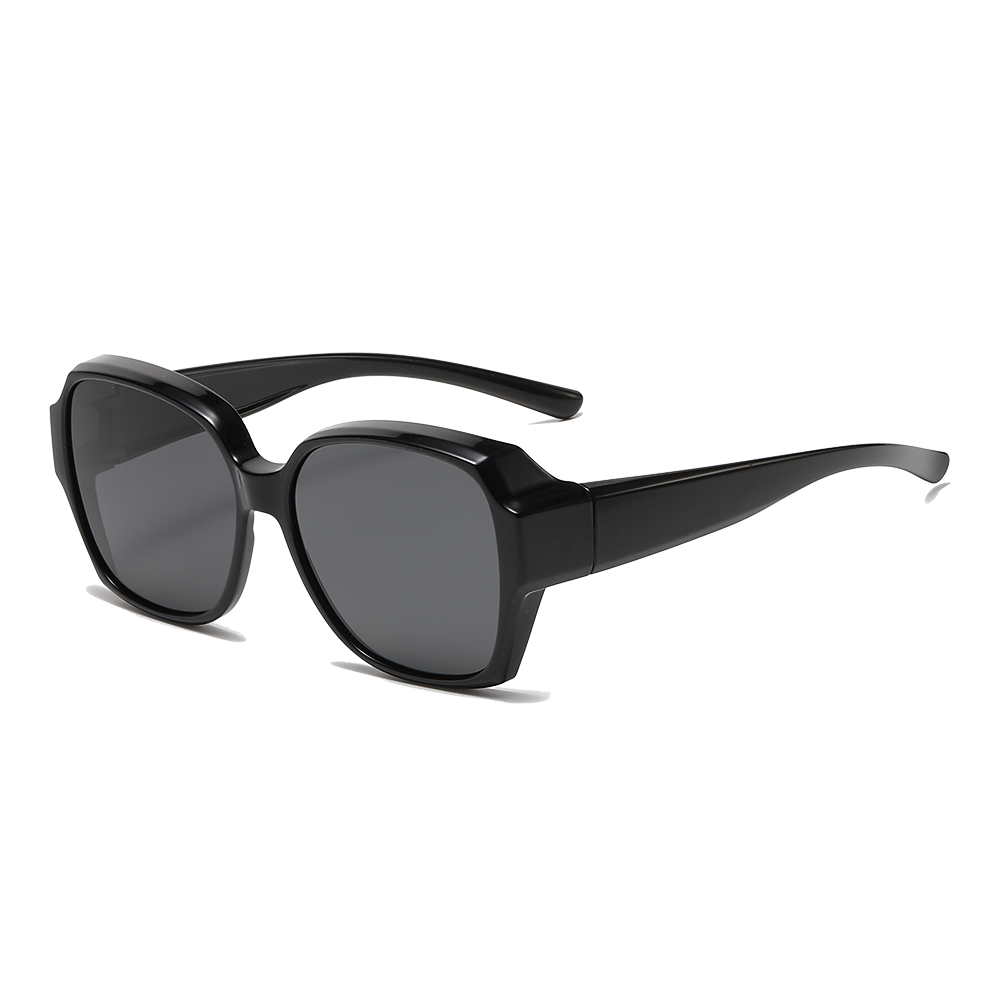
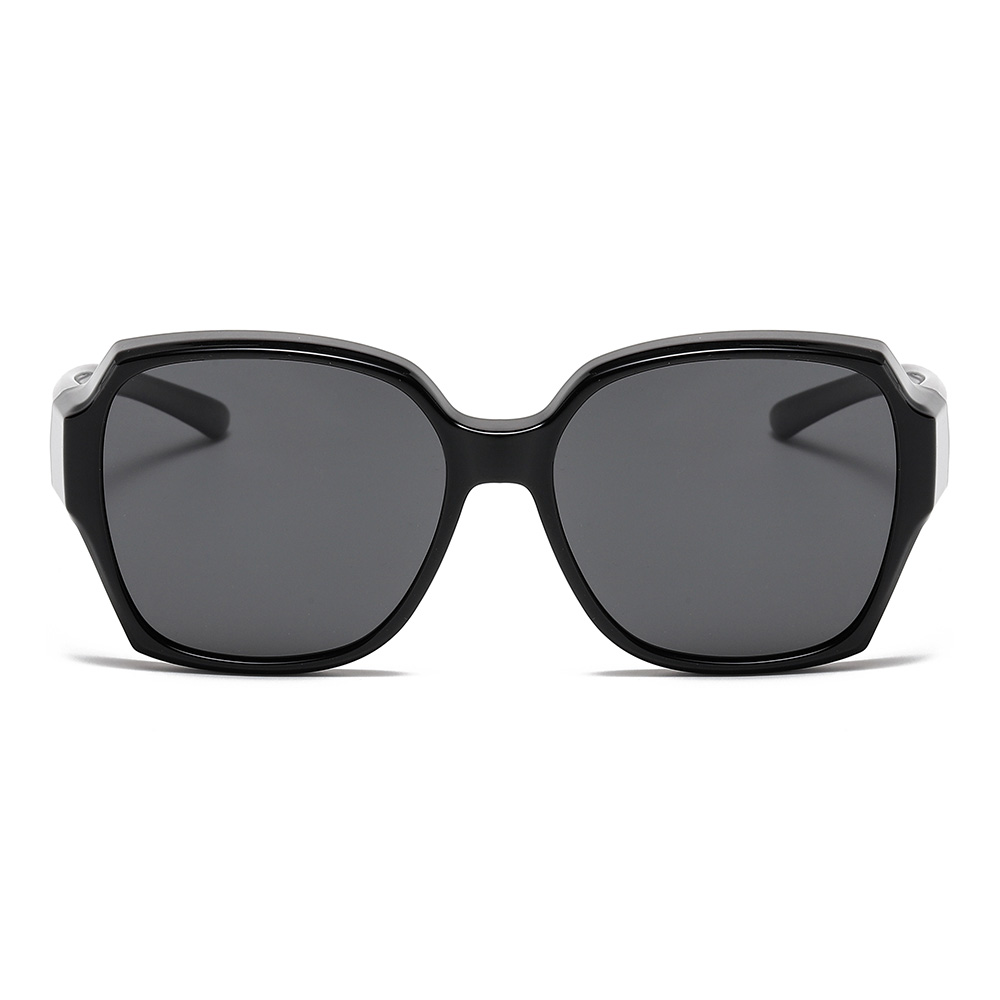
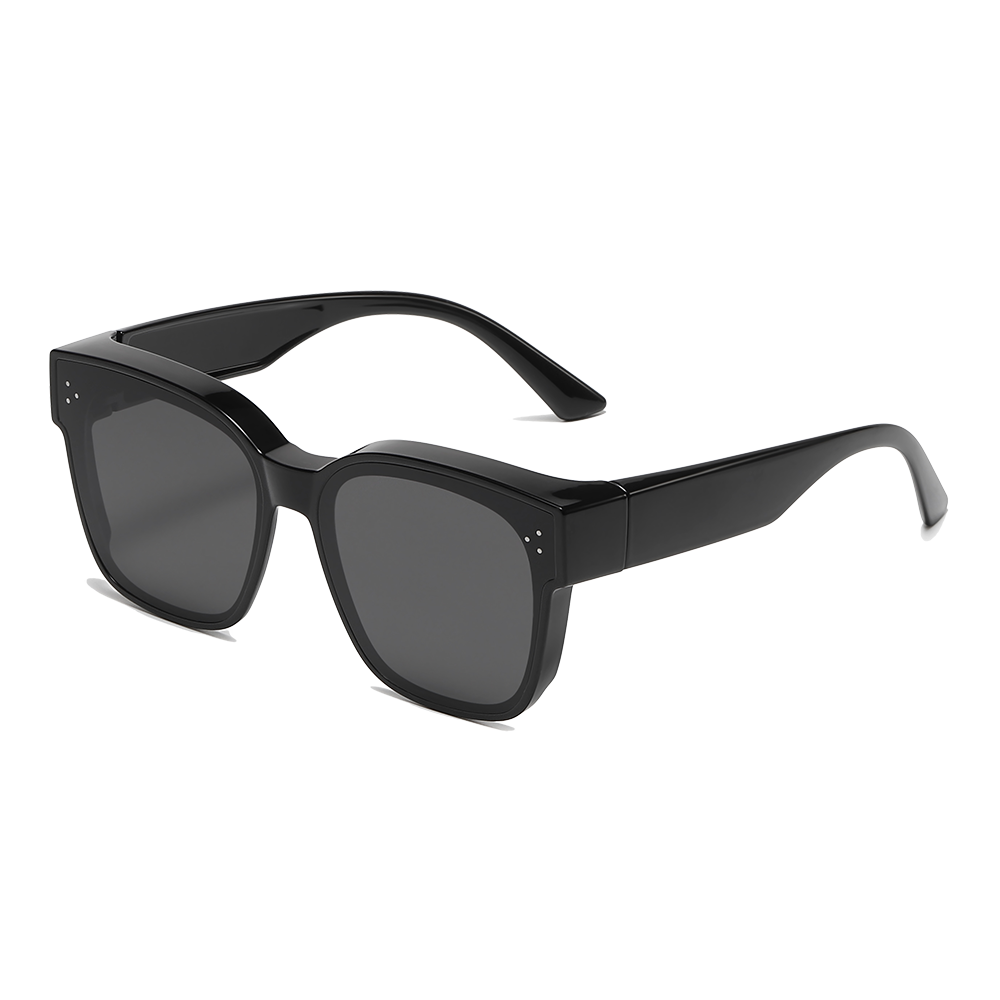
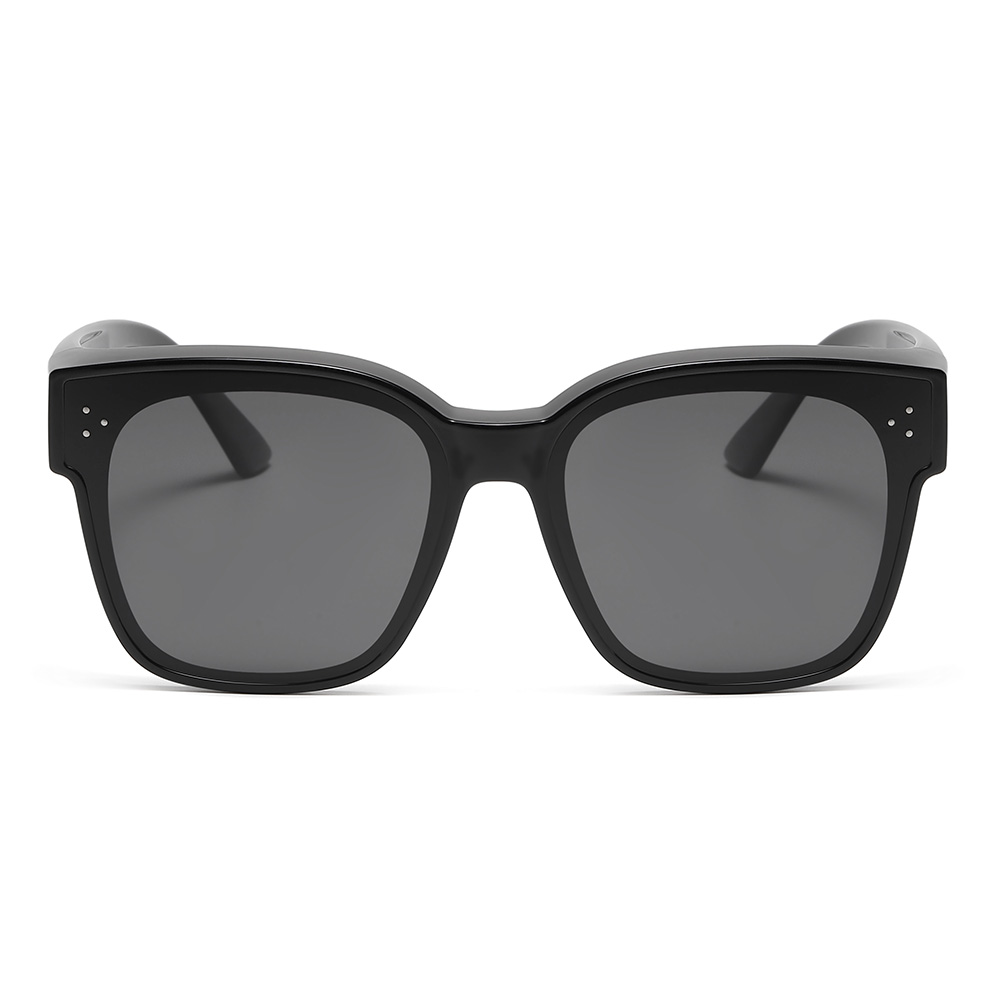
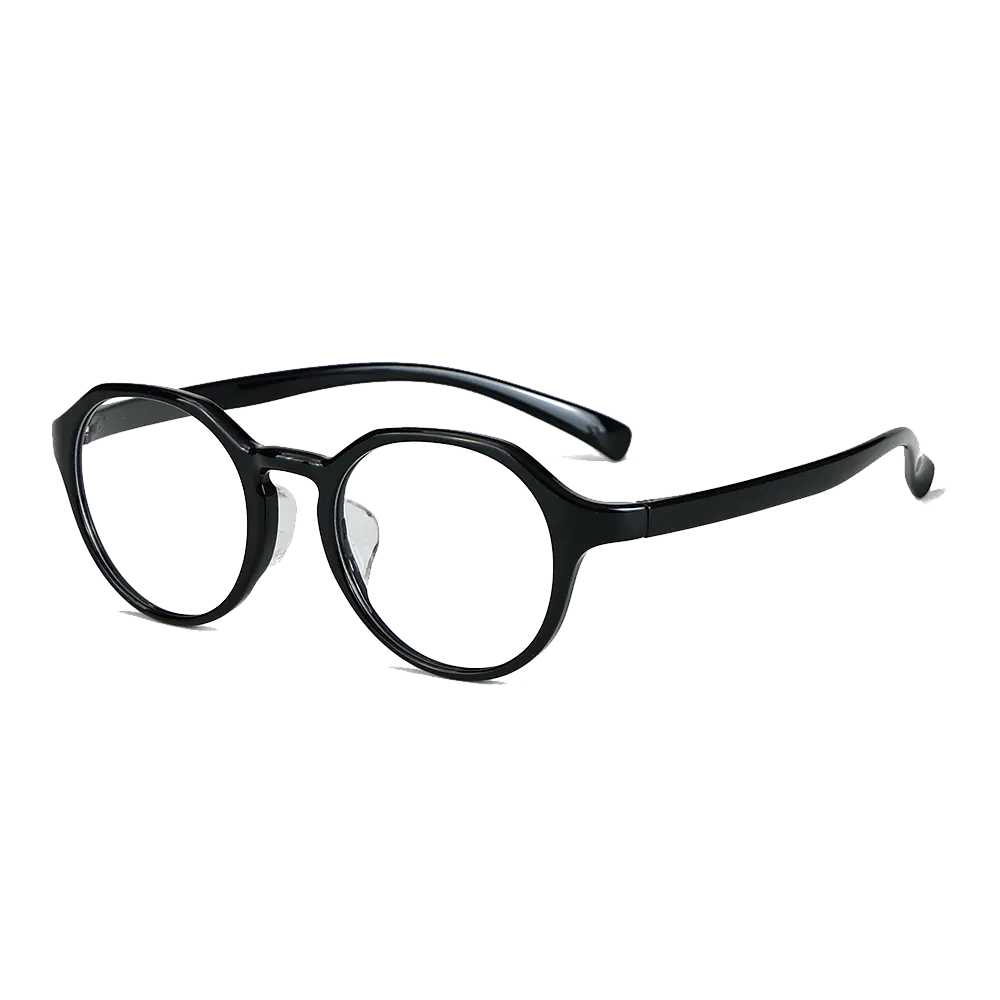
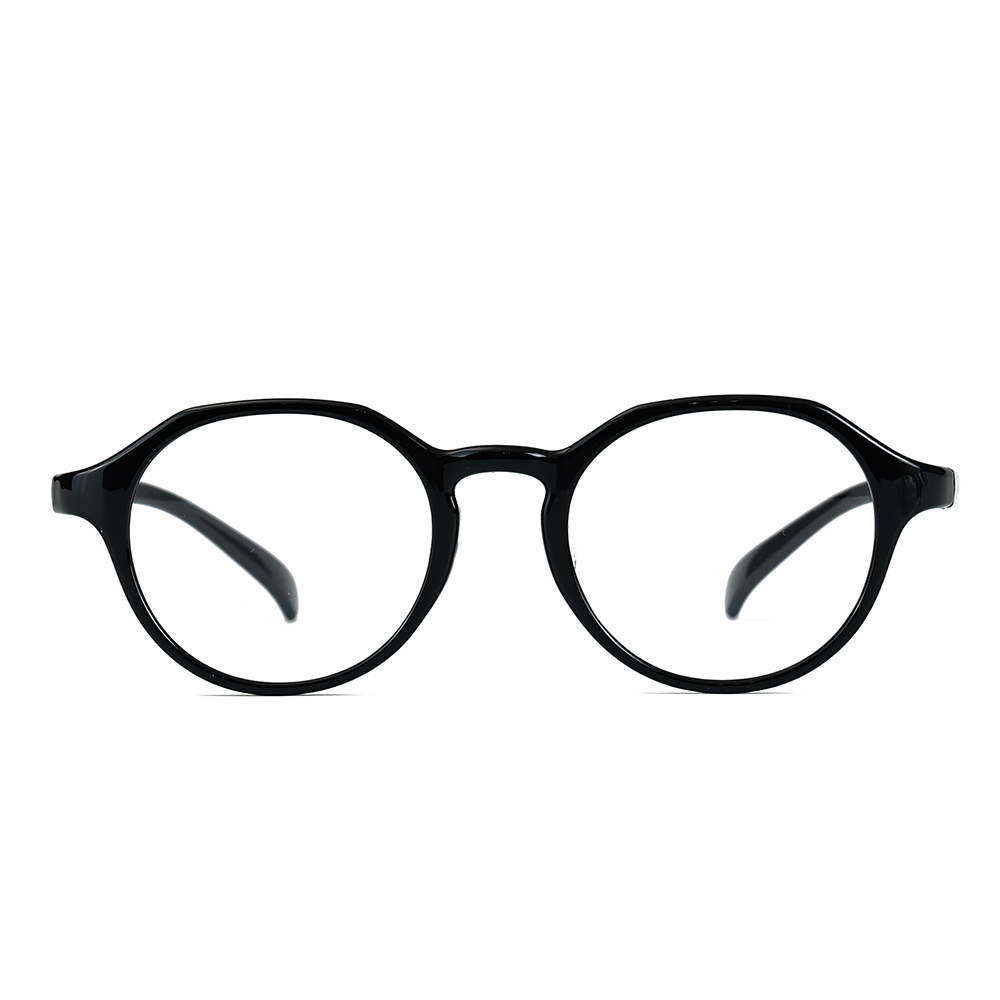
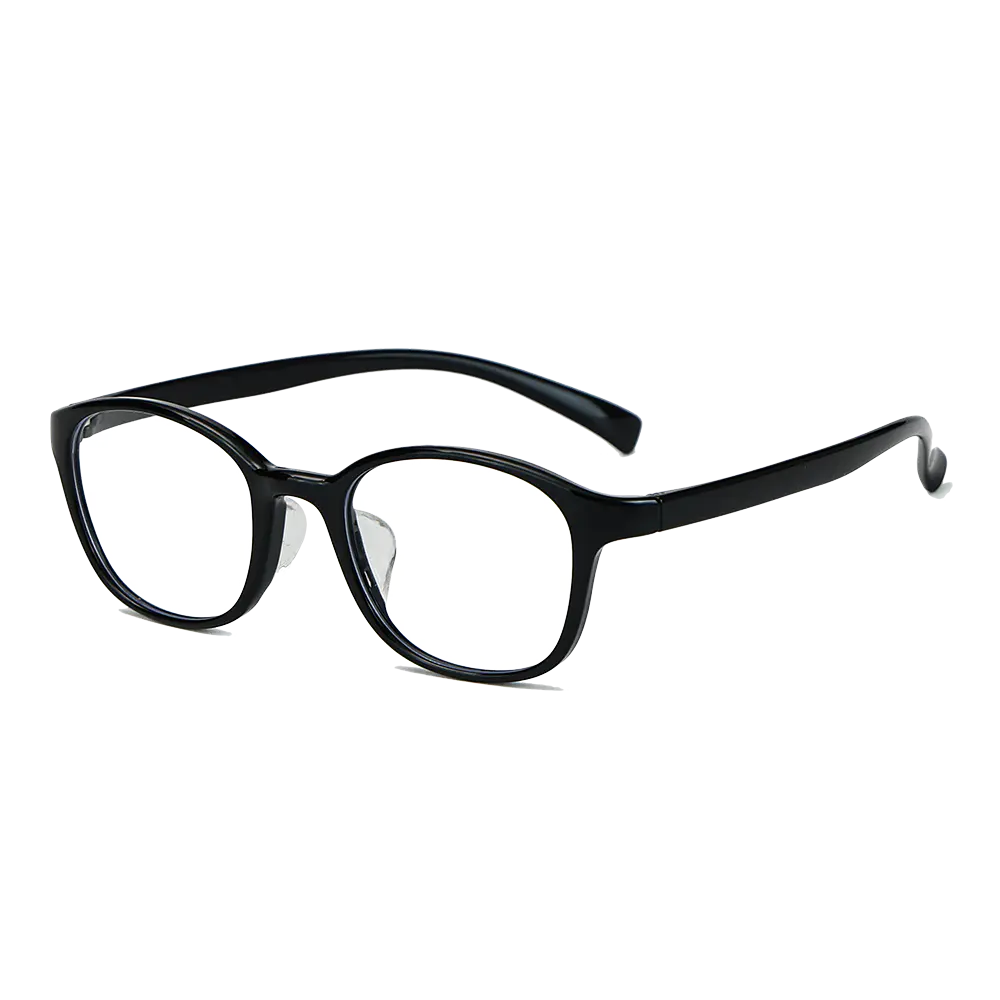
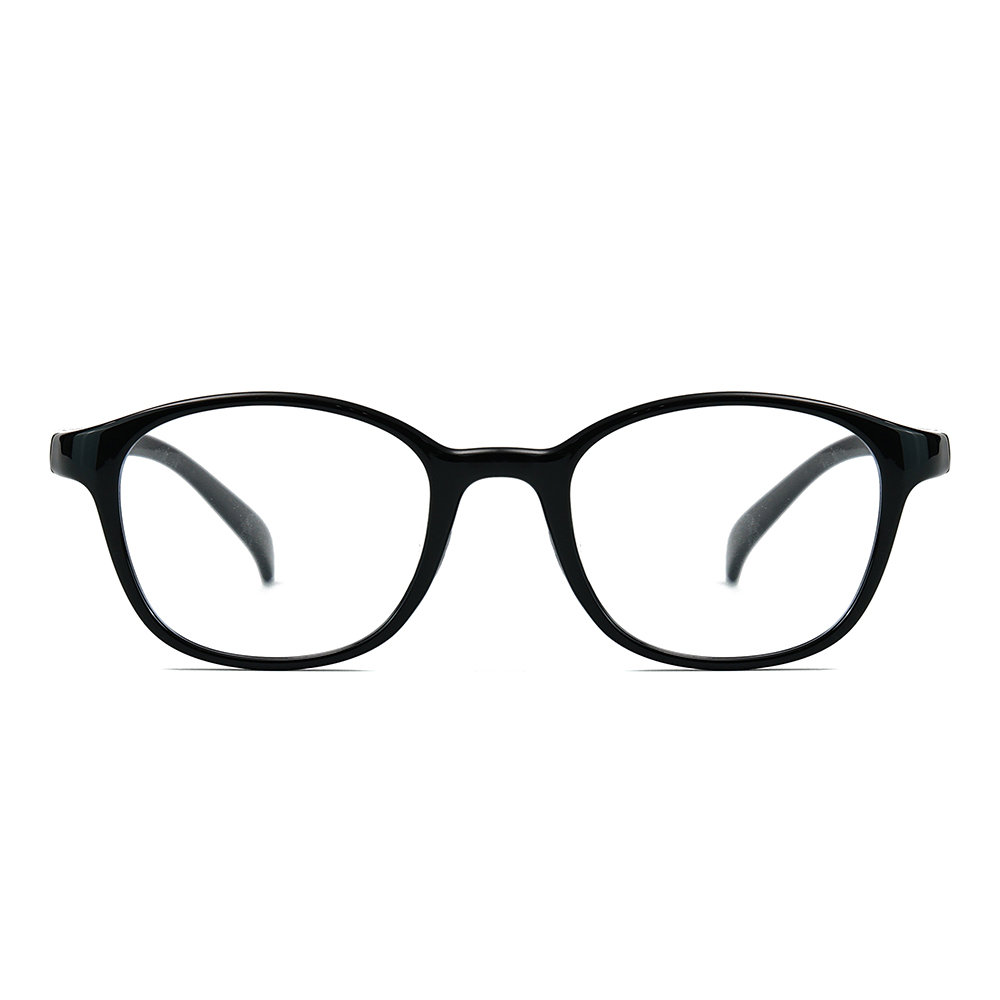
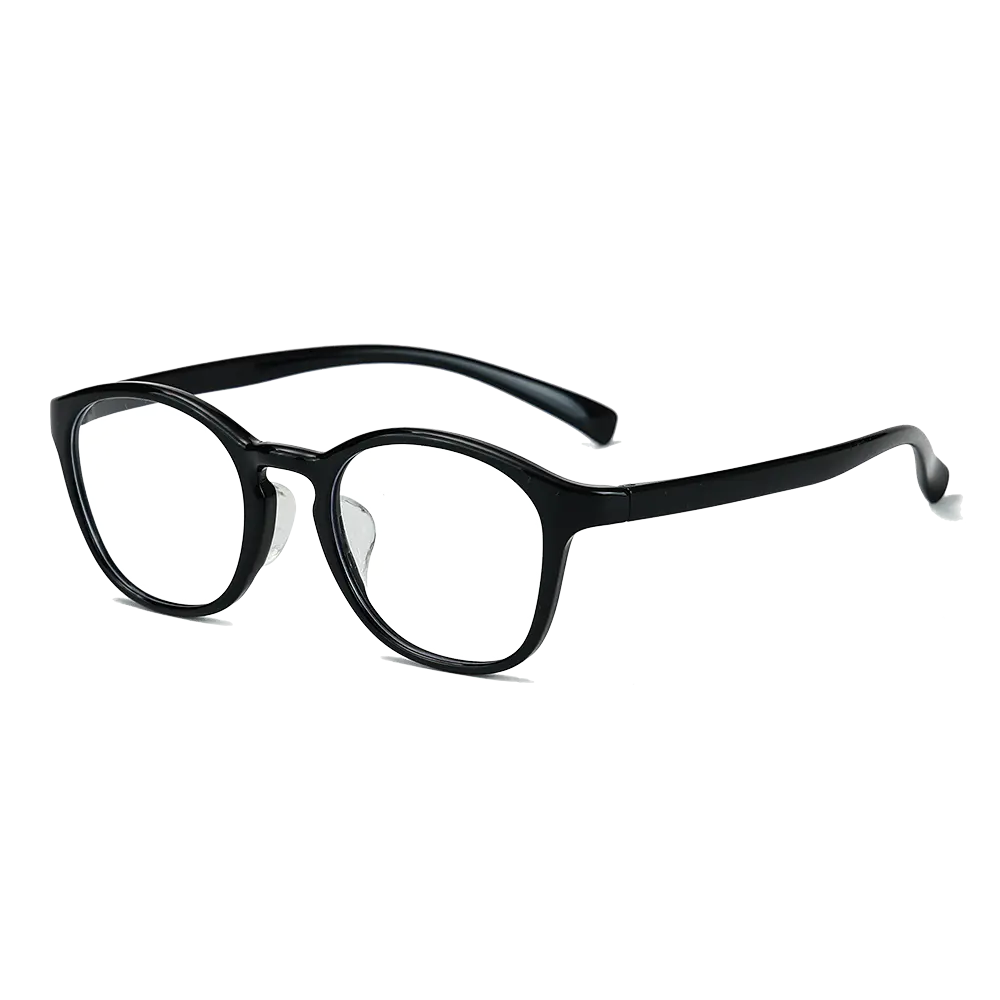
TR90 Clip-On Sunglasses Industry Guide: Frame Structure, Clip-On Design, Materials and Product Development
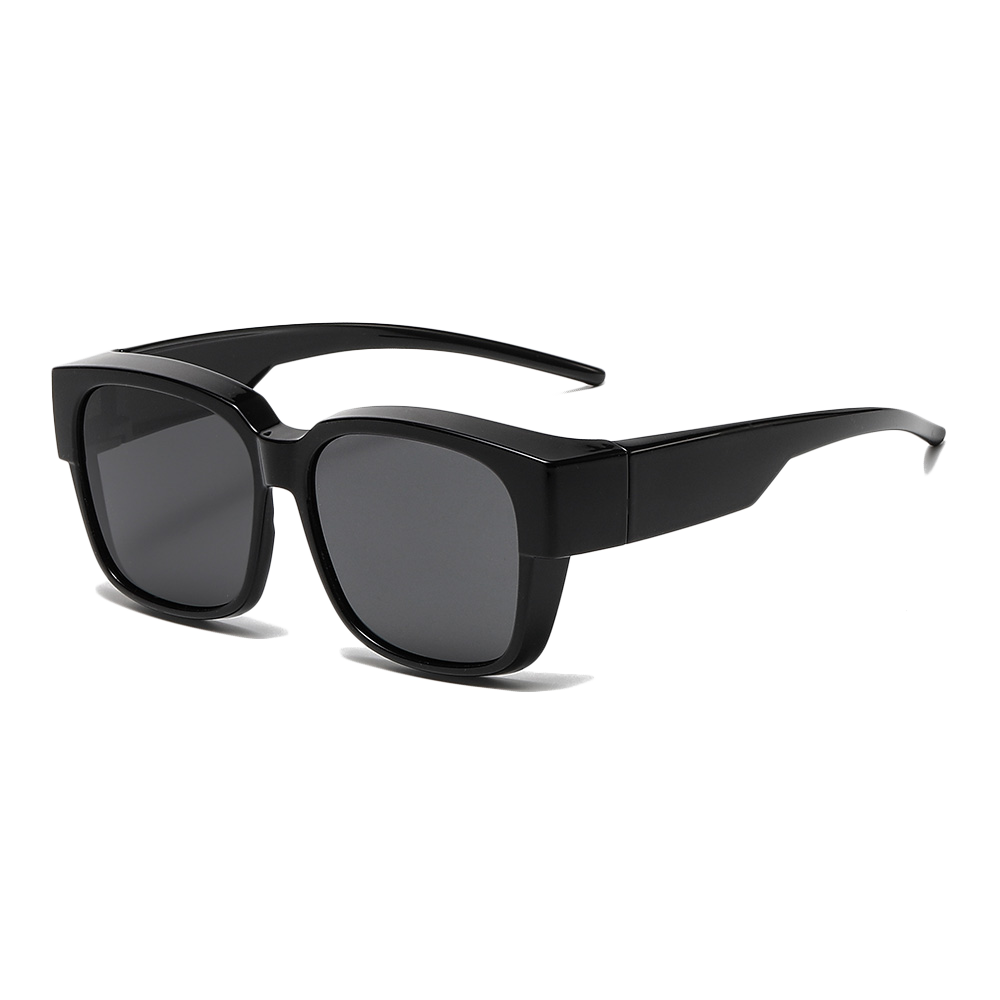
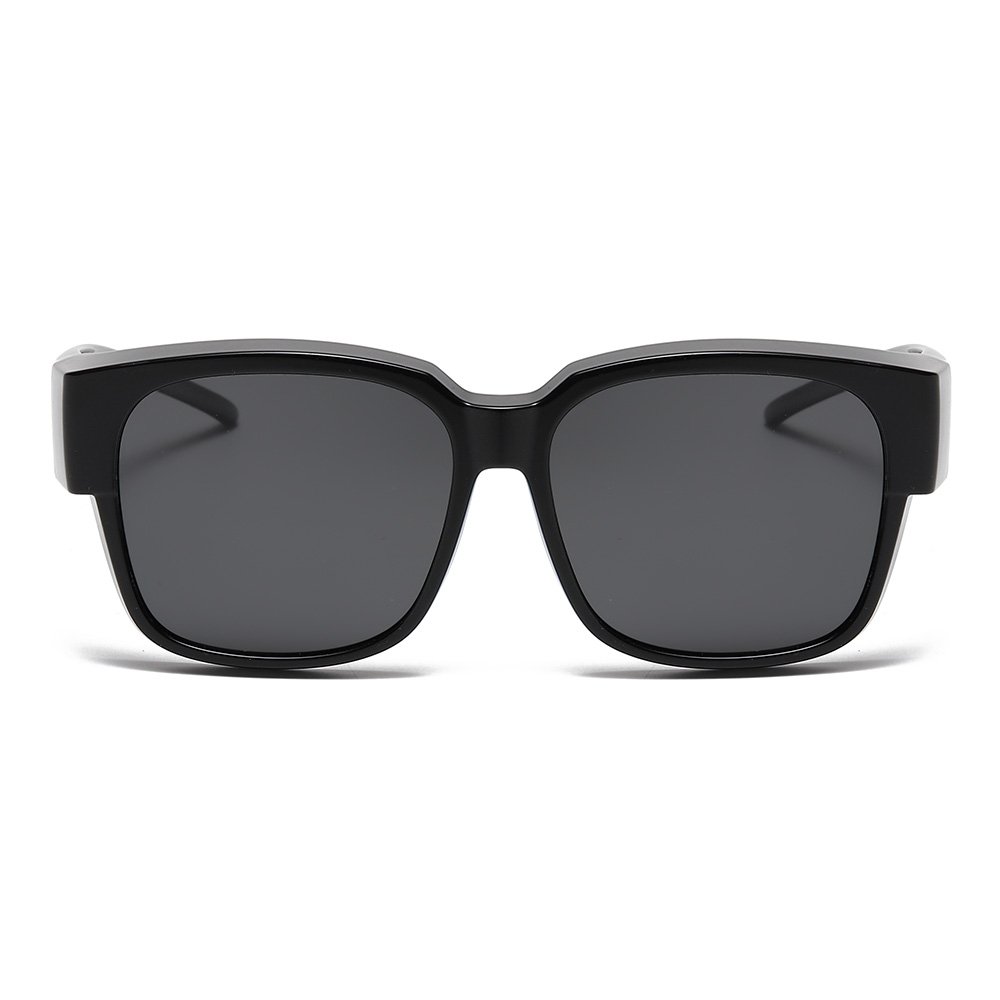
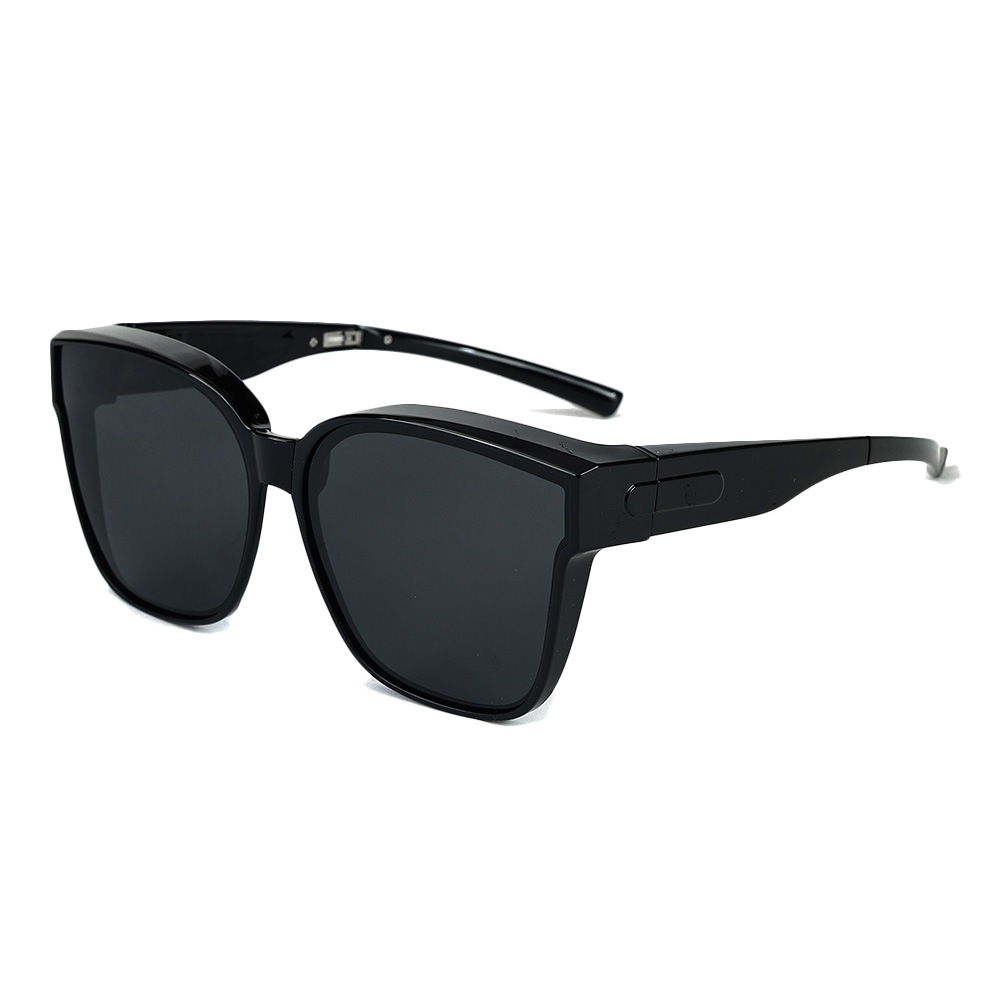
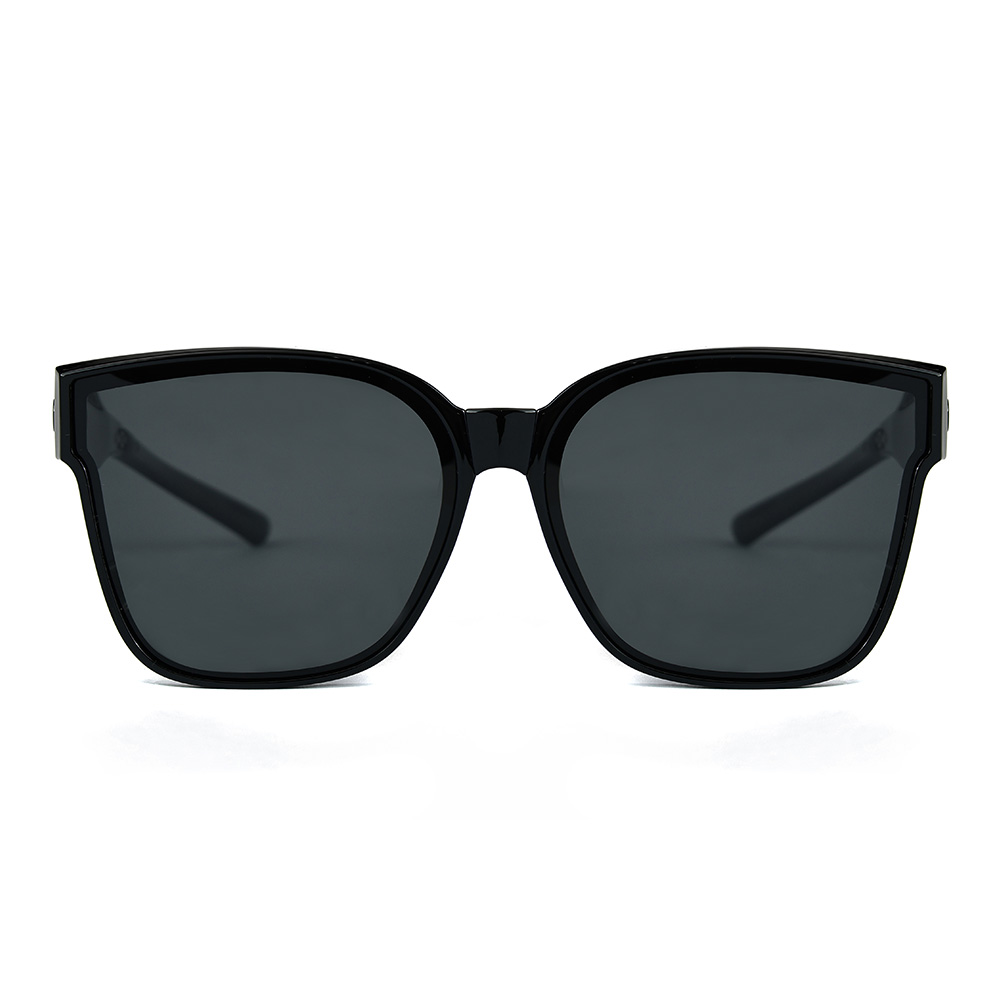
TR90 Clip-On Sunglasses combine a lightweight TR90 frame with a separate clip-on lens component. TR90 is widely used in eyewear manufacturing because it allows factories to develop frames that are light, flexible and adaptable to different shapes. The clip-on component adds another lens configuration to the main frame, giving the product more flexibility in use.
Depending on the product requirements, the lenses can also be configured with the required UV protection, tint, color or other specified functions. These lens properties must be confirmed separately, as neither the TR90 material nor the clip-on structure automatically determines optical performance.
Unlike conventional sunglasses, where the sun lenses are installed permanently inside the main frame, Clip-On TR90 Sunglasses use an additional lens piece positioned over or in relation to the frame. The exact way this component is fitted depends on the product design. When properly developed, the structure can provide a practical approach to changing lens use without replacing the entire frame.
The value of TR90 Clip-On Eyewear comes from the coordination of the complete product, not simply from its material. Important elements include:
- Overall frame dimensions
- Lens opening and lens size
- Clip-on dimensions
- Connection location
- Bridge geometry
- Temple construction
- Lens installation
- Frame curvature
- Left-right symmetry
- Wearing balance
A small dimensional change in one area can influence several others. For example, adjusting the bridge width may change the position of the clip-on component. Increasing the lens size can affect total weight and alter how the frame sits on the nose.
TR90 Clip-On Sunglasses can be developed in many styles, including Square, Round, Oval, Aviator, Geometric, Oversized, Sports, Outdoor, Casual and Minimalist designs. However, clip-on compatibility must always be checked against the dimensions and construction of the individual frame. A clip-on made for one shape or size will not necessarily fit another frame, even when both are made from TR90.
For factories handling OEM/ODM eyewear projects, this category offers a broad range of development possibilities. Buyers can combine different frame shapes, lens colors, clip-on configurations, surface treatments and styling details to create products for specific markets or applications.
Why Is TR90 Suitable for Clip-On Sunglasses?
TR90 is often selected for eyewear products that need a lightweight frame with a useful degree of flexibility. Its molding characteristics also give manufacturers room to develop different frame profiles, lens shapes and temple structures.
In a TR90 clip-on design, the main frame and the additional lens component should be treated as one product system. Developing them separately may lead to alignment, fit or balance problems during sample assembly.
Several areas require particular attention:
- Frame width and overall geometry: These dimensions establish the basic size and shape that the clip-on component must follow.
- Lens opening dimensions: The clip-on lenses should correspond visually and structurally with the main lens area.
- Nose bridge position: Bridge width, height and curvature influence the position of both the frame and clip-on.
- Temple length and curve: Temple geometry affects fit and can compensate for or exaggerate changes in front weight.
- Clip-On dimensions: Width, height, contour and thickness need to match the intended frame.
- Connection position: The connection area determines how the clip-on sits against the frame.
- Lens size and weight: Larger or heavier lenses may change the balance of the finished eyewear.
- Frame curvature: The clip-on profile should follow the front curvature closely enough for the intended construction.
- Nose-pad position: Nose pads influence lens height, front position and pressure distribution.
- Overall symmetry: Left-right consistency is necessary for visual alignment and stable wear.
- Wearing balance: The product should be assessed both with and without the clip-on installed.
An Oversized TR90 Clip-On Sunglasses model, for example, can create a bold visual effect. At the same time, the larger lens area can increase front weight once the clip-on is attached. The bridge, nose pads and temples must therefore be developed with the complete configuration in mind.
Round and Oval frames tend to create a softer, more understated appearance. Square and Geometric frames offer clearer edges and more defined lines, but they can also require stricter alignment between the main frame and clip-on contours.
Aviator designs combine a recognizable lens shape with a molded TR90 construction. In this case, lens height and bridge proportions are particularly important. Sports and Outdoor products may require closer attention to wrap, temple stability, facial fit and practical lens dimensions.
TR90 should therefore be selected as part of the complete frame-and-lens solution. Material choice alone cannot determine whether the clip-on structure will fit correctly or whether the final product will feel balanced.
ZhanSheng pays attention to manufacturing details such as material selection, frame curvature, polishing, assembly fit and surface finishing. These areas are particularly relevant to TR90 Clip-On Sunglasses because the main frame and clip-on component must remain visually and structurally coordinated throughout development and production.
Key Features of TR90 Clip-On Sunglasses
Clip-On Frame vs. Standard Fixed Frame
A Clip-On Frame works with an additional lens component that is designed for the main frame. Depending on the construction, this component can provide an alternative lens-use configuration without requiring the user to change the complete pair of eyewear.
A standard fixed sunglasses frame normally has its sun lenses installed directly into the frame. Those lenses remain part of the main construction during regular use.
The structural differences are summarized below:
| Feature |
TR90 Clip-On Sunglasses |
Standard TR90 Sunglasses |
| Main frame |
TR90 |
TR90 |
| Lens structure |
Includes an additional Clip-On component |
Lenses are fixed in the main frame |
| Lens-use configuration |
Can change according to the specific design |
Remains fixed within the frame |
| Frame development |
Main frame and clip-on must be developed to match |
Focuses on frame geometry and lens installation |
| Compatibility |
Depends on frame and clip-on dimensions |
Depends on frame and fixed-lens dimensions |
| Development focus |
Clip-on position, fit, dimensions and lens assembly |
Frame geometry, lens fit and wearing balance |
| UV specification |
Determined by the selected lens specification |
Determined by the selected lens specification |
The presence of a clip-on component should not be used as automatic proof that a product is lighter, stronger, more durable or more convenient. These qualities depend on the actual frame design, component dimensions, connection method, lens specification and manufacturing quality.
Lightweight TR90 Frame and Portability
TR90 is frequently used when a product brief calls for a lightweight frame. This can be useful for clip-on eyewear because the additional lens component adds material and weight to the front of the product.
However, low frame weight alone does not guarantee comfort. The way the weight is distributed matters just as much as the final number on a scale.
The finished wearing experience is influenced by:
- Lens width and height
- Overall frame width
- Temple construction
- Bridge geometry
- Nose-pad position
- Weight of the clip-on component
- Front curvature
- Left-right symmetry
- Position of the lenses
Once the clip-on lens is attached, the center of gravity may move forward. This can change nose pressure, temple contact and the position of the frame on the wearer’s face. The effect may be limited on a small frame, but it can become more noticeable with Oversized or deep-lens designs.
For this reason, sample inspection should cover two conditions:
- The main frame without the clip-on component.
- The complete eyewear with the clip-on component installed.
Fit, lens height, temple position and overall balance should be checked in both states.
A compact Foldable TR90 Clip-On Sunglasses concept can also be developed for travel or portable use. However, “foldable” and “clip-on” describe different structural ideas. The actual folding mechanism, clip-on arrangement and storage dimensions must be confirmed from the individual design rather than assumed from the product name.
Clip-On Structure and Connection Stability
The Clip-On component is a central part of the complete eyewear construction. Its dimensions, position and method of attachment directly affect appearance, handling and wearing balance.
During product development, the factory should review:
- Clip-on width and height
- Installation position
- Connection area
- Alignment with the main frame
- Lens position
- Frame symmetry
- Installation condition
- Removal condition
- Wearing balance after installation
The clip-on should sit in the intended position without obvious left-right deviation. Lens contours should correspond with the main frame, and the component should not create unnecessary contact with the frame surface unless the design specifically requires it.
The connection method must be described according to the actual product. Not all Clip-On Sunglasses use magnets. Depending on the construction, a product may use another type of mechanical, positional or structural connection. Calling every clip-on model “magnetic” can create inaccurate product information and unnecessary confusion during procurement.
Sample evaluation is usually more effective when completed in stages. The main frame should first be inspected on its own. The clip-on component can then be installed and checked separately.
This approach makes it easier to identify whether the additional component changes:
- Frame position
- Lens height
- Front weight
- Left-right alignment
- Wearing balance
- Overall visual appearance
Connection stability should be assessed against the approved design and product specification. It should not be described using unsupported performance claims.
TR90 Frame Surface Finish and Appearance
TR90 frames can be manufactured in a wide range of colors and finishes, allowing the same basic frame structure to support different product styles.
Common design directions include:
- Matte finishes
- Gloss finishes
- Transparent colors
- Gradient effects
- Solid colors
- Mixed-color combinations
A matte black frame, for example, can create a practical or understated appearance. Transparent and gradient colors may suit fashion-oriented collections, while mixed-color combinations can give the frame a more recognizable visual identity.
Surface consistency remains important across all styles. Visible differences in color, gloss or texture can make the finished product appear uneven, particularly where the front frame and temples meet.
For clip-on eyewear, the relationship between frame color and lens color also affects the final appearance. The clip-on can be designed to blend with the main frame or create a deliberate contrast. Either direction should be confirmed during sample development rather than judged from individual color samples alone.
Edge finishing, polishing and surface texture influence both appearance and handling. Rough edges, visible polishing marks or inconsistent gloss can reduce the perceived quality of an otherwise correctly assembled frame.
These details should therefore be inspected together with frame geometry, lens fit and clip-on dimensions.
Portable Clip-On Eyewear Design
One of the main ideas behind clip-on eyewear is the ability to provide more than one lens-use configuration within a coordinated product.
To make that concept practical, the clip-on component should be developed in relation to:
- Overall frame width
- Main lens shape
- Bridge position and dimensions
- Clip-on size
- Clip-on lens dimensions
- Installation position
- Storage and packaging requirements
Portability is not determined by the clip-on dimensions alone. The complete product includes the frame, main lenses, additional lens component and the case or packaging used to store them.
A slim clip-on may still require a relatively large case when paired with an Oversized frame. In contrast, a more compact frame-and-clip-on combination may support smaller packaging and easier storage.
For travel-focused products, factories and buyers should review the complete packed dimensions. The case should protect the frame and lenses, hold the clip-on securely and avoid unnecessary pressure on the connection areas.
When these elements are properly coordinated, a compact TR90 frame and correctly sized clip-on component can support a product direction centered on flexible use, travel convenience and efficient storage.
TR90 Clip-On Frame Shapes and Product Development
Different frame shapes can be combined with a Clip-On structure, but each shape creates its own development requirements.
| Frame Shape |
Visual Direction |
Development Considerations |
| Square |
Defined and structured |
Frame width, lens corners and clip-on alignment |
| Round |
Soft and classic |
Circular lens profile, bridge position and clip-on curve |
| Oval |
Balanced and understated |
Lens proportions and front curvature |
| Aviator |
Classic and recognizable |
Lens height, bridge construction and clip-on dimensions |
| Geometric |
Modern and distinctive |
Corner geometry, symmetry and component alignment |
| Oversized |
Strong visual presence |
Lens area, total weight and wearing balance |
| Sports |
Functional appearance |
Fit, frame curvature and stability |
| Outdoor |
Practical design |
Frame dimensions, lens specification and fit |
A Square TR90 Clip-On Sunglasses design usually needs accurate alignment around the lens corners. Even a small positional difference may be more visible on a frame with straight lines and angular contours.
A Round TR90 Clip-On Sunglasses design requires close control of the relationship between the circular lens profile and the curve of the additional component. If the two curves do not correspond, the misalignment can be easy to notice.
For Aviator TR90 Clip-On Sunglasses, lens height and bridge geometry play a major role in the final proportions. The clip-on should follow the intended aviator shape without interfering with the bridge or appearing visually detached from the main frame.
With Oversized TR90 Clip-On Sunglasses, the larger lens area can increase the weight of the additional component. Frame width, nose support and temple balance should therefore be reviewed as one system.
The same principle applies to Geometric, Sports and Outdoor models. Frame shape, lens dimensions, clip-on configuration and wearing requirements should be developed together rather than treated as separate decisions.
TR90 Clip-On Sunglasses: Frame Structure and Manufacturing Considerations
Frame Geometry
Frame geometry establishes the relationship between the lens openings, bridge, temples and clip-on component. It is one of the first areas that should be confirmed during product development.
Production checks should include:
- Overall frame width
- Lens opening dimensions
- Left-right symmetry
- Front curvature
- Bridge location
- Temple alignment
These details affect how the clip-on component sits against the main frame. A change in front curvature, for example, may require a corresponding change to the clip-on profile.
Dimensional consistency is also important during production. If the frame width or lens opening varies beyond the approved range, clip-on fit may become inconsistent from one unit to another.
Nose Bridge Structure
The nose bridge influences frame height, lens position and how the eyewear rests on the face. In clip-on products, it can also affect the position and available clearance of the additional lens component.
Bridge dimensions should be reviewed together with:
- Main lens shape
- Clip-on profile
- Nose-pad position
- Frame curvature
- Intended wearing height
A bridge change that appears minor on a drawing may alter the relationship between the main frame and clip-on once the parts are assembled. It should therefore be evaluated using the complete sample.
Temple Structure
Temple length, thickness and curvature affect fit, frame position and the overall appearance of the eyewear.
For a TR90 Clip-On design, the temples also help balance the additional weight at the front. Their shape should provide an appropriate wearing position without creating excessive side pressure.
Temple alignment should be checked before and after the clip-on component is installed. If the front weight causes the frame position to change significantly, the temple or bridge design may need adjustment.
Clip-On Structure
The clip-on component should be assessed according to its actual dimensions, lens profile, connection concept and installation position.
The main question is not simply whether a product includes a clip-on. What matters is whether that component correctly matches the frame geometry and performs as intended within the approved design.
During sample development, attention should be given to:
- Overall clip-on size
- Lens contour
- Left-right symmetry
- Connection position
- Clearance from the frame
- Installation and removal
- Visual alignment
The clip-on should be developed specifically for the corresponding frame unless the design has been verified for broader compatibility.
Nose Pads
Nose-pad position, angle and spacing influence wearing height and frame stability.
When the clip-on component is installed, the main frame and additional lens should remain in the intended position. If the extra front weight causes the frame to sit lower, nose-pad geometry may need to be reviewed.
For projects intended for particular markets or fit profiles, bridge and nose-pad dimensions should be included in the product specification.
Lens Installation
Lens installation should be inspected for:
- Lens-to-frame fit
- Left-right consistency
- Lens alignment
- Edge fit
- Overall assembly condition
The lenses should sit securely and consistently within the intended structure. Visible gaps, uneven edges or incorrect orientation can affect both appearance and assembly quality.
For clip-on products, the factory should also inspect the relationship between the clip-on lens and its supporting structure. The lens contour, position and edge condition should match the approved sample.
Surface Finishing
Polishing, coating, texture and other finishing processes contribute to the appearance and handling quality of the TR90 frame.
Production inspection should cover:
- Color consistency
- Gloss or matte level
- Edge condition
- Surface marks
- Texture uniformity
- Finishing around connection areas
Color coordination is especially important when one frame is paired with several clip-on lens colors. The full assembled product should be reviewed because the appearance of a frame color can change when placed next to dark, gradient or brightly colored lenses.
TR90 Clip-On Sunglasses Production Inspection Checklist
A structured sample inspection helps confirm whether the physical product matches the approved specifications and design intent.
| Inspection Area |
What to Check |
| Frame geometry |
Width, shape, curvature and left-right symmetry |
| Lens installation |
Lens fit, alignment, orientation and assembly |
| Clip-On component |
Size, position, alignment and installation condition |
| Connection area |
Fit and consistency according to the actual construction |
| Nose bridge |
Position, dimensions and curvature |
| Nose pads |
Position, spacing and angle |
| Temples |
Length, curvature and alignment |
| Surface finish |
Color consistency, polishing, texture and edge quality |
| Wearing balance |
Frame position with and without the clip-on installed |
| Overall appearance |
Coordination between frame, lenses and clip-on component |
Inspection results should be compared with the approved specification and reference sample. The purpose is not to give the product an assumed performance rating, but to determine whether its dimensions, assembly, appearance and wearing condition meet the intended design.
How to Choose the Right Frame Material for Sunglasses?
TR90 is one of several materials available for sunglasses development. Each material supports different structural, visual and manufacturing directions.
| Frame Material |
General Characteristics |
Common Designs |
Suitable Product Direction |
| TR90 |
Lightweight, flexible and adaptable to molded designs |
Square, Round, Sports, Clip-On |
Daily, Outdoor, Portable |
| Metal |
Slim construction with fine, defined lines |
Aviator, Round, Geometric |
Fashion, Classic |
| PC |
Lightweight and suitable for molded structures |
Oversized, Fashion |
Fashion, Lightweight |
| Nylon |
Lightweight with a degree of flexibility |
Outdoor, Functional |
Outdoor, Functional |
| Acetate |
Rich surface appearance and broad color possibilities |
Fashion, Premium Style |
Design-oriented |
| Titanium / Half Titanium |
Lightweight metal construction |
Thin Frame, Minimal |
Lightweight metal eyewear |
| Composite Structure |
Combines properties of different materials |
Mixed Material |
Differentiated development |
This comparison is provided as a general industry reference. It should not be read as confirmation that every listed material is currently used in every product manufactured by Zhejiang Zhan Sheng Glasses Co., Ltd.
The right material depends on the complete product specification. Frame geometry, lens size, clip-on configuration, connection components, temples, nose pads, surface treatment and target price all need to be considered.
For clip-on eyewear, material selection should also take account of the additional front component. A lightweight main frame can help manage total weight, but fit and balance still depend on the complete assembled product.
Where Can TR90 Clip-On Sunglasses Be Used?
TR90 Clip-On Sunglasses can be developed for a range of lifestyle, travel and outdoor product directions.
| Application |
Product Direction |
Key Considerations |
| Daily Commuting |
TR90 Clip-On Sunglasses |
Weight, flexible lens use and lens color |
| Driving |
TR90 Clip-On Sunglasses |
Lens specification, field of view and fit |
| Travel |
Lightweight Clip-On TR90 Frame |
Frame dimensions, weight and portability |
| Outdoor |
TR90 Clip-On Sunglasses |
Frame stability, lens requirements and UV specification |
| Beach / Water |
Clip-On TR90 Sunglasses |
Reflective conditions, lens specification and handling |
| Sports |
Sports TR90 Clip-On Sunglasses |
Frame fit, flexibility and stability |
| Casual Wear |
Round / Oval / Square TR90 |
Appearance, frame color and styling |
| Fashion Use |
Geometric / Colored Lens |
Frame shape, color and visual effect |
| Business Travel |
Compact TR90 Clip-On Sunglasses |
Dimensions, appearance and flexible use |
For commuting, the clip-on concept can provide a practical way to move between different lens-use conditions. For travel, the focus may be on low weight, efficient packaging and convenient storage.
Outdoor and beach-oriented products require greater attention to the selected lens specification and the way the additional component is handled or stored. Sports products may place more emphasis on frame wrap, temple stability and fit during movement.
The clip-on function itself does not provide UV protection. UV performance depends on the lenses and must be confirmed through the applicable specification or testing requirement. Lens darkness and color are visual characteristics and should not be treated as proof of UV400 protection.
TR90 Clip-On Sunglasses vs. Standard TR90 Sunglasses
Both product categories can use a TR90 main frame. The principal difference is the way the sun-lens function is incorporated into the product.
| Comparison |
TR90 Clip-On Sunglasses |
TR90 Standard Sunglasses |
| Frame material |
TR90 |
TR90 |
| Frame structure |
Includes a Clip-On configuration |
Uses a standard fixed construction |
| Lens installation |
Clip-on lens works with the frame according to the design |
Sun lenses are installed directly into the frame |
| Use configuration |
Can provide an additional lens-use condition |
Maintains a fixed lens condition |
| Portability |
Suitable for flexible-use product concepts |
Suitable for conventional carrying |
| Lens colors |
Gray, Brown, Green, Gradient, Colored, etc. |
Gray, Brown, Green, Gradient, Colored, etc. |
| UV protection |
Determined by the lens specification |
Determined by the lens specification |
| Lightweight concept |
Can be supported by TR90 frame development |
Can be supported by TR90 frame development |
| Development focus |
Clip-on fit, frame matching, lens size and installation |
Frame geometry, lens installation and wearing balance |
| Sample inspection |
Frame, clip-on, connection area and lens assembly |
Frame dimensions, lenses, hinges and symmetry |
Clip-On and Standard identify different structural configurations. Neither term provides an automatic indication of weight, strength or durability.
Those characteristics should be assessed from the actual material specification, frame geometry, lens dimensions, connection design, assembly condition and test requirements.
How to Choose TR90 Clip-On Sunglasses?
When reviewing a TR90 Clip-On Sunglasses model, buyers should evaluate the complete frame-and-clip-on system rather than concentrating only on the TR90 material.
1. Confirm the Frame Dimensions
Begin by checking the main measurements:
- Overall frame width
- Lens width
- Bridge dimensions
- Temple length
- Frame curvature
These measurements establish the basic geometry for clip-on compatibility. They also provide a reference for reviewing fit, balance and packaging.
Dimensions should be taken from the approved specification or sample. Product names such as Square, Round or Oversized are useful style descriptions, but they do not provide enough information to confirm compatibility.
2. Check Clip-On Compatibility
The clip-on component should correspond with:
- Main lens shape
- Frame width
- Bridge location
- Front curvature
- Installation position
- Clip-on dimensions
Not every TR90 frame can accept a Clip-On structure. Even frames with a similar appearance may differ in curvature, bridge position or lens size.
Compatibility should therefore be confirmed through drawings, measurements and physical sample assembly.
3. Evaluate Lens Size and Weight
Larger lenses can add visual impact, but they also increase the size and possible weight of the clip-on component.
Once installed, the additional lens may move the product’s center of gravity forward. This can influence nose pressure, frame position and temple balance.
Oversized designs require particular attention because a relatively small change in lens dimensions may have a noticeable effect on the overall product.
4. Review the Wearing Balance
The frame should be evaluated first without the clip-on and then with the complete component installed.
Check:
- Lens height
- Frame position
- Nose contact
- Temple position
- Left-right alignment
- Overall balance
The clip-on should not cause an unacceptable change in the intended wearing position. Any difference should be reviewed against the approved product design.
5. Confirm Lens Specifications
UV protection must be confirmed through the actual lens specification.
A dark, mirrored, gradient or colored lens does not automatically provide UV400 protection. Lens appearance and UV performance are separate characteristics.
Where specific protection or testing is required, it should be written clearly in the OEM/ODM specification and confirmed through the appropriate inspection or documentation process.
6. Review Surface and Assembly Quality
Inspect the complete product for:
- Frame color consistency
- Edge finishing
- Polishing quality
- Lens installation
- Frame symmetry
- Clip-on alignment
- Connection condition
- Overall assembly
The main frame and clip-on component should also be reviewed together under consistent lighting. This makes color, alignment and surface differences easier to identify.
7. Confirm OEM/ODM Development Requirements
For a customized TR90 Clip-On Sunglasses project, the buyer should provide clear information covering:
- Frame shape
- Frame dimensions
- Clip-on dimensions
- Lens color
- Lens specification
- Surface finish
- Temple design
- Nose-pad design
- Packaging dimensions
- LOGO placement or other appearance requirements
A detailed specification gives the factory a more reliable basis for evaluating structure and compatibility. It also reduces uncertainty during sampling, quotation and production preparation.
TR90 Clip-On Sunglasses for OEM/ODM Product Development
For an eyewear manufacturer, developing TR90 Clip-On Sunglasses involves much more than selecting TR90 as the frame material.
A typical development path may follow this sequence:
Frame Concept → Geometry → Clip-On Configuration → Lens Dimensions → Sample Assembly → Wearing Evaluation → Detail Adjustment → Production Preparation
Each stage is connected to the next. Frame and clip-on compatibility should therefore be reviewed throughout the process, not only after the first sample has been assembled.
For example:
- Changing the frame width may require the clip-on width to be adjusted.
- Modifying the lens shape can alter the clip-on contour.
- Increasing lens dimensions may add front weight and change wearing balance.
- Adjusting the bridge can affect the position of the main frame and additional lens.
- Changing the front curvature may require a new clip-on profile.
- Selecting a different surface finish may influence color coordination and connection clearance.
Early communication between the buyer, designer and factory can reduce unnecessary revisions. Drawings, dimensional specifications, color references, lens requirements and packaging expectations should be shared before sample development whenever possible.
The sample stage remains especially important. Drawings can define dimensions, but the physical sample reveals how the frame, clip-on, lenses and temples behave together. Wearing position, installation feel, alignment and overall appearance should all be reviewed before production approval.
TR90 Clip-On Eyewear is therefore a category in which frame development, lens configuration and assembly control must be closely coordinated.
Zhansheng can approach development through frame geometry, material selection, surface treatment, lens installation and assembly coordination. For OEM/ODM projects, the approved product specification and confirmed sample should remain the main references for decisions concerning material, structure, lenses, appearance and finishing.
TR90 Clip-On Sunglasses bring together a TR90 main frame, a separate Clip-On structure, lens configuration, frame geometry and assembly requirements within one product.
TR90 can support lightweight and flexible frame concepts, while the Clip-On component introduces an additional approach to lens use. Neither element should be judged in isolation. The quality and practicality of the finished product depend on how well the parts work together.
During product development, attention should be given to:
- TR90 frame geometry
- Overall frame dimensions
- Clip-on width, height and contour
- Lens size and weight
- Lens specification
- Bridge construction
- Temple design
- Connection position
- Lens installation
- Surface finishing
- Left-right symmetry
- Wearing balance
- Frame and clip-on compatibility
For OEM/ODM development, a detailed specification provides a stronger basis for quotation, sampling, inspection and production preparation. It should clearly define the frame shape, dimensions, lens requirements, clip-on configuration, surface treatment, LOGO position and packaging needs.
Zhansheng manufacturer can approach TR90 Clip-On Sunglasses development from the perspective of frame construction, component coordination, assembly, finishing and practical product requirements.
For procurement teams, the right TR90 Clip-On Sunglasses should not be selected only because the product uses TR90 or includes a Clip-On feature. A more reliable evaluation considers the relationship between frame material, geometry, clip-on configuration, lens specification, assembly accuracy, intended application and wearing balance.


 Español
 русский
 عربى
عربى