
 Español
 русский
 عربى
عربى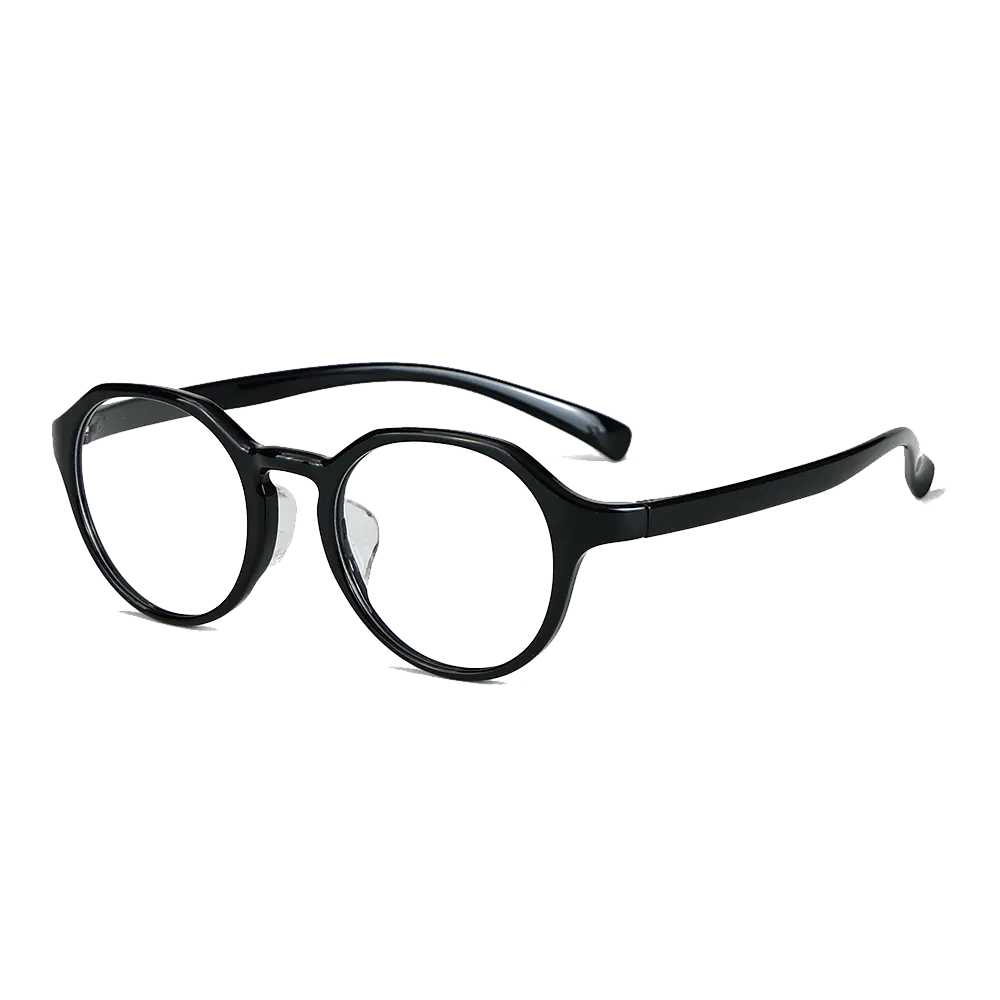
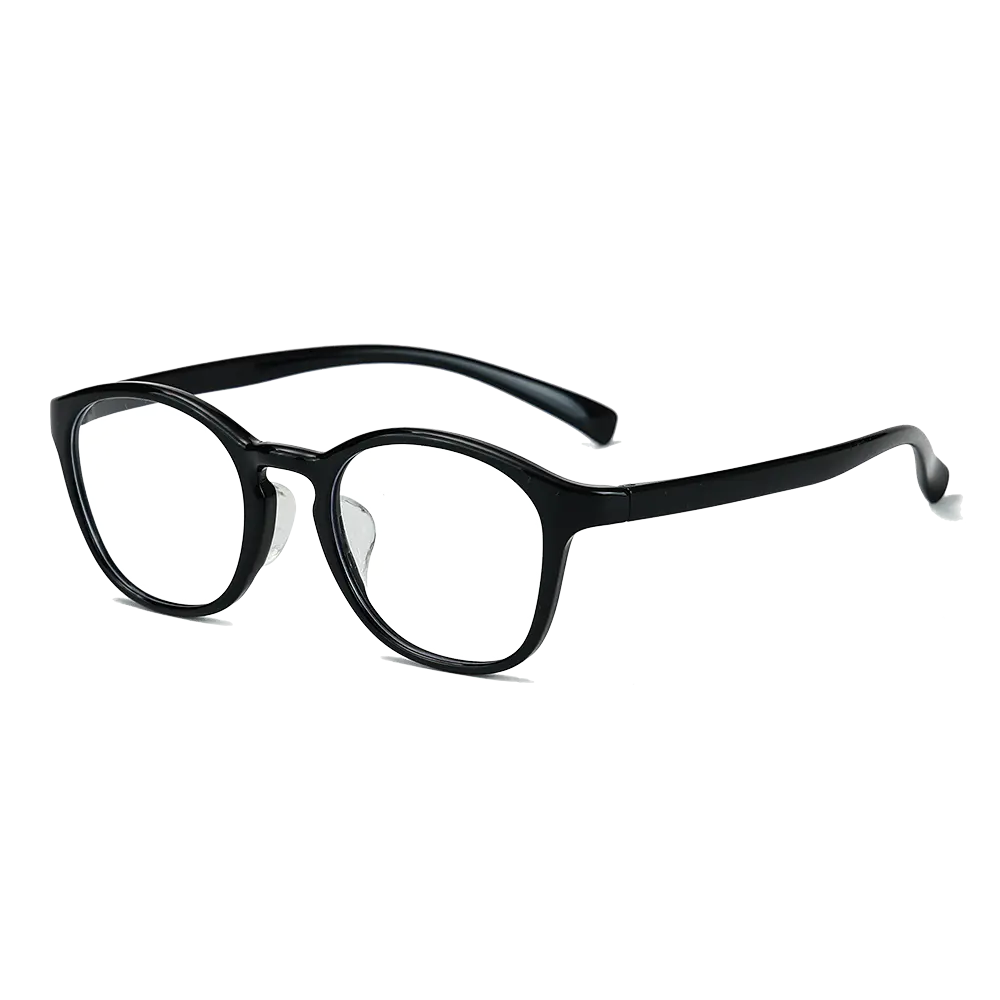
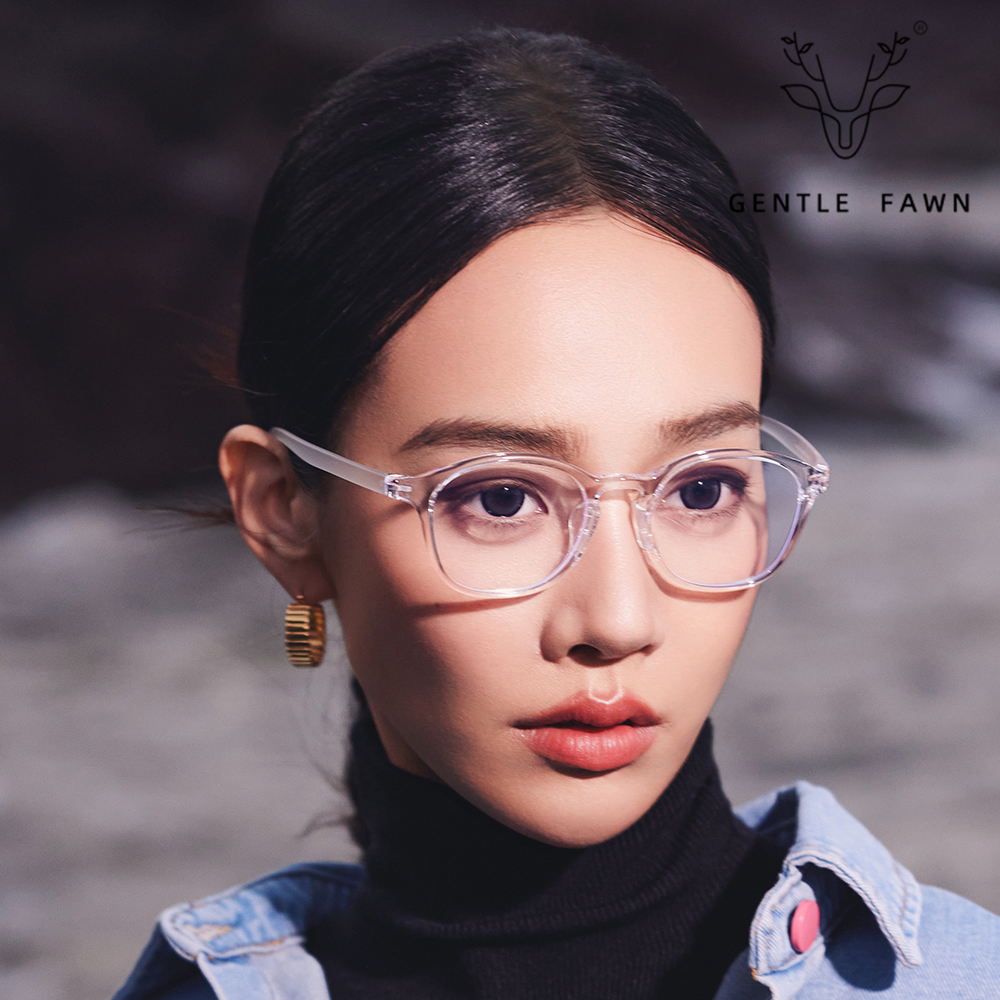
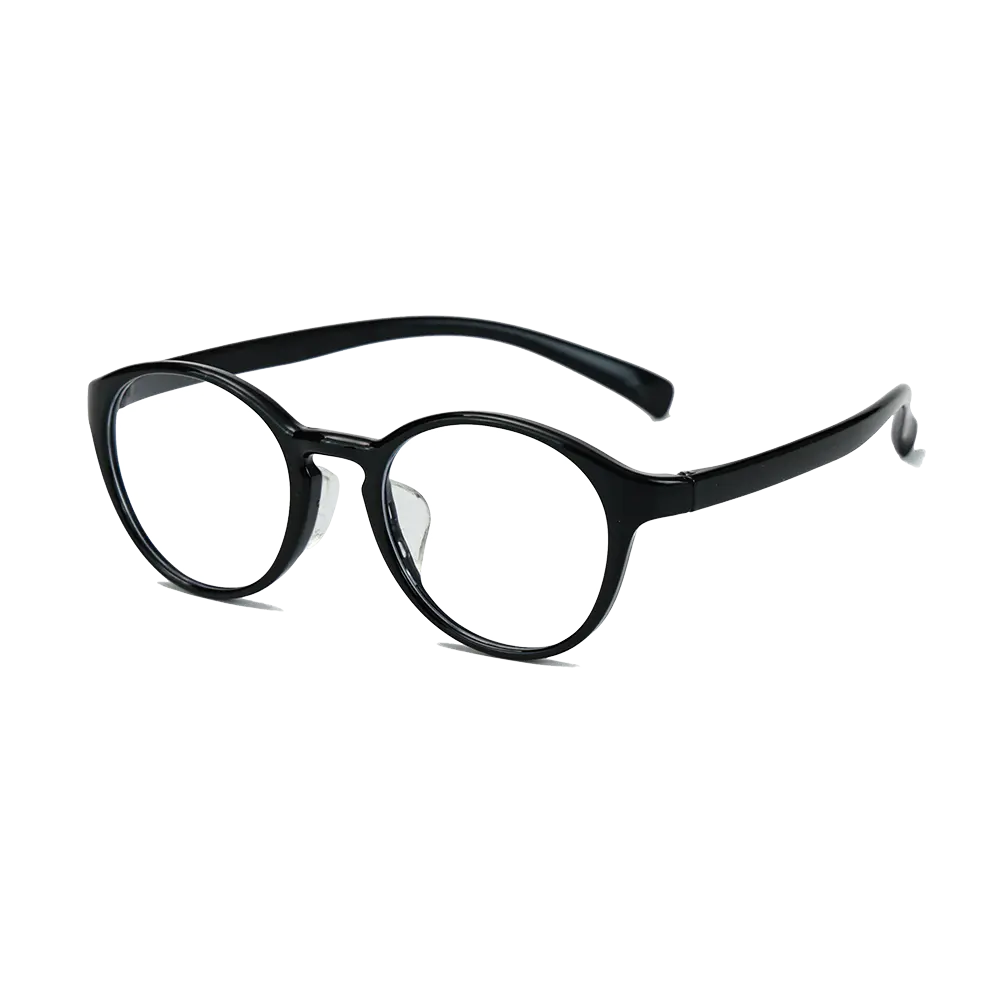
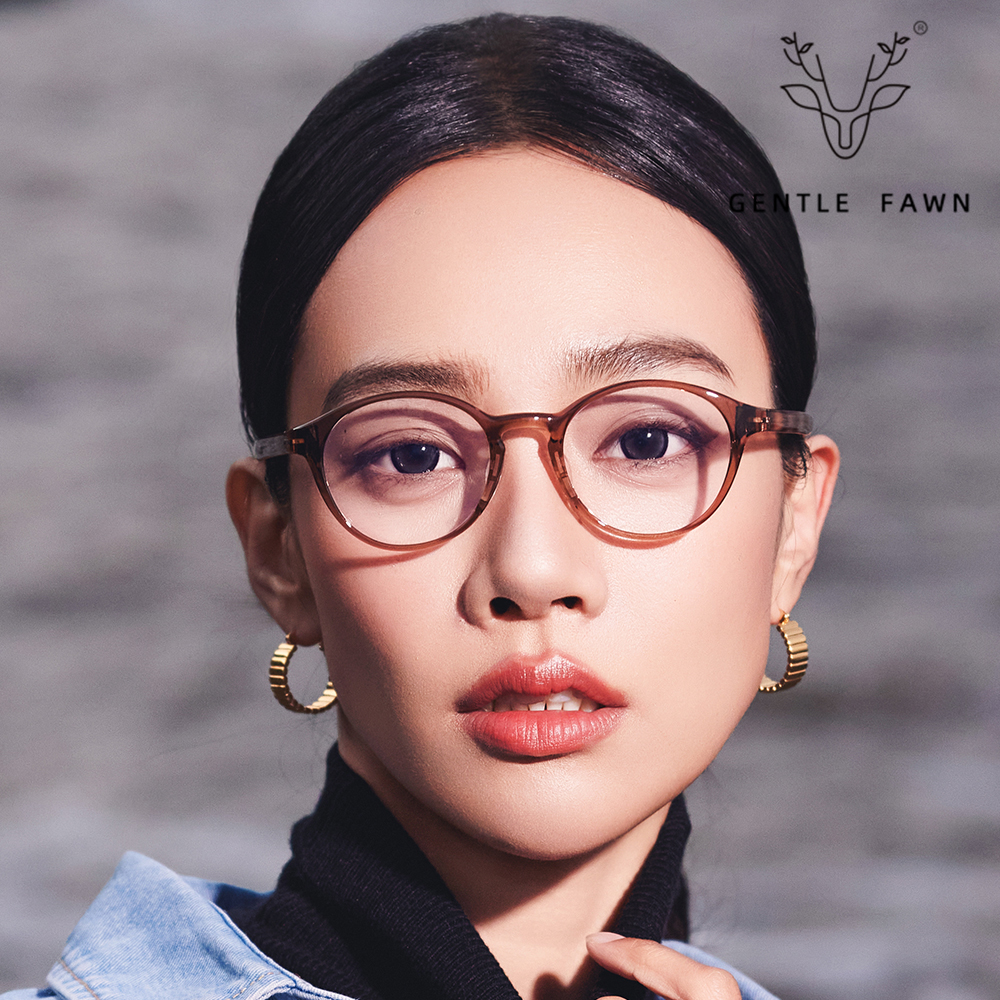
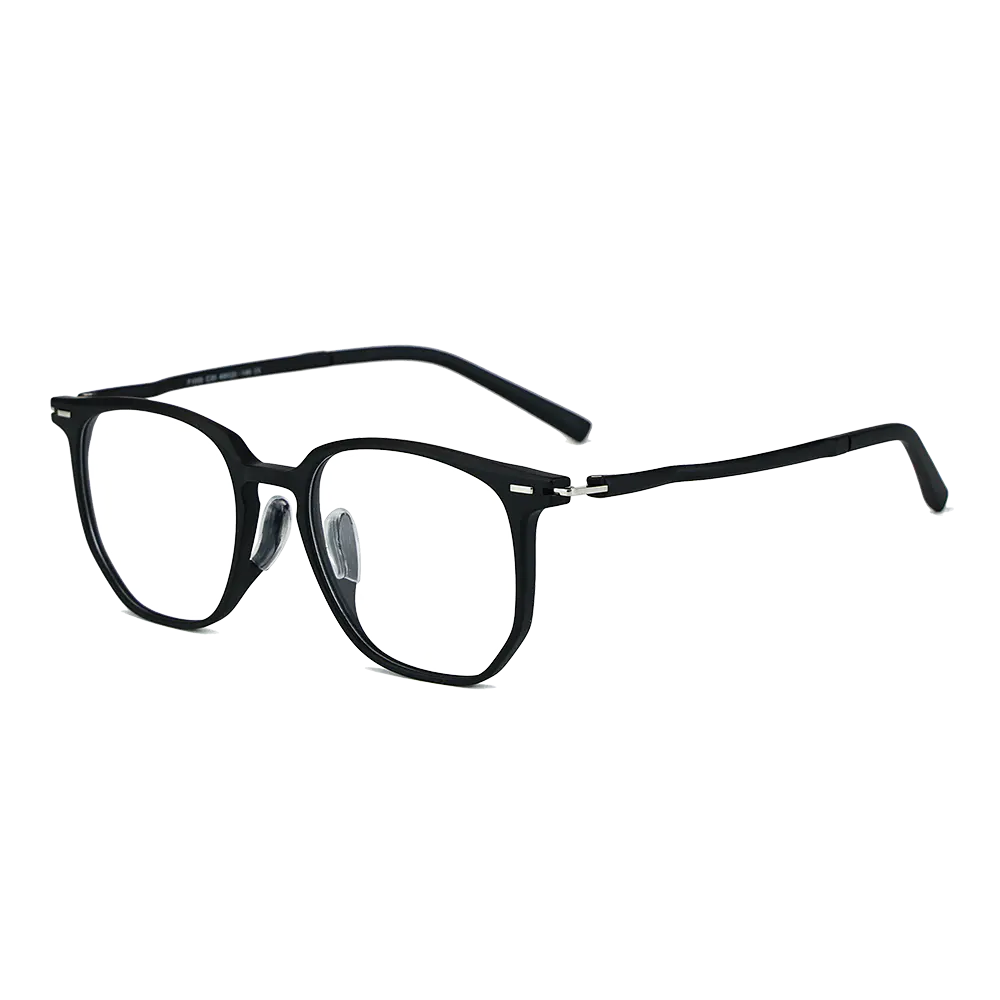
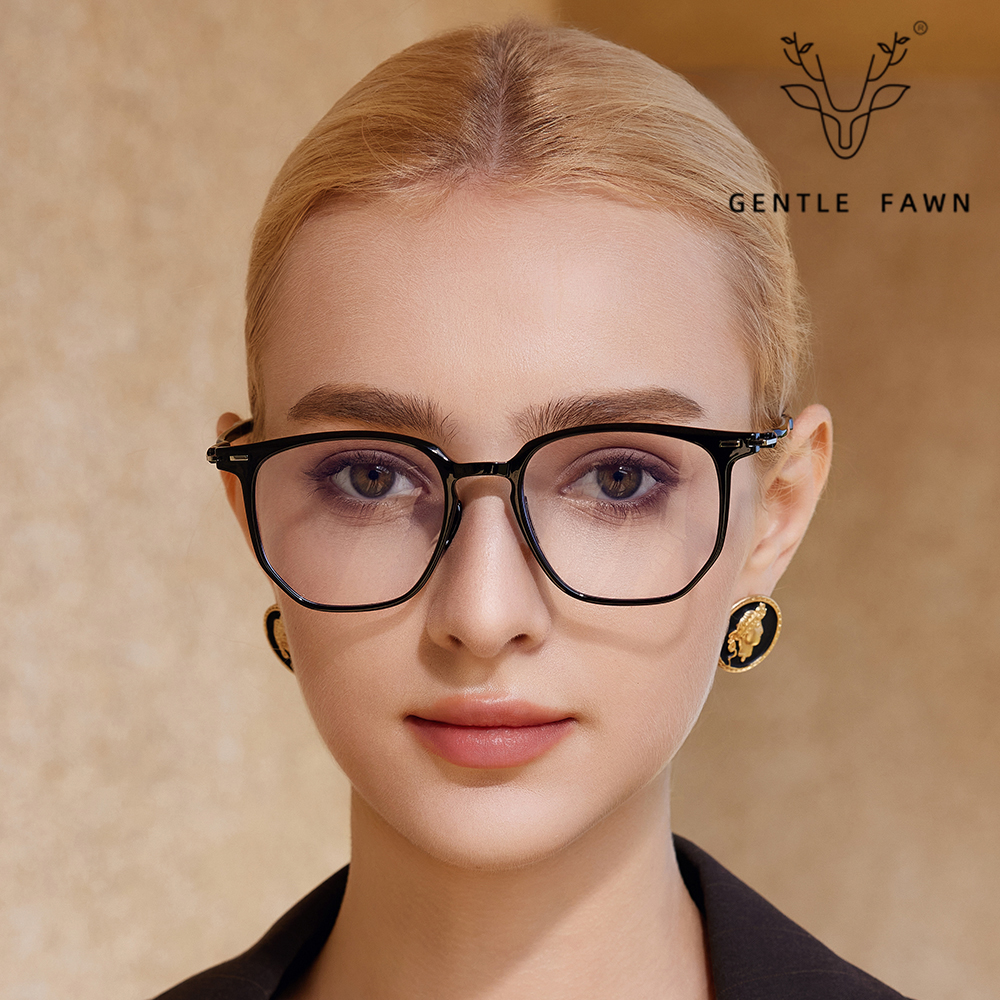
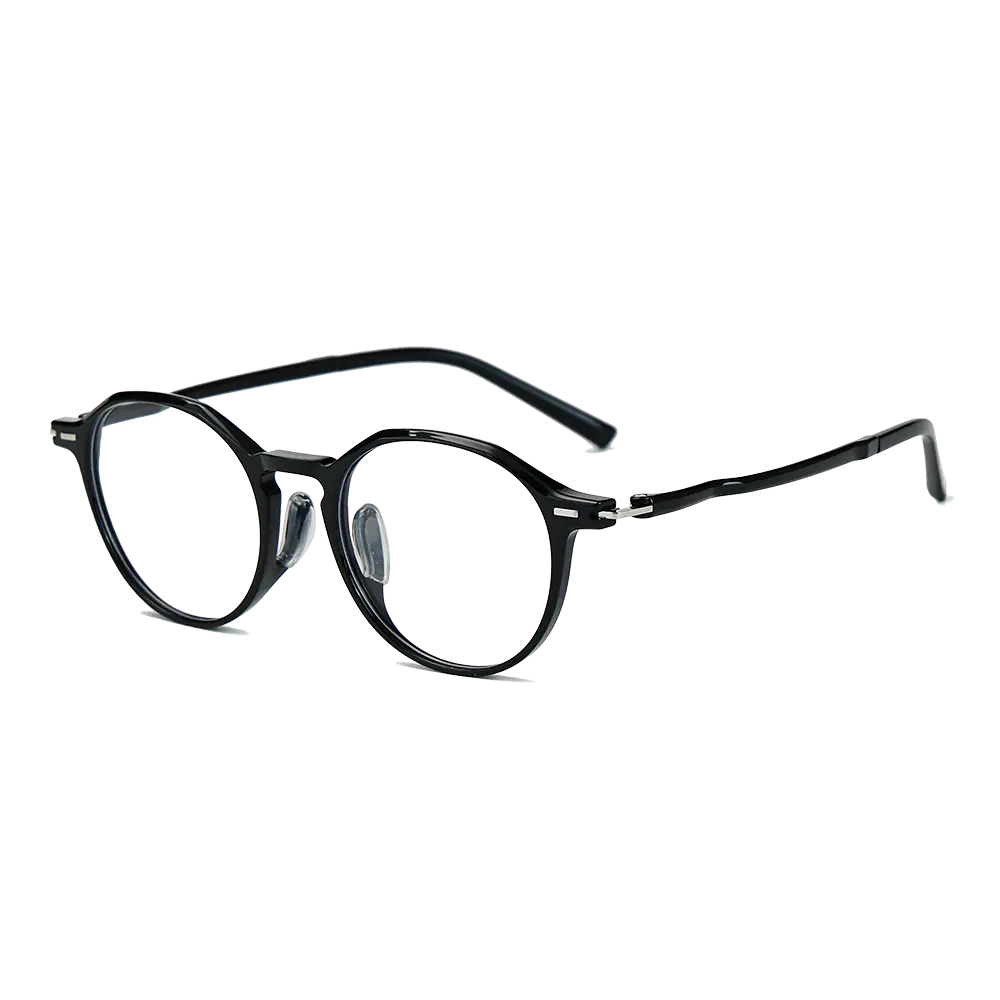
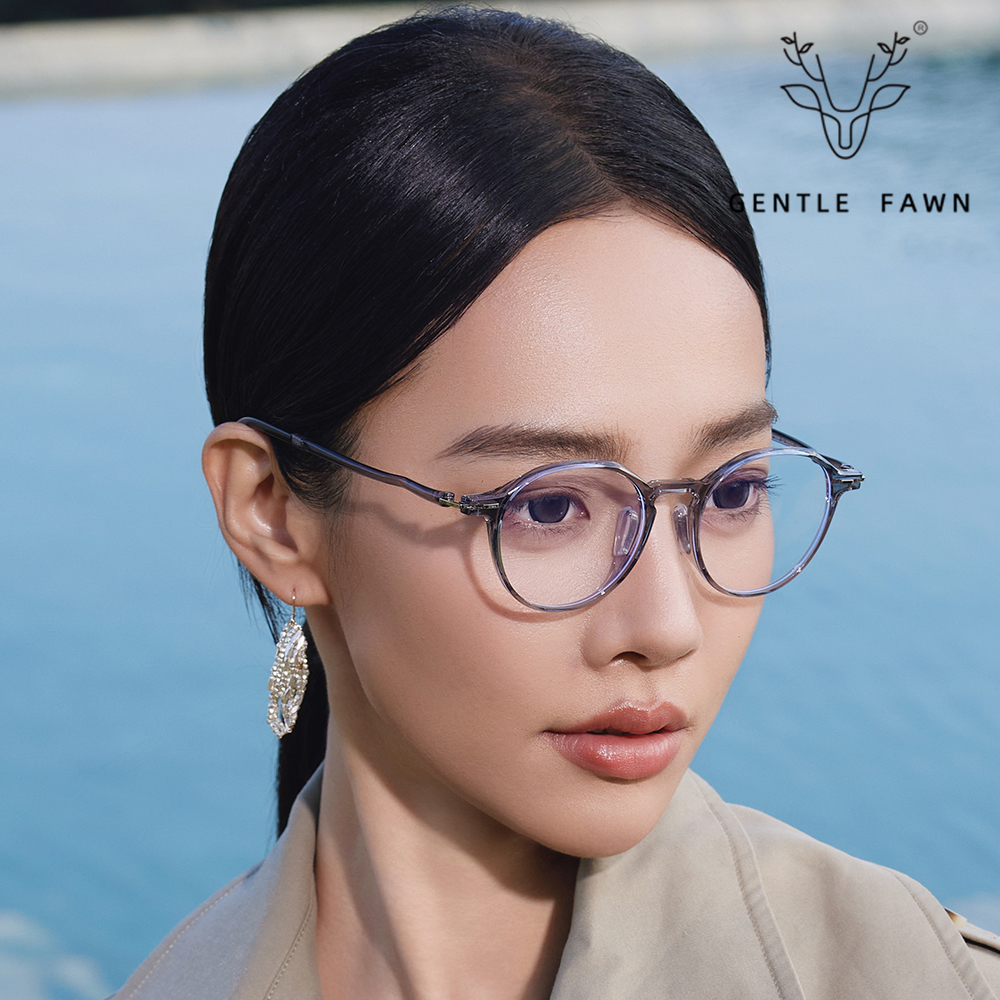
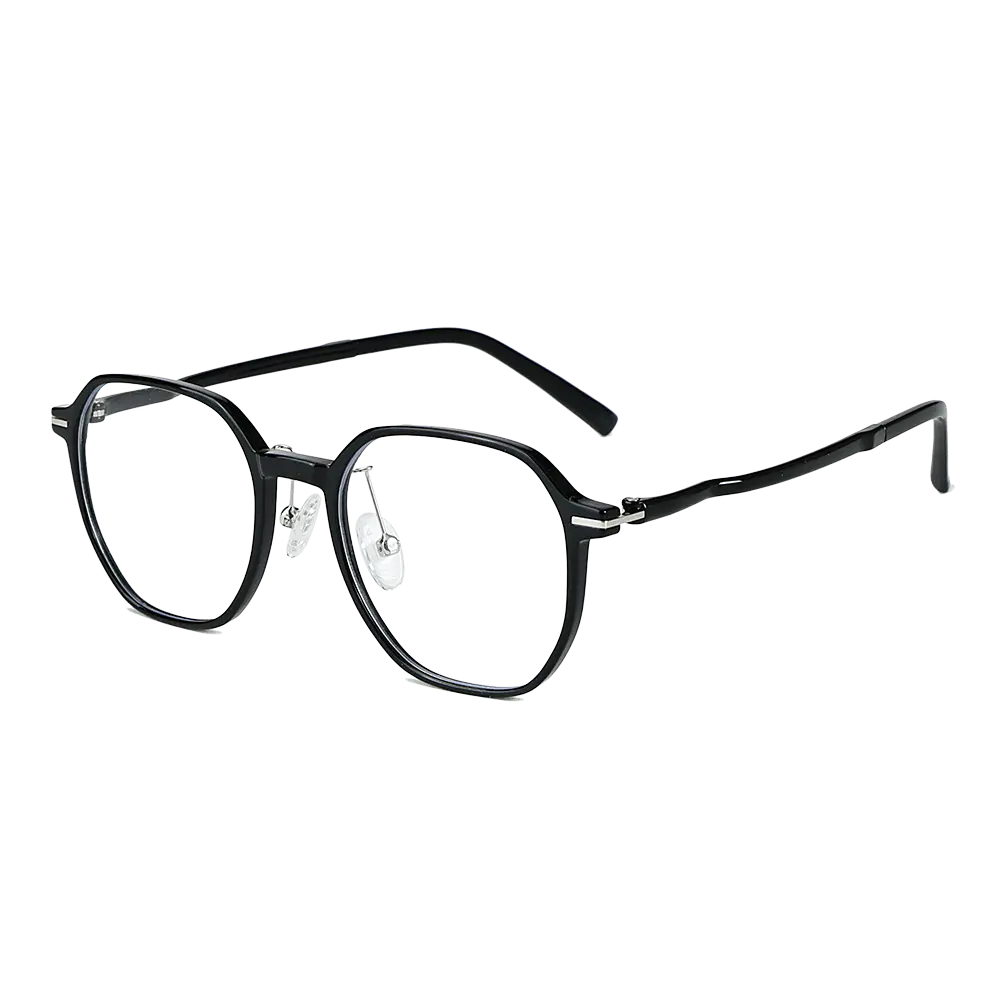
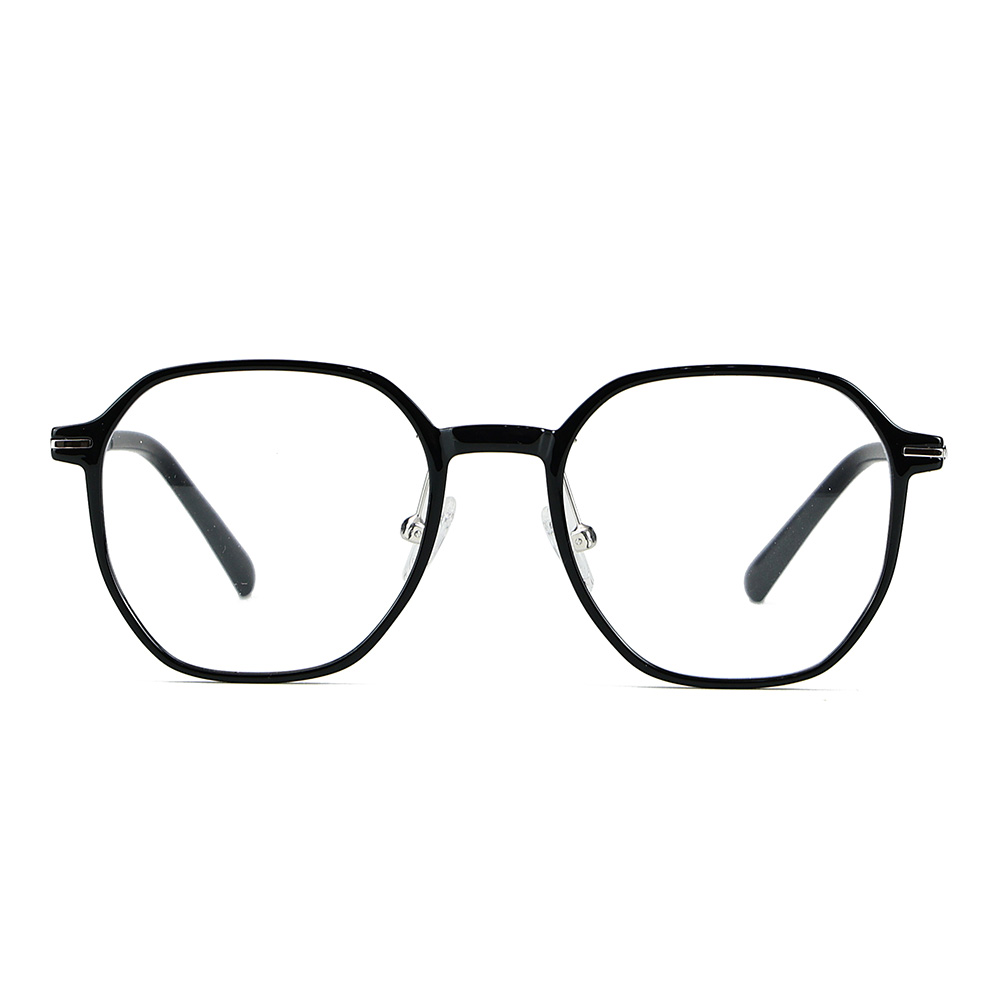
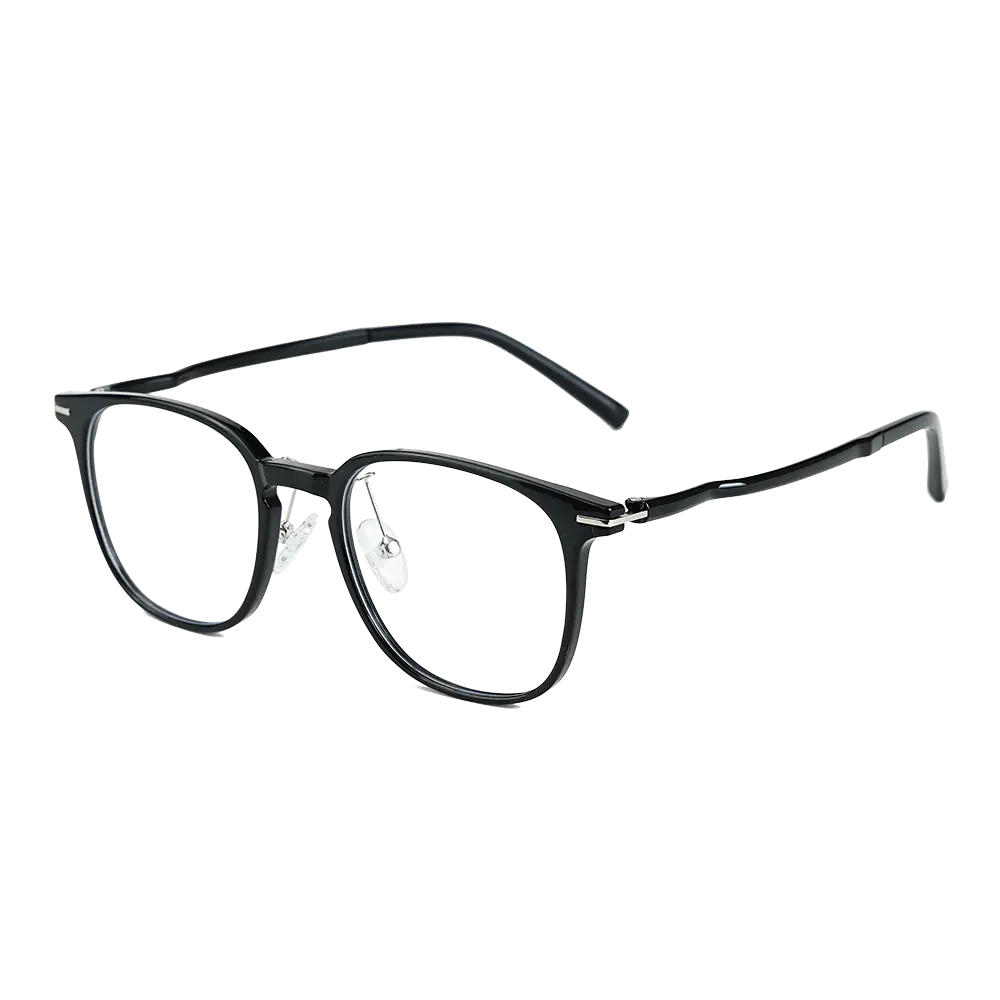
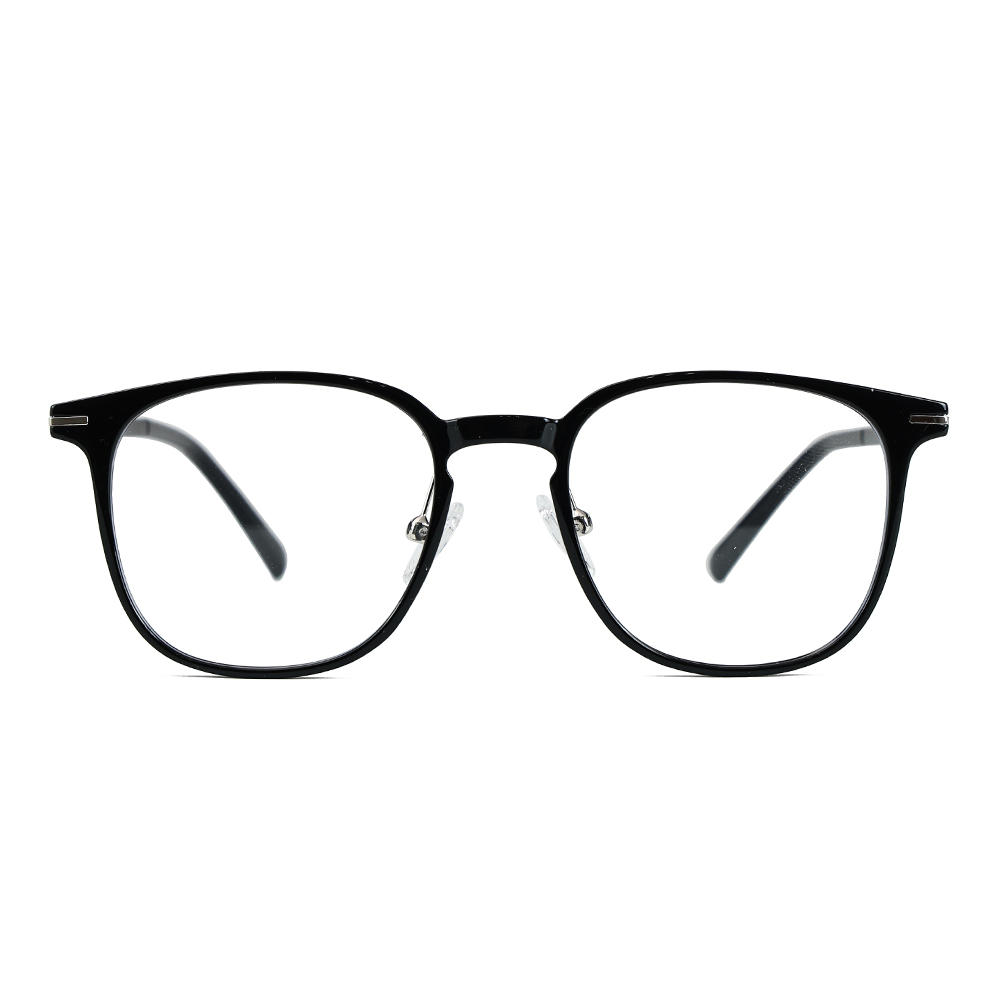
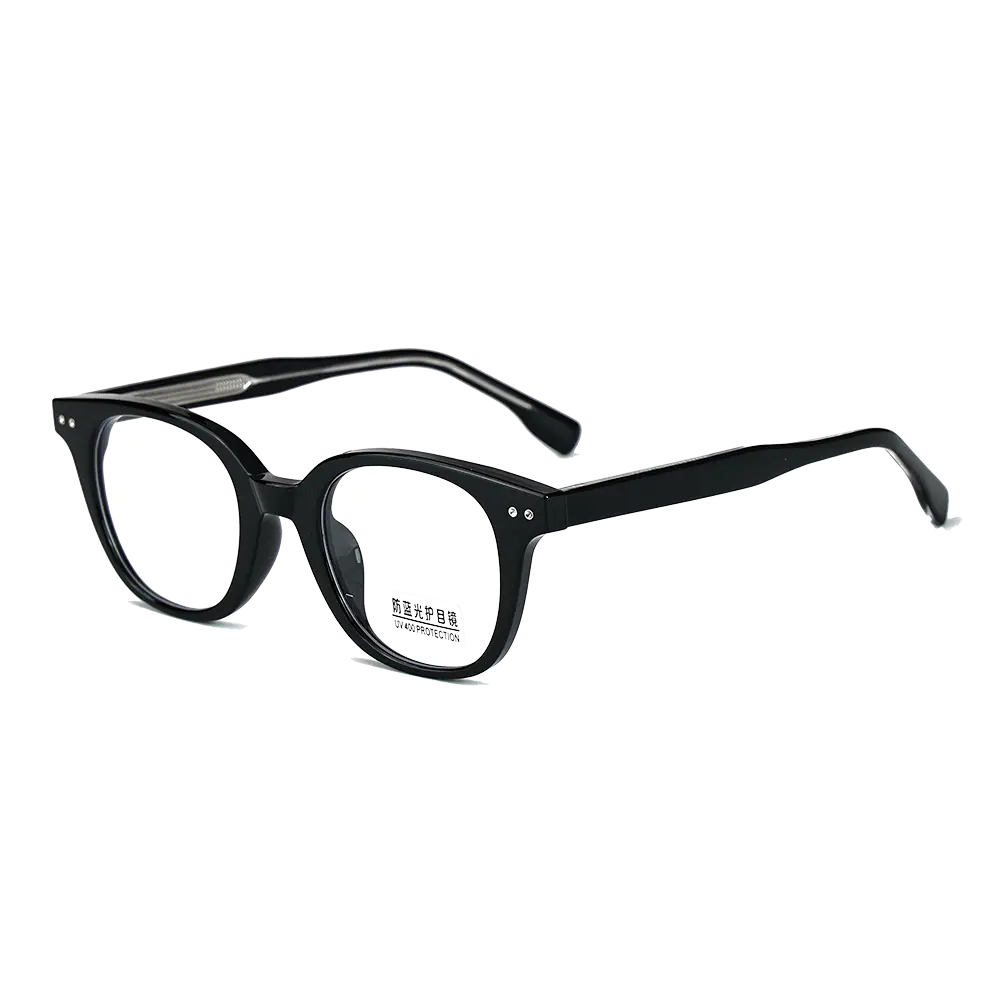
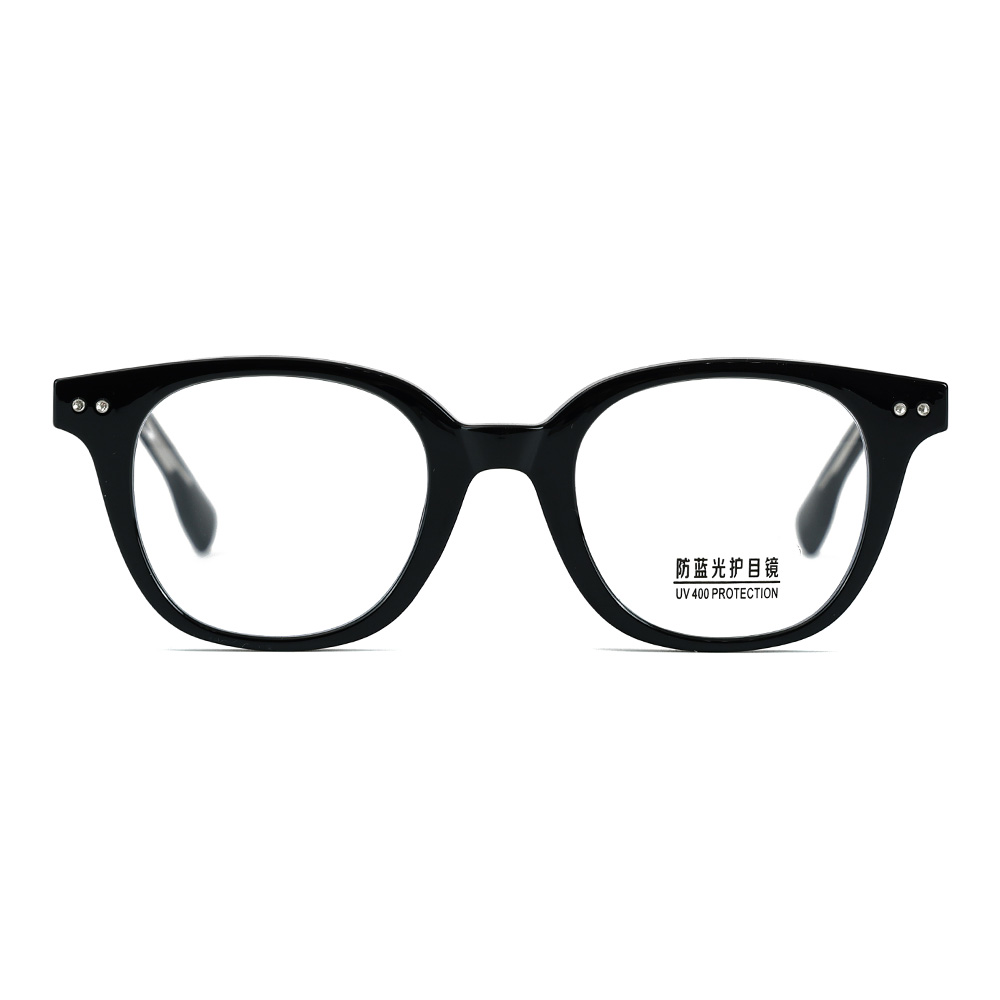
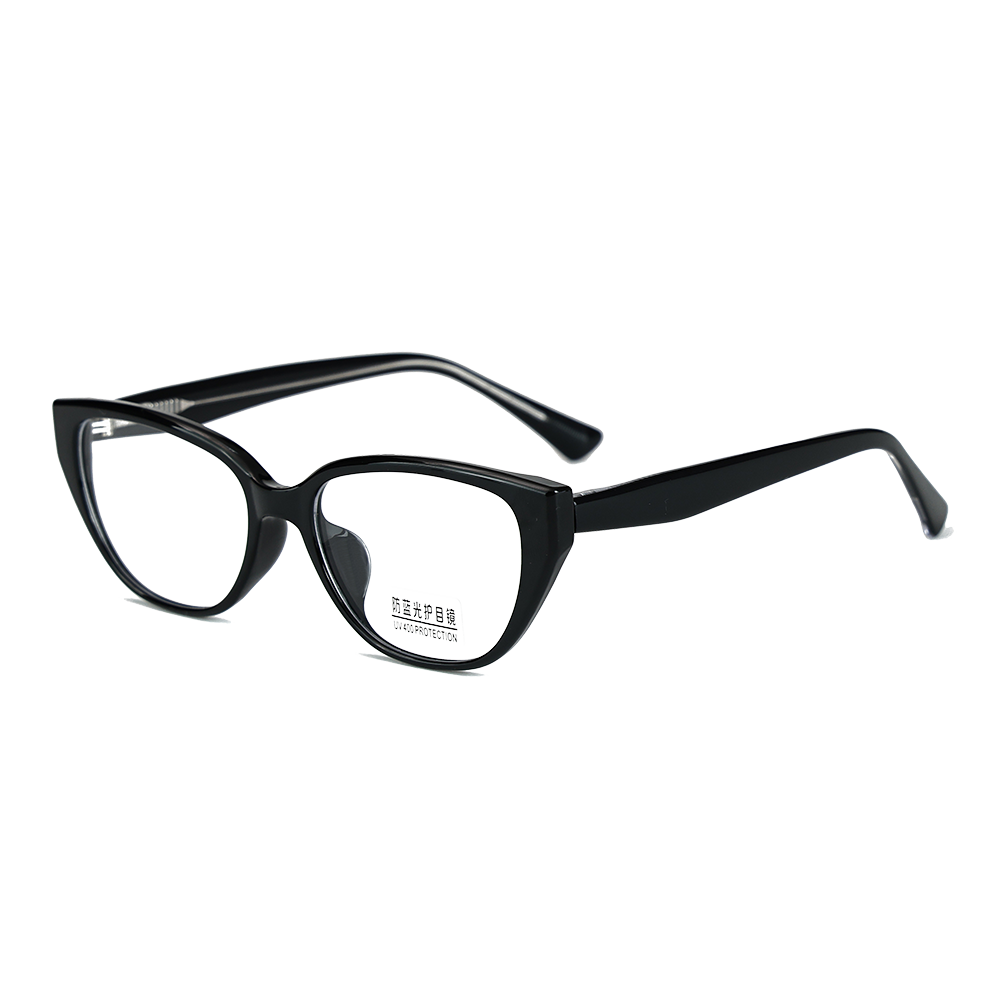
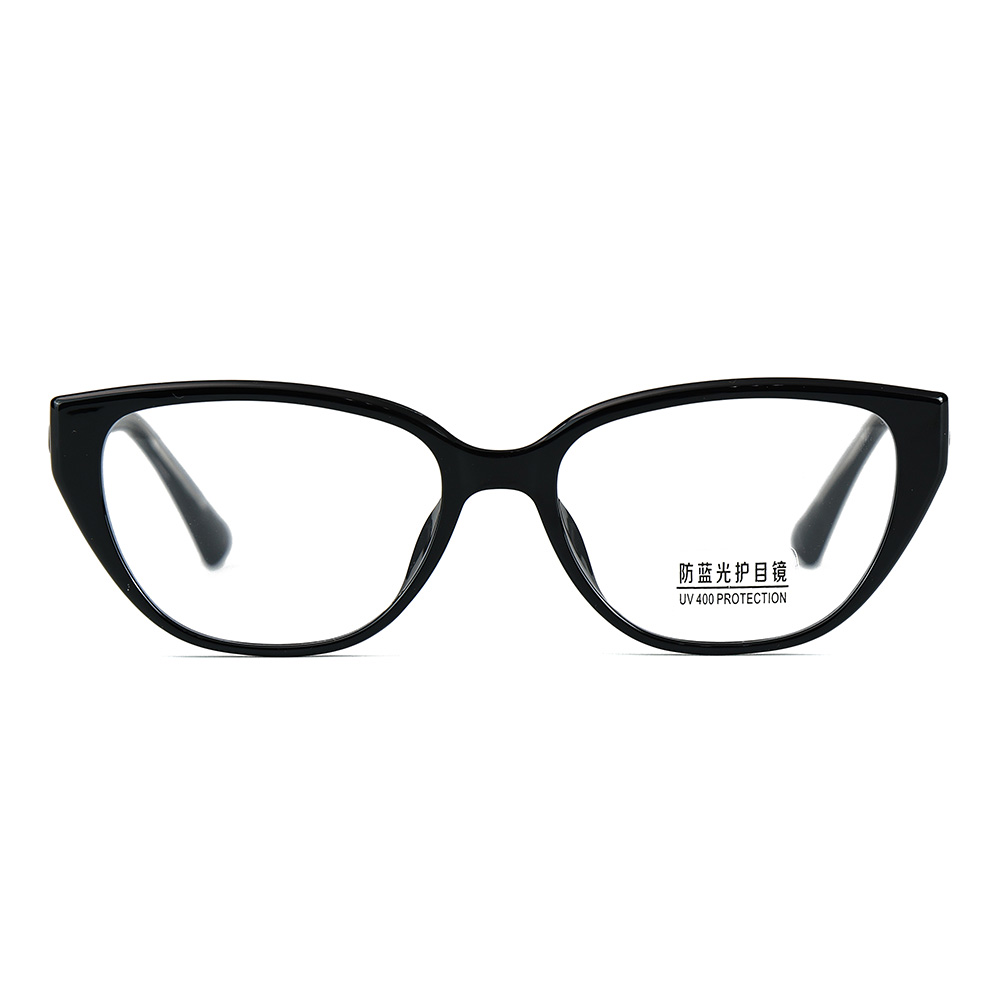

Ever bought a pair of women sunglasses that looked fantastic in the store mirror, then felt strangely off the second you stepped outside? That mismatch usually comes down to one thing: face shape. S...
Read More
Blue Light Glasses
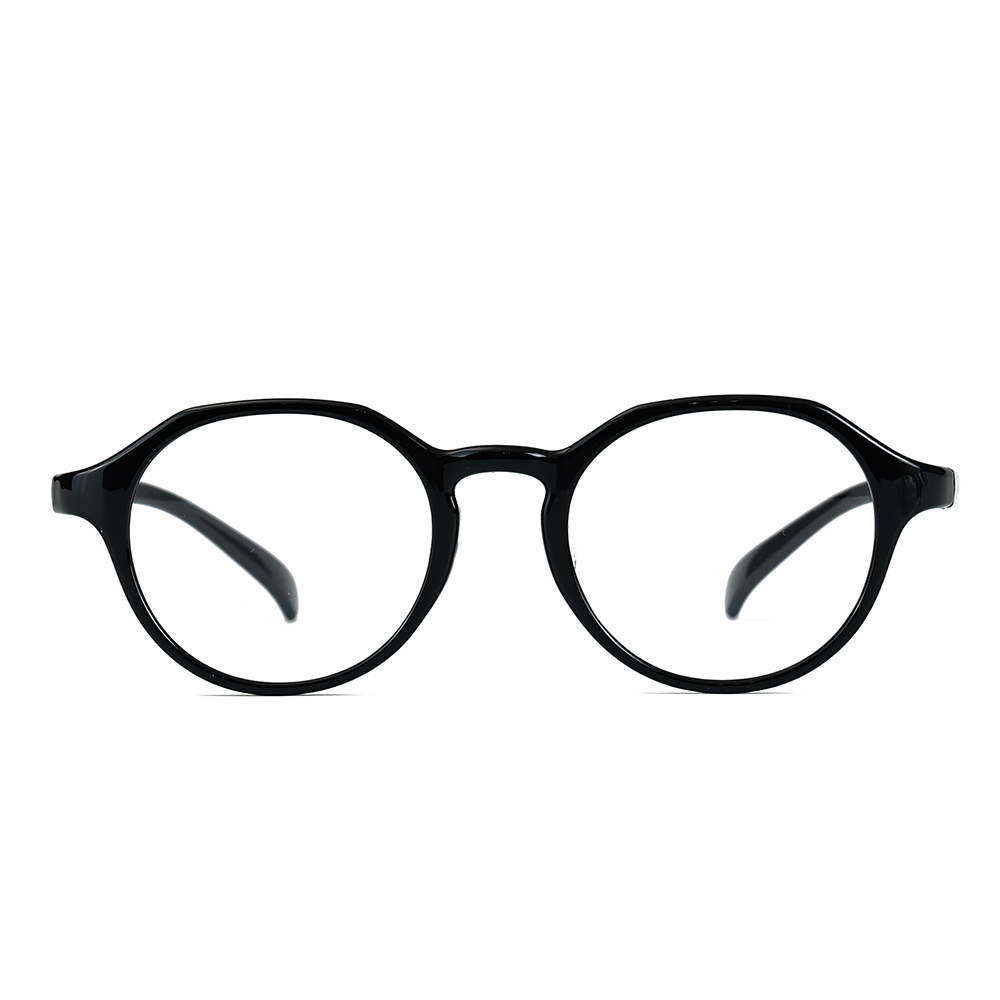
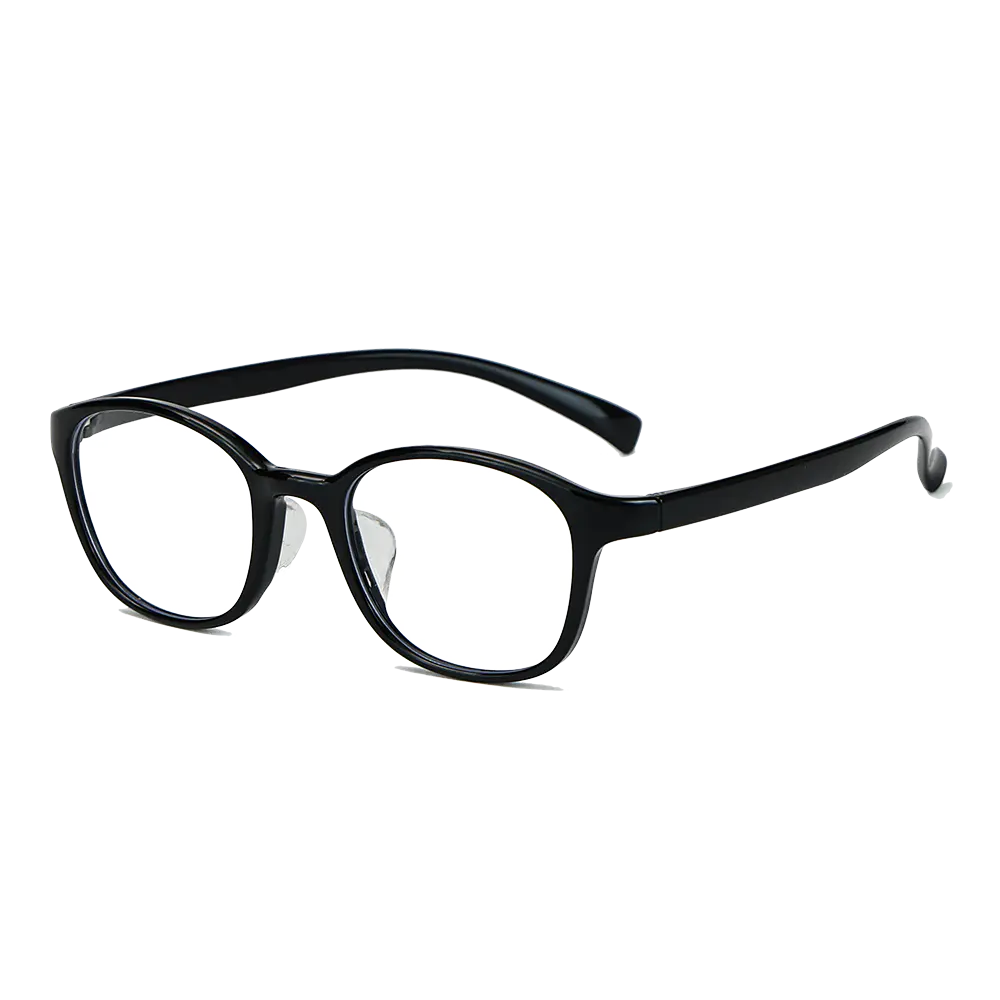
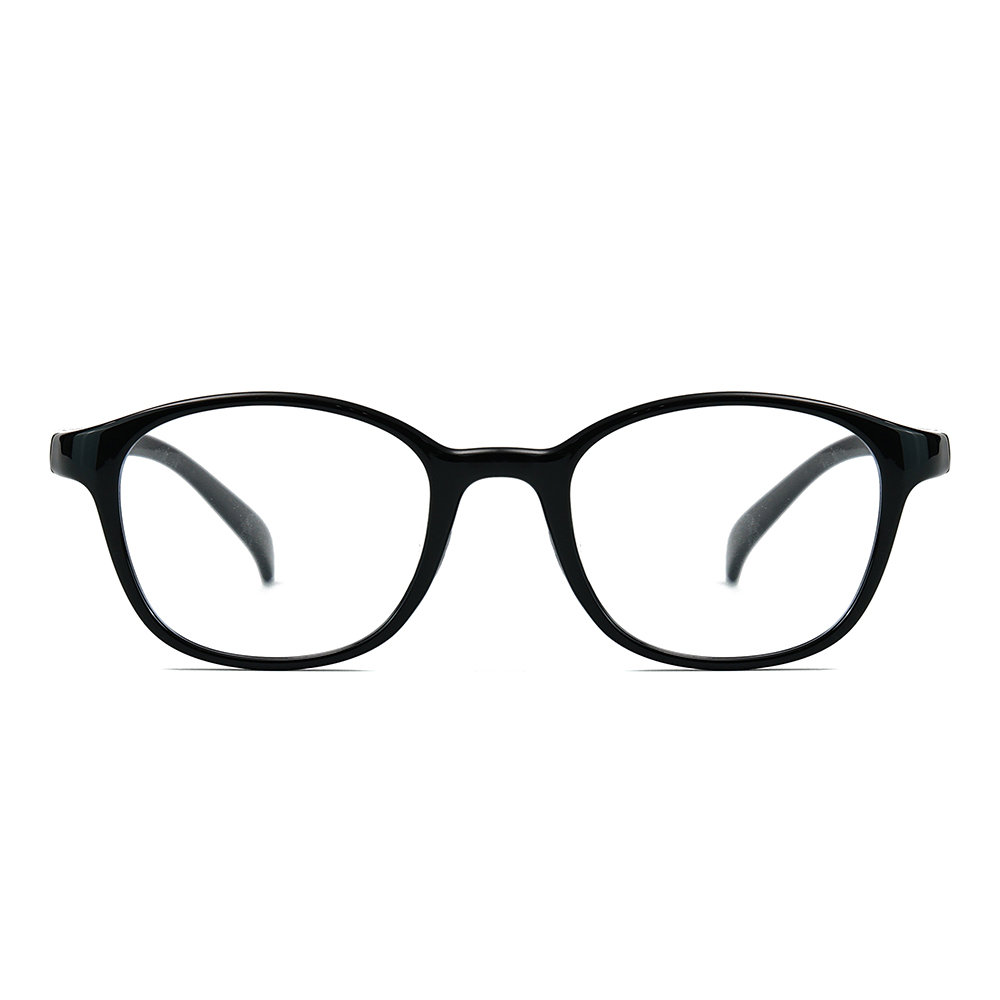
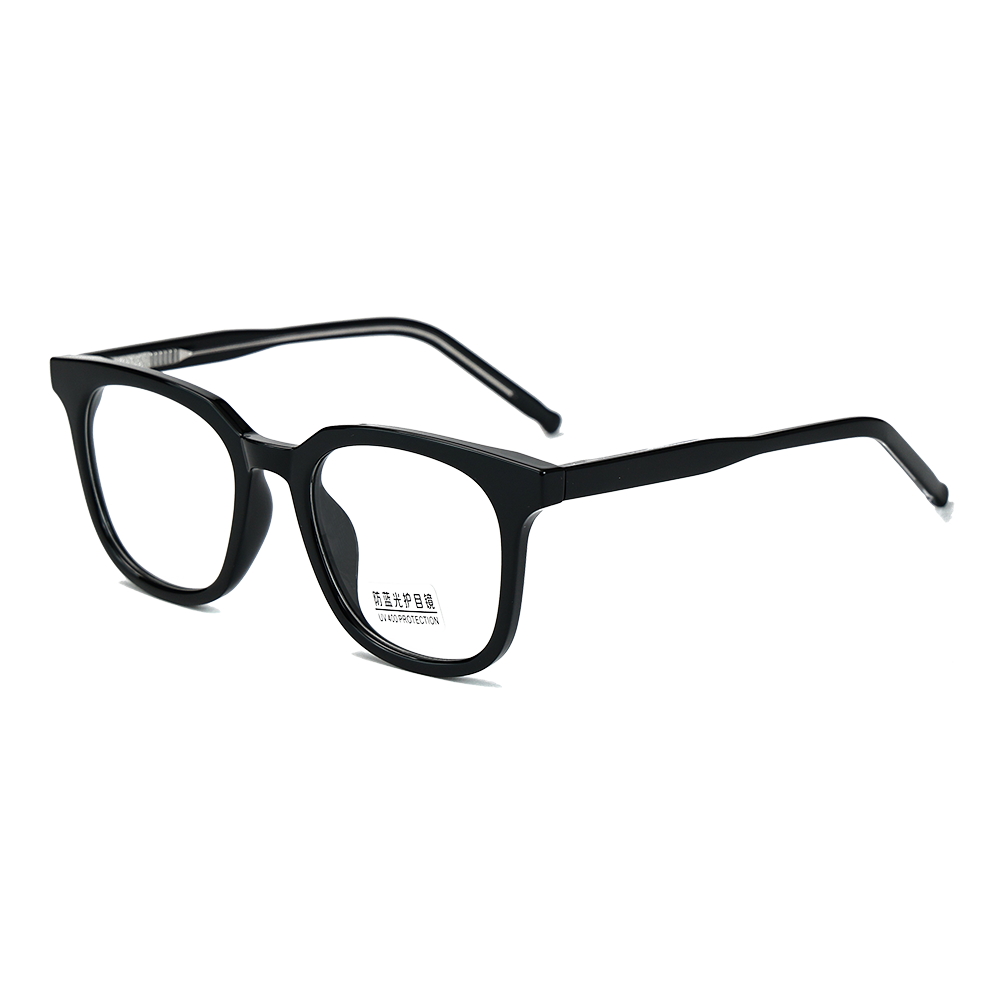
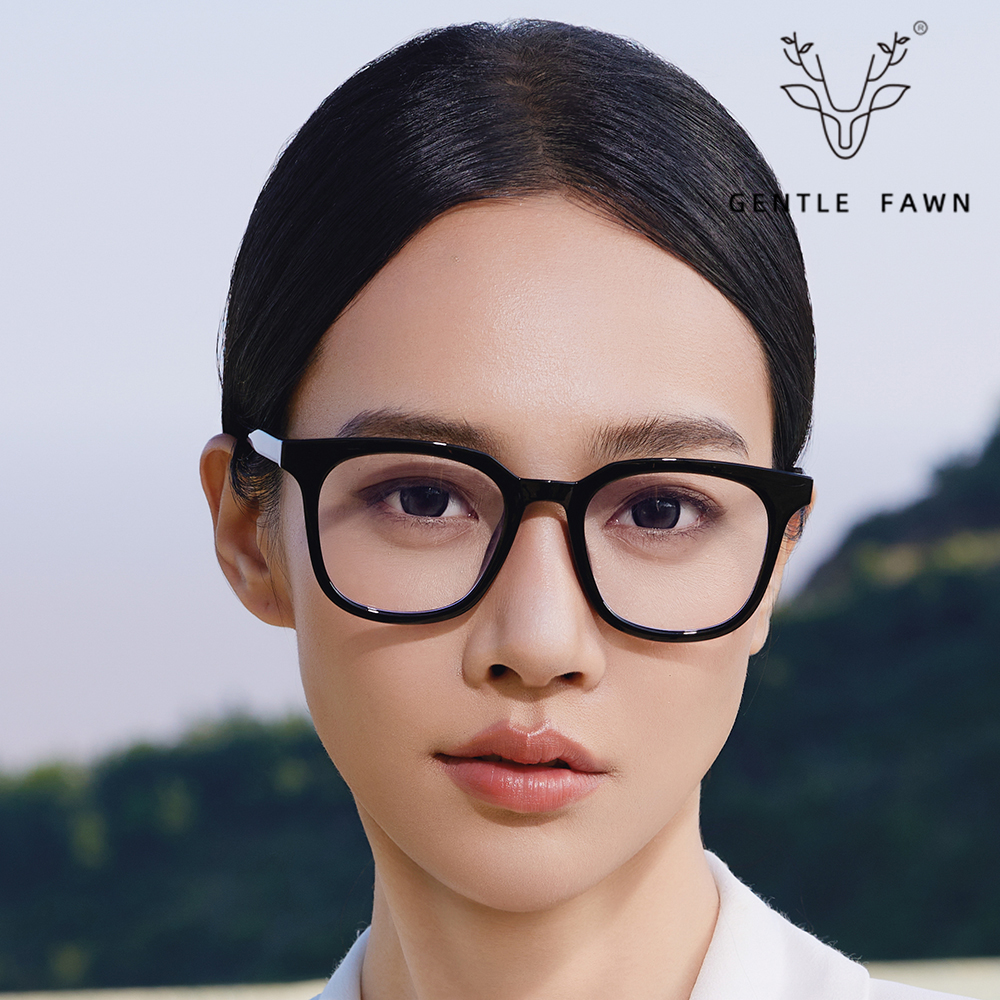
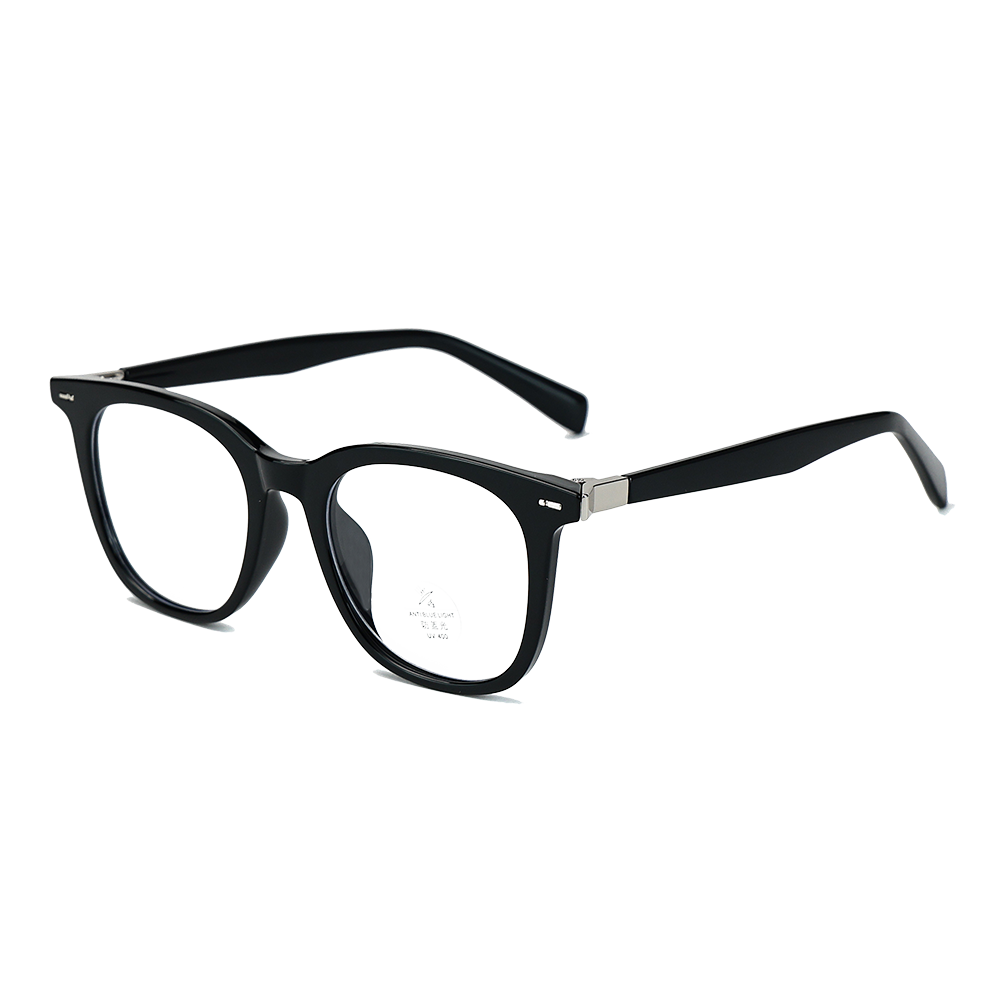
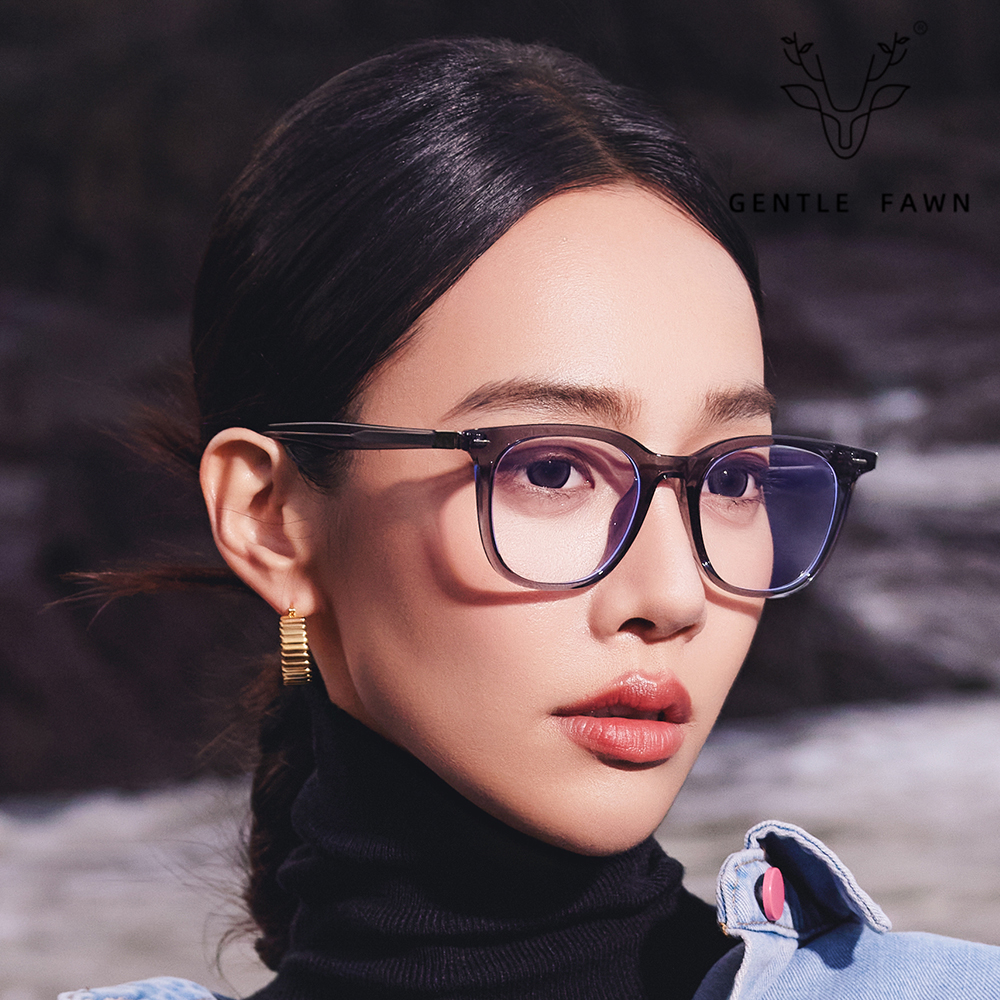
Our Blue Light Glasses are designed to protect your eyes from the harmful effects of digital screens while maintaining style and comfort. Equipped with high-quality lenses that filter out a significant portion of blue light emitted from computers, smartphones, and tablets, these glasses help reduce eye strain, fatigue, and headaches caused by prolonged screen exposure.
The frames are crafted from lightweight, durable materials, ensuring all-day comfort without compromising sturdiness or design. Suitable for both work and leisure, these glasses provide clear vision while maintaining the natural color perception of your environment. Ideal for office workers, students, gamers, and anyone spending extended time in front of screens, our Blue Light Glasses combine practical eye protection with modern aesthetics.
Company
Zhejiang Zhansheng Glasses Co., Ltd.
Zhejiang Zhansheng Glasses Co., Ltd. was established in Duqiao, Linhai, Taizhou in 2004. After more than two decades of development, it has adhered to the development philosophy of "quality as the foundation and innovation as the core", establishing an industry benchmark in the production of glasses.
Particularly, it has core competitiveness in the manufacturing of metal and TR90, sheet sunglasses, and anti-blue light glasses. The enterprise is equipped with a top-notch R&D team, completing hundreds of original product design iterations annually. It provides one-on-one customized services for its clients. Meanwhile, the factory warehouse reserves millions of ready-made inventory, enabling it to quickly seize market opportunities for customers.
As a professional TR90 and Metal Blue Light Eyewea manufacturer and OEM/ODM Blue Light Blocking Eyewear manufacturer in China, The birth of each pair of glasses begins with carefully selected raw materials. In the workshop, every process is infused with dedication - during polishing, a fine touch is pursued, and during assembly, strict fit is required. Multiple processes are strictly controlled, not neglecting any detail, only to incorporate quality into the curvature and make comfort a part of the wearing experience, creating a good, warm pair of glasses.
News
-
-
Planning a new sunglasses collection often starts with a simple question: what kind of eyewear will fit the style, needs, and buying habits of the target market? Metal frames paired with polarized l...
Read More -
Bright outdoor light can look very different depending on where it comes from. Direct sunlight is only part of the problem. Reflections from roads, water, glass, vehicles, and other smooth surfaces ...
Read More -
Sunglasses are not only a visual accessory. Their lenses also sit between the eyes and outdoor light, making lens protection relevant whenever the eyes are exposed to sunlight. Ultraviolet radiation c...
Read More
Blue Light Glasses: Materials, Lens Options, Applications, and OEM Manufacturing
Blue Light Glasses are designed for people who regularly work, study, read, or relax in front of digital screens. Their lenses reduce the transmission of selected blue-violet wavelengths, while the frame provides the fit, comfort, and appearance required for daily use.
A finished pair is not defined by the lens alone. Frame weight, material choice, bridge shape, temple pressure, hinge movement, surface quality, and lens installation all affect how the glasses look and feel. For this reason, Blue Light Glasses should be developed as complete optical products rather than ordinary frames fitted with functional lenses.
Different materials support different market needs. TR90 is often selected for lightweight and flexible eyewear. PC offers practical styling possibilities, while metal and half-titanium structures are suited to thinner and more refined optical designs.
Zhejiang Zhansheng Glasses Co., Ltd. manufactures Blue Light Glasses in several product categories:
- TR90 Optical Glasses
- Half Titanium Glasses
- Metal Optical Glasses
- Plastic Steel Optical Glasses
- TR90 Optical Glasses with Acetate Temples
- TR90 Optical Glasses with Metal Temples
These options allow brands and eyewear buyers to build collections around different materials, shapes, colors, and price levels.
What Are Blue Light Glasses?
Blue Light Glasses use lenses with specific light-transmission characteristics. These lenses are developed to reduce selected wavelengths in the blue-violet region of visible light.
The filtering effect may come from the lens material, added absorbing ingredients, surface coatings, reflective optical layers, or a combination of these methods. As lens technologies vary, two products described as Blue Light Glasses may not have the same filtering range or transmission performance.
Standard plano lenses provide clear vision without prescription correction. Blue-light-filtering lenses add a spectral filtering feature. They may also be used in certain prescription and reading-lens configurations when the frame and optical requirements are suitable.
Blue-light filtering should not be confused with prescription correction. It is an additional lens property and does not replace lenses used to correct myopia, hyperopia, astigmatism, or presbyopia.
Product information should also avoid unsupported medical language. Blue Light Glasses should not automatically be promoted as products that treat eye diseases or prevent changes in eyesight. Professional descriptions are better based on information that can be specified or tested, such as:
- Filtering technology
- Targeted wavelength range
- Lens transmission
- Lens material
- Coating structure
- Lens color
- Optical clarity
Clear technical language helps buyers understand what they are purchasing and reduces the risk of exaggerated product claims.
How Do Blue Light Filtering Lenses Work?
Blue light filtering lenses control how much light in selected blue-violet wavelengths passes through the lens. The result depends on the lens substrate, material formulation, coating design, and production process.
Several technical approaches are commonly used.
Reflective Blue Light Filtering
A reflective lens uses an optical coating on the lens surface. The coating reflects part of the targeted light while allowing other visible wavelengths to pass through.
These coatings are usually formed from several thin optical layers. The layer combination can be adjusted to achieve different reflection and transmission characteristics.
Under indoor lights or at certain viewing angles, a coated lens may show blue, purple, green, or mixed reflections. This is a normal visual effect of some coating structures.
However, the visible reflection is not a complete measure of lens performance. Technical evaluation should be based on the actual spectral specification rather than the color seen on the surface.
Absorbing Blue Light Filtering
Absorbing lenses contain filtering components within the lens material. Instead of reflecting most of the selected wavelengths from the surface, the lens absorbs part of them as light passes through.
This method is often used with resin-based optical materials. Depending on the formulation, the lens may look almost clear, slightly warm, or visibly tinted.
Absorbing and reflective solutions can also be combined when a particular filtering result or lens appearance is required.
Anti-Reflective Coatings
Anti-reflective coating and blue-light filtering are separate optical functions, although both can be included in the same lens.
An anti-reflective treatment helps reduce unwanted reflections on the front and back surfaces. This may give the lens a clearer appearance under office lighting and improve visible light transmission.
Scratch-resistant layers can also be added to improve surface durability during normal handling and cleaning.
The manufacturing information published by Zhejiang Zhansheng Glasses Co., Ltd. identifies anti-reflective and anti-scratch treatments as relevant processes in Blue Light Glasses production.
Lens Color and Visual Appearance
Blue-light-filtering lenses are not limited to one color. Available appearances can include:
- Clear lenses
- Nearly clear lenses
- Lightly tinted lenses
- Warm-tone lenses
- Visibly colored lenses
- Lenses with colored surface reflections
A stronger tint does not automatically indicate better filtering. Lens color is only one part of the specification.
When developing a lens, manufacturers and buyers should compare its targeted wavelength range, transmission level, color rendering, surface reflection, clarity, and intended use. For office and everyday products, the usual goal is to obtain the required filtering characteristics without creating unnecessary color distortion.
Core Components of Blue Light Glasses
The lenses provide the main functional feature, but the frame determines how the product fits and performs in daily use. A complete pair includes the frame front, bridge, temples, hinges, lenses, screws, nose pads where applicable, and surface treatments.
Each component needs to be compatible with the overall design.
Blue Light Filtering Lenses
Lens selection should begin with the intended product specification. Important points include:
- Lens material
- Filtering method
- Target wavelength range
- Visible light transmission
- Optical clarity
- Lens tint
- Coating appearance
- Scratch resistance
- Edge thickness
- Frame compatibility
Polycarbonate and resin-based optical lenses are frequently used for lightweight eyewear. The final choice depends on the frame structure, optical requirements, lens dimensions, and product positioning.
The shape and edge of the lens must fit the selected frame correctly. Poor compatibility can lead to loose installation, excessive stress, uneven gaps, or visible deformation.
TR90 Frames
TR90 is a common material for lightweight optical frames. It provides a useful balance of flexibility, resilience, low weight, and design freedom.
The material can be shaped into many popular eyewear styles, including:
- Square frames
- Round frames
- Oversized designs
- Small optical frames
- Vintage shapes
- Minimalist styles
- Women’s fashion frames
- Unisex eyewear
TR90 can also support transparent, translucent, solid, muted, and bright color effects. This makes it suitable for brands that need practical frames without giving up visual variety.
Zhejiang Zhansheng Glasses Co., Ltd. offers several TR90-based Blue Light Glasses, including ultralight designs, square frames, retro shapes, women’s styles, and models with mixed-material temples.
PC Frames
PC is another option for lightweight optical eyewear. It can provide impact resistance, practical durability, and freedom in frame shape and color.
PC Blue Light Glasses can be developed for everyday wear, online learning, office work, promotional ranges, and entry-level retail collections. Square, round, and contemporary frame shapes are commonly used.
The material itself is only one factor in product quality. Frame thickness, bridge dimensions, hinge installation, temple alignment, and finishing still require careful control.
Metal Frames
Metal frames are often chosen for a thinner and more structured appearance. They can create a classic optical look or a clean, modern style depending on the shape and finish.
Common designs include:
- Round metal frames
- Oval optical frames
- Square frames
- Geometric shapes
- Minimalist designs
- Retro-inspired models
Metal eyewear production requires consistent joining, hinge positioning, plating, polishing, and dimensional control. The front frame should remain symmetrical, and the temples need to open smoothly without visible misalignment.
Half-Titanium Frames
Half-titanium frames are suitable for eyewear collections that require a lightweight metal-oriented appearance. Their thin profiles work well with understated, minimalist, and refined optical designs.
Zhejiang Zhansheng Glasses Co., Ltd. lists Half Titanium Glasses as a separate direction within its Blue Light Glasses range.
The weight and wearing feel of an individual model still depend on its full construction, including the metal components, temples, hinges, bridge, and lenses.
Temples, Nose Pads, and Hinges
Temples, nose pads, and hinges may look like small details, but they directly affect everyday comfort.
Temples should follow a suitable curve without placing excessive pressure behind the ears. The bridge and nose pads need to hold the frame in position while distributing weight evenly. Hinges should provide smooth movement and remain stable after repeated use.
Typical issues to check include:
- Uneven temples
- Loose hinge screws
- Incorrect hinge position
- Rough temple tips
- Poor bridge fit
- Misaligned nose pads
- Unstable lens installation
- An asymmetrical frame front
Accurate assembly is essential even when high-quality materials are used.
Key Product Features of Blue Light Glasses
A useful pair of Blue Light Glasses needs to combine lens performance with comfort, stable construction, and a suitable design. These features should be considered together during sampling and production.
Lightweight Wearing Comfort
Low frame weight can make glasses more comfortable during long periods of office work, study, reading, or gaming. However, the lightest frame is not always the most comfortable one.
Fit also depends on:
- Bridge width
- Frame-front width
- Temple length
- Temple curve
- Hinge location
- Nose pad position
- Weight distribution
- Front-to-temple balance
A lightweight frame with unsuitable dimensions may slide, pinch, or place pressure on the nose. Weight should therefore be assessed together with actual wearing fit.
Flexibility and Durability
TR90 is often selected for frames that require flexibility. PC provides another lightweight option, while metal and titanium-based structures offer different levels of rigidity and refinement.
Durability is influenced by the complete construction, including:
- Material thickness
- Hinge quality
- Screw stability
- Joining strength
- Surface finish
- Lens fitting
- Frame adjustment
- Assembly accuracy
Material names alone do not guarantee long product life. Production quality is equally important.
Lens Filtering Performance
The filtering lens is the main functional difference between Blue Light Glasses and standard optical eyewear.
A useful lens specification should identify the filtering approach and intended wavelength range. Where a specific filtering percentage is claimed, it should be supported by relevant technical information or testing.
Actual performance may vary according to the substrate, absorbing components, optical layers, transmission design, and manufacturing conditions.
Lens Clarity
Lenses for digital-screen use should provide appropriate clarity and comfortable color perception.
Excessive tint can change how screens, documents, and surrounding objects appear. A suitable lens should therefore balance its filtering function with:
- Visible light transmission
- Color rendering
- Surface quality
- Optical consistency
- Reflection control
The right balance depends on the product’s intended market and use.
Anti-Reflective and Surface Coatings
Anti-reflective coatings can reduce distracting surface reflections and create a cleaner lens appearance. Scratch-resistant treatments help protect the lens during handling, cleaning, storage, and transportation.
Several functions may be combined in one multilayer structure. Final performance depends on the design and stability of the coating process.
The existing manufacturing content of Zhejiang Zhansheng Glasses Co., Ltd. refers to vacuum deposition, chemical coating, and multilayer treatment in optical lens surface processing.
Frame Color and Design
Today’s Blue Light Glasses are not limited to technical-looking office frames. They can also be designed as daily fashion accessories.
Popular design directions include:
- Minimalist square frames
- Round optical glasses
- Vintage-inspired styles
- Small-frame designs
- Oversized frames
- Women’s fashion eyewear
- Unisex models
- Office styles
- Decorative temples
- Mixed-material frames
TR90, PC, metal, acetate temple parts, and titanium-based components can be combined to give each collection a different identity.
Nose Bridge and Temple Comfort
The bridge supports much of the frame’s weight, while the temples help keep it stable. Their dimensions should match the intended facial fit.
Important factors include bridge width, nose pad angle, front curvature, temple opening angle, temple length, hinge location, and pressure distribution.
Sample evaluation should include an actual wearing test. Measurements alone cannot reveal every fit issue.
Suitability for Extended Daily Wear
Blue Light Glasses are often worn for several hours, so long-term comfort matters.
The frame should remain stable without creating excessive pressure. The hinges should move consistently, the edges should feel smooth, and the lenses should offer suitable clarity for the intended environment.
Long-wear performance comes from the whole product, not from one feature.
How Different Frame Materials Are Used in Blue Light Glasses
Each material creates a different balance of weight, flexibility, structure, and visual style.
| Frame Material | Main Characteristics | Wearing Feel | Common Designs | Typical Use |
| TR90 | Flexible, lightweight, resilient | Light and flexible | Square, round, oversized, vintage | Office, study, daily and fashion eyewear |
| PC | Lightweight with broad styling options | Practical and easy to wear | Square, round, contemporary | Everyday optical products |
| Metal | Thin, structured and refined | Balanced and stable | Round, oval, geometric, square | Classic, minimalist and retro styles |
| Half Titanium | Lightweight metal-oriented construction | Light and refined | Thin and understated shapes | Premium-looking optical collections |
This table provides a general comparison. Final material selection should also consider frame dimensions, hinge structure, lens type, surface treatment, budget, and target market.
What Are the Common Applications of Blue Light Glasses?
Blue Light Glasses can be developed for many screen-related and everyday settings. The frame style and lens specification should match the intended application.
Computer Office Work
Office users may spend much of the day moving between monitors, documents, phones, and meetings.
For this market, brands often prioritize lightweight frames, clear lens appearance, stable fit, and understated styling. The glasses should remain comfortable through long working periods.
Online Meetings
Video meetings place more attention on the appearance of the frame and lens surface. A professional frame shape and controlled lens reflection may create a cleaner look on camera.
Temple comfort and frame stability are also important when meetings continue for extended periods.
Study and Online Learning
Students frequently switch between laptops, tablets, smartphones, books, and written notes. Their eyewear may be worn, removed, folded, and carried several times each day.
Lightweight TR90 and PC frames can suit this type of use. Secure hinges and protective packaging are also worth considering.
Smartphone and Tablet Use
Mobile devices are used at home, at work, during travel, and in public places. Blue Light Glasses for this market are often designed as simple, lightweight eyewear that can be carried easily.
Comfort and everyday styling may be more important than a highly technical appearance.
Reading and Home Office
Home-office eyewear can combine clear lens styling with soft, comfortable frames. Minimalist TR90, PC, and metal designs are all possible.
Where the glasses will also be used for reading, the lens configuration should be confirmed according to the user’s optical requirements.
Commuting
Commuters may carry their eyewear between home, transportation, school, and work. Frames developed for this scenario should be light, stable, and easy to store.
A suitable case or pouch can help protect the lenses and frame during travel.
Gaming and Digital Entertainment
Gaming sessions may involve long wearing periods and frequent head movement. A gaming-oriented frame should stay in place while avoiding excessive temple or bridge pressure.
Useful features include:
- Stable temples
- Balanced weight
- Comfortable bridge geometry
- Clear lenses
- Smooth frame edges
- Distinctive colors or styling
Everyday Wear
Blue Light Glasses can be worn beyond the desk. Modern frame shapes allow them to function as everyday accessories for work, study, shopping, cafés, and home use.
A fashion-oriented product may use transparent colors, oversized fronts, metal details, or decorative temples while retaining the selected lens function.
Optical Stores and Online Platforms
The category works across both physical optical stores and online sales channels. Products can be organized by material, frame shape, color, lens type, and retail price.
For online sales, accurate dimensions, consistent production, clear product images, and protective packaging are particularly important.
Gift Applications
Blue Light Glasses may also be developed as practical gifts or lifestyle products.
A coordinated case, cleaning cloth, paper box, care card, and label can make the product more suitable for gift presentation.
Eyewear Product Development
For brands and importers, Blue Light Glasses provide many development possibilities. A range can combine different frame materials, lens solutions, shapes, colors, logos, temple details, and packaging.
This makes it possible to create a focused collection for one audience or a broader assortment for multiple retail channels.
How to Choose Blue Light Glasses
Choosing a suitable product requires more than checking the frame shape. The lens, frame, fit, finish, assembly, and production consistency should all be reviewed.
| Selection Indicator | Importance | What to Check |
| Lens filtering solution | High | Filtering method, wavelength range, supporting specification |
| Lens clarity | High | Transparency, distortion, surface quality |
| Lens color | Medium to High | Tint, color rendering, overall appearance |
| Coating quality | High | Uniformity, reflection, scratch resistance |
| Frame material | High | TR90, PC, metal or titanium-based construction |
| Frame weight | High | Balance and long-wear comfort |
| Temple structure | High | Length, curve, pressure and alignment |
| Hinges | High | Stability, position and opening movement |
| Nose bridge | High | Width, support and facial fit |
| Surface finishing | High | Smooth edges, polishing and coating consistency |
| Lens installation | High | Edge fit, security and alignment |
| Packaging | Medium | Case, pouch, cloth, box and protection |
| Product consistency | High | Dimensions, color, assembly and finish |
| Customization | High | Frame, lens, logo, color and packaging options |
The final decision should be based on the complete sample rather than one attractive feature.
Check the Lens First
Confirm the lens material, filtering method, wavelength range, clarity, tint, coating, and available technical information.
When a precise filtering statement will be used in marketing, supporting specifications or test documents should be reviewed before approval.
Evaluate Frame and Lens Together
The frame and lenses must be compatible in size, structure, and appearance.
A high-quality lens will not solve poor fit. Likewise, an attractive frame cannot make up for distorted, unstable, or poorly installed lenses.
Examine Assembly Quality
During sample inspection, check:
- Frame symmetry
- Temple alignment
- Hinge movement
- Screw stability
- Lens position
- Edge smoothness
- Surface defects
- Color consistency
The sample should also be opened, folded, handled, and worn rather than inspected only inside its packaging.
Confirm the Intended Application
An office frame, a student model, a gaming design, and an oversized fashion frame serve different users.
Defining the intended application helps determine suitable materials, dimensions, colors, lens specifications, and packaging.
What Can Be Customized for OEM/ODM Blue Light Glasses?
OEM/ODM customization can include the frame, lenses, colors, branding, and packaging. Available options depend on the selected model, materials, technical requirements, and order details.
Frame Shape
Possible shapes include:
- Square
- Round
- Oval
- Geometric
- Oversized
- Small-frame
- Vintage
- Minimalist
- Contemporary
Buyers may choose an existing model or discuss a new product direction.
Frame Dimensions
Frame development may include adjustments to:
- Lens width
- Lens height
- Bridge width
- Overall front width
- Temple length
- Frame curvature
Dimensions should be selected according to both visual proportions and target fit.
Frame Color
Depending on the material and process, possible color directions include:
- Classic black and neutral colors
- Transparent finishes
- Translucent tones
- Muted colors
- Bright fashion colors
- Mixed-color designs
Color samples should be approved before bulk production.
Lens Type
Possible lens configurations may include:
- Plano lenses
- Blue-light-filtering lenses
- Reading lenses
- Prescription-compatible options
Availability depends on the frame and required optical specification.
Lens Color
The lens may be clear, nearly clear, lightly tinted, or more visibly colored.
Its appearance should be reviewed together with transmission, filtering technology, coating reflection, and frame color.
Blue Light Filtering Solution
The filtering solution can be selected according to:
- Target wavelength range
- Lens substrate
- Transmission requirements
- Absorbing technology
- Coating structure
- Required appearance
The approved specification should be recorded clearly for production.
Coating Effect
Anti-reflective and scratch-resistant treatments may be available for suitable lenses.
Coating uniformity, surface reflection, color, and durability should be checked during sample evaluation.
Temple Design
Temples can use simple or decorative constructions, including:
- Metal details
- Acetate sections
- Contrast colors
- Mixed materials
- Decorative components
- Custom temple tips
Comfort and structural compatibility should remain part of the design review.
Metal Decoration
Metal decorations can add a more refined or recognizable detail to selected frames.
Their position, surface finish, attachment, and color consistency should be confirmed during sampling.
Logo Application
Logos may be applied to:
- Temples
- Frame components
- Lenses
- Cases
- Cleaning cloths
- Labels
- Paper boxes
The application method depends on the material, size, color, and required finish.
Packaging
Packaging options may include:
- Eyeglass cases
- Pouches
- Cleaning cloths
- Paper boxes
- Labels
- Care cards
- Protective materials
Packaging should protect the product while supporting the brand’s retail presentation.
Product Assortment
A Blue Light Glasses collection may combine different shapes, materials, colors, lens options, temple structures, and packaging styles.
Quantities, prices, sampling requirements, and lead times should be confirmed after the product specification has been defined.
Zhejiang Zhansheng Glasses Co., Ltd. Blue Light Glasses Manufacturing Capabilities
Zhejiang Zhansheng Glasses Co., Ltd. manufactures metal, TR90, sheet, and anti-blue-light eyewear. The company was established in 2004 in Duqiao, Linhai, Taizhou, Zhejiang.
According to its official company information, the factory covers approximately 12,000 square meters, employs around 300 people, and has an annual production capacity of more than four million pairs.
Its Blue Light Glasses manufacturing work includes material selection, frame development, polishing, assembly, adjustment, lens fitting, inspection, and packaging.
Experience with Multiple Frame Materials
The company’s current Blue Light Glasses categories include:
- TR90 Optical Glasses
- Half Titanium Glasses
- Metal Optical Glasses
- Plastic Steel Optical Glasses
- TR90 Optical Glasses with Acetate Temples
- TR90 Optical Glasses with Metal Temples
This range supports different product styles, structures, wearing experiences, and market positions.
Product Development
The company profile states that Zhejiang Zhansheng Glasses Co., Ltd. has an R&D team and completes hundreds of original design iterations each year.
Blue Light Glasses development can involve:
- Frame geometry
- Lens selection
- Material combinations
- Temple construction
- Color planning
- Surface finishing
- Fit adjustment
- Logo details
- Packaging
Samples can be reviewed before the approved specifications are confirmed for production.
Polishing and Surface Finishing
Polishing affects the frame’s appearance, hand feel, and wearing comfort. Rough edges or uneven surfaces can reduce the quality of an otherwise well-designed product.
The polishing method should match the frame material and shape. Finished surfaces should appear clean and feel smooth at contact points.
Hinge Assembly
Accurate hinge positioning helps the temples open evenly and keeps the frame symmetrical.
During assembly and inspection, hinge movement, screw security, temple alignment, and structural stability should all be checked.
Lens Installation
Lenses must match the frame groove or mounting structure. The installation should remain secure without creating visible gaps or unnecessary stress.
Inspection points include lens position, edge fit, surface condition, frame symmetry, and installation stability.
Final Adjustment and Inspection
After assembly, the frame is adjusted and inspected for:
- Surface defects
- Frame symmetry
- Temple alignment
- Hinge movement
- Lens fitting
- Color consistency
- Dimensions
- Packaging condition
The company’s manufacturing information highlights process control from raw material selection to final assembly, with attention to fit and comfort.
OEM/ODM Development
Zhejiang Zhansheng Glasses Co., Ltd. provides one-to-one customization services for eyewear projects.
Development can cover frame selection, material, lens configuration, color, temple details, logo placement, and packaging. A typical project moves from requirement confirmation to frame selection or design, sampling, review, specification approval, and production.
FAQ
1. Can Blue Light Glasses use prescription lenses?
Yes. Compatible frames can be fitted with suitable prescription blue-light-filtering lenses.
2. Does a darker lens filter more blue light?
Not always. Filtering depends on the lens technology and spectral specification, not color alone.
3. Can clear lenses filter blue light?
Yes. Clear and nearly clear filtering lenses are available.
4. Why do some lenses show blue or purple reflections?
The color usually comes from multilayer optical coatings on the lens surface.
5. What should be checked when reviewing a sample?
Check the lens, coating, frame balance, hinges, temples, finish, lens fitting, and wearing comfort.
6. Why is TR90 used for Blue Light Glasses?
TR90 is lightweight, flexible, resilient, and suitable for many frame shapes.
7. Can metal and half-titanium frames use filtering lenses?
Yes. Both can be combined with compatible blue-light-filtering lenses.
8. Does frame precision matter?
Yes. Accurate dimensions and assembly directly affect fit, symmetry, and comfort.
9. Does Zhejiang Zhansheng provide customization?
Yes. Custom options can include frames, lenses, colors, logos, temples, and packaging.
10. What determines the quality of Blue Light Glasses?
Lens performance, frame fit, materials, assembly, finishing, and inspection all matter.
Blue Light Glasses combine optical lens functions with frame design and manufacturing. TR90, PC, metal, and half-titanium structures offer different options for weight, flexibility, appearance, and positioning.
Zhejiang Zhansheng Glasses Co., Ltd. supports Blue Light Glasses development across multiple frame materials, lens configurations, colors, temple designs, logos, and packaging. A successful product depends on clear specifications, comfortable fit, stable assembly, and consistent production quality.
Customized For Your Business
Combining fine craftsmanship with automation technology, we create glasses that are competitive in the market.
Quick Links
Information
Contact Us
-
 No. 7-1, Dengtou Industrial Zone, Duqiao Town, Linhai City, Taizhou City, Zhejiang Province
-
 +86-13666884088
-
 +86-13666884088
-
 +86-573-85505155
-
 [email protected]
Copyright © Zhejiang Zhansheng Glasses Co., Ltd. Rights Reserved.
Fashion Blue Light Optical Glasses wholesaler
