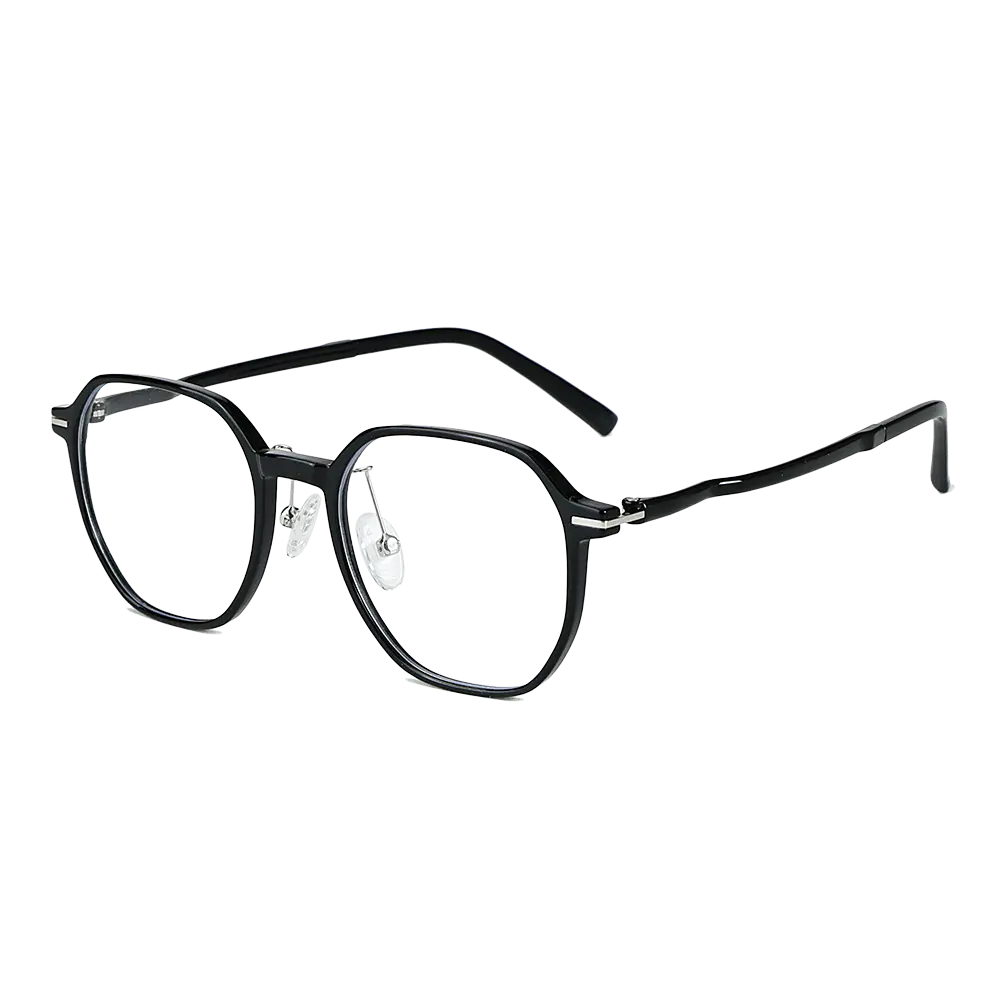
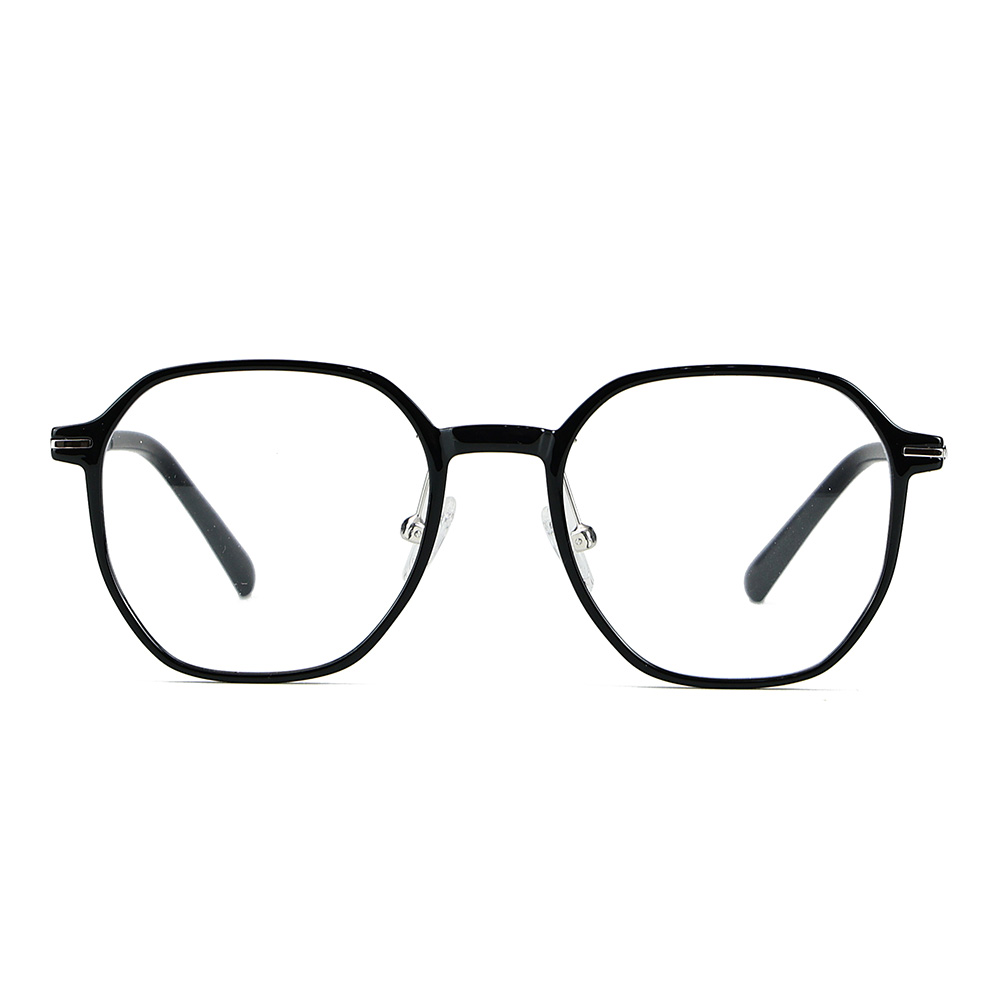
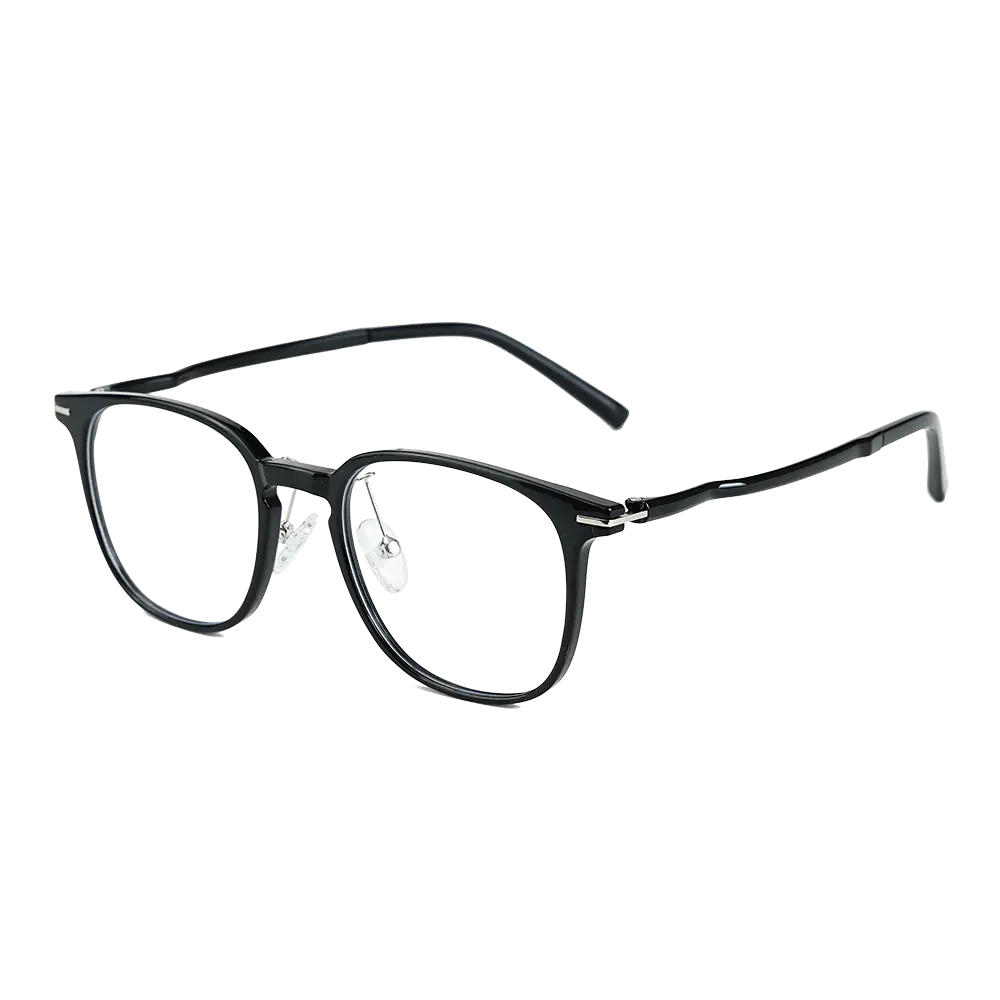
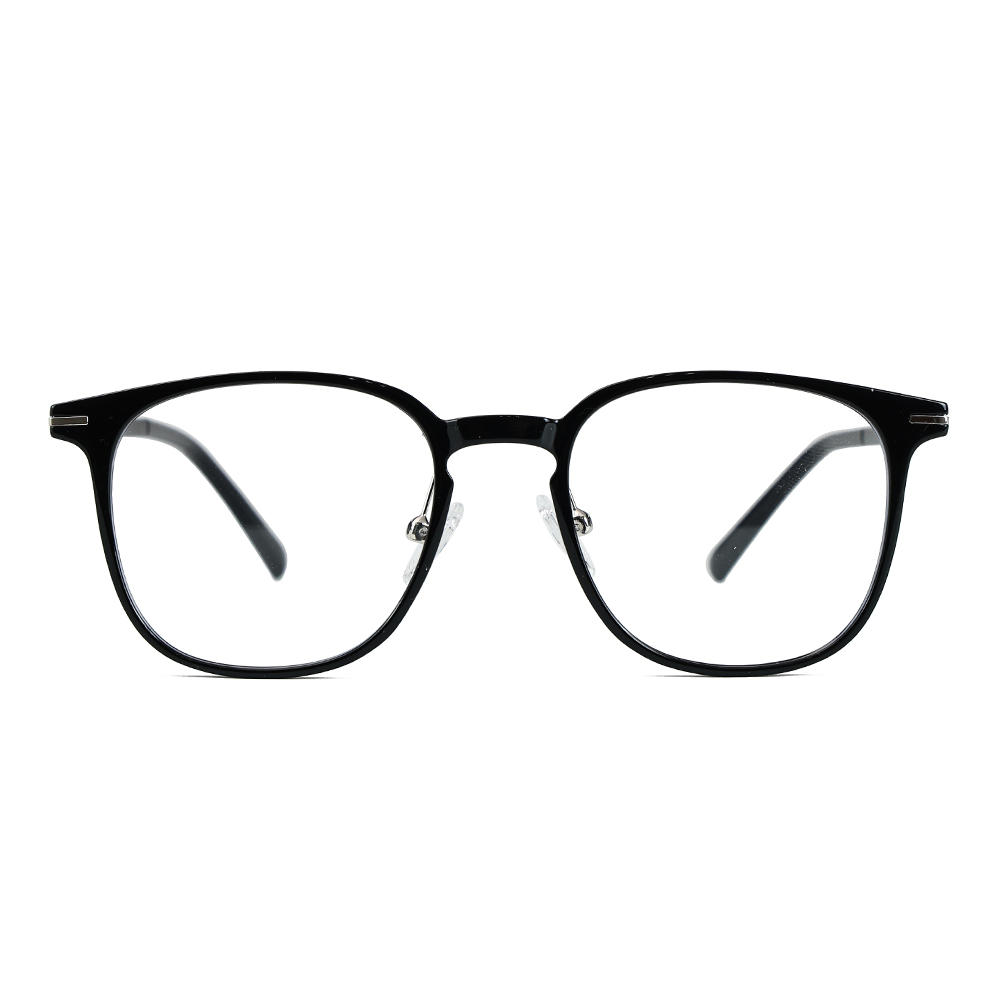
Plastic Steel Optical Glasses Wholesale and Customization Guide: Materials, Features, Sourcing Tips, and Factory Evaluation
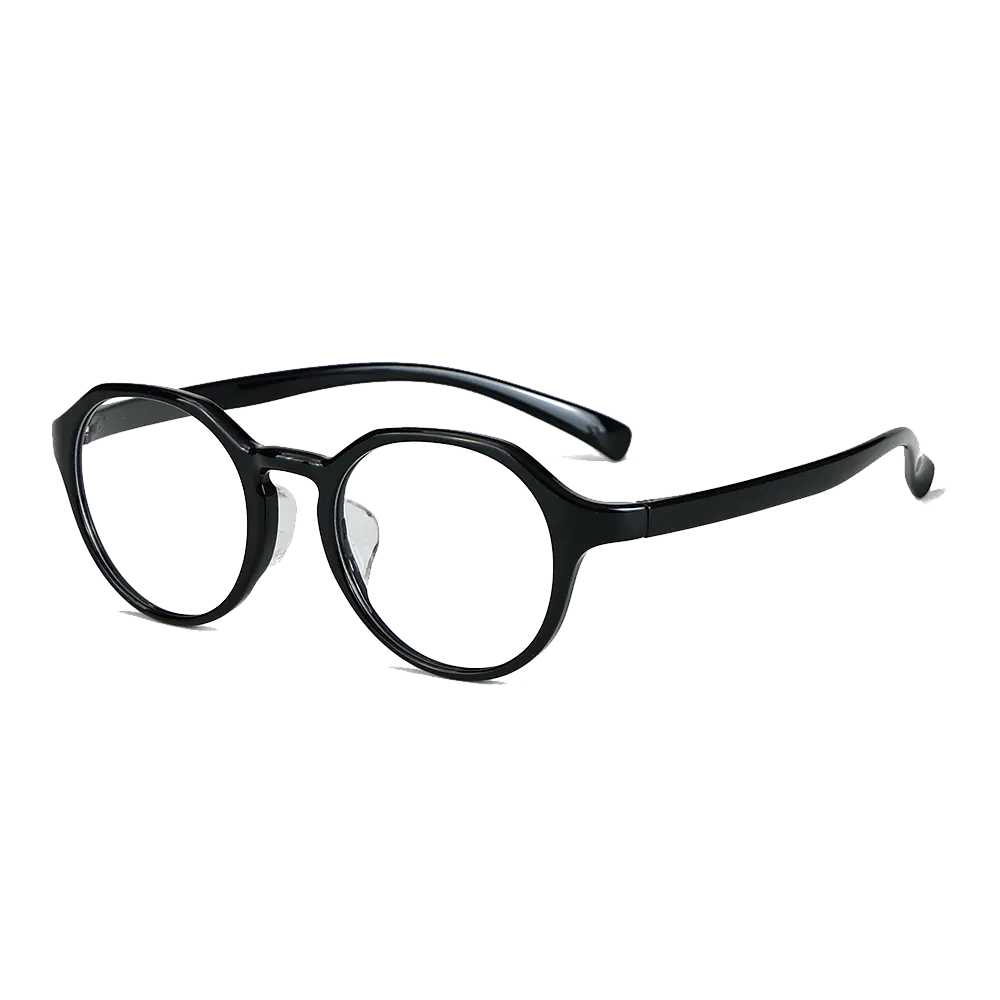
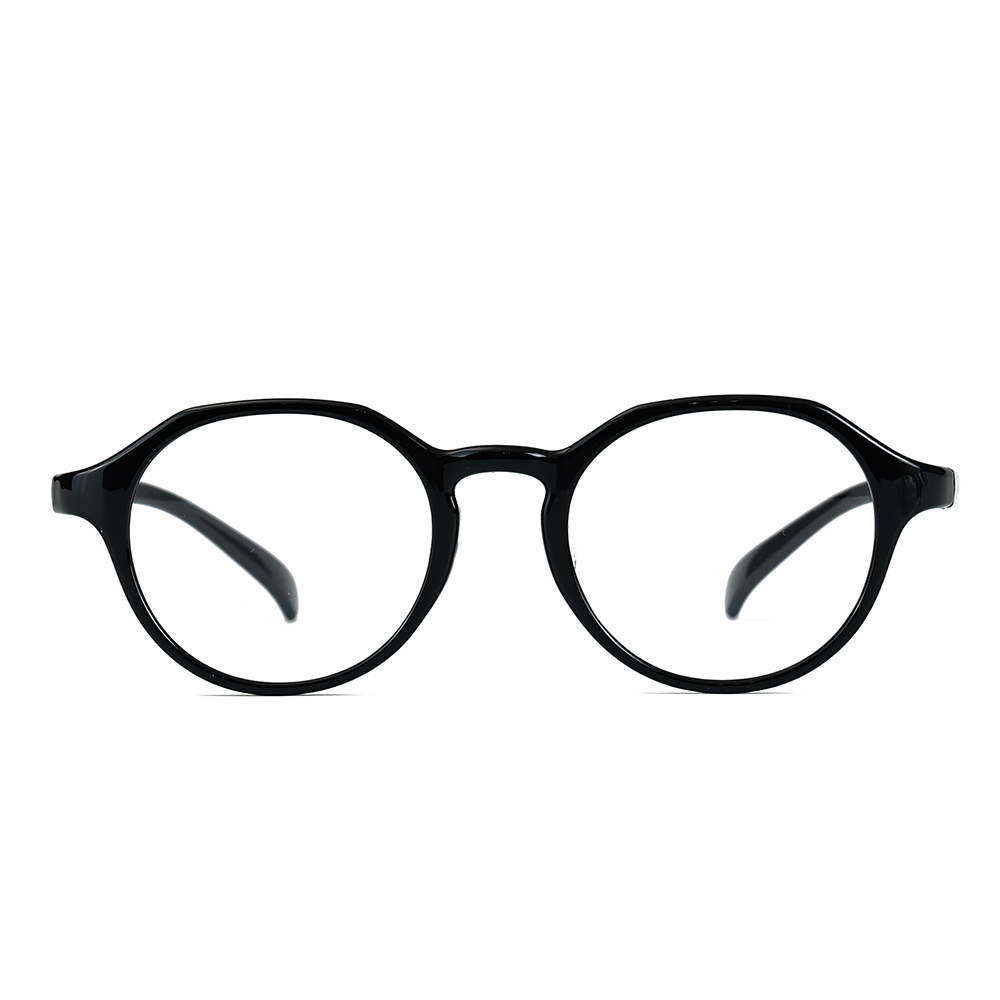
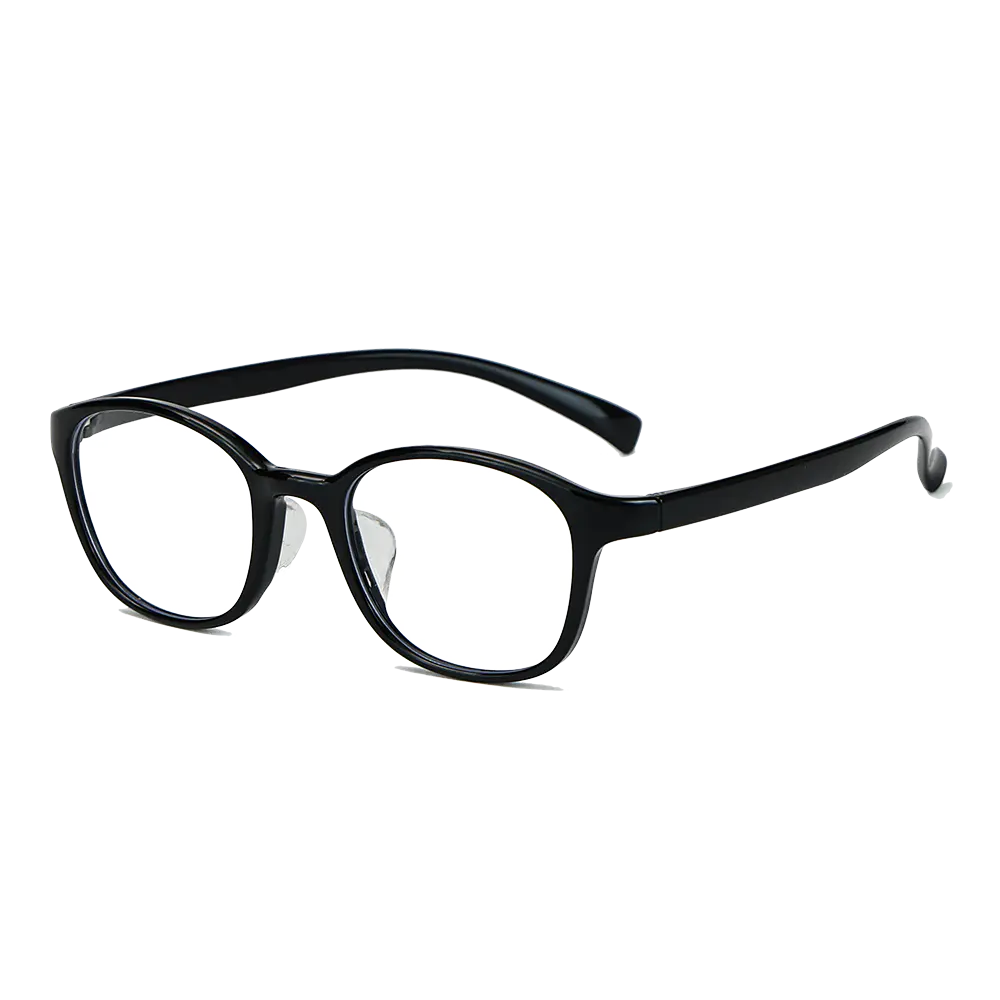
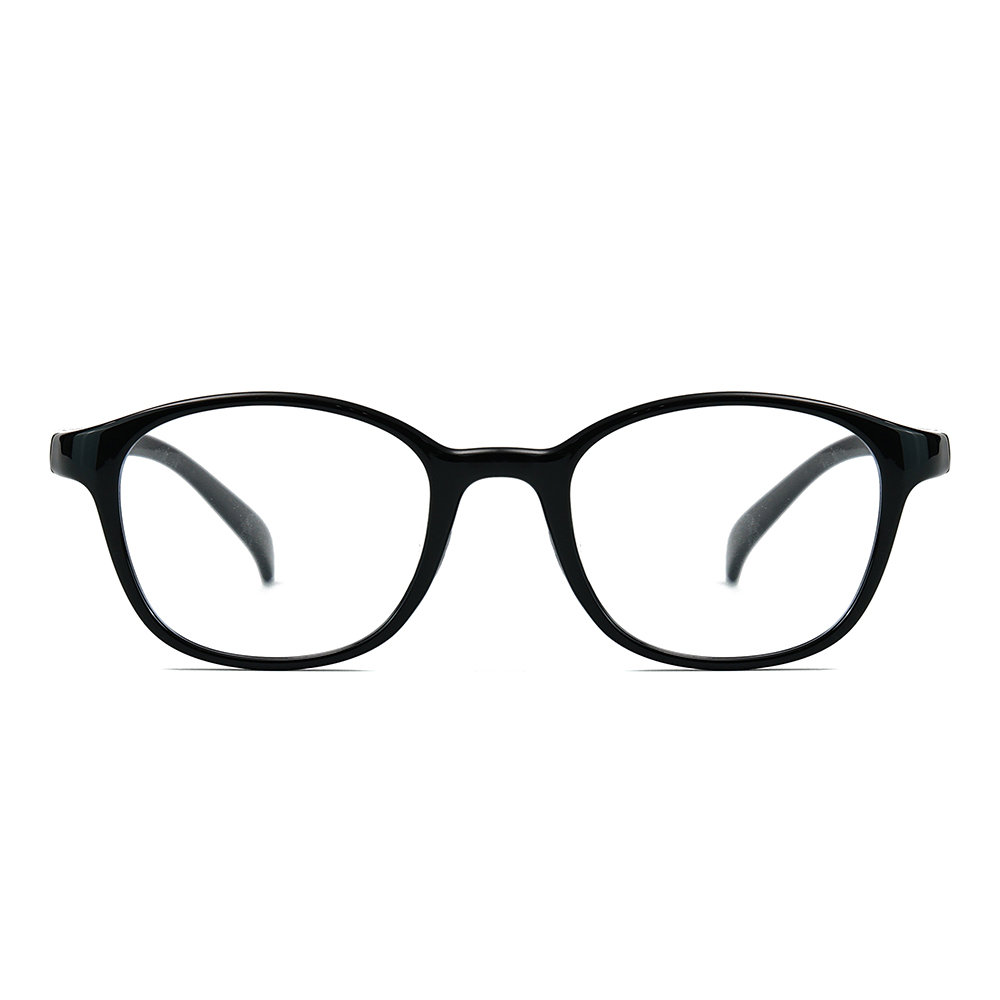
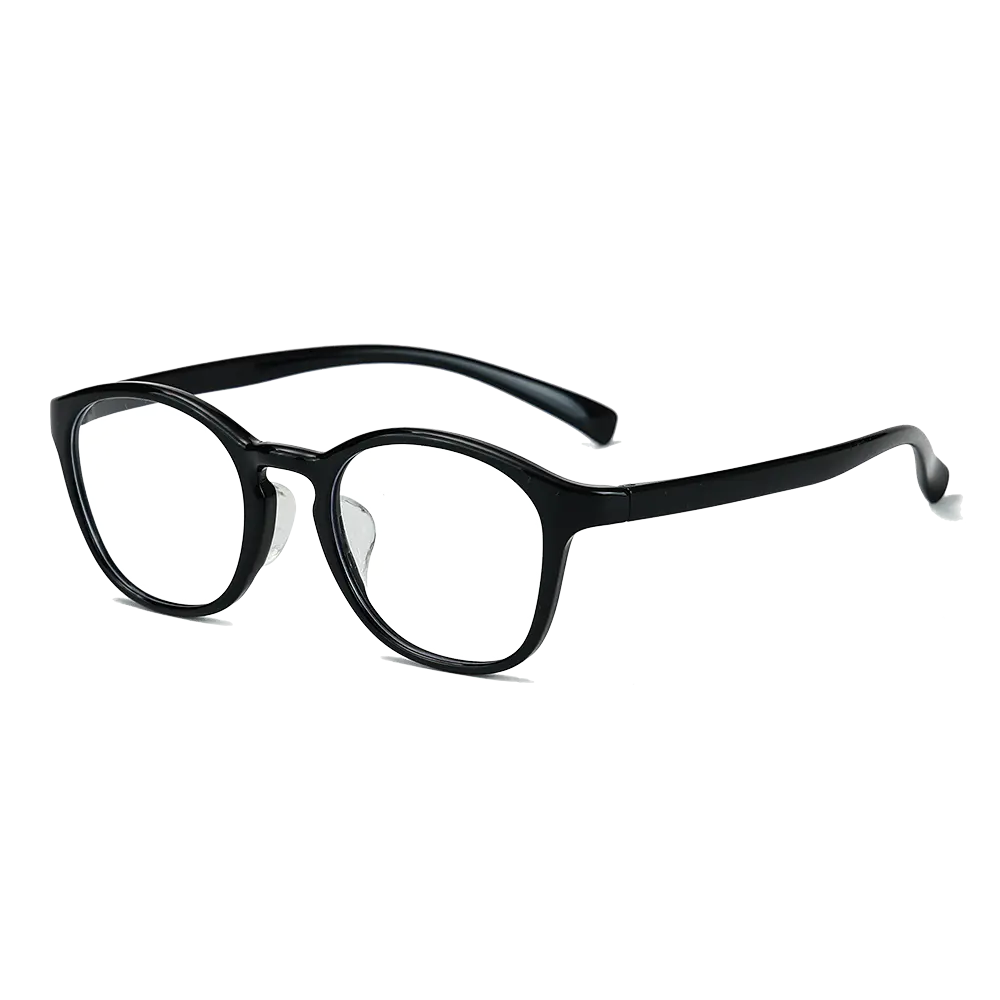
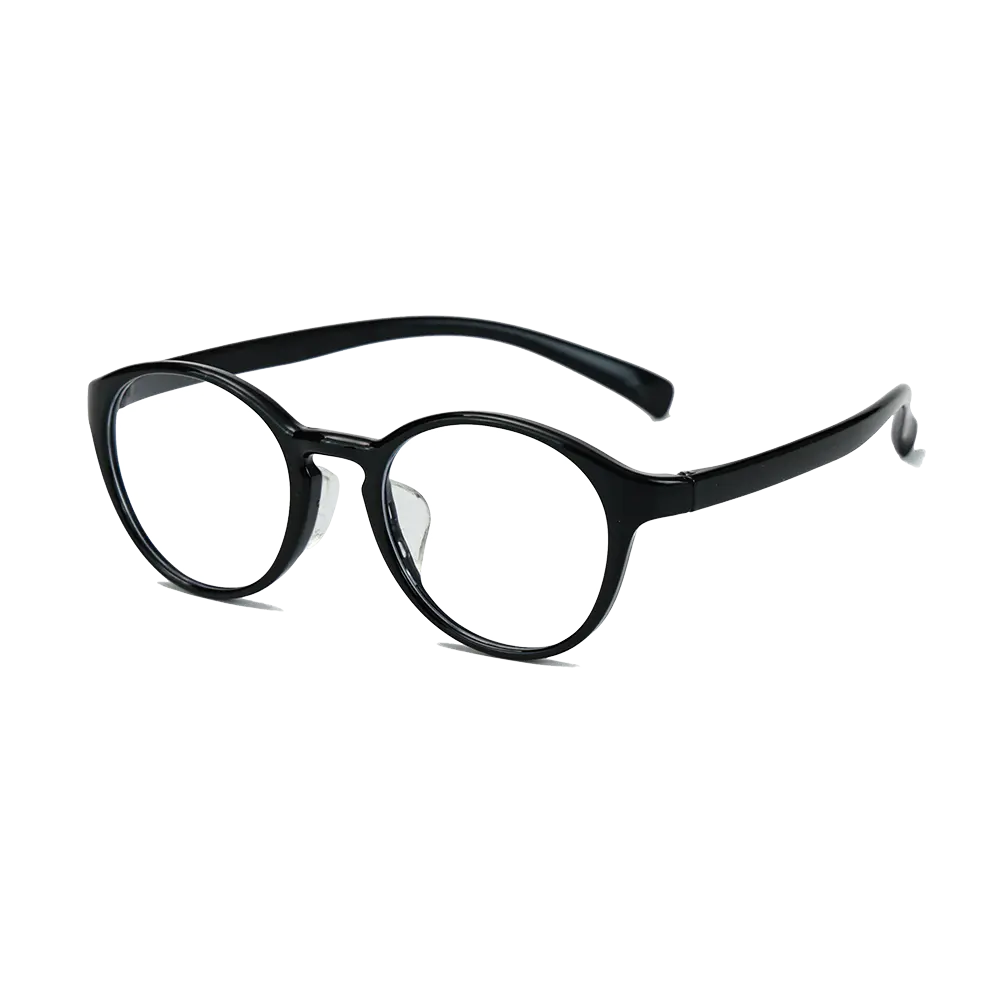
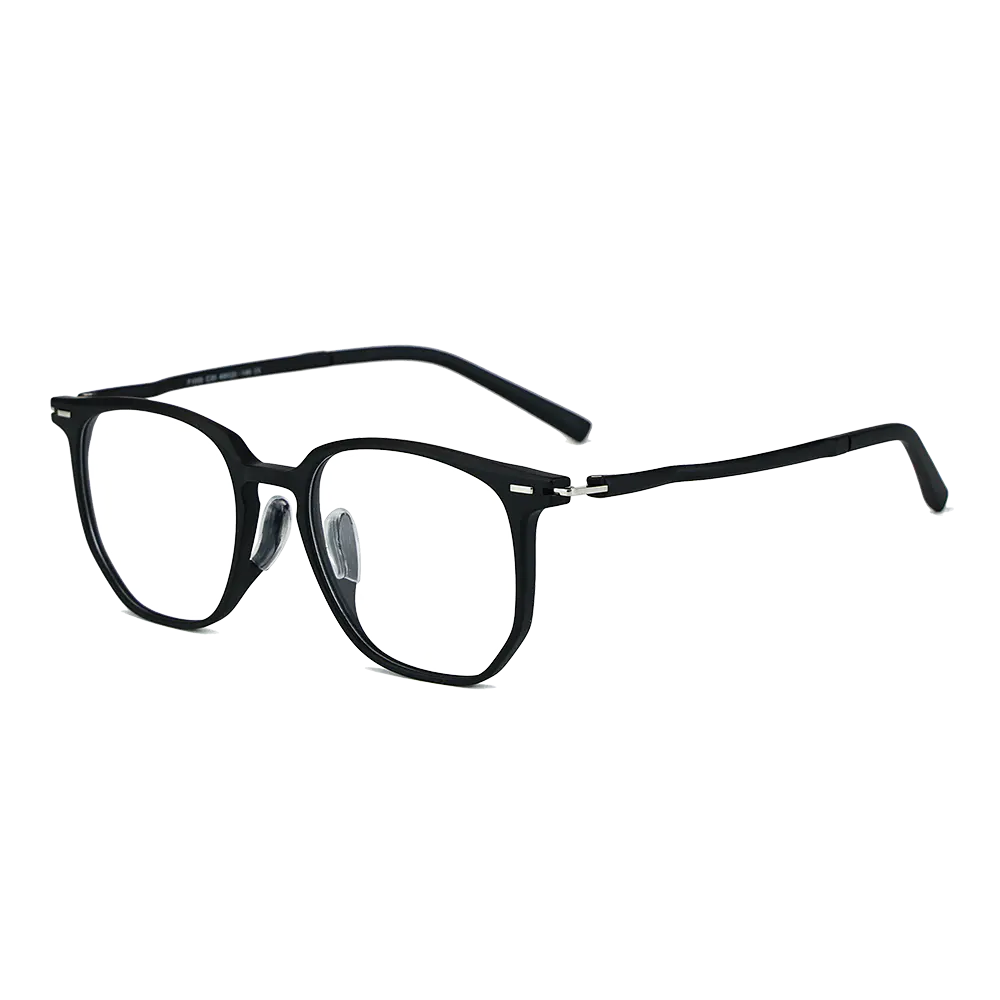
Plastic steel optical glasses are lightweight frames made from engineering-grade thermoplastic materials. In the eyewear trade, this category is closely linked with TR90 optical frames and TR90 blue light glasses. The name “plastic steel” reflects the material’s practical combination of low weight, controlled flexibility, shape recovery, and resistance to everyday wear.
These properties make plastic steel frames a suitable choice for prescription eyewear, blue light glasses, reading glasses, clear-lens fashion styles, and customized optical collections.
For volume purchasing, plastic steel optical glasses offer a useful balance of comfort, durability, design flexibility, and manufacturing cost. Compared with basic injection-molded plastic frames, TR90-style products usually feel lighter and less rigid. They can bend under reasonable pressure and return toward their original shape. Compared with many thick acetate designs, they are also easier to develop into lightweight frames intended for long periods of wear.
Computers, smartphones, tablets, and other digital devices are now part of daily work and study. As a result, TR90 blue light optical glasses continue to occupy a stable position in many international markets. Product sourcing teams, optical businesses, private-label companies, and OEM/ODM eyewear operations can use this category to create collections for different customer groups, price points, and commercial channels.
What Are Plastic Steel Optical Glasses?
Plastic steel optical glasses are produced from lightweight, flexible, and resilient plastic-based materials. In modern eyewear manufacturing, the category is often associated with TR90 optical glasses because TR90 is widely used for comfortable, durable, plastic steel-style frames.
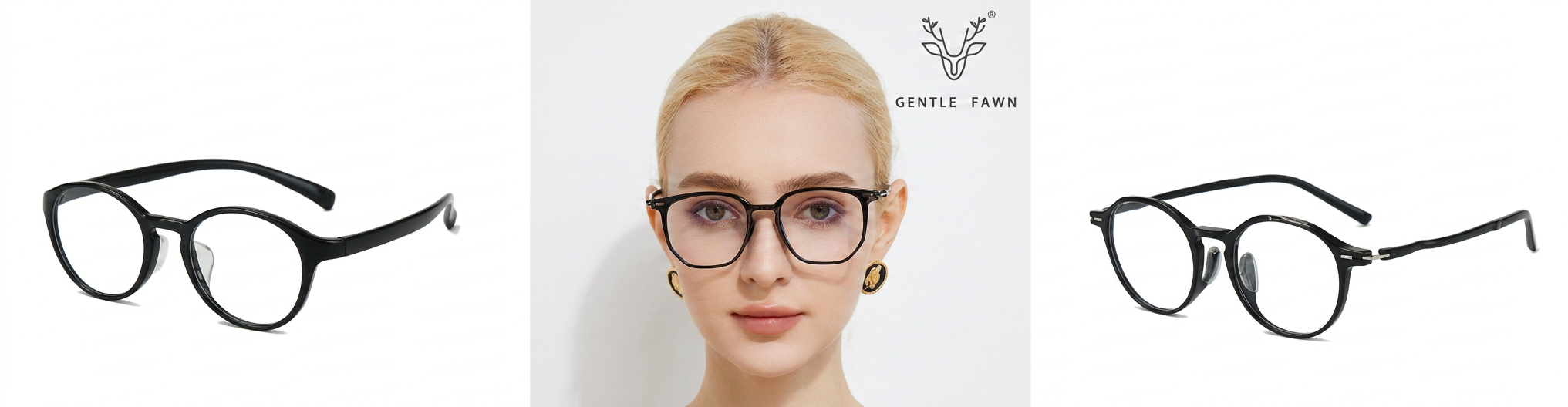
TR90 is a thermoplastic material commonly found in contemporary eyewear production. It is valued for its low weight, moderate flexibility, impact tolerance, and comfortable contact with the face. These characteristics make it especially practical for glasses worn for many hours, including during office work, study, reading, commuting, and digital device use.
Plastic steel optical glasses can be developed into several product types, including:
- TR90 optical glasses
- TR90 blue light glasses
- Reading glasses
- Clear-lens fashion glasses
- Computer glasses
- Prescription-ready frames
- Lightweight glasses for daily wear
The main advantage of this category is its adaptability. Frame shapes, colors, temple constructions, lens functions, and logo processes can all be adjusted while preserving the lightweight character of the finished eyewear.
Main Material Advantages of Plastic Steel Optical Glasses
Plastic steel optical glasses are widely used because their material properties match the practical demands of everyday eyewear. A dependable frame must remain comfortable during extended wear, tolerate frequent handling, and keep the lenses stable under normal conditions.
Lightweight Comfort
TR90-style plastic steel frames are lighter than many traditional frame materials. Lower frame weight can reduce pressure on the nose bridge, temples, and the areas behind the ears.
This benefit is particularly noticeable during office work, study sessions, reading, gaming, or prolonged screen use. A lightweight frame tends to feel less intrusive, which matters to people who keep their glasses on throughout most of the day.
Material weight alone does not determine comfort. Frame dimensions, bridge geometry, temple curvature, lens thickness, and front-to-back balance also play important roles. Good material should therefore be supported by thoughtful structural design.
Good Flexibility
Plastic steel optical glasses generally offer more flexibility than rigid, low-cost plastic frames. Under normal pressure, the frame can bend within a reasonable range and then move back toward its intended form.
This controlled flexibility may reduce the risk of damage during opening, closing, packing, transportation, and routine handling. It is especially useful for active users, younger wearers, frequent travelers, and people who use glasses for extended periods.
More flexibility is not always better. A frame that is too soft may struggle to hold lenses securely or maintain a consistent fit. A frame that is too stiff can feel uncomfortable and may be more vulnerable to stress at certain points. The appropriate balance depends on frame thickness, shape, hinge construction, and intended use.
Better Resilience
TR90 optical frames are known for practical rebound performance. After ordinary bending or moderate pressure, a correctly manufactured frame should retain or recover its shape without obvious twisting or permanent deformation.
Shape recovery matters because frame geometry affects lens security, facial fit, temple alignment, and overall comfort. A structurally stable frame is more likely to deliver consistent performance over time.
Final resilience can be influenced by several factors:
- Raw material quality
- Injection temperature and pressure
- Frame-wall thickness
- Mold accuracy
- Hinge installation
- Cooling conditions
- Storage temperature
- Packing method
For this reason, material names should never replace physical sample evaluation.
Practical Impact Resistance
Plastic steel optical glasses perform well in everyday environments such as offices, schools, homes, stores, and public transportation. Their engineering-plastic construction provides a practical degree of resistance to small impacts and frequent handling.
Impact resistance does not mean that a frame is impossible to break. Excessive force, unsuitable temperatures, incorrect lens installation, sharp twisting, or rough handling can still cause cracks and deformation.
For volume orders, samples should be examined under realistic conditions rather than approved only from photographs or appearance.
Suitable for Mid-Range and Upgraded Eyewear
Compared with ordinary plastic frames and many entry-level PC frames, TR90-style plastic steel frames are often selected for products that place greater emphasis on comfort, flexibility, and day-to-day durability.
They work particularly well for clean, lightweight designs that need to communicate better value without relying on thick or complicated structures. When combined with suitable lenses, dependable hinges, refined surface treatment, and protective packaging, plastic steel frames can support both accessible collections and upgraded private-label programs.
Why Plastic Steel Optical Glasses Are Suitable for Wholesale Purchasing
Plastic steel optical glasses are well suited to volume purchasing because they combine dependable everyday performance with broad design possibilities. The same material category can be developed into many frame shapes and matched with different lens functions, making it possible to build a varied collection without moving into heavy frame constructions.
Broad Application Range
Plastic steel frames can be paired with prescription-ready demo lenses, blue light lenses, reading lenses, UV-function lenses, and clear fashion lenses. A single frame platform may also be adapted for different markets by changing the lens configuration, frame color, logo, or packaging.
This flexibility helps purchasing teams expand their product range while keeping sourcing, sampling, and development work more manageable.
Strong Comfort Value
Comfort has a direct influence on how often glasses are worn. TR90 plastic steel frames are light and moderately flexible, which makes them practical for people who need eyewear for many hours each day.
A well-balanced frame can reduce common complaints such as excessive weight, pressure behind the ears, pinching at the temples, or discomfort around the nose bridge. In commercial terms, better comfort may contribute to stronger customer satisfaction, more favorable reviews, fewer returns, and greater repeat demand.
Easy Style Expansion
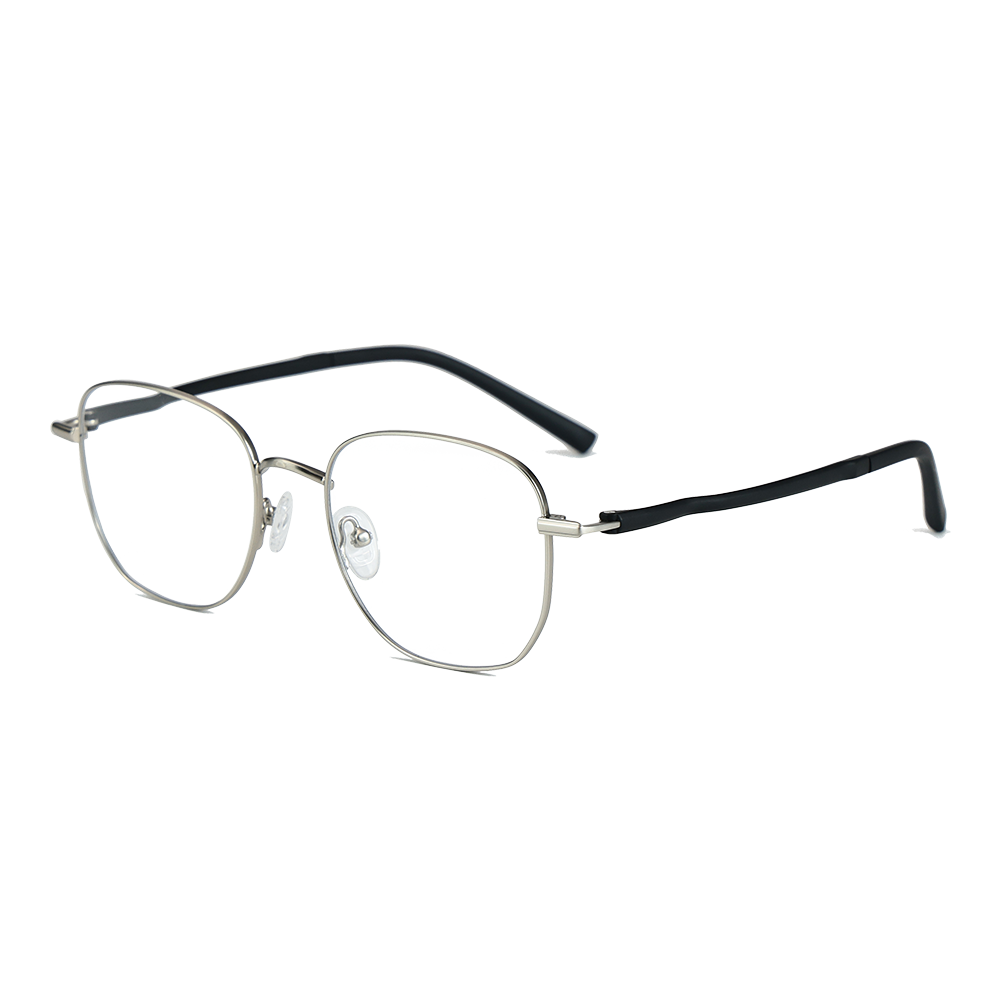
Plastic steel frames can be produced in square, round, oval, rectangular, cat-eye, oversized, and compact shapes. Available color directions may include:
- Classic black
- Crystal-clear finishes
- Transparent gray
- Tortoise-inspired patterns
- Matte surfaces
- Glossy surfaces
- Neutral tones
- Soft pastel shades
This variety supports both traditional optical collections and fashion-focused lines. A proven frame structure can also be refreshed with new colors, lens combinations, or temple details, reducing the need to redesign every component from the beginning.
Good Balance Between Cost and Value
Plastic steel optical glasses can offer stronger perceived value than basic plastic eyewear while remaining suitable for scalable production. Their low weight, practical flexibility, and clean appearance support products positioned around comfort and everyday durability.
The commercial objective should not be limited to finding the lowest unit price. A successful order depends on the balance among material quality, production consistency, packaging protection, order volume, target pricing, and expected service life.
Blue Light Lens Functions and Purchasing Notes
Plastic steel optical glasses are often paired with blue light lenses because lightweight frames are comfortable for work, study, and screen-related situations. With digital devices used extensively in professional, educational, and home environments, blue light glasses continue to serve a recognizable eyewear segment.
Blue light lenses are designed to reduce the transmission of selected blue-violet wavelengths. Their actual performance depends on the lens substrate, coating system, filter design, transmission curve, and test method.
Product descriptions should be specific and supportable. Blue light glasses should not be presented as medical treatment or as a guaranteed remedy for eye discomfort.
Common Blue Light Lens Options
The lens configuration should match the intended use, price position, and product presentation.
| Lens Type |
Main Features |
Typical Use |
| Clear blue light lens |
Natural appearance close to a standard optical lens |
Office work, studying, and general screen use |
| Light-tint blue light lens |
Slightly warmer tone with a more visible filtering appearance |
Computer use, gaming, and indoor work |
| Reading lens with blue light coating |
Near-vision magnification combined with a blue light filtering feature |
Reading, desk work, and computer use |
| UV-function lens |
Includes a stated UV-related function according to its specification |
Daily wear and indoor-to-outdoor use |
| Demo lens |
Non-prescription display lens intended for presentation or replacement |
Optical frames, sampling, and product displays |
The lens category by itself does not establish quality. Specifications, physical samples, visual clarity, coating consistency, surface condition, and available test documents should all be reviewed before an order is confirmed.
Important Purchasing Notes
Before purchasing blue light glasses, confirm the following details:
- Lens material
- Coating type
- Visible light transmittance
- Blue-violet filtering range
- Lens tint
- Surface quality
- Optical clarity
- Coating uniformity
- Available test references
- Scratch-resistance requirements
A nearly clear lens may be more appropriate for office use and fashion-oriented eyewear. A warmer lens tone can make the filtering feature more visible, but a stronger tint does not automatically mean better performance.
Avoid unsupported claims such as:
- “Cures eye strain”
- “Completely blocks all blue light”
- “Guaranteed to improve eyesight”
- “Eliminates eye fatigue”
- “Prevents all screen-related eye problems”
Professional product copy should describe the intended screen-use scenario, the relevant lens specifications, and the partial filtering of defined blue-violet wavelengths.
What Can OEM/ODM Customization Services Include?
OEM/ODM customization for plastic steel optical glasses may cover frame development, material selection, lens configuration, logo application, packaging, labeling, and inspection standards. An experienced China eyewear factory should be able to handle both modifications to established models and the development of new designs.
Customization Options
The following options are commonly considered during plastic steel eyewear development.
| Customization Area |
Available Options |
Main Purpose |
| Frame shape |
Square, round, oval, cat eye, rectangle, oversized |
Match facial preferences and market trends |
| Frame color |
Black, clear, gray, tortoise, pastel, matte, glossy |
Create visual variety within a collection |
| Lens type |
Blue light, reading, UV, demo, clear optical |
Support different functions and wearing situations |
| Logo method |
Temple printing, laser engraving, lens mark, metal logo plate |
Build recognizable product identity |
| Hinge type |
Standard hinge, spring hinge, reinforced hinge |
Adjust movement, fit, and structural stability |
| Temple design |
Full TR90, mixed-material temple, patterned temple |
Expand styling and comfort choices |
| Packaging |
Soft pouch, hard case, cloth, paper box, gift box |
Protect the glasses and improve presentation |
| Labeling |
Barcode, SKU label, care card, product sticker |
Support inventory control and channel management |
Successful customization requires more than choosing a color and placing a logo. Frame balance, lens-groove dimensions, wearing comfort, color consistency, hinge durability, print adhesion, packaging protection, and repeat-order consistency must all be considered.
A detailed specification sheet and an approved pre-production sample help ensure that both parties are working toward the same standard.
Market Trends of Plastic Steel Optical Glasses
Plastic steel optical glasses fit several long-term preferences in the eyewear market: lightweight construction, all-day comfort, practical lens functions, and uncomplicated styling. These qualities are particularly relevant where glasses are treated as both a vision product and a personal accessory.
Popular Style Directions
Current product development often combines familiar silhouettes with updated colors and lighter structures.
Classic Square Frames
Square frames remain a dependable choice for offices, schools, optical environments, and general prescription use. Their familiar proportions make them easy to include in men’s, women’s, and unisex collections.
Oversized Frames
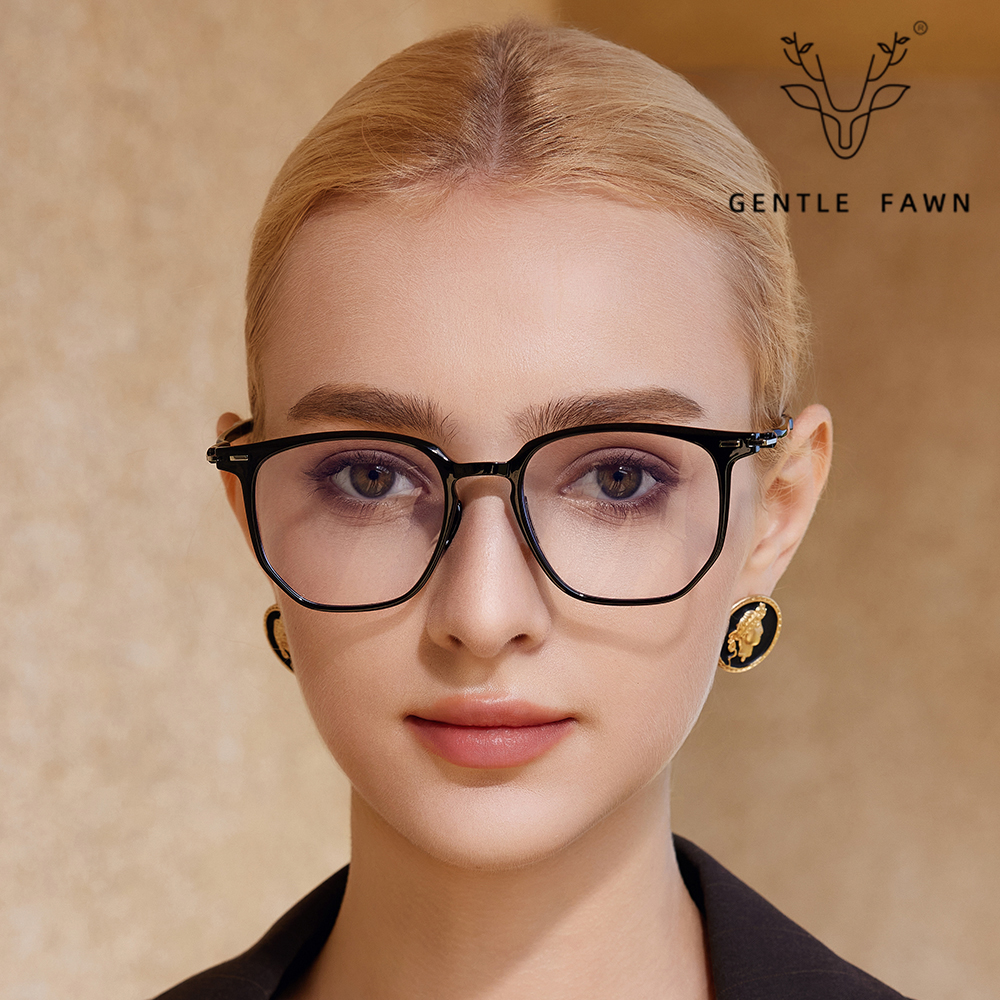
Oversized designs are frequently used for clear-lens fashion glasses and blue light eyewear. They create a stronger visual presence and provide more surface area for transparent colors, gradient effects, or distinctive finishing.
The overall frame width and lens height should still be balanced carefully. A frame can look appealing in photographs but feel heavy or unstable if the proportions are not properly controlled.
Small Round and Oval Frames
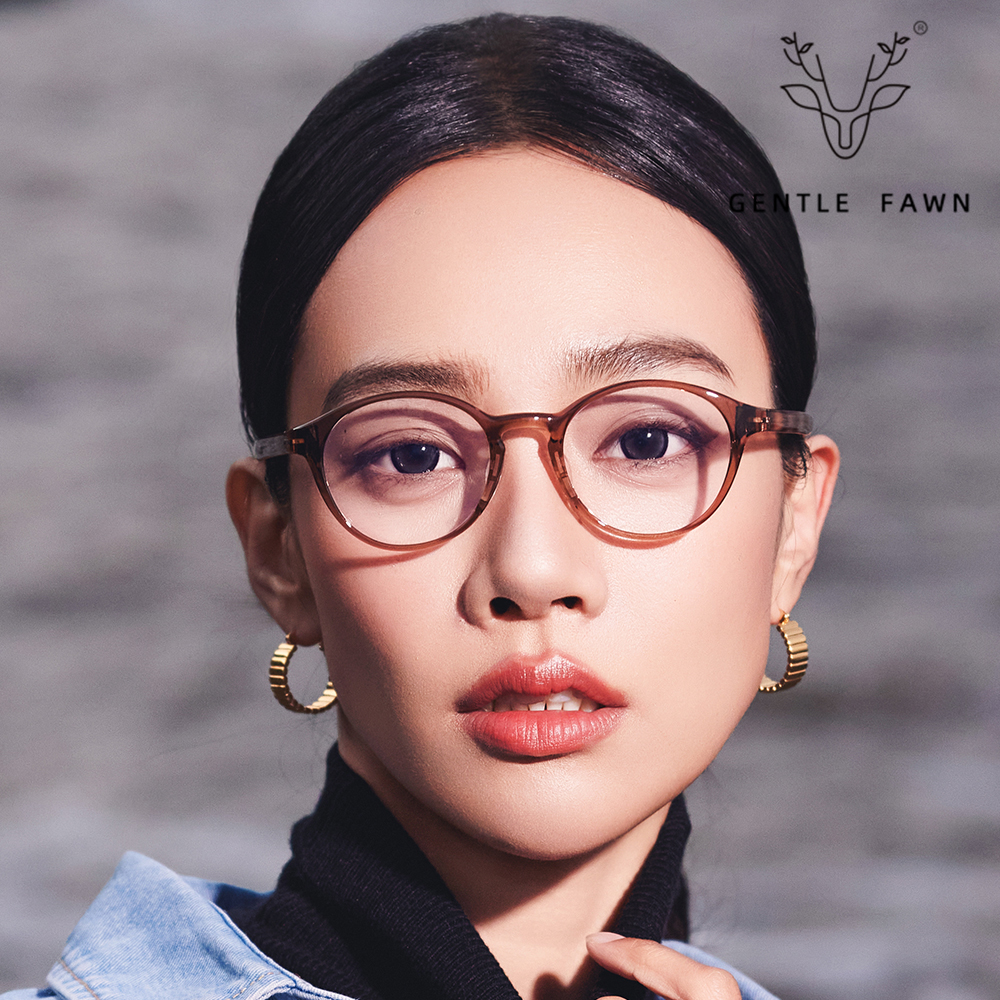
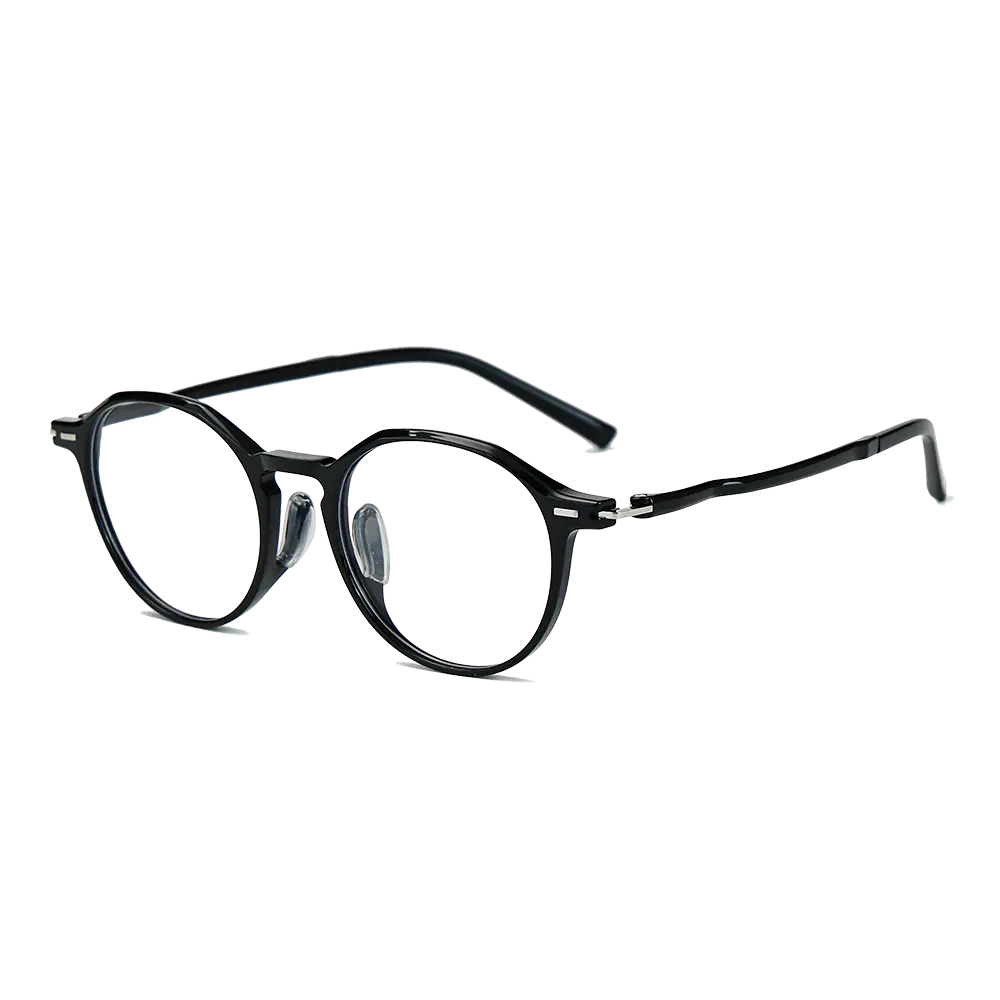
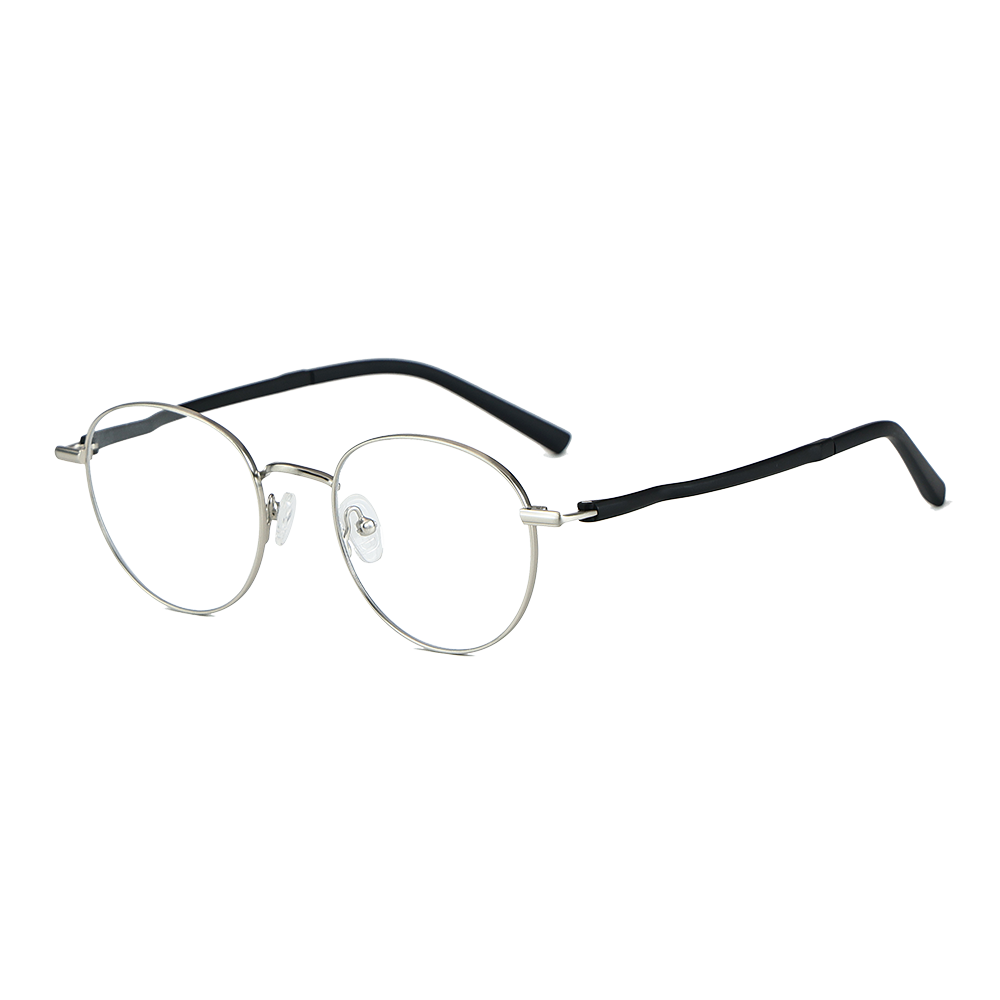
Compact round and oval frames suit retro-inspired styling and younger fashion markets. Their fit requires careful evaluation because narrow frame widths and smaller lens shapes may not suit every face.
Bridge width, temple length, and overall front width should be checked on physical samples rather than judged only from a technical drawing.
Cat-Eye Styles
Cat-eye frames continue to hold a place in women’s fashion and lifestyle collections. The design can range from a gentle upward lift to a sharper and more dramatic silhouette.
Small adjustments to the upper rim, end-piece angle, and temple connection can significantly change the finished appearance.
Transparent and Light-Color Frames
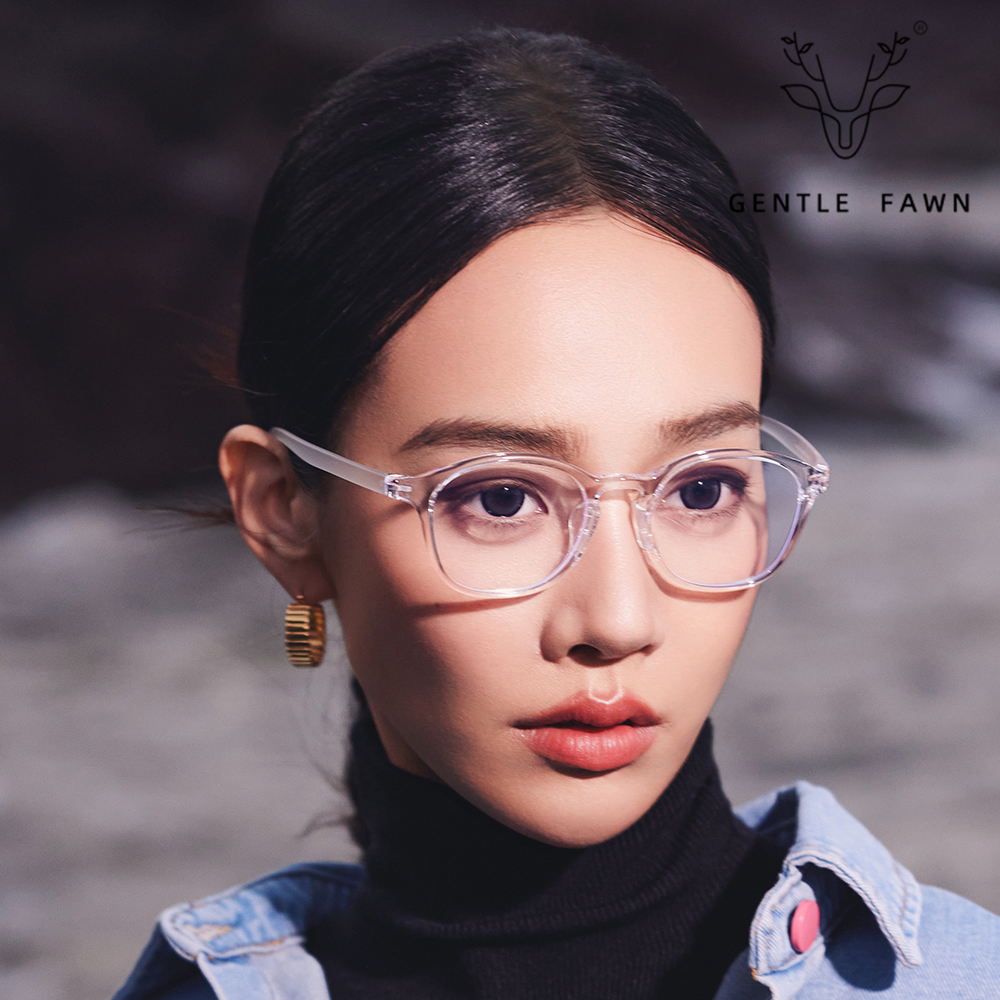
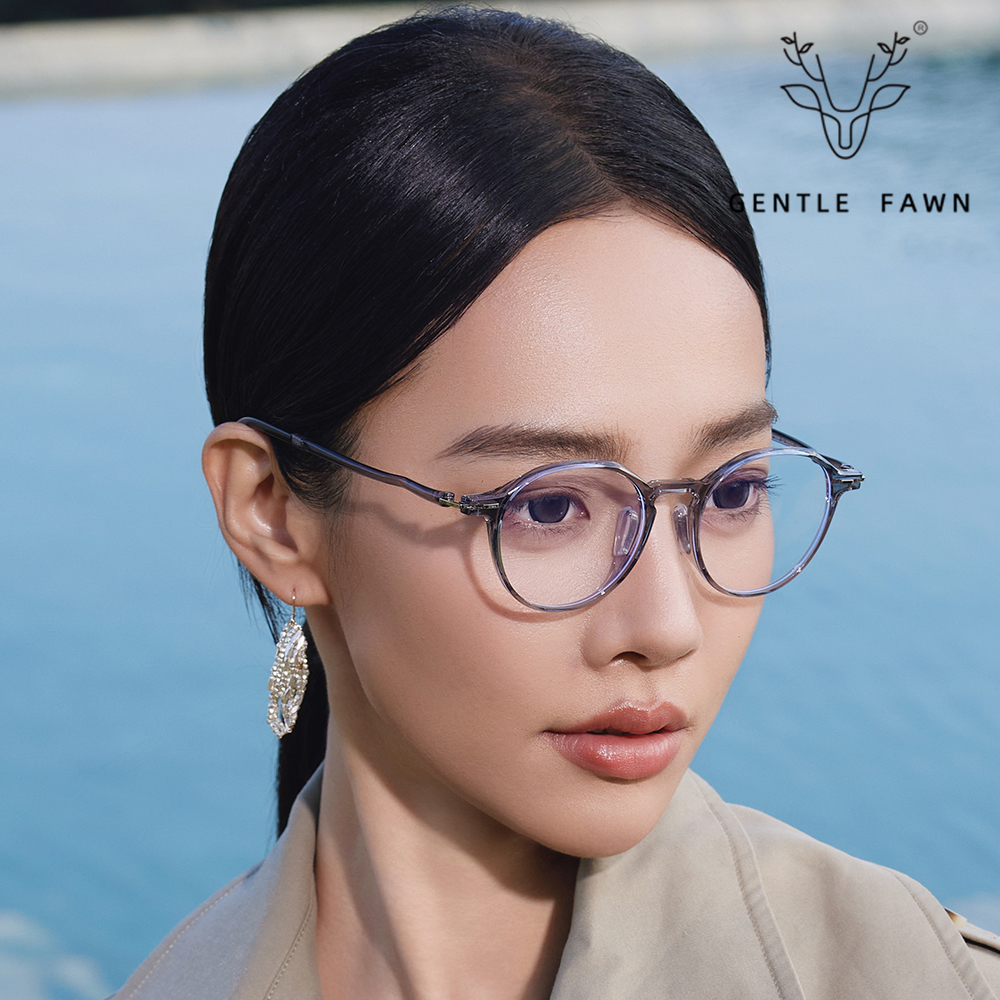
Clear, champagne, beige, smoke gray, and pastel shades perform well in product photography and can stand out in digital catalogues. These colors also create a softer alternative to traditional black and dark tortoise frames.
Color matching deserves close attention, especially for repeat production. Differences in raw material batches, injection temperature, sample lighting, and surface treatment can affect the final shade.
Lightweight Semi-Rim Designs
Semi-rim and visually lighter structures are appropriate for office, study, and everyday eyewear. They can create a clean appearance while maintaining the comfort associated with plastic steel materials.
Lens fitting, groove accuracy, thread tension, and structural stability should be tested carefully during development.
Long-Term Direction
The broader eyewear market continues to favor products that bring together comfort, function, and personal style. Blue light lenses remain a practical option for screen-related collections, while lightweight TR90-style frames support extended daily wear.
Plastic steel optical glasses are also convenient for regular product updates. Companies can respond to market feedback by changing frame colors, lens functions, temple details, logos, or packaging without replacing the entire underlying frame concept.
This makes the category useful for stable core ranges as well as seasonal launches.
Common Questions FAQ
This section covers frequent questions about materials, sourcing, production, customization, and quality evaluation.
Is TR90 the Same as Plastic Steel Eyewear Material?
TR90 is commonly used to produce plastic steel-style eyewear, but the terms are not always interchangeable. “Plastic steel” is often used as a broad commercial description for lightweight engineering-plastic frames. TR90 refers more specifically to a thermoplastic material associated with low weight, flexibility, and shape recovery.
Many plastic steel optical glasses are made from TR90 or similar engineering plastics. Even so, the material name should not be accepted as the only proof of quality. Exact requirements should be confirmed through quotations, technical descriptions, physical samples, and supporting documents when available.
When evaluating a frame, check:
- Product weight
- Flexibility
- Shape recovery
- Surface finish
- Lens fitting
- Hinge construction
- Temple alignment
- Overall balance
- Wearing comfort
Together, these details provide a more reliable assessment than terminology alone.
Why Are Plastic Steel Optical Glasses Suitable for Blue Light Lenses?
Plastic steel optical glasses work well with blue light lenses because their lightweight construction supports comfortable wear during extended screen use. These glasses are commonly used while working on computers, attending online classes, gaming, reading, or using mobile devices.
A lighter frame may reduce pressure around the nose and ears. TR90-style materials also offer controlled flexibility and useful resilience, which can be beneficial when glasses are handled frequently.
Depending on the substrate and coating, blue light lenses can reduce the transmission of selected blue-violet wavelengths. Performance should be explained through accurate specifications and available testing rather than medical promises or guaranteed health outcomes.
What Should Be Checked Before Production?
Before mass production begins, inspect the following items:
- Frame surface and finish
- Material flexibility
- Shape recovery
- Lens-groove dimensions
- Lens fitting
- Hinge movement
- Screw tightness
- Temple alignment
- Frame balance
- Color consistency
- Logo position
- Logo clarity
- Packaging protection
When blue light lenses are included, also review:
- Lens substrate
- Coating type
- Lens tint
- Optical clarity
- Visible light transmittance
- Filtering specifications
- Surface defects
- Available test references
Samples should be worn and handled, not assessed only through photographs. Open and close the temples repeatedly. View the frame from the front, side, and top. Check whether it sits evenly on a flat surface and whether the lenses remain secure.
A signed specification sheet and an approved physical sample can reduce misunderstandings and improve repeat-order consistency.
Can Plastic Steel Optical Glasses Be Customized?
Yes. Plastic steel optical glasses can be customized in frame shape, dimensions, color, lens type, temple construction, hinge type, logo process, packaging, and labeling.
Common frame shapes include:
- Square
- Round
- Oval
- Cat eye
- Rectangle
- Oversized
- Lightweight semi-rim
Available lens choices may include blue light lenses, reading lenses, UV-function lenses, demo lenses, and clear optical lenses.
Logo options can include temple printing, laser engraving, lens marking, and metal logo plates. Packaging may include soft pouches, hard cases, cleaning cloths, paper boxes, gift boxes, care cards, barcode labels, and product stickers.
Feasibility, unit cost, minimum order quantity, and production time depend on the selected frame, manufacturing process, logo method, lens requirements, color complexity, and packaging specification.
How Do Plastic Steel Frames Compare with Acetate Frames?
Plastic steel frames are generally lighter and more flexible than many acetate frames. This makes them practical for comfort-focused eyewear and long periods of daily use.
Acetate frames are recognized for rich colors, layered patterns, polished surfaces, and a more substantial fashion appearance. Depending on the design and thickness, however, acetate eyewear may feel heavier than a TR90-style plastic steel frame.
Plastic steel is often preferred when the main priorities are:
- Low weight
- Shape recovery
- Moderate flexibility
- Everyday comfort
- Scalable production
Acetate may be more appropriate when the product concept focuses on:
- Color depth
- Layered patterns
- Surface polishing
- Material texture
- A substantial visual character
Some designs use a plastic steel front with acetate or mixed-material temples. This construction can combine lightweight comfort with more decorative detailing.
Are Plastic Steel Optical Glasses Suitable for Children or Teenagers?
Plastic steel optical glasses can be suitable for children and teenagers when the frame dimensions are developed for the correct age group. Lightweight TR90-style materials may reduce facial pressure, while controlled flexibility can help the frame tolerate routine handling.
Important design points include:
- Appropriate front width
- Suitable bridge dimensions
- Smooth frame edges
- Secure and comfortable temple tips
- Stable hinge construction
- Accurate lens installation
- Appropriate lens material
- Balanced pressure around the nose and ears
The frame should not slide easily, pinch at the temples, or place excessive pressure on the nose. For younger wearers, fit, comfort, durability, and safety should receive more attention than decorative details alone.
Physical samples should be checked for real fit and everyday handling before a production order is approved.
Why Choose Zhansheng Plastic Steel Optical Glasses
Zhansheng focuses on the development and manufacture of plastic steel optical glasses, TR90 optical frames, and TR90 blue light glasses. Our factory understands the production details that influence the performance of TR90-style eyewear, including material flexibility, shape recovery, frame balance, lens-groove accuracy, hinge assembly, and long-wear comfort.
We support customized eyewear projects through frame selection, color matching, lens configuration, logo application, packaging design, barcode labeling, and export packing. Available categories include optical glasses, blue light glasses, reading glasses, clear-lens eyewear, and lightweight frames for everyday use.
Our OEM/ODM services cover both existing-model adjustments and new product development. Frame colors, lens functions, identity elements, packaging, and labels can be adapted to suit different market positions and commercial channels.
Quality control is incorporated throughout the production process. Before shipment, Zhansheng examines key details such as:
- Frame surface and finishing
- Lens installation
- Lens-fitting stability
- Hinge opening and closing
- Screw tightness
- Temple alignment
- Frame balance
- Logo position and clarity
- Color consistency
- Packaging protection
- Export carton condition
Through practical manufacturing experience, direct communication, and responsive project coordination, Zhansheng helps overseas purchasing teams develop plastic steel optical glasses that are comfortable, stable, customizable, and suitable for long-term commercial programs.
Plastic steel optical glasses bring together low weight, flexibility, shape recovery, and broad application potential. TR90-style frames can be developed for optical eyewear, blue light glasses, reading glasses, clear-lens fashion products, and customized private-label collections.
This category offers meaningful advantages in comfort, daily durability, style development, and production efficiency. With suitable lenses, protective packaging, consistent inspection, and experienced OEM/ODM manufacturing, plastic steel optical glasses can become a dependable product line for international eyewear markets.


 Español
 русский
 عربى
عربى