
 Español
 русский
 عربى
عربىIndustry News
Home / News / Industry News / How Does Lens Size Influence the Style of Large Square Cat Eye Sunglasses

Lens size can change the way a pair of sunglasses sits within an overall face shape. With a square frame and an upward cat eye angle, even a small adjustment in lens proportion can affect the visual weight, face coverage, and relationship between straight edges and curved lines.
For Large Square Cat Eye Sunglasses, lens size is therefore closely connected with the character of the frame. A larger lens can make the frame appear broader and create a stronger visual presence, while a slightly smaller lens can leave more space around the eyes and bring the design toward a quieter retro direction.
The result depends on more than lens area alone. Frame thickness, corner shape, brow structure, and the natural proportions of the wearer can all change how the same lens size is perceived.
The lens is one of the largest visible areas in a pair of sunglasses, so its size naturally affects where attention falls. When the lens becomes wider or taller, it occupies more of the frame and changes the balance between the inner opening and the outer border.
A square frame already introduces clear horizontal and vertical lines. The cat eye shape then adds an upward movement toward the outer corners. Lens size determines how strongly these two visual directions appear together.
A larger opening can make the frame feel more open across the face. At the same time, the increased coverage can give the frame a heavier appearance, particularly when paired with a thick frame or a pronounced brow line.
A smaller opening creates a different relationship. More frame material remains visible around the lens, while the face occupies a larger part of the area inside the frame. The result can feel closer to a traditional retro shape without relying entirely on decorative details.
Several elements work together:
Looking at these elements together gives a clearer picture of why two frames with a similar outer shape can still have noticeably different styles.
Increasing lens size changes more than the amount of glass or lens material visible from the front. It also changes the relationship between the lens opening and the frame surrounding it.
With a broad lens area, the eyes and upper face can become more visually connected with the sunglasses. The frame may appear wider, while the outer corners can create a stronger upward direction. When a bold brow line is added, the upper part of the frame may carry additional visual weight.
For Large Square Cat Eye Sunglasses, this combination can create a fashion‑oriented appearance without requiring complicated decoration. The shape itself provides much of the visual character.
However, a larger lens does not automatically create the same effect on every face. Facial proportions, frame width, and the position of the eyes within the frame can alter the overall impression.
A large lens may be useful when the design aims to emphasize:
The material surrounding the lens also matters. A thick acetate‑style frame, for example, can make a large lens feel visually heavier than a slimmer frame with a similar opening. The lens size and frame structure should therefore be considered as a pair rather than as separate features.
Reducing the lens size changes the amount of space between the eyes and the surrounding frame. More of the frame becomes visible, while the face is less covered by the lens opening.
For someone with smaller facial features, a very large lens may occupy a large portion of the visible face. A slightly smaller opening can create more breathing room around the eyes and help the frame relate more naturally to the wearer's proportions.
The change can also affect the mood of the design. Instead of emphasizing a large visual statement, a smaller lens can bring attention to the frame's shape, including its upper corners and curved outer edges.
| Lens Proportion | Visual Effect | Design Consideration |
| Larger opening | More face coverage and stronger visual weight | Balance with frame thickness and corner angle |
| Moderate opening | More even relationship between lens and frame | Suitable when both shape and lens need attention |
| Smaller opening | More visible frame and a quieter appearance | Consider facial proportions and eye position |
A smaller lens does not necessarily mean a less distinctive design. The cat eye angle can remain clear even when the lens opening is reduced. In some designs, the visible frame border becomes an important part of the style because it gives greater definition to the square outline.
The lower edge is another factor worth watching. A smaller lens combined with a sharp lower corner can retain a strong geometric appearance, while a slightly rounded lower edge can make the same general shape feel softer.
Lens size becomes easier to assess when it is considered alongside facial width, height, and feature placement. Face shape alone does not determine whether a particular lens proportion will look suitable.
A square frame creates clear lines across the face. When its outer corners rise toward the temples, the cat eye shape introduces a lifting direction. Larger lenses can make that upward angle more noticeable because the lens opening extends farther toward the outer portion of the frame.
The effect can be different on a narrow face. A broad lens may extend noticeably beyond the natural width of the facial features, creating a stronger frame presence. On a wider face, the same lens proportion may appear more integrated with the overall facial width.
Vertical proportion matters as well. A taller lens covers more of the area around the eyes and upper cheeks. A shorter lens leaves more facial area visible, which can make the frame feel lighter even when its horizontal width remains substantial.
Rather than matching a lens to a face shape by one simple rule, several relationships can be considered:
These details explain why lens size can change the style of Large Square Cat Eye Sunglasses even when the basic frame outline remains unchanged. The next consideration is the shape of those edges, especially where the square lower corners meet the softer curves of the cat eye design.
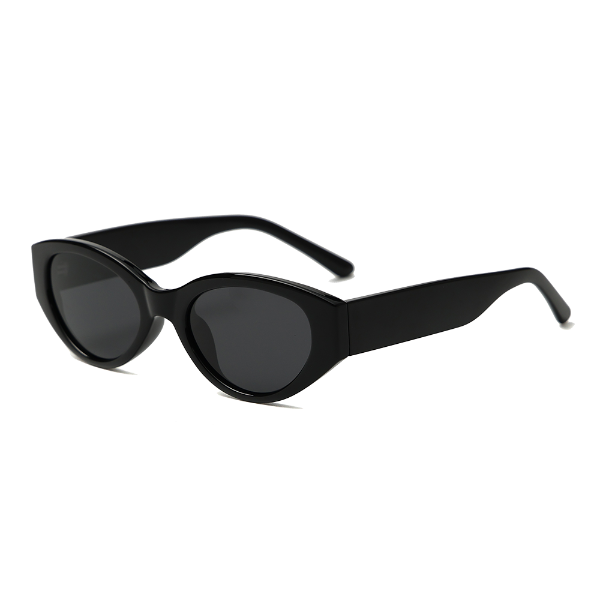
Lens size and lens shape work together. A large square opening can create clear geometric lines, yet the corners determine how hard or soft that geometry appears. This becomes particularly noticeable at the lower corners, where a strong angle can make the frame feel more structured.
On a face with an angular jawline, a very sharp lower corner may visually repeat the same direction. The combined effect can make the overall appearance feel more rigid. A lower edge with a gentle curve can create a different balance by keeping the square structure while reducing the visual emphasis of the corner.
The upper outer corner has another role. A cat eye frame usually moves upward toward the temple, so the angle can draw attention away from the center of the face. A larger lens can make that movement more visible because the lens opening follows a broader section of the frame.
Small changes in edge shape can therefore affect the relationship between the geometric and curved parts of the design.
For example:
The choice does not need to remove the square character. It is more about deciding how the straight lines and curved sections interact. For Large Square Cat Eye Sunglasses, that balance can have as much influence on the overall style as lens size itself.
Once lens size, face proportion, and corner shape are considered together, the difference between design directions becomes clearer. A large lens can give the frame a broad visual footprint, while a smaller opening can bring more attention to the frame border.
A fashion‑oriented design may use a larger lens together with a wide brow line and substantial frame construction. The result can have a strong editorial character without relying on extra decorative elements.
A more understated retro direction may use a somewhat smaller lens opening. The square outline and cat eye corners remain visible, yet the face is less covered. The relationship between the frame and the eyes becomes more balanced.
The visual style can also change through combinations of features rather than lens size alone:
| Design Element | Larger Lens Direction | Smaller Lens Direction |
| Face coverage | Broad | More limited |
| Frame visibility | Less surrounding border | More visible border |
| Cat eye angle | Can appear more pronounced | More dependent on corner shape |
| Square structure | Broad visual footprint | More defined by the frame border |
| Retro character | Can feel more expressive | Can feel more restrained |
Frame thickness can shift these impressions further. A slim frame around a large lens may keep the design visually open, while a thicker frame can add weight around the same lens area. Lens color can also affect how much of the eye area remains visually connected to the rest of the face.
The design process therefore involves several connected choices. Lens size sets the basic coverage, while frame construction and edge treatment determine how that coverage is perceived.
Lens size also has a practical side. A larger lens can cover more of the area around the eyes and may reduce the amount of light entering from the sides, depending on the frame fit and lens design.
Coverage should not be considered separately from how the sunglasses sit on the face. A large lens with a frame that does not fit well may leave gaps around the sides or sit in an uncomfortable position. The shape of the frame, bridge area, and temple placement all contribute to the actual wearing experience.
For outdoor use, broader coverage can be useful when the surrounding environment produces light from different directions. The benefit comes from the combination of lens area and frame position rather than size alone.
There are also practical considerations when the lens becomes larger. A bigger lens requires an appropriate frame structure, and the overall construction needs to remain suitable for regular handling. The design should account for how the sunglasses are placed on the face, removed, stored, and transported.
Cleaning is another everyday consideration. A larger surface provides more area that can collect dust, fingerprints, or water marks. Simple handling habits can therefore become part of keeping the sunglasses in usable condition.
Lens size can influence the overall weight of sunglasses, particularly when a large lens is combined with a thick frame. Material choice becomes relevant because the front of the frame sits across the bridge of the nose and remains connected to the temples during wear.
Prescription sunglasses can require additional consideration. Some lens materials may become heavier as the lens area increases, while lighter materials can help manage the overall construction. The final choice depends on prescription requirements, frame shape, lens thickness, and the intended use.
A large square frame can also create a broader contact area around the face. That may change how weight is distributed, especially when the frame has a substantial brow line or thick temples.
Designers and manufacturers may therefore consider several points together:
The visual appeal of Large Square Cat Eye Sunglasses is closely tied to proportion, yet practical design cannot stop at appearance. Lens coverage, frame construction, material choice, and facial fit all influence how the finished sunglasses behave in everyday use.
A change in lens size can therefore affect several parts of the design at once. It can shift the visual center of the frame, alter face coverage, change the relationship between sharp corners and curved lines, and influence the weight carried by the frame. Looking at these factors together gives a clearer way to assess how different lens proportions shape the character of a large square cat eye design.

Combining fine craftsmanship with automation technology, we create glasses that are competitive in the market.
 No. 7-1, Dengtou Industrial Zone, Duqiao Town, Linhai City, Taizhou City, Zhejiang Province
 +86-13666884088
 +86-13666884088
 +86-573-85505155
 [email protected]
Copyright © Zhejiang Zhansheng Glasses Co., Ltd.Rights Reserved.
OEM Eyeglass & Glasses Manufacturer
