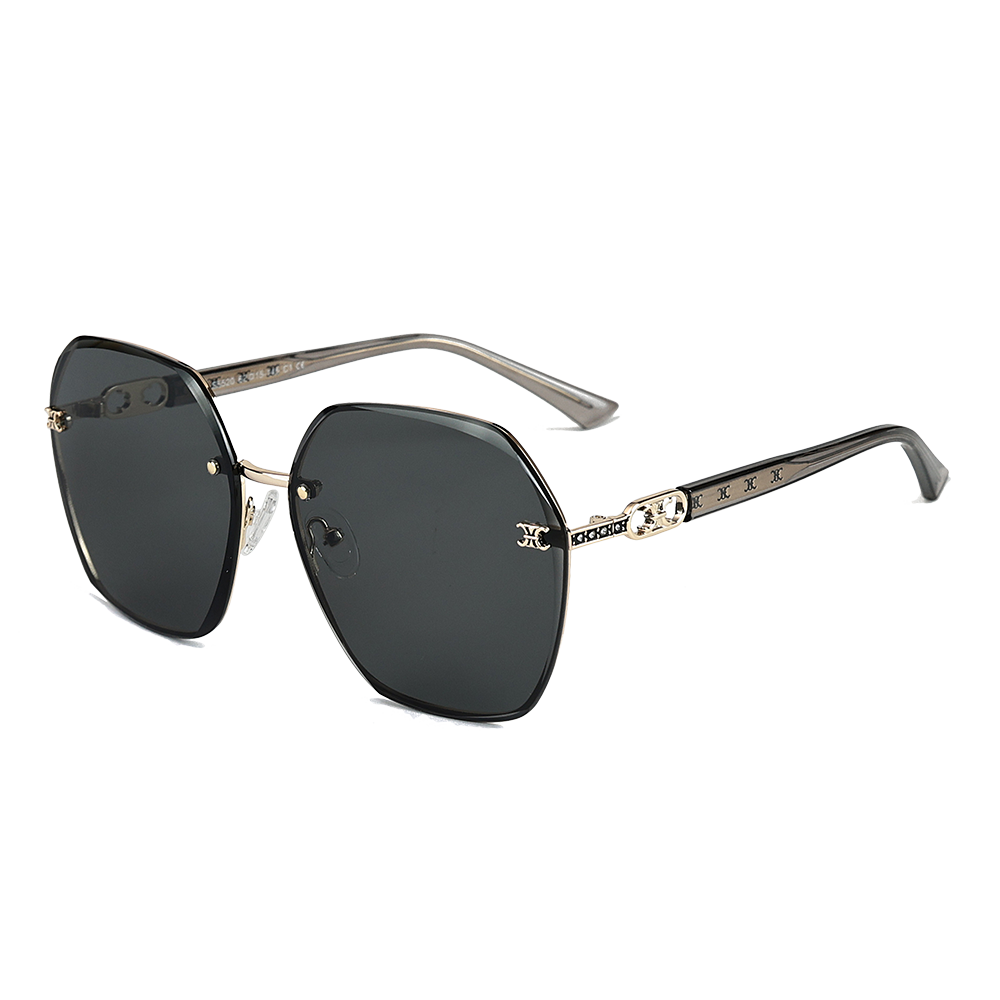
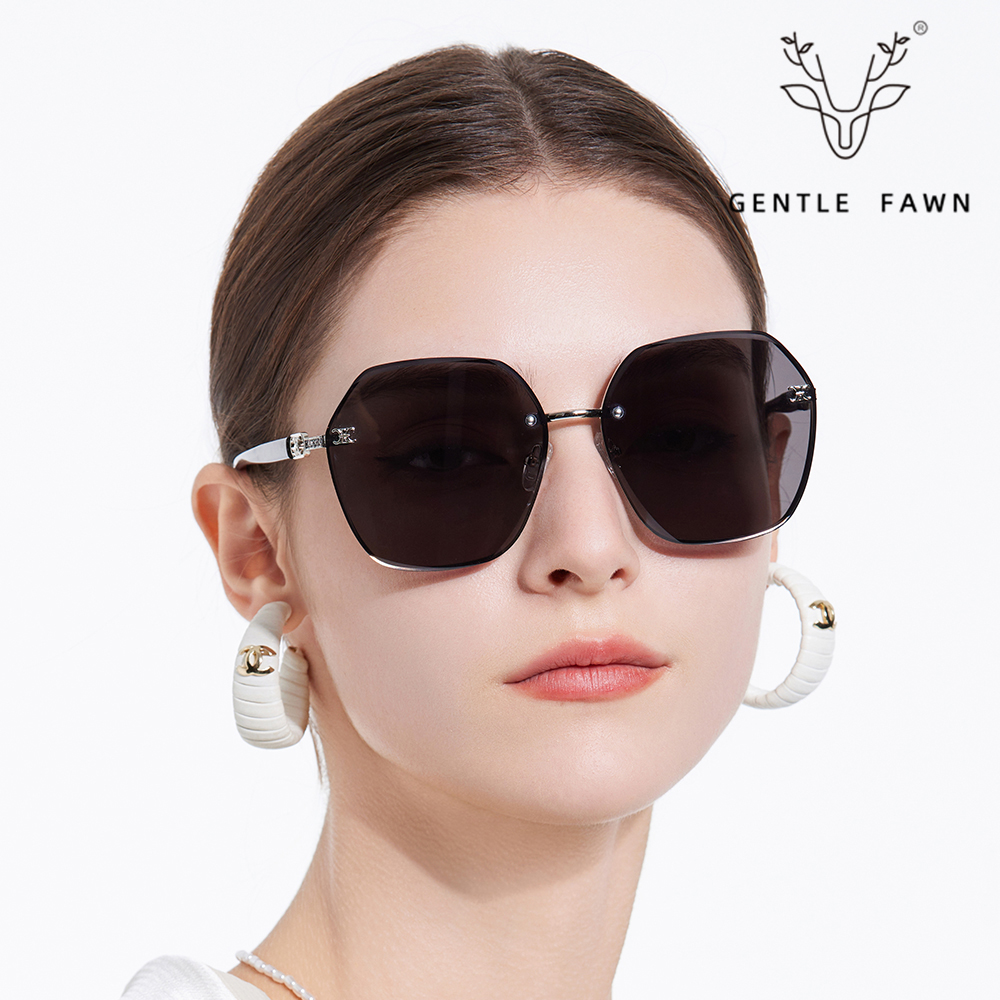
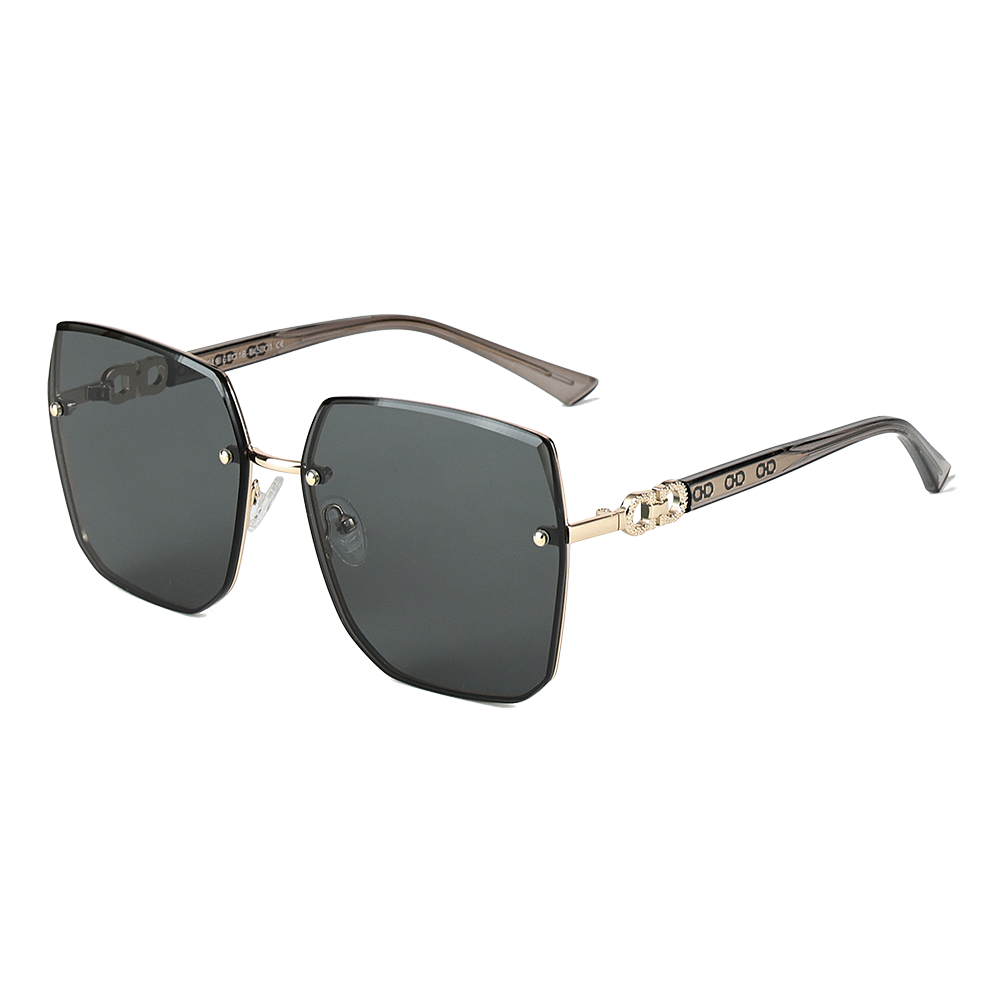
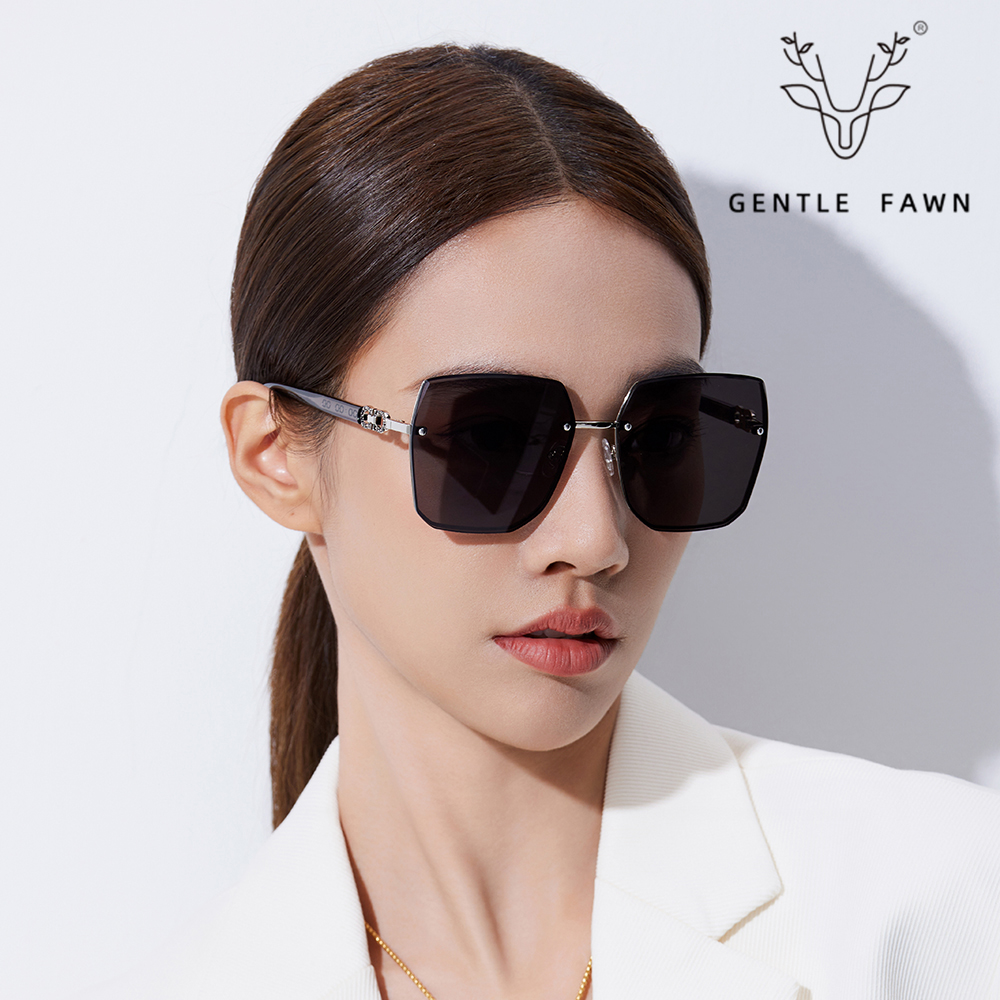
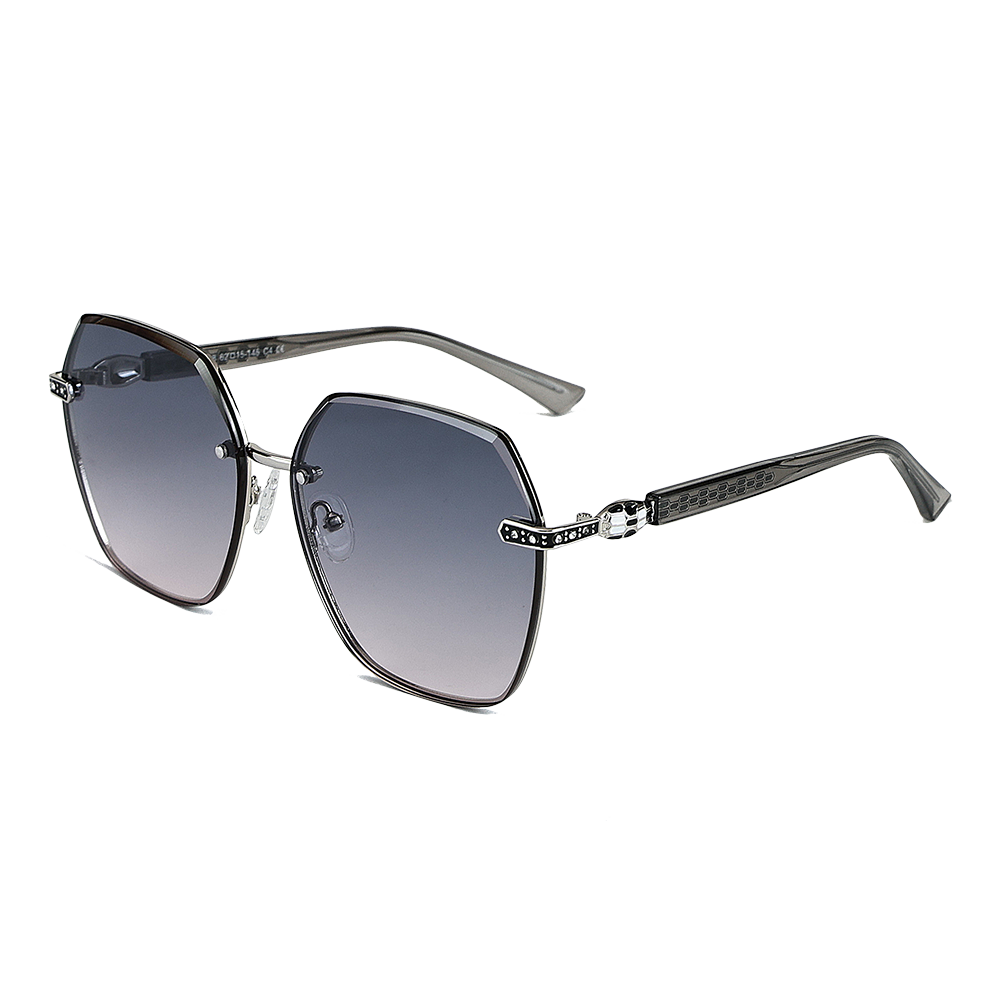
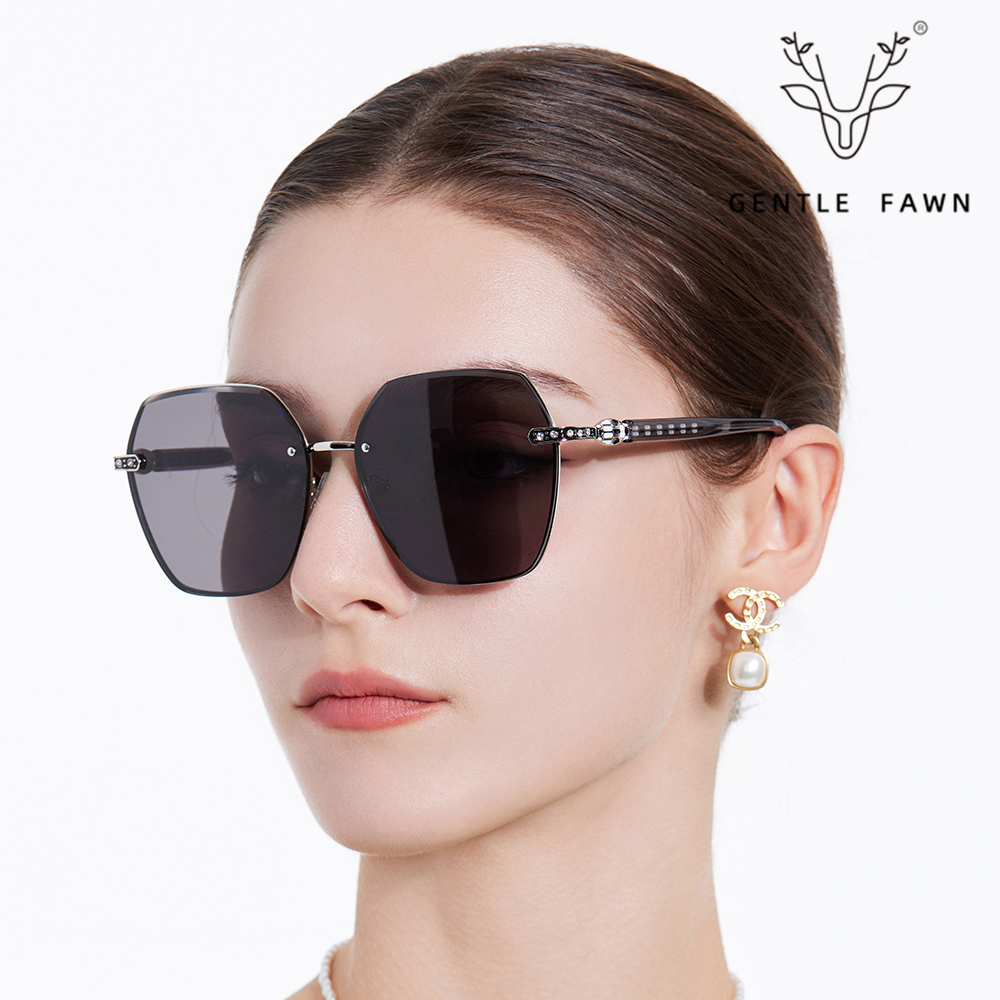
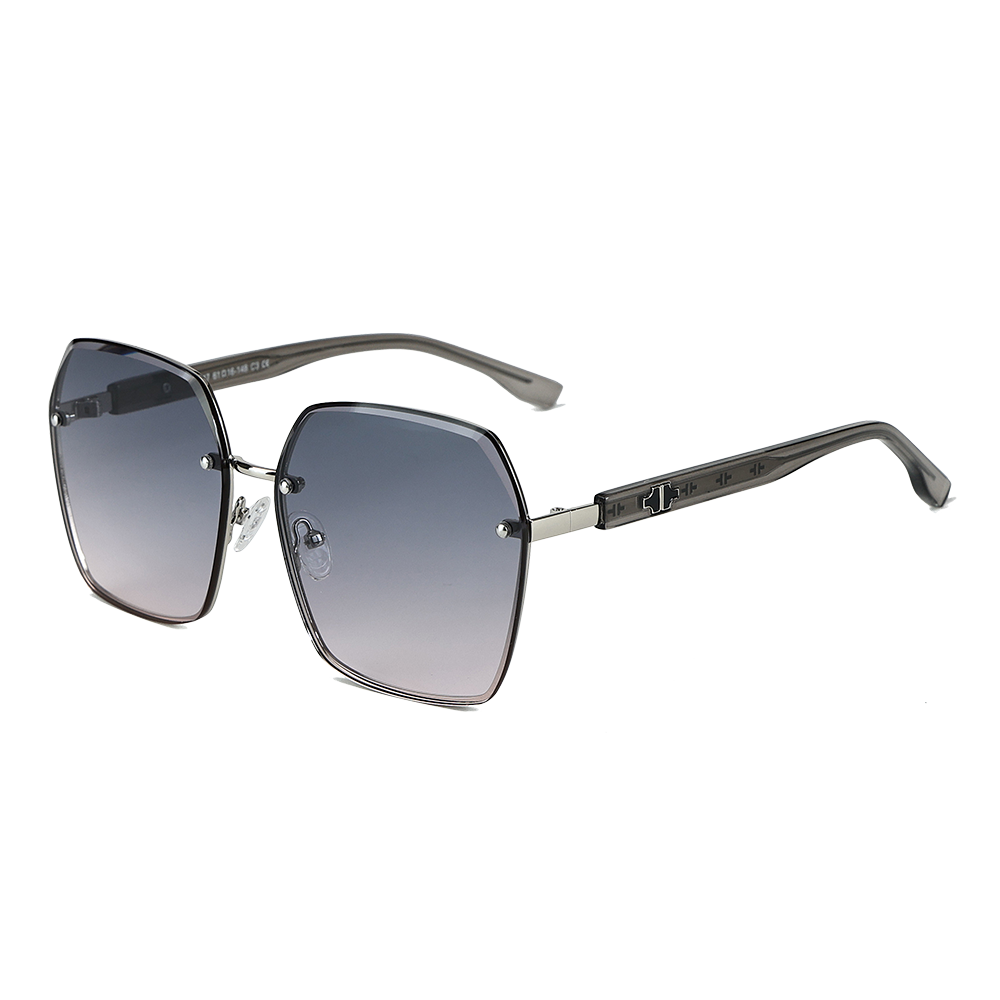
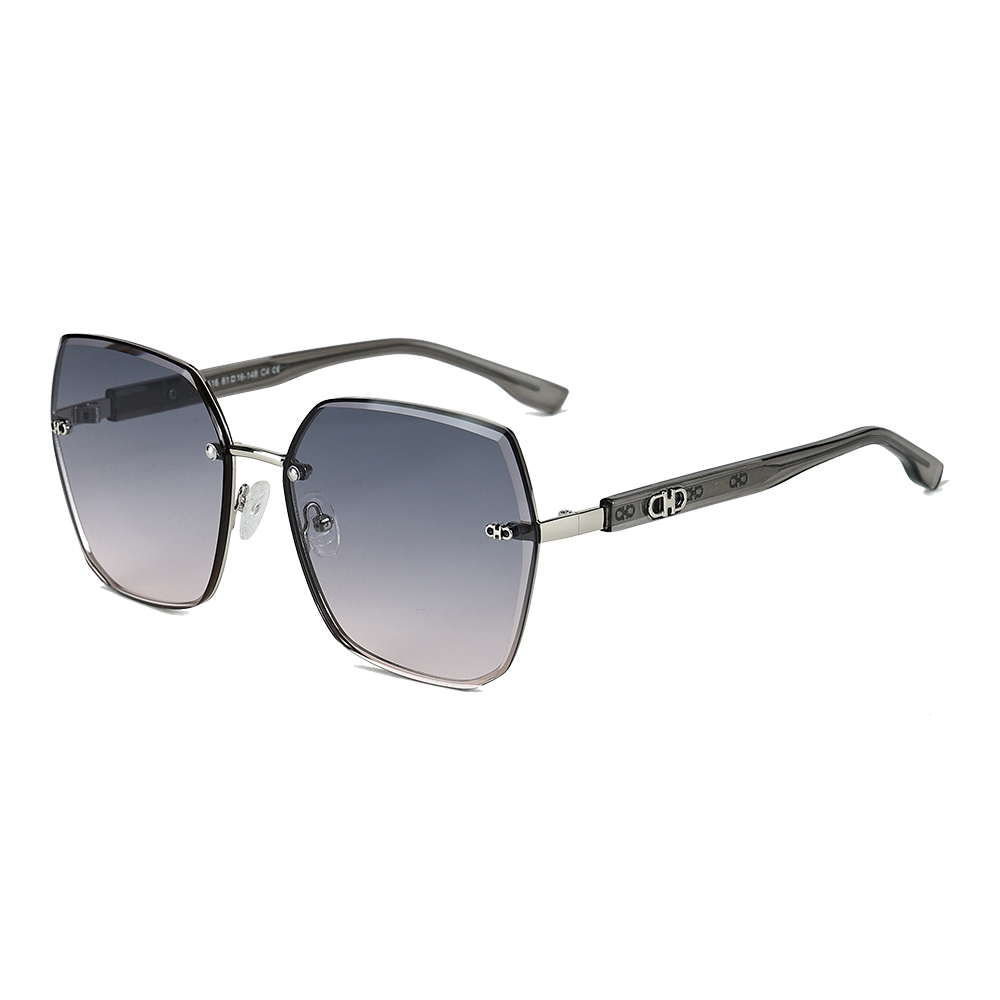
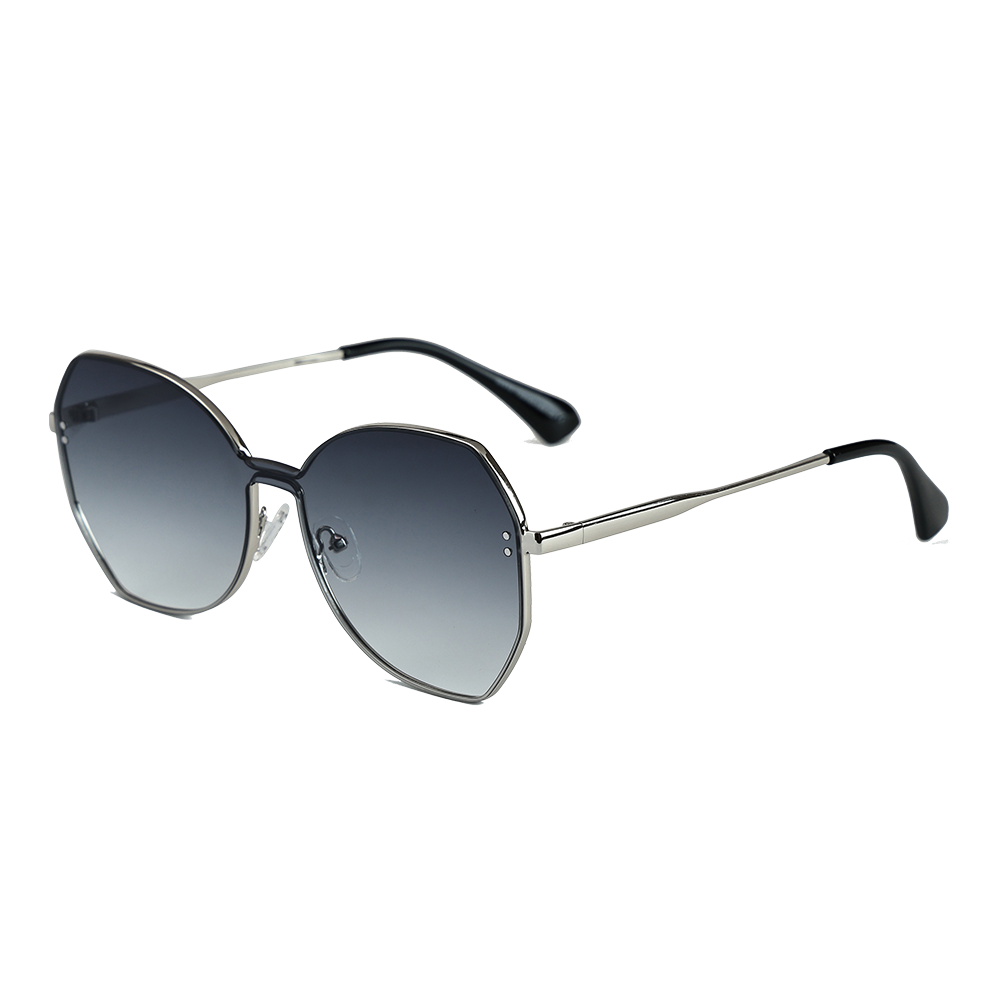
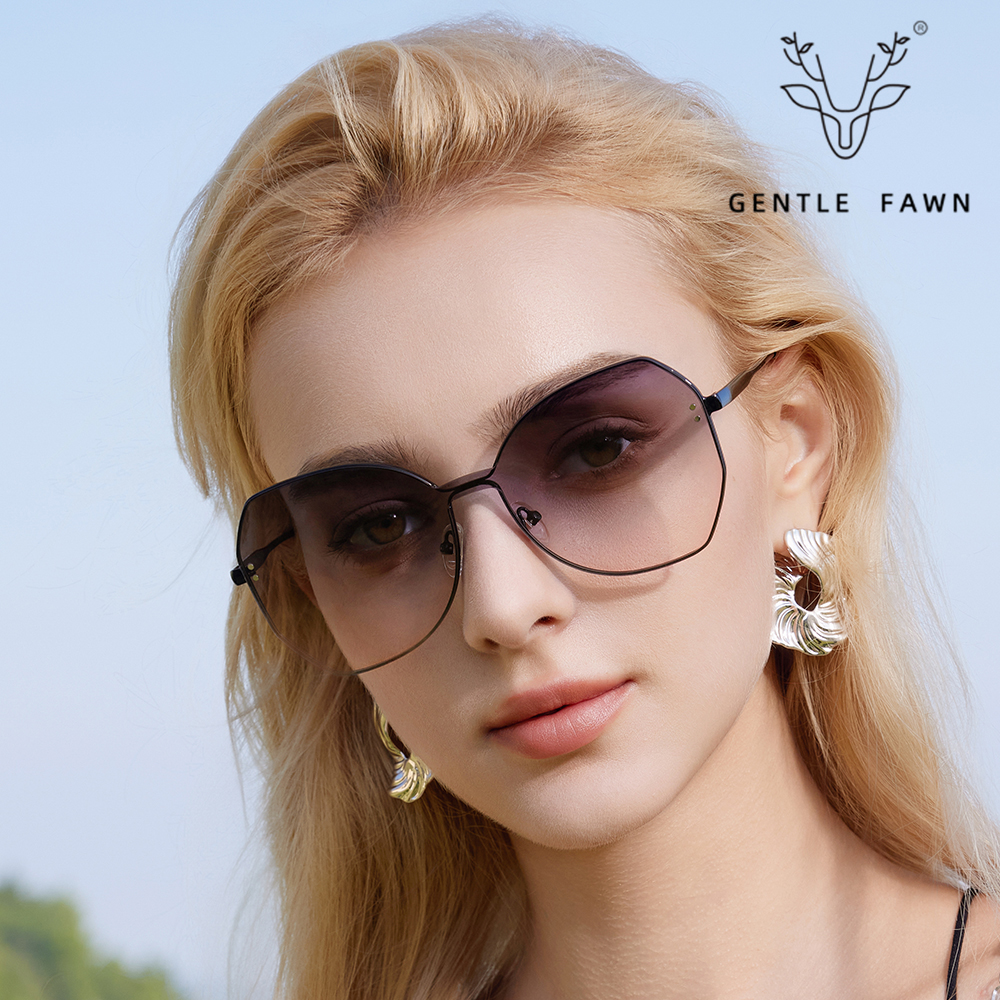
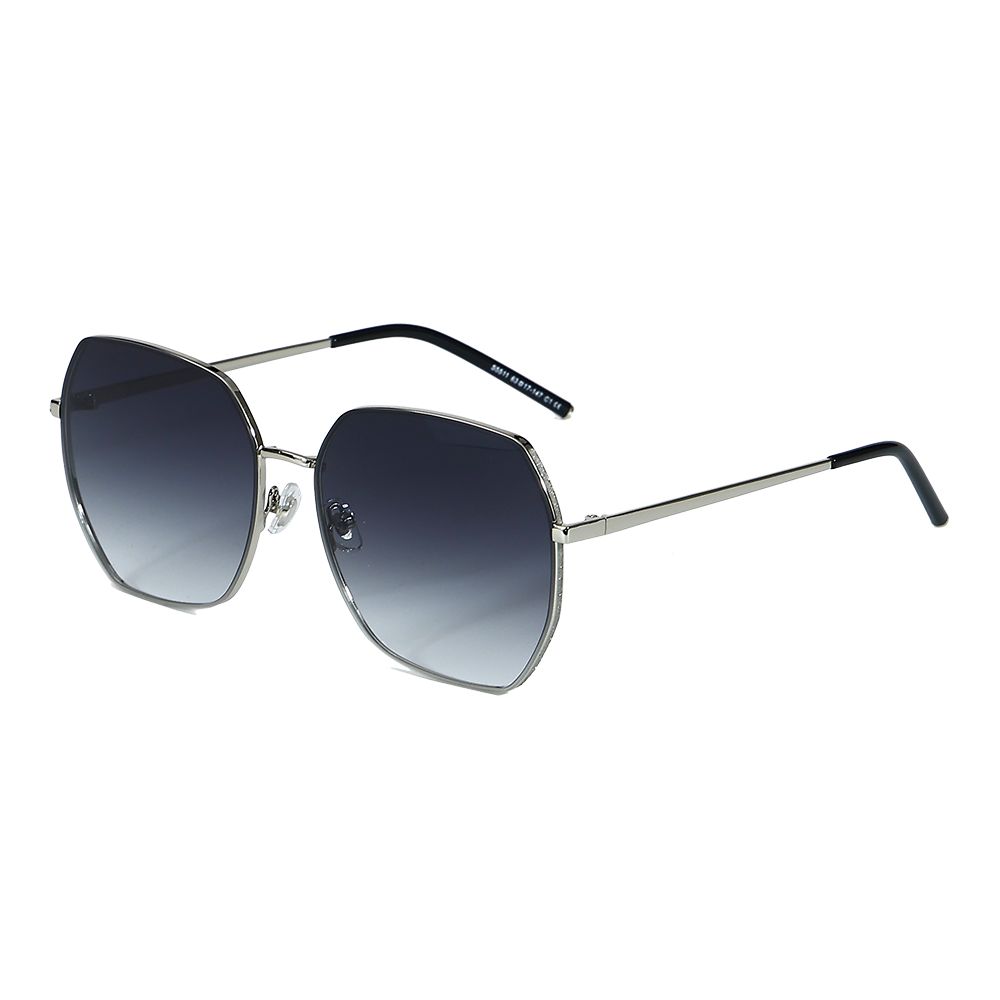
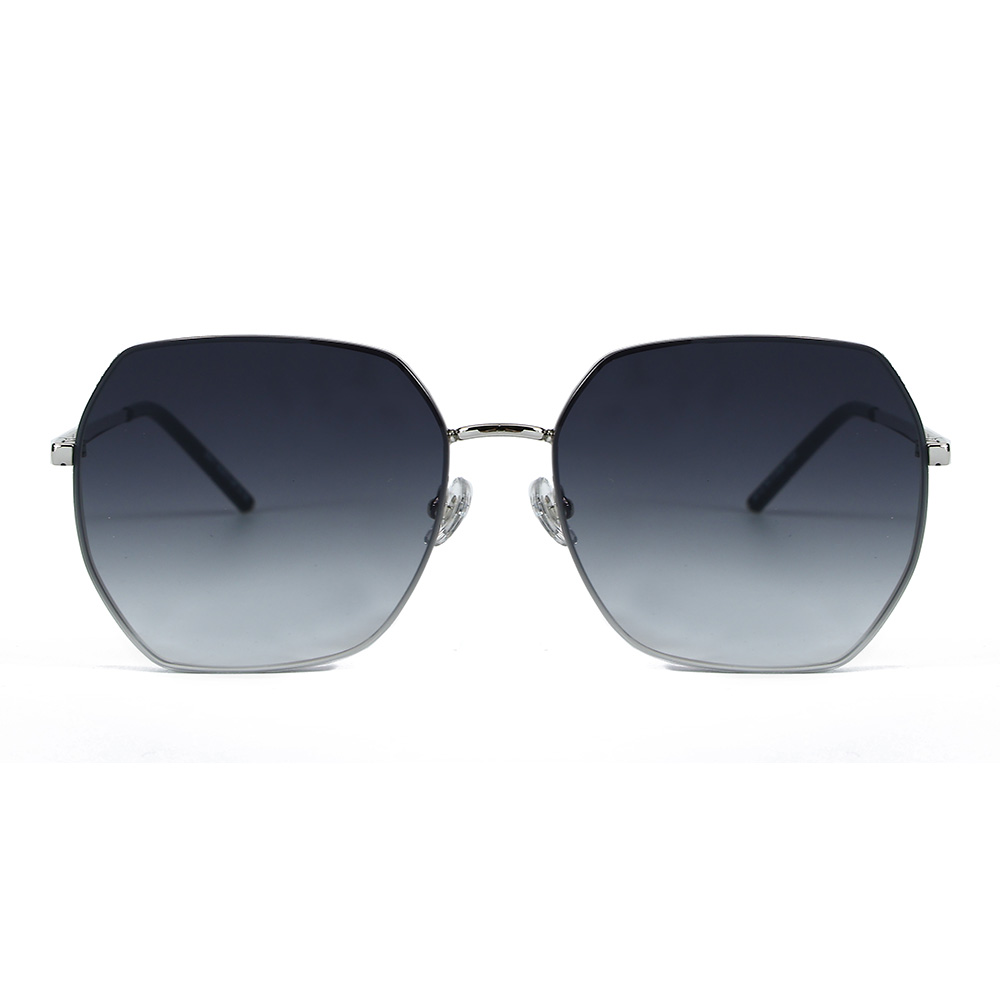
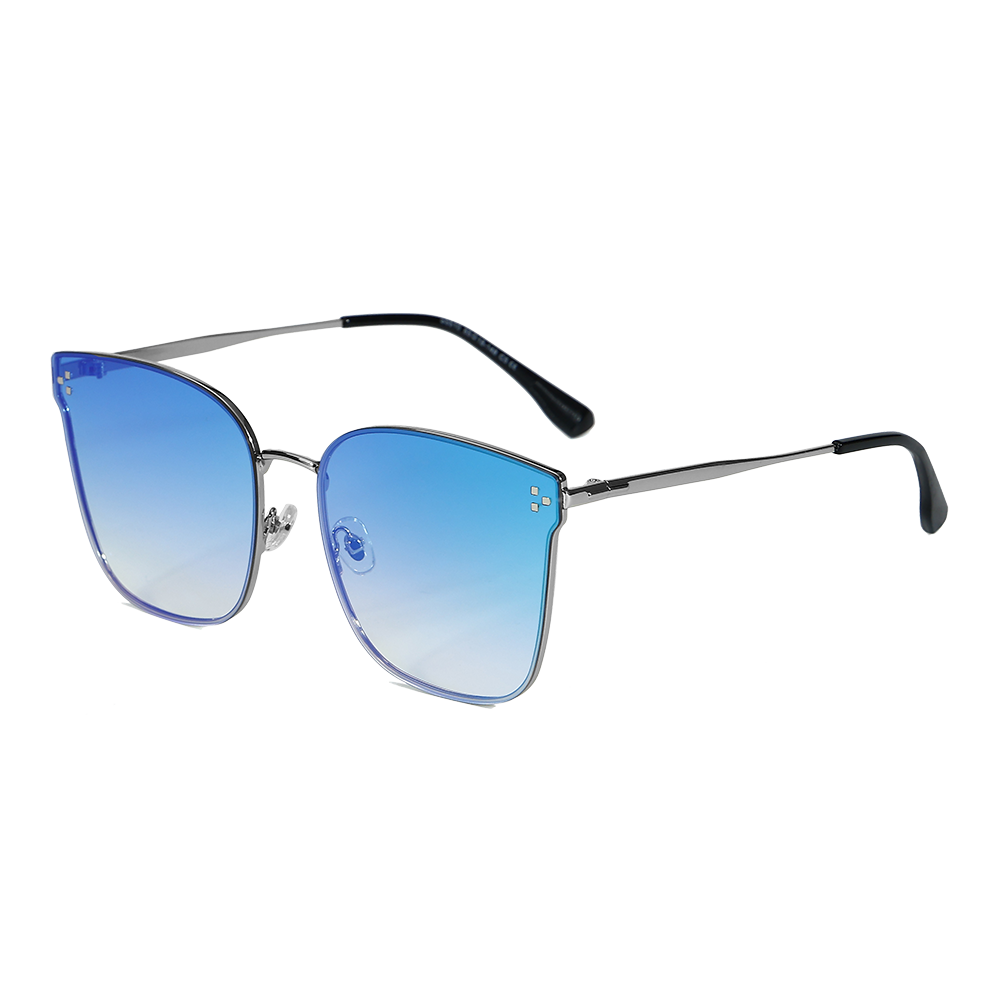
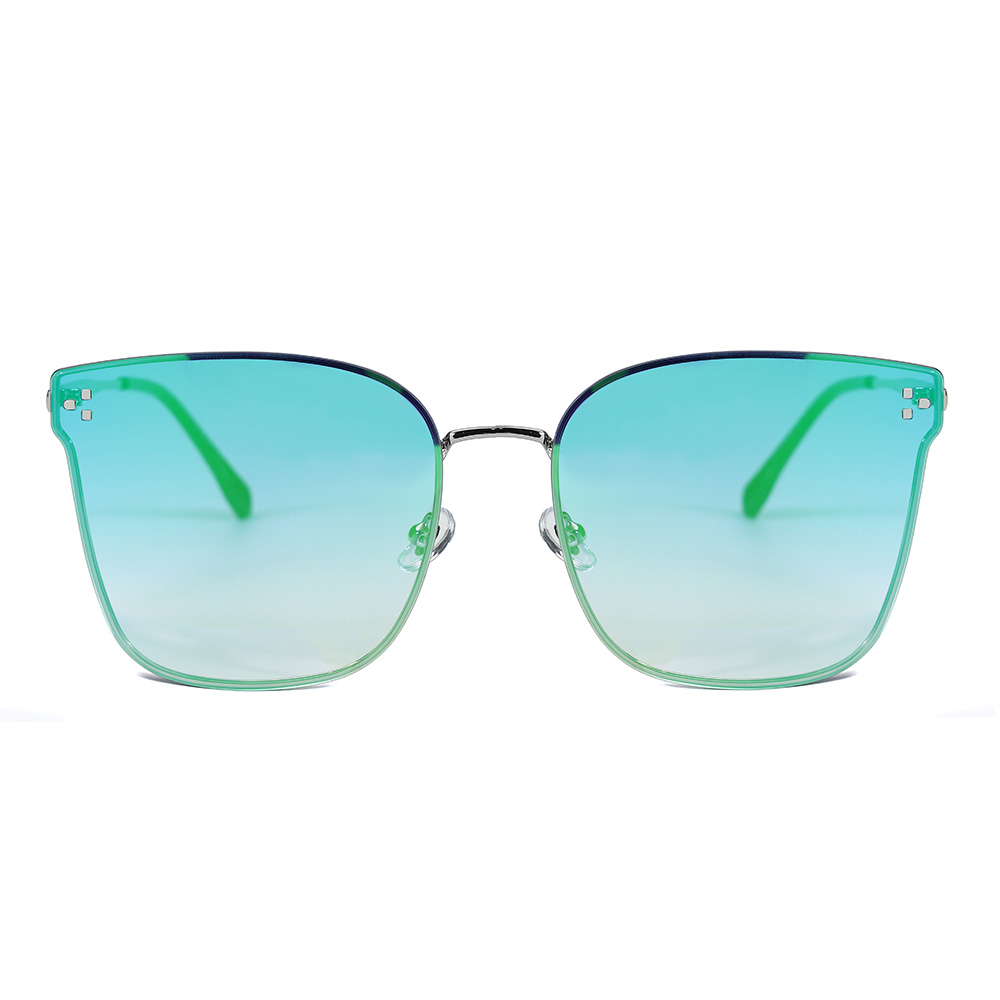
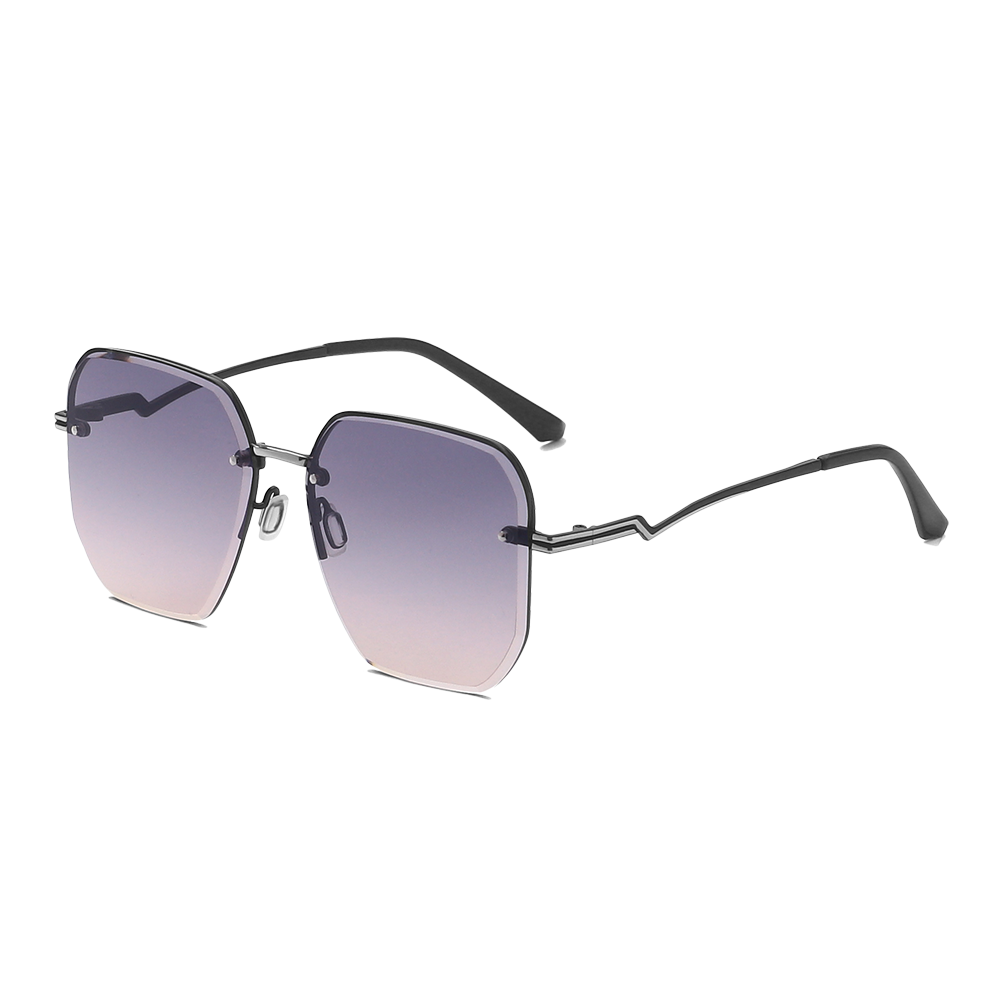
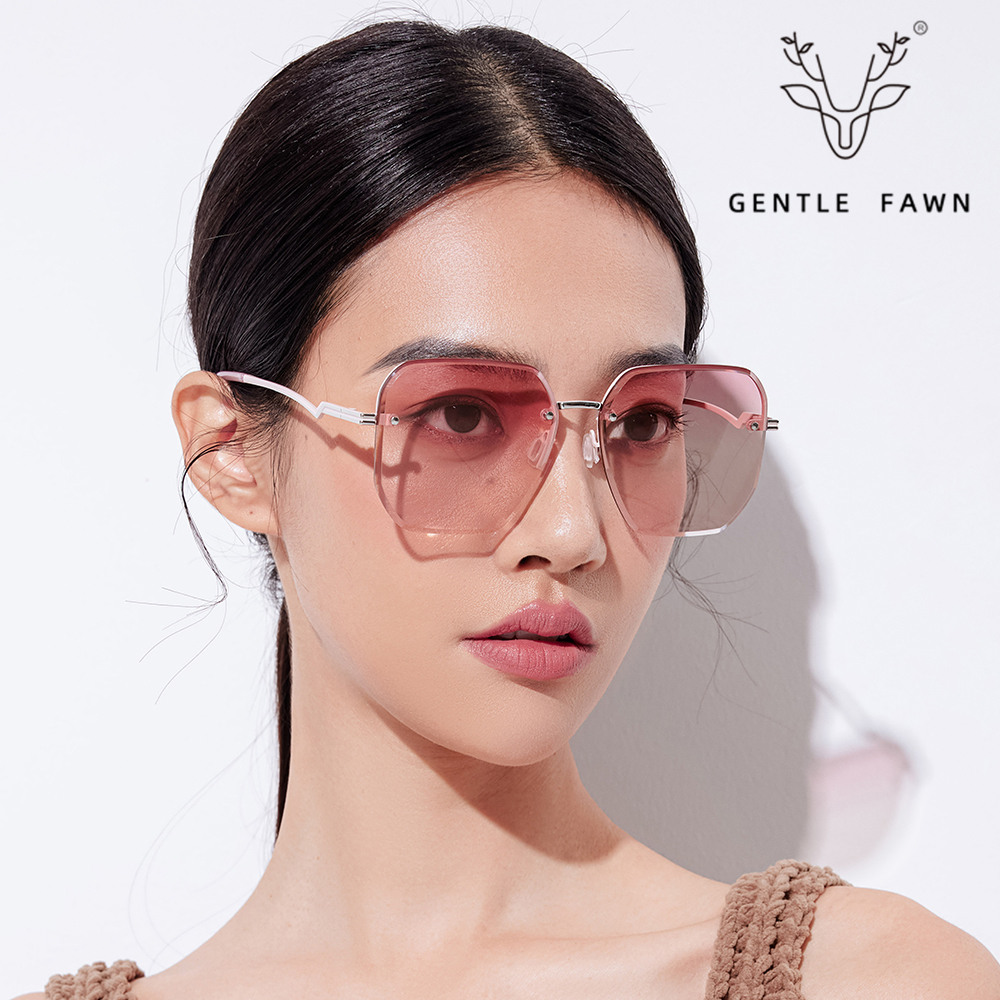
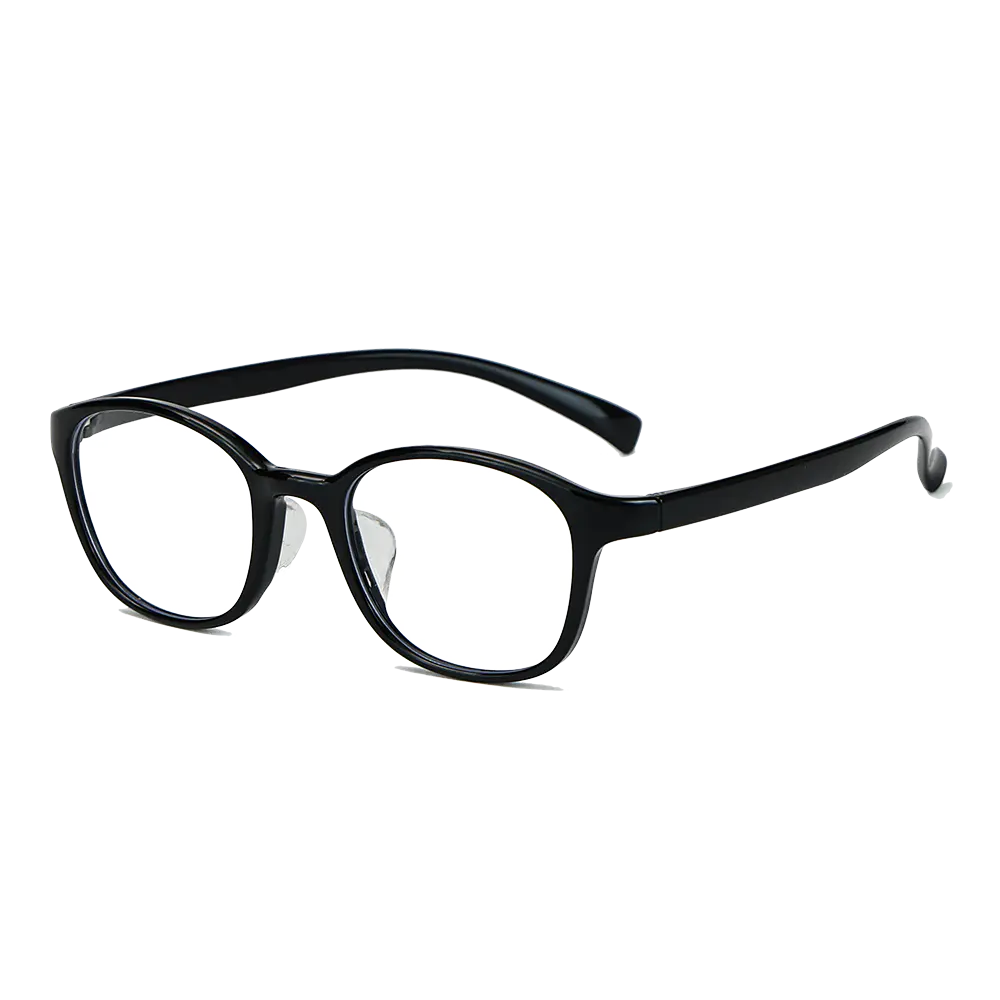
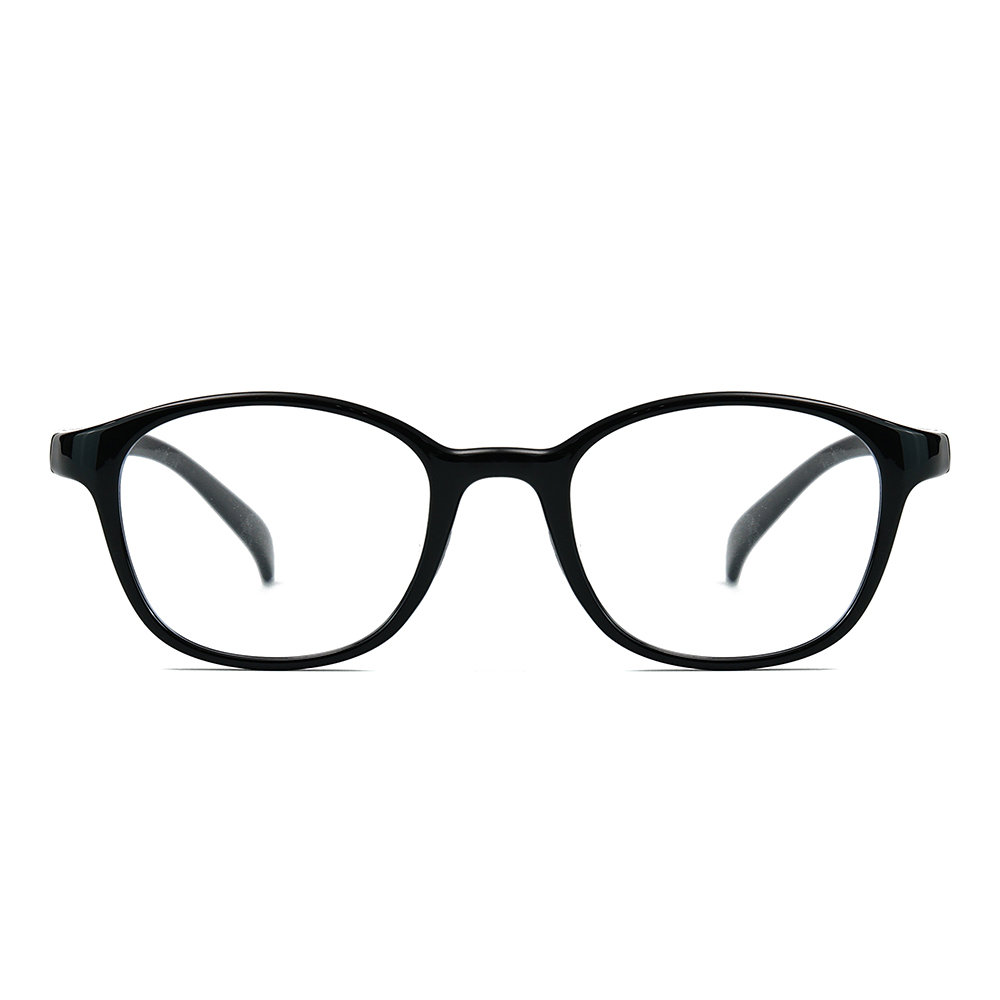
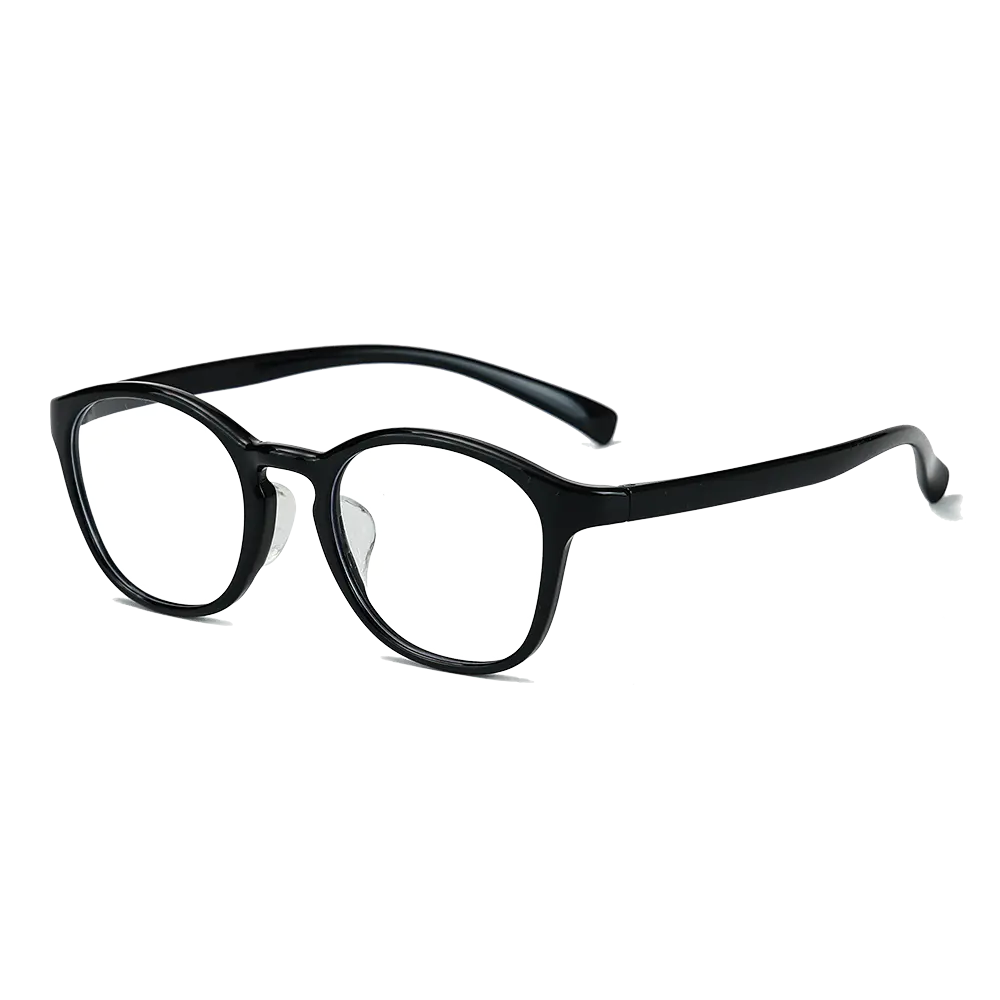
Metal Non-Polarized Sunglasses Industry Knowledge: A Professional Guide to Metal Non-Polarized Sunglasses for Product Selection and Custom Development
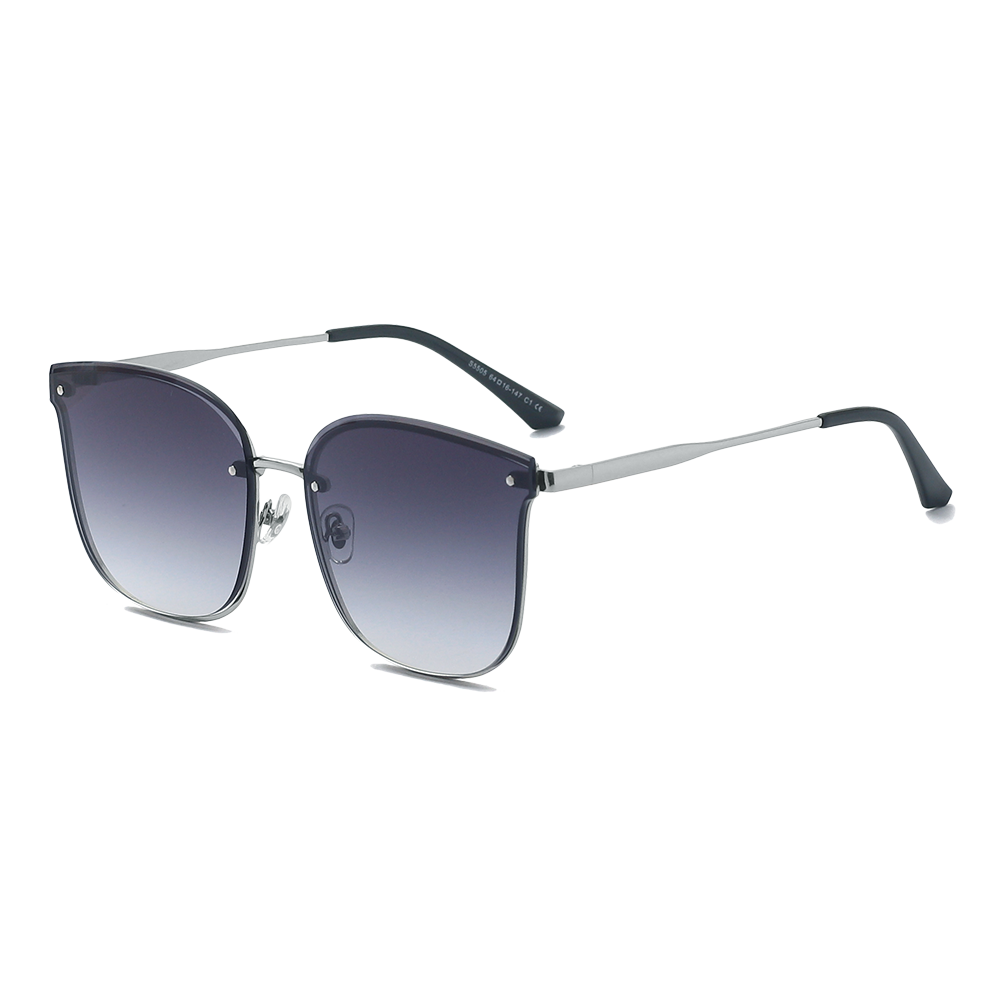
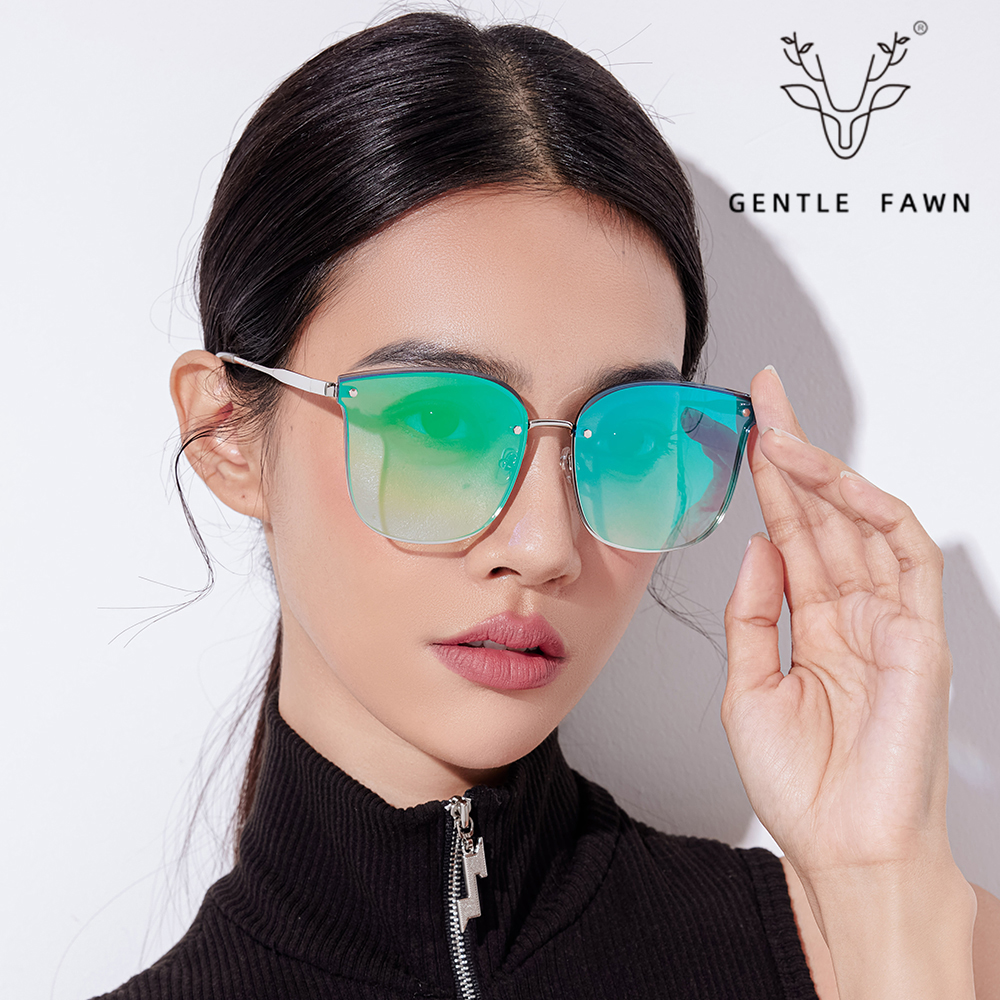
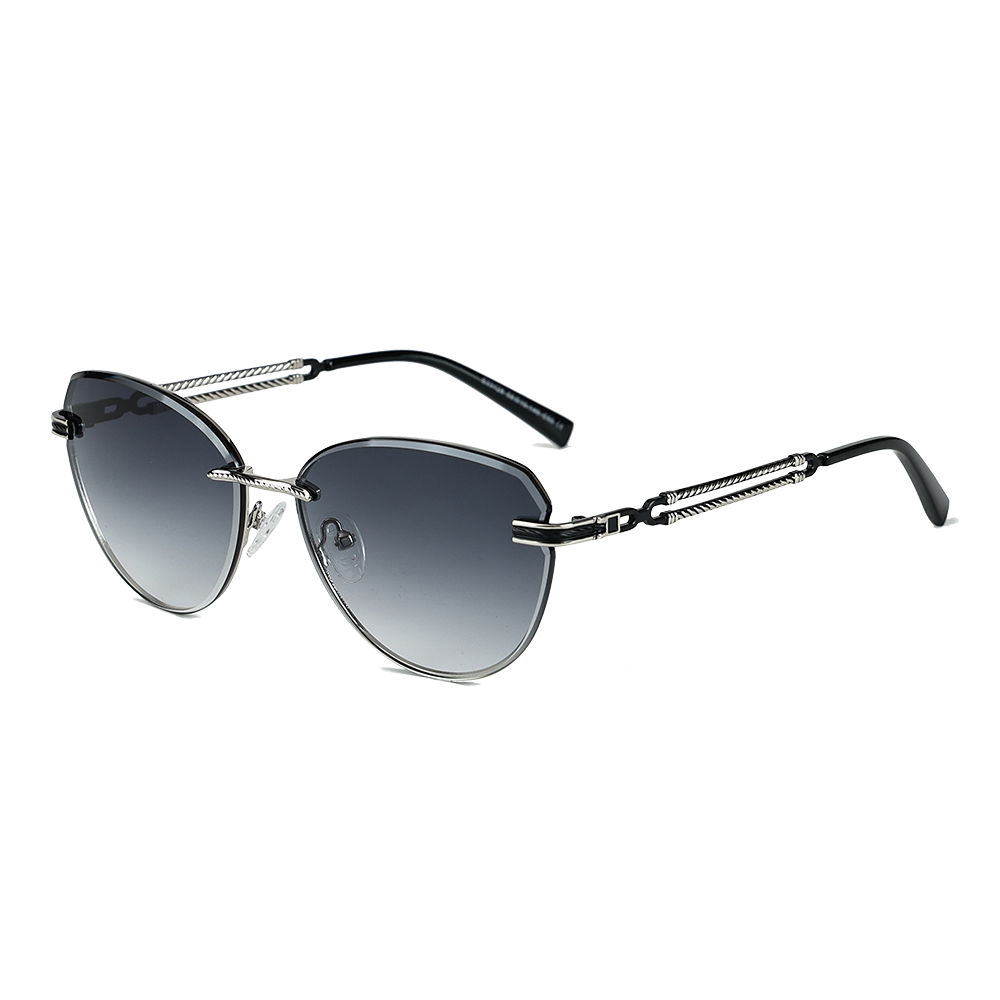
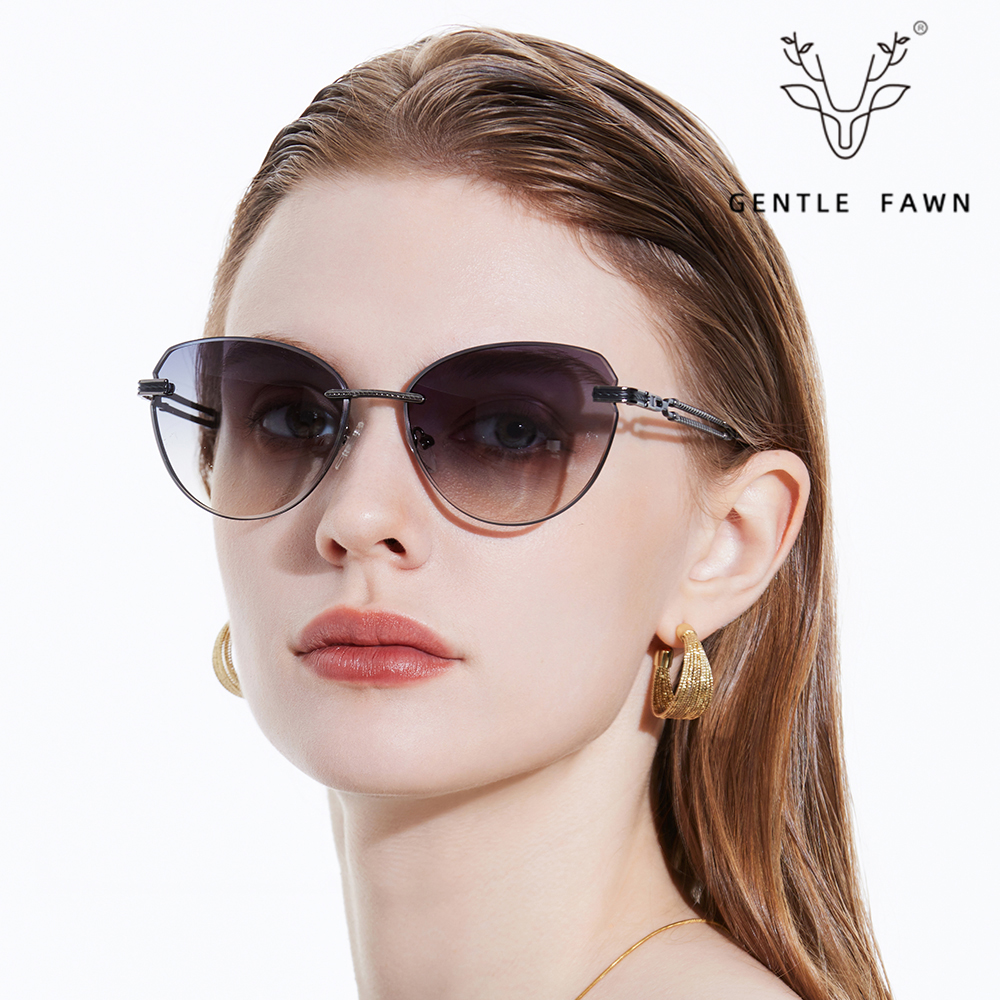
Metal Non-Polarized Sunglasses pair a clean, lightweight-looking metal frame with conventional tinted lenses, creating a product category where design and construction work closely together. The final appearance is influenced by details such as frame proportions, lens color, bridge shape, temple structure, surface finish, and overall weight distribution. These elements also play an important role in the way the sunglasses sit on the face and feel during everyday wear.
The main difference from polarized sunglasses is the lens construction. Non-Polarized Lenses do not use a polarizing layer to manage light according to a particular polarization direction. Instead, they control the amount and appearance of visible light mainly through lens tint and transmission. Depending on the selected specification, the lenses may also incorporate ultraviolet protection such as UV400, so lens protection and polarization should be considered as separate characteristics when developing a product.
What Are Metal Non-Polarized Sunglasses?
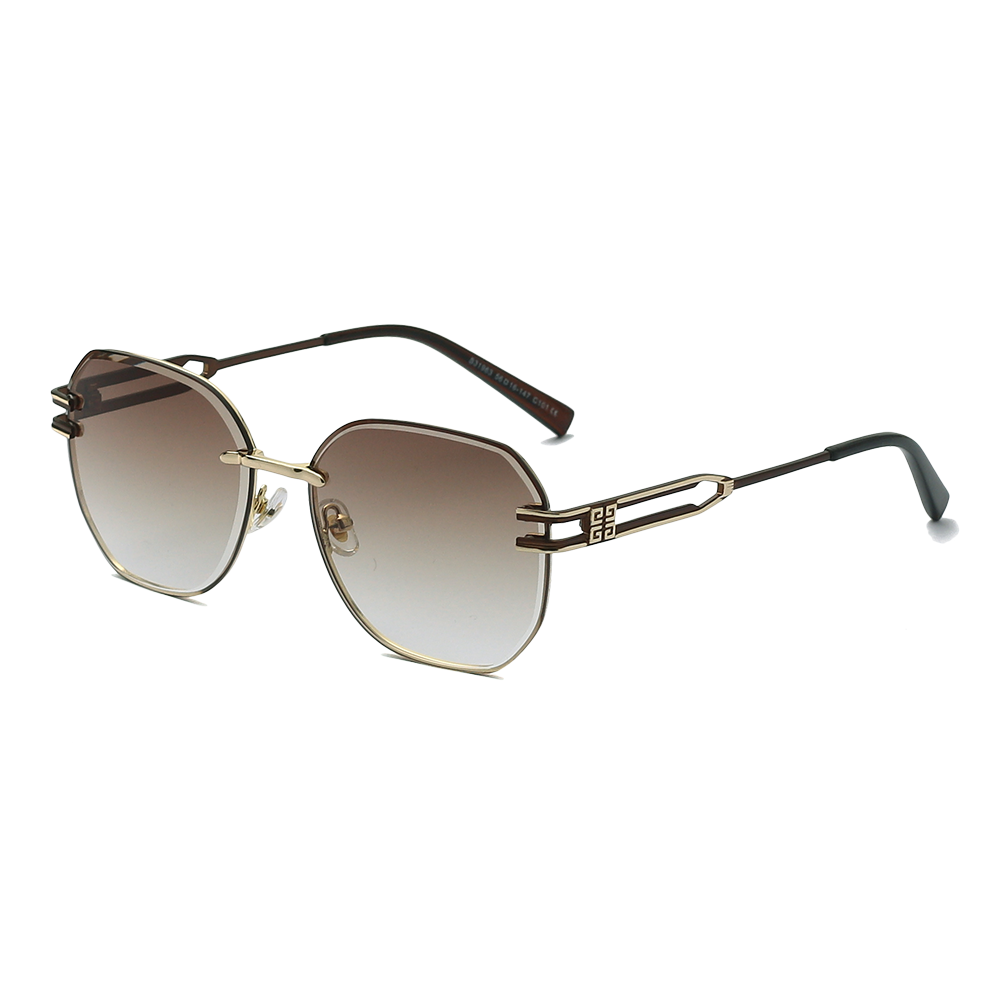
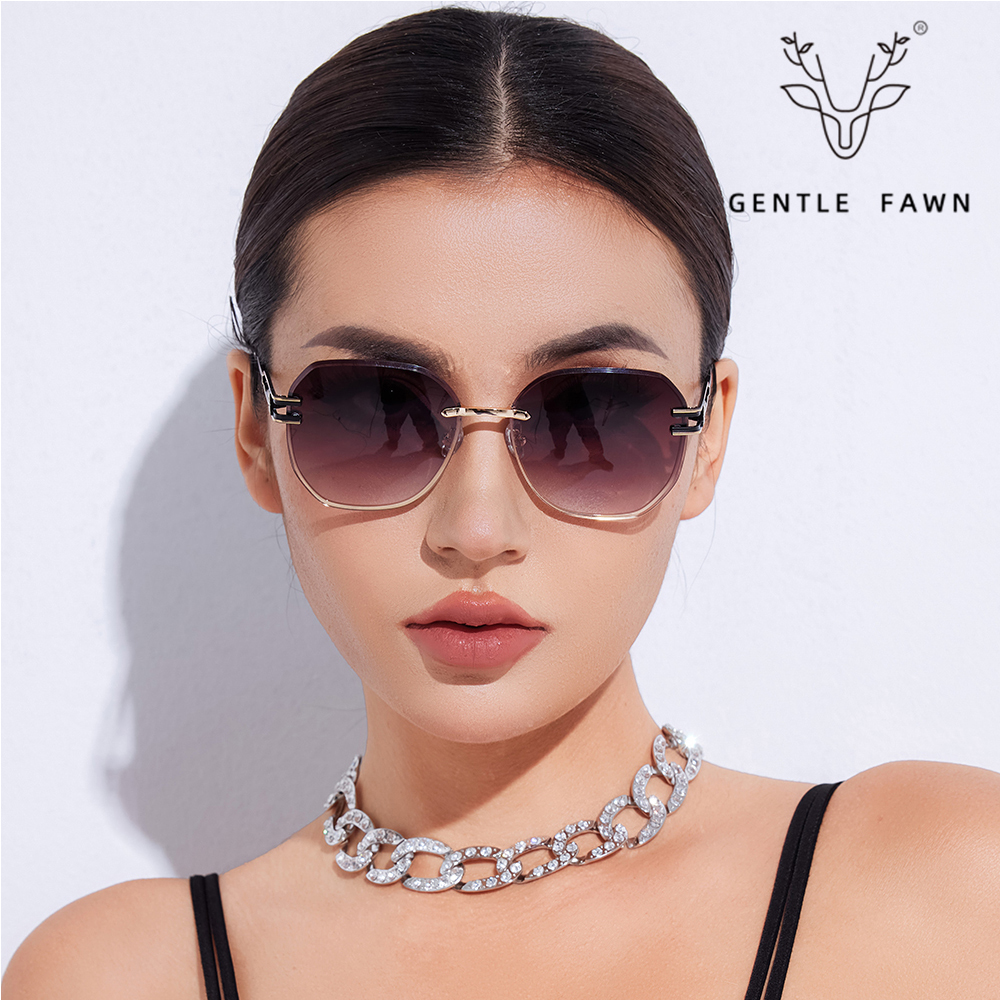
Metal Non-Polarized Sunglasses combine a metal frame with non-polarized tinted lenses. The metal frame provides a relatively slim and structured appearance, while the lens color contributes to the overall visual character of the sunglasses.
The term Metal Frame Non-Polarized Sunglasses describes the product from both construction and lens-function perspectives:
- Metal Frame refers to the primary frame structure.
- Non-Polarized means the lens does not use a polarization layer designed to control light with a specific polarization direction.
- Sunglasses indicates that the product is designed with tinted or colored lenses for outdoor eyewear use.
- UV protection, when included in the specific product specification, is a separate lens performance feature.
This distinction is important. A dark lens is not automatically a polarized lens, and UV400 is not another name for polarization. A Metal Non-Polarized Sunglasses model can have UV protection while remaining non-polarized.
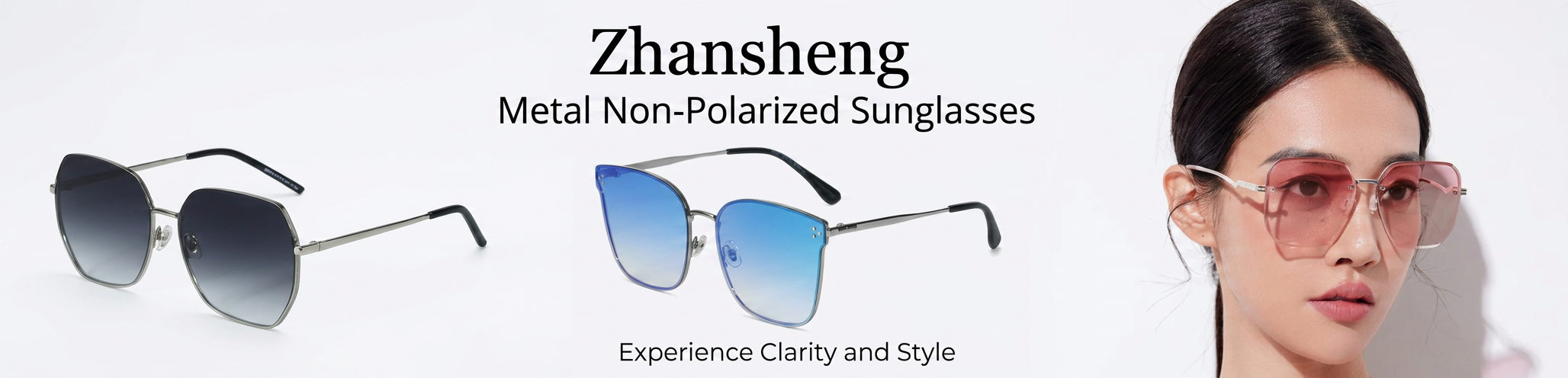
Compared with TR90, PC, Nylon, or Acetate frames, metal frames offer a different structural and visual language. They are particularly suitable for Aviator, Round, Square, Oval, Geometric, Double Bridge, Thin Metal Frame, and Oversized designs.
For OEM/ODM development, this category provides considerable flexibility in frame geometry, lens colors, surface finishes, temple structures, nose pads, and decorative details.
Why Choose a Metal Frame for Non-Polarized Sunglasses?
Metal frames are widely used when a sunglass design calls for a clean outline, slim rims, or precise geometric proportions. The frame is not merely a support for the lenses; it is one of the main visual elements of the product.
Key structural points include:
- Overall frame dimensions
- Rim geometry and lens openings
- Bridge design
- Double-bridge proportions
- Temple length and curvature
- Hinge construction
- Nose-pad position
- Welding or connection quality
- Plating and surface finish
- Left-right symmetry
- Lens installation accuracy
- Final assembly stability
Different structures create noticeably different styles. A thin metal rim can give the sunglasses a quiet, minimalist character. A Double Bridge adds visual depth and a more recognizable profile. Oversized frames have a stronger fashion presence, while Aviator frames retain a familiar classic silhouette.
Comfort depends on how these parts work together. Thin construction does not automatically mean comfortable construction. Large lenses can add weight to the frame front, while an unsuitable bridge or temple curve may create pressure even when the frame itself is light.
Zhejiang Zhan Sheng Glasses Co., Ltd. controls the manufacturing process from material selection through polishing, fitting, assembly, and final detail inspection. Particular attention is given to frame curvature, component alignment, surface feel, and wearing balance.
Core Features of Metal Non-Polarized Sunglasses
The main characteristics of these sunglasses come from the relationship between conventional tinted lenses and metal frame engineering. Lens appearance, frame structure, mechanical details, and finishing quality should be evaluated together.
Non-Polarized Lenses and Regular Tinted Lenses
A Non-Polarized Lens does not contain a polarizing layer designed to block light according to a specific polarization direction. Its appearance and visible-light control mainly come from the lens tint and transmission level.
Common color options include:
- Gray
- Brown
- Green
- Black
- Gradient
- Fashion colors
Each color creates a different product impression. Gray is often used for neutral and classic designs. Brown works well with warm metal finishes and retro styling. Green can support traditional sunglass looks, while black creates a deeper and more urban appearance. Gradient lenses are frequently selected for fashion collections, and colored lenses help create stronger visual distinction.
Color alone does not define lens performance. Buyers should also review tint depth, visible-light transmission, optical clarity, lens material, surface quality, dimensions, UV requirements, and intended application.
UV400 and Non-Polarized: What Is the Difference?
UV400 and Non-Polarized refer to separate aspects of the lens. UV400 describes an ultraviolet-filtering specification, while Non-Polarized describes the absence of a polarizing structure.
| Feature |
UV400 |
Non-Polarized |
| Main meaning |
Ultraviolet-filtering specification |
Lens polarization structure |
| Describes |
UV filtering capability |
Whether a polarizing layer is used |
| Equivalent to polarization? |
No |
No |
| Can both exist in one lens? |
Yes, subject to specification |
Yes |
| Should each be confirmed separately? |
Yes |
Yes |
A Metal Non-Polarized Sunglasses model can therefore include UV protection without becoming a polarized product.
During product development, the following points should be specified individually:
- Polarization status
- UV-filtering requirement
- Lens material
- Lens color
- Tint depth
- Visible-light transmission
- Optical quality
This approach avoids using visual appearance as a substitute for technical information.
Lightweight Structure and Wearing Balance
Metal can be formed into relatively thin eyewear structures, but low frame weight does not guarantee a comfortable fit.
Wearing balance is affected by:
- Lens width and height
- Total frame dimensions
- Bridge construction
- Nose-pad position and angle
- Temple length
- Temple curvature
- Hinge location
- Left-right symmetry
- Front-to-temple weight distribution
Nose pads influence where the frame sits and how pressure is distributed across the nose. Temple curvature affects stability and contact behind the ears. Large lenses may also move the center of gravity toward the front.
For this reason, sample evaluation should be carried out on the fully assembled sunglasses. Reviewing an empty frame and separate lenses will not provide a complete understanding of fit or balance.
Frame Structure and Hinge Stability
Hinges are used every time the temples are opened or folded. Their position and assembly quality can affect both mechanical performance and frame alignment.
Important inspection points include:
- Smooth opening and closing
- Consistent hinge resistance
- Secure temple-to-frame connection
- Screw condition
- Temple alignment
- Front-frame symmetry
- Left-right movement consistency
- Overall geometric stability
Loose hinges can cause the temples to spread unevenly. Excessive resistance may make the product awkward to use or place unnecessary stress on connection points.
Consistent hinge assembly becomes especially important when one frame design is produced in several colors or lens combinations. Each variation should maintain the same basic fit and movement.
Plating, Polishing, and Surface Treatment
Surface finishing determines much of the visible quality of a metal frame. It influences color, gloss, texture, edge smoothness, and the way the eyewear feels when handled.
Possible effects include:
- Glossy metallic finishes
- Matte surfaces
- Bright polished details
- Solid frame colors
- Two-tone combinations
- Decorative surface accents
Plating should remain even across the rims, bridge, temples, hinges, and connection areas. Polishing needs to create a smooth surface without removing important design details or producing inconsistent edges.
The finish should also suit the lens color and product direction. For example, warm metal colors can work well with brown or gradient lenses, while dark or silver finishes may support minimalist gray and black lens combinations.
Different Frame Shapes for Product Development
Metal Non-Polarized Sunglasses can be developed in classic, retro, minimalist, urban, and fashion-oriented forms. Each shape creates its own requirements for lens dimensions, bridge geometry, frame balance, and surface treatment.
Aviator Metal Sunglasses
Aviator Metal Sunglasses are recognized by their distinctive lens shape and bridge construction. Many designs include a Double Bridge, although single-bridge interpretations are also possible.
Changing the lens tint, rim thickness, bridge position, or plating color can give the familiar Aviator form a different character. Gray and green lenses may support a traditional appearance, while gradient or fashion-colored lenses create a more contemporary result.
Round Metal Sunglasses
Round metal frames are often used for retro, artistic, casual, and minimalist collections. Thin rims can make the design appear lighter, while thicker rims create a stronger outline.
Because the geometry is simple and highly visible, rim consistency and left-right symmetry are important. Small differences in lens diameter or bridge position can be easy to notice.
Square Metal Sunglasses
Square Metal Sunglasses offer a clear and structured outline. Depending on the proportions, they can look classic, urban, oversized, or minimalist.
Sharp corners create a more geometric appearance, while softened corners make the frame easier to incorporate into everyday collections. Larger square lenses require additional attention to front weight and bridge support.
Oval Metal Sunglasses
Oval frames provide softer proportions than square or angular designs. They are suitable for retro-inspired, everyday, and understated fashion styles.
Thin metal construction complements the gentle lens shape, but accurate rim formation remains essential for consistent lens installation.
Geometric Metal Sunglasses
Geometric Metal Sunglasses use angular, multi-sided, or unconventional rim shapes to create visual distinction. Hexagonal, octagonal, and irregular forms can help a collection stand apart from standard round and square products.
These designs depend heavily on accurate geometry. Uneven angles, incorrect lens seating, or poor symmetry can be more visible than on softer frame shapes.
Double Bridge Metal Sunglasses
A Double Bridge introduces an additional bar above the main bridge. This adds visual layering and can give the frame a classic, technical, or fashion-focused appearance.
The upper and lower bridges must remain aligned with each other and proportionate to the rims. Welding or joining points should be neat, stable, and consistent.
Oversized Metal Sunglasses
Oversized Metal Sunglasses create a bold appearance and provide greater lens coverage. Round, square, Aviator, and geometric shapes can all be developed in oversized proportions.
Because larger lenses can increase front weight, the bridge, nose pads, temples, and hinges need to support the assembled product without creating excessive pressure or instability.
Thin Metal Frame Sunglasses
Thin Metal Frame Sunglasses are suited to minimalist and contemporary collections. Their slender structure gives the product a light visual profile.
Simple designs often reveal manufacturing imperfections more clearly. Rim geometry, bridge alignment, plating, polishing, lens fit, and temple symmetry therefore require careful control.
Main Lens Directions for Metal Non-Polarized Sunglasses
Regular tinted lenses can be developed in several colors and visual styles. The selected direction should suit the frame finish, target customer, wearing environment, and overall collection concept.
| Lens Type |
Main Characteristics |
Polarized? |
Development Direction |
| Gray Lens |
Neutral and classic appearance |
No |
Daily wear, commuting, and classic styles |
| Brown Lens |
Warm visual character |
No |
Retro, fashion, and everyday products |
| Green Lens |
Traditional sunglass appearance |
No |
Classic, outdoor, and fashion styles |
| Black Lens |
Deep and minimalist look |
No |
Urban, classic, and fashion collections |
| Gradient Lens |
Gradual transition from dark to light |
No |
Fashion, women’s styles, and city wear |
| Colored Lens |
Stronger color expression |
No |
Youthful and differentiated products |
| UV-Protected Lens |
UV filtering according to specification |
No |
Daily, travel, and outdoor use |
Lens color should be selected together with lens material, tint level, thickness, curvature, frame dimensions, surface finish, and intended use.
A gray, brown, or dark lens does not automatically offer a particular UV specification. In the same way, visual darkness does not indicate polarization.
Frame Structure and Manufacturing Considerations
Metal sunglasses are assembled from several connected components. Small variations in rims, bridges, hinges, temples, or nose pads can affect appearance and fit, particularly in thin-frame designs.
Rim Structure
The rim establishes the lens opening and defines much of the front-frame geometry. It should correspond closely with the intended lens dimensions and shape.
Manufacturing control should cover:
- Rim width and height
- Left-right consistency
- Corner and curve accuracy
- Lens seating
- Frame-front width
- Rim-to-bridge connections
Poor rim-to-lens compatibility can lead to uneven installation, visible gaps, lens movement, or unnecessary frame stress.
Bridge and Double-Bridge Structure
The bridge connects the left and right rims and influences frame width, visual proportion, and wearing position.
A Double Bridge adds another visible component. Its height, length, and shape need to coordinate with the main bridge, lens dimensions, and front-frame geometry.
Both connection quality and symmetry should be checked before surface finishing and again after final assembly.
Temple Structure
Temple dimensions and shape affect stability as well as appearance. Relevant details include:
- Temple length
- Opening angle
- Curvature
- Thickness
- End-piece design
- Temple-tip construction
- Decorative components
Metal temples may include logos, colored tips, engraved details, or mixed-material elements. These features should not interfere with alignment or wearing comfort.
Hinge Structure
A stable hinge allows the temples to open and close smoothly while maintaining the intended position.
Production inspection should include hinge resistance, screws, joining quality, opening angle, temple alignment, and left-right consistency. Hinge performance should be checked on the assembled product rather than judged only by appearance.
Nose Pads
Nose pads influence frame height, lens position, stability, and pressure distribution. Their angle and position should be coordinated with the bridge and intended facial fit.
Adjustable nose-pad arms offer additional fitting flexibility, but both sides need to remain aligned. Pad material, edge quality, and attachment security also contribute to comfort.
Surface Treatment
Polishing, plating, coating, spraying, and related processes create the finished color and texture of a metal frame.
The chosen treatment should complement:
- Frame shape
- Lens color
- Temple details
- Decorative components
- Brand positioning
- Target price range
Final inspection should cover color uniformity, gloss or matte consistency, smoothness, connection areas, and visible surface defects.
How Do Different Frame Materials Compare?
Metal is one of several materials used in sunglasses manufacturing. Each material supports different structures, visual effects, and product positions.
| Frame Material |
Main Characteristics |
Common Designs |
Suitable Direction |
| Metal |
Slim, structured, and refined |
Aviator, Round, Square, Geometric |
Fashion, classic, and daily eyewear |
| TR90 |
Lightweight and flexible |
Square, Oval, Sports |
Outdoor and everyday use |
| PC |
Lightweight and suitable for molded structures |
Oversized and fashion frames |
Lightweight fashion products |
| Nylon |
Lightweight with useful flexibility |
Outdoor and functional frames |
Outdoor-oriented eyewear |
| Acetate |
Rich colors and surface appearance |
Fashion and premium-style designs |
Design-focused collections |
| Titanium / Half Titanium |
Lightweight metal-oriented construction |
Thin Frame and minimalist styles |
Lightweight metal eyewear |
| Composite Structure |
Combines more than one material |
Mixed-material frames |
Differentiated product development |
These are general development directions. They do not mean that every listed material is necessarily used in each Zhejiang Zhan Sheng Glasses Co., Ltd. product.
Material selection should be based on the complete specification, including frame geometry, lens size, hinge design, nose-pad construction, temples, finishing method, weight target, and intended market.
Where Are Metal Non-Polarized Sunglasses Suitable?
Metal Non-Polarized Sunglasses are particularly useful for collections where frame design, lens color, and everyday styling take priority.
| Application |
Recommended Direction |
Main Considerations |
| Daily Commuting |
Metal Non-Polarized Sunglasses |
Comfort, appearance, and lens color |
| Travel |
Lightweight Metal Frame |
Weight, portability, and stability |
| Fashion Use |
Metal frame with Colored Lens |
Shape, color, and surface finish |
| City Wear |
Thin Metal Frame |
Minimalist appearance and wearing balance |
| Beach / Outdoor |
UV-protected non-polarized lens when specified |
Light conditions and lens specification |
| Casual Wear |
Round, Oval, or Square Metal Frame |
Versatility and styling |
| Classic Style |
Aviator or Double Bridge |
Proportion and frame structure |
| Young Fashion |
Geometric frame or Colored Lens |
Shape, color, and visual identity |
For roads, water, snow, glass, and other environments where directional reflected glare may be significant, polarized lenses can be considered when that function is required.
Non-Polarized Sunglasses should not be described as providing the same reflected-glare control as polarized eyewear.
Metal Non-Polarized vs. Metal Polarized Sunglasses
The two product categories can share similar metal frames and lens colors, but their lens structures and development priorities are different.
| Comparison |
Metal Non-Polarized Sunglasses |
Metal Polarized Sunglasses |
| Lens Structure |
Non-polarized tinted lens |
Polarized lens |
| Main Focus |
Shape, color, design, and everyday wear |
Polarization performance and frame design |
| Directional Glare Control |
Does not specifically control polarized reflected light |
Can reduce selected directional glare |
| Lens Colors |
Gray, brown, green, gradient, fashion colors, etc. |
Available in various polarized colors |
| UV Protection |
Depends on the confirmed specification |
Depends on the confirmed specification |
| Fashion Development |
Suitable |
Suitable |
| Driving Direction |
General sunglass use |
Useful when polarization is required |
| Development Focus |
Frame, color, tint, and lens appearance |
Polarization, optical specification, and frame structure |
A dark lens should never be labeled polarized based only on appearance. Polarization and UV protection must both be confirmed through the appropriate product specifications.
How to Select Metal Non-Polarized Sunglasses?
Professional sample evaluation should consider technical requirements, visual design, assembly quality, and wearing comfort.
| Selection Indicator |
Importance |
What to Confirm |
| UV Protection |
High |
Applicable ultraviolet-filtering specification |
| Lens Type |
High |
Confirmed non-polarized construction |
| Lens Material |
High |
Material specified for the selected product |
| Lens Color |
High |
Gray, brown, green, gradient, or another color |
| Lens Tint |
High |
Tint depth and visual appearance |
| Optical Clarity |
High |
Consistency, distortion, and surface quality |
| Frame Material |
High |
Metal type and frame construction |
| Frame Weight |
High |
Total weight and wearing balance |
| Frame Shape |
High |
Aviator, Round, Square, Oval, or other design |
| Hinge |
High |
Movement, resistance, and structural stability |
| Nose Pads |
Medium–High |
Position, angle, security, and comfort |
| Temple Structure |
High |
Length, curvature, alignment, and decoration |
| Surface Finish |
Medium–High |
Plating, polishing, color, and consistency |
| Lens Installation |
High |
Lens seating and alignment |
| Frame Symmetry |
High |
Left-right consistency |
| Packaging |
Medium |
Storage and transportation protection |
| Customization |
Product-dependent |
Frame, lens, color, LOGO, and packaging |
A sample should be handled, opened, folded, and worn. Looking at the product in its packaging is not enough to assess hinge movement, temple pressure, bridge comfort, or overall balance.
The confirmed sample should also be compared with the written specification so that lens color, UV requirements, dimensions, finish, and customization details are clearly recorded.
Why Choose Zhejiang Zhan Sheng Glasses Co., Ltd. for Metal Non-Polarized Sunglasses?
Zhejiang Zhan Sheng Glasses Co., Ltd. manufactures eyewear with a practical focus on material selection, frame forming, polishing, surface treatment, assembly accuracy, frame curvature, and the small details that affect the finished product.
These steps are especially relevant to metal sunglasses. Slim rims, compact bridge sections, hinge joints, nose-pad arms, and lens openings all require accurate dimensions and positioning. Even a small deviation can be noticeable in the frame’s symmetry and may also influence how the sunglasses sit on the face.
The company’s manufacturing approach goes beyond the visual appearance of the frame. Attention is also given to overall frame balance, temple curvature, surface feel, lens fitting, and the way individual components come together during assembly and inspection.
For OEM/ODM development, buyers can discuss product customization according to an agreed specification, including:
- Frame shape and dimensions
- Lens color and tint
- Non-polarized lens configuration
- UV requirements
- Metal color and surface finish
- Temple details
- LOGO placement
- Cases and packaging
Sample confirmation offers a useful reference before bulk production begins. It allows key details such as frame dimensions, lens color, surface finish, assembly, and lens configuration to be reviewed and adjusted according to the approved product specification.
FAQ About Metal Non-Polarized Sunglasses
The following answers address common questions from brands, importers, retailers, and eyewear product developers.
Can Non-Polarized Sunglasses have UV400 protection?
Yes. UV400 and polarization are separate characteristics. A non-polarized lens may still meet a specified UV400 requirement.
What is the difference between Non-Polarized and Polarized Sunglasses?
Polarized lenses control selected directional reflected light. Non-polarized lenses rely mainly on tint and transmission without a polarization layer.
Why are metal frames suitable for sunglasses?
Metal supports thin rims, clear geometry, adjustable nose pads, multiple finishes, and classic or minimalist frame designs.
Are Metal Non-Polarized Sunglasses suitable for everyday use?
Yes. They can be developed for commuting, travel, casual wear, city use, and general outdoor settings.
What should be checked when developing custom metal sunglasses?
Check frame geometry, lenses, bridges, hinges, nose pads, temples, symmetry, finishing, UV specifications, logos, and packaging.
What is the difference between Metal and TR90 sunglasses?
Metal offers a slim, structured appearance. TR90 is commonly selected for lightweight and flexible frame construction.
Can Metal Non-Polarized Sunglasses be customized for OEM/ODM development?
Yes. Available options may include frame shape, colors, lenses, surface finish, temple details, LOGO placement, and packaging.
Metal Non-Polarized Sunglasses can be developed around a wide range of styles, from classic Aviator and Double Bridge frames to Round, Oval, Square, Geometric, and Thin Metal Frame designs. The final appearance is shaped by more than the frame itself; lens color and tint, hinge construction, nose pads, temple details, and surface finish all make a difference. During product development, UV protection, optical characteristics, and the non-polarized lens structure should be confirmed as separate specifications, since a dark lens alone does not indicate UV performance or polarization. At Zhejiang Zhan Sheng Glasses Co., Ltd., metal sunglasses development covers material selection, polishing, surface treatment, frame adjustment, assembly fitting, and detail finishing. Reviewing a complete sample with the frame, lenses, finish, LOGO, and packaging helps establish a practical production reference.


 Español
 русский
 عربى
عربى