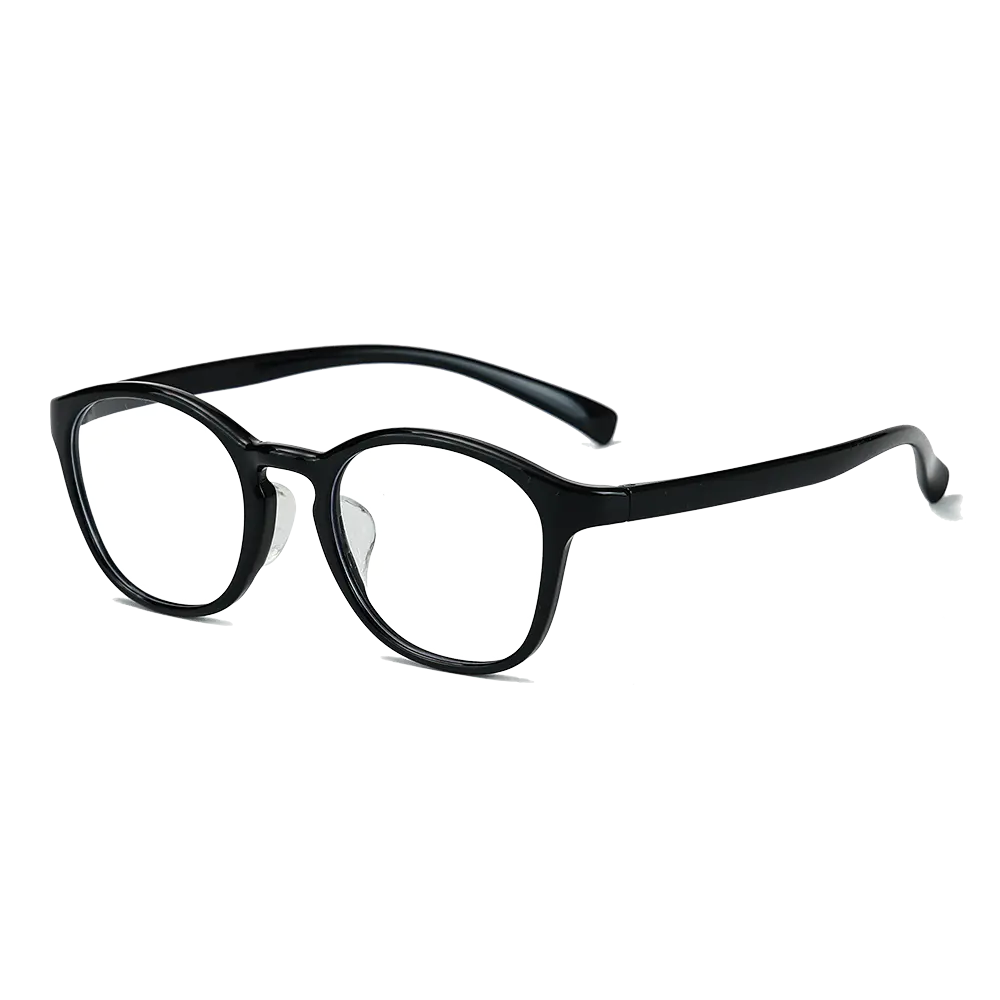
Men's Sunglasses Industry Knowledge and Procurement Guide
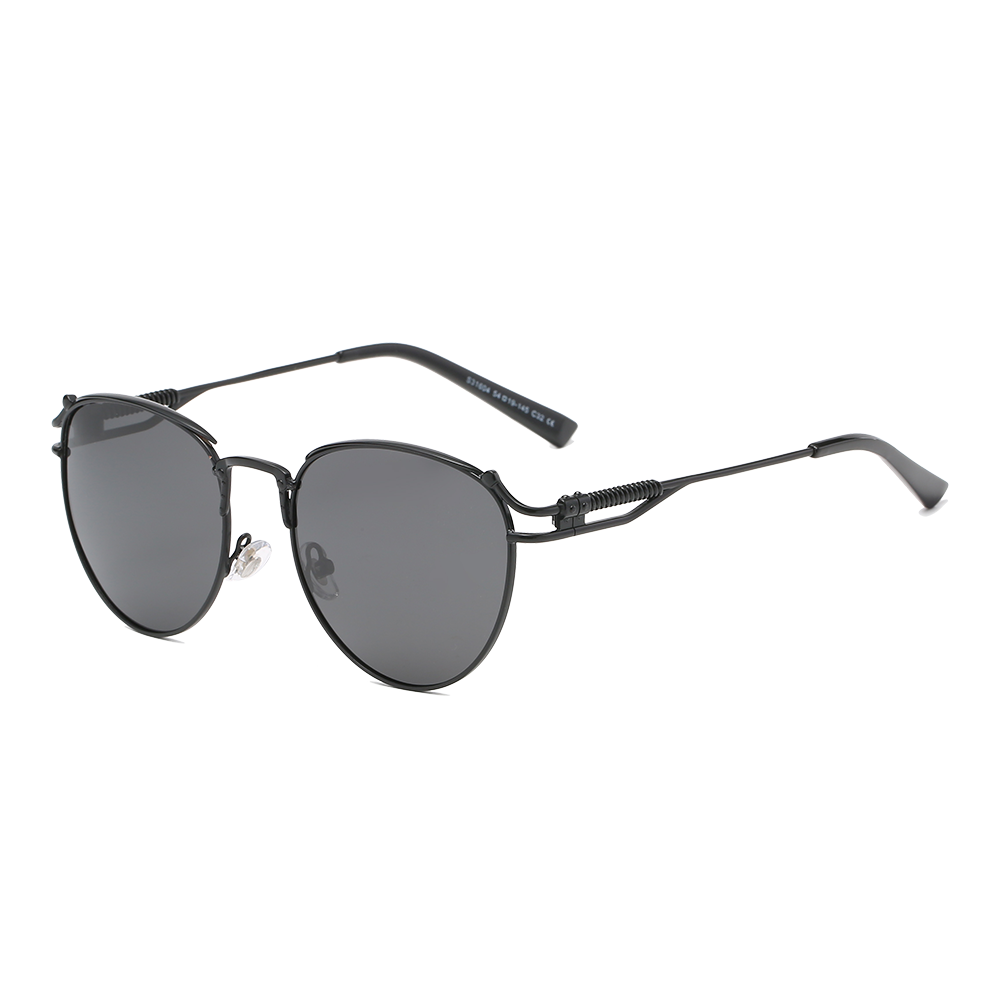
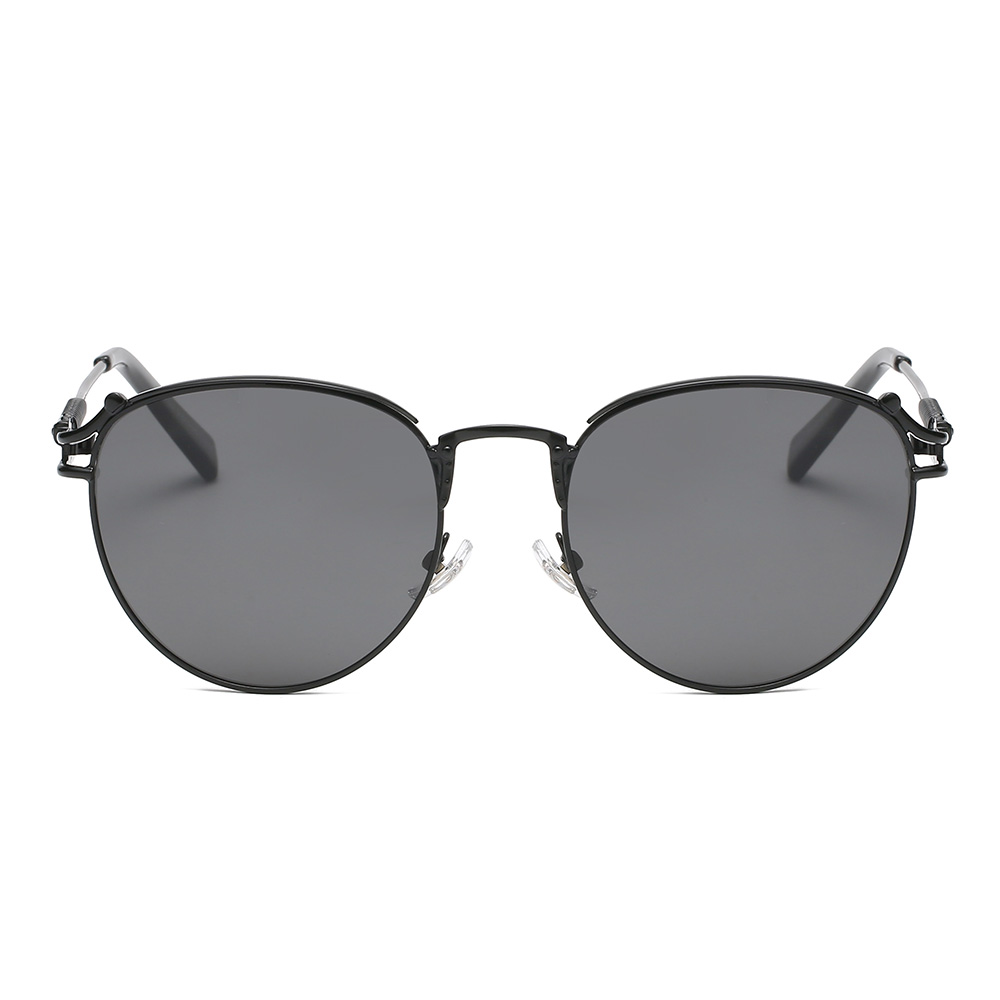
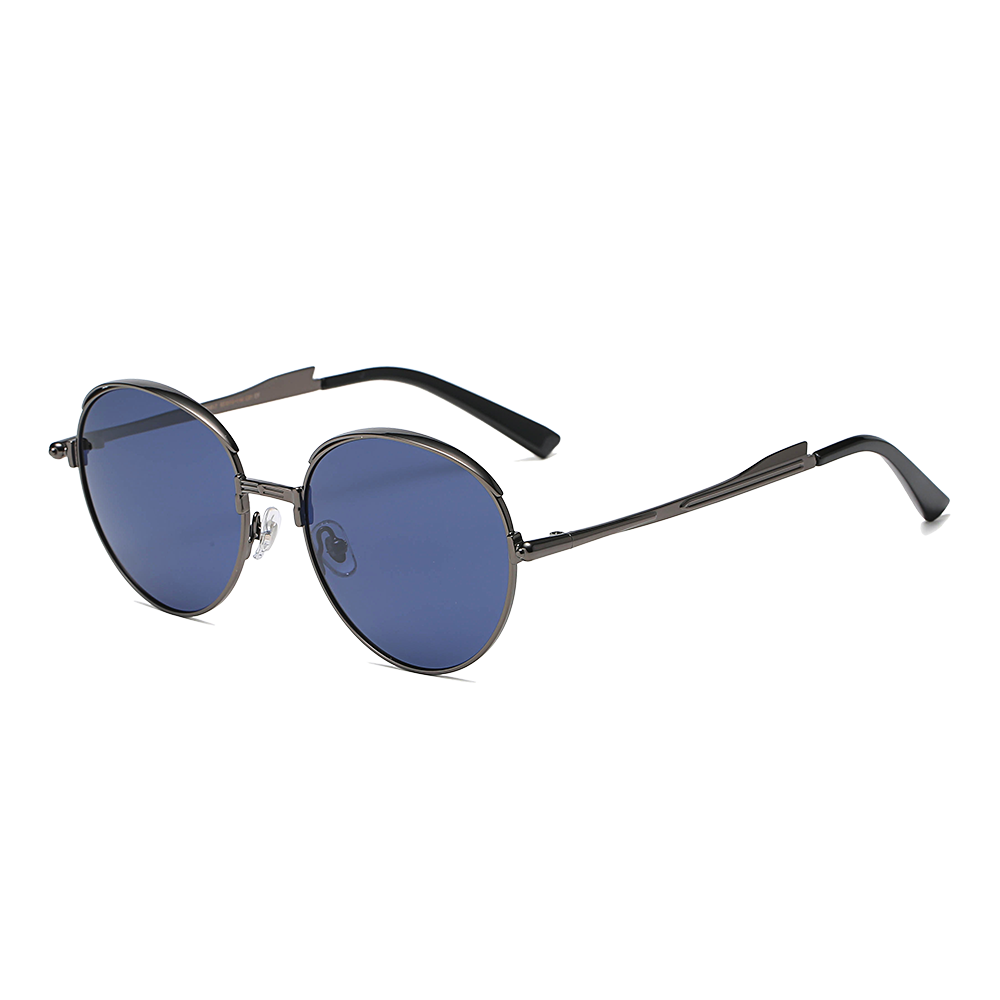
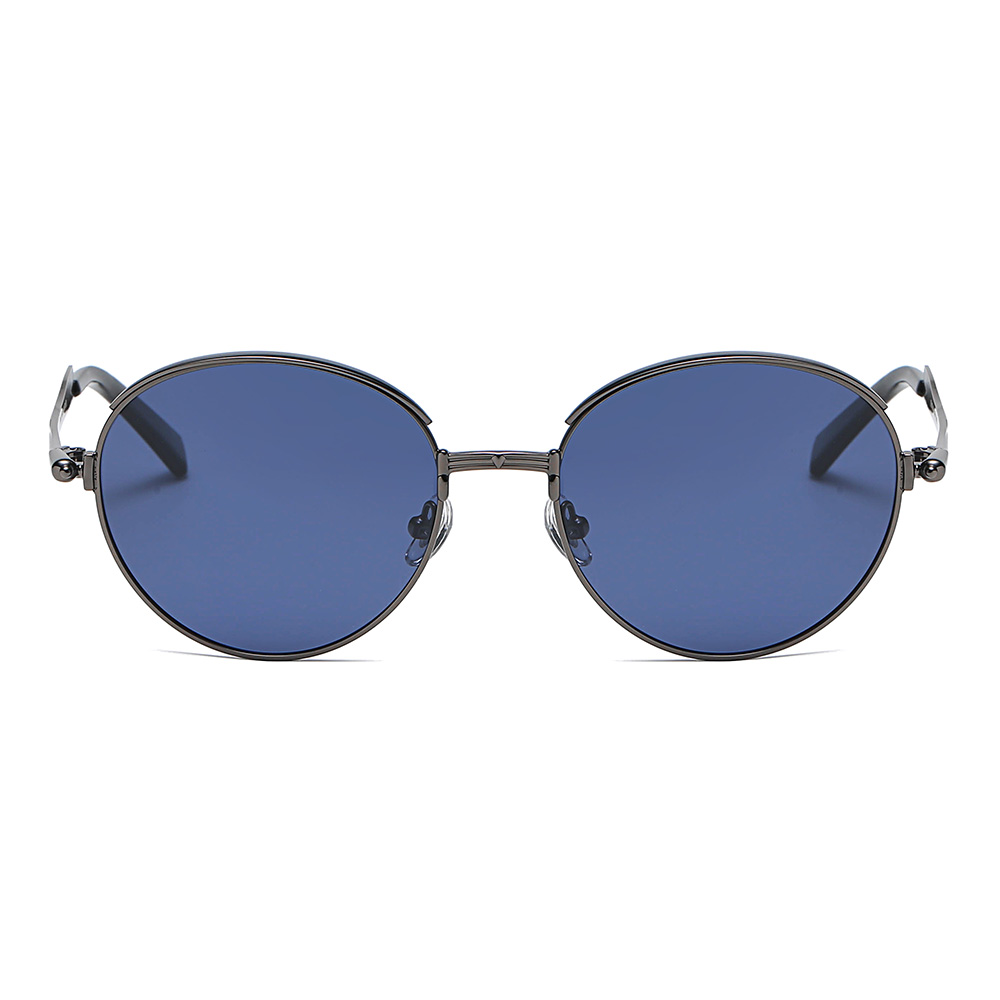
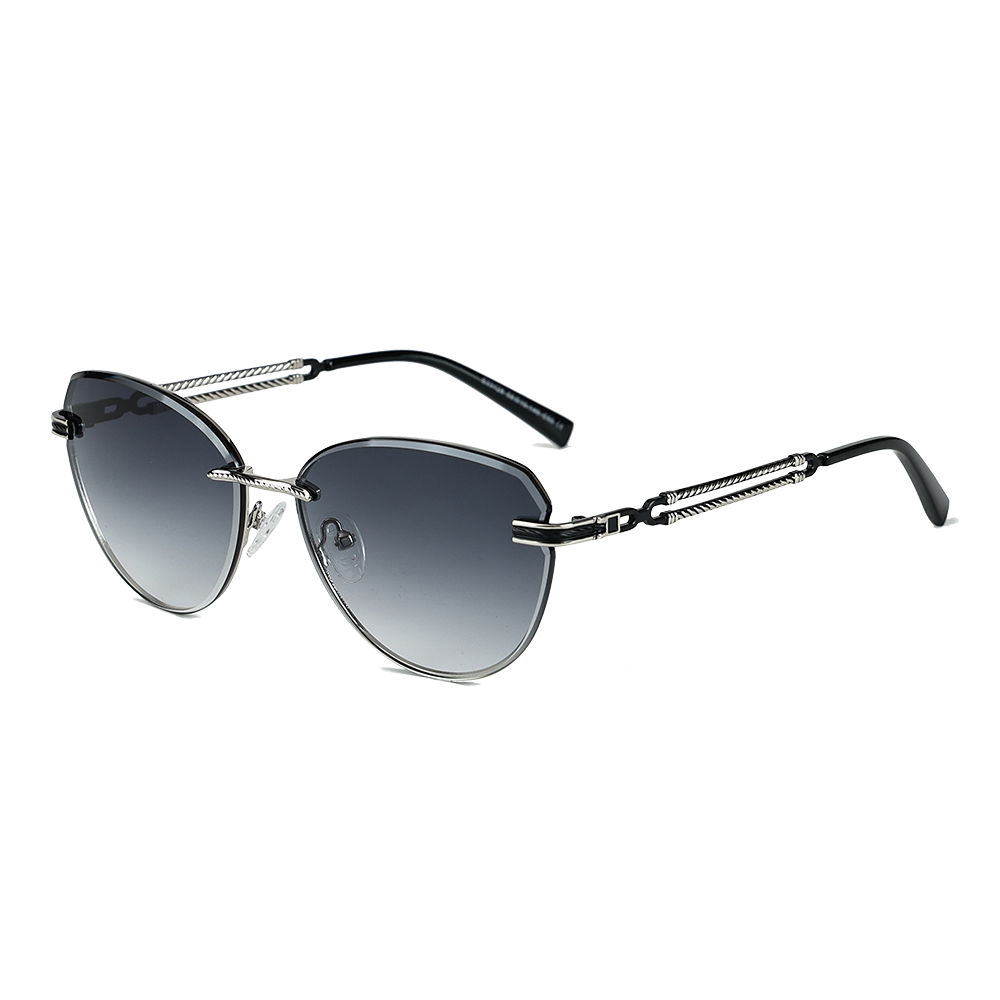
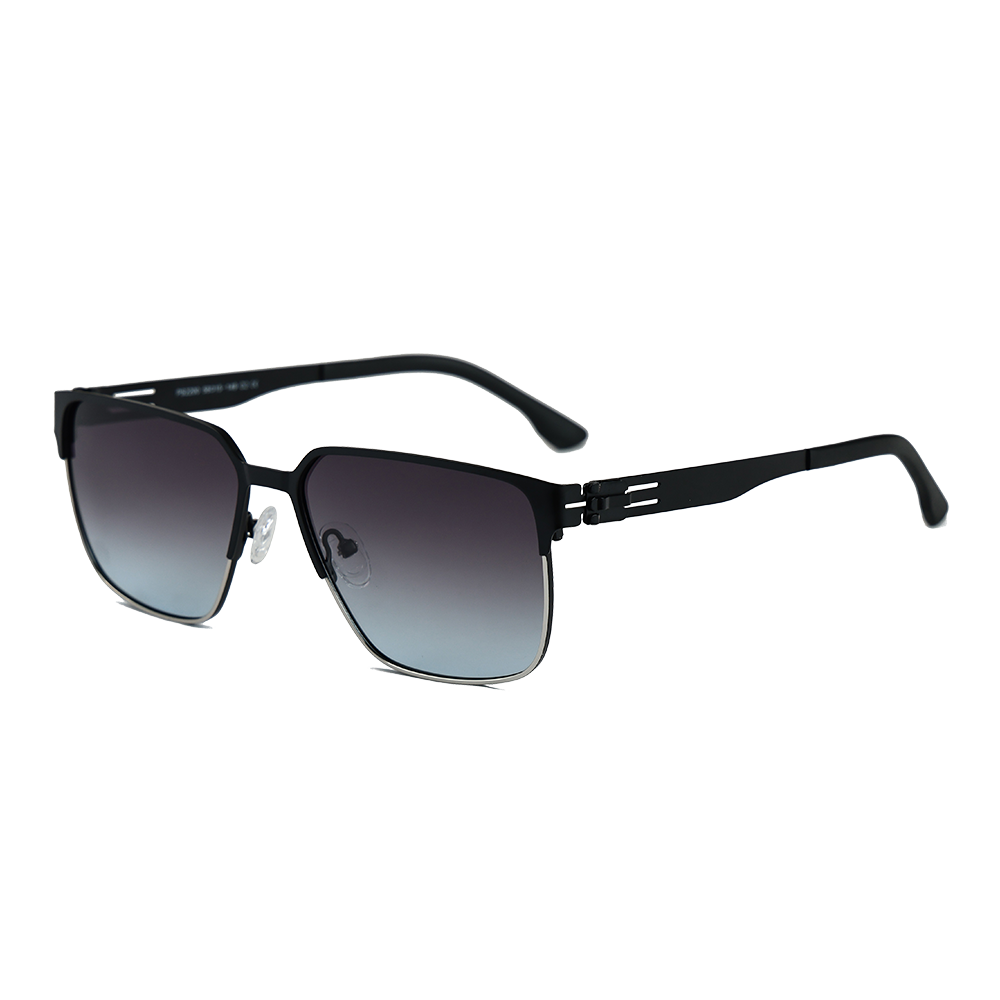
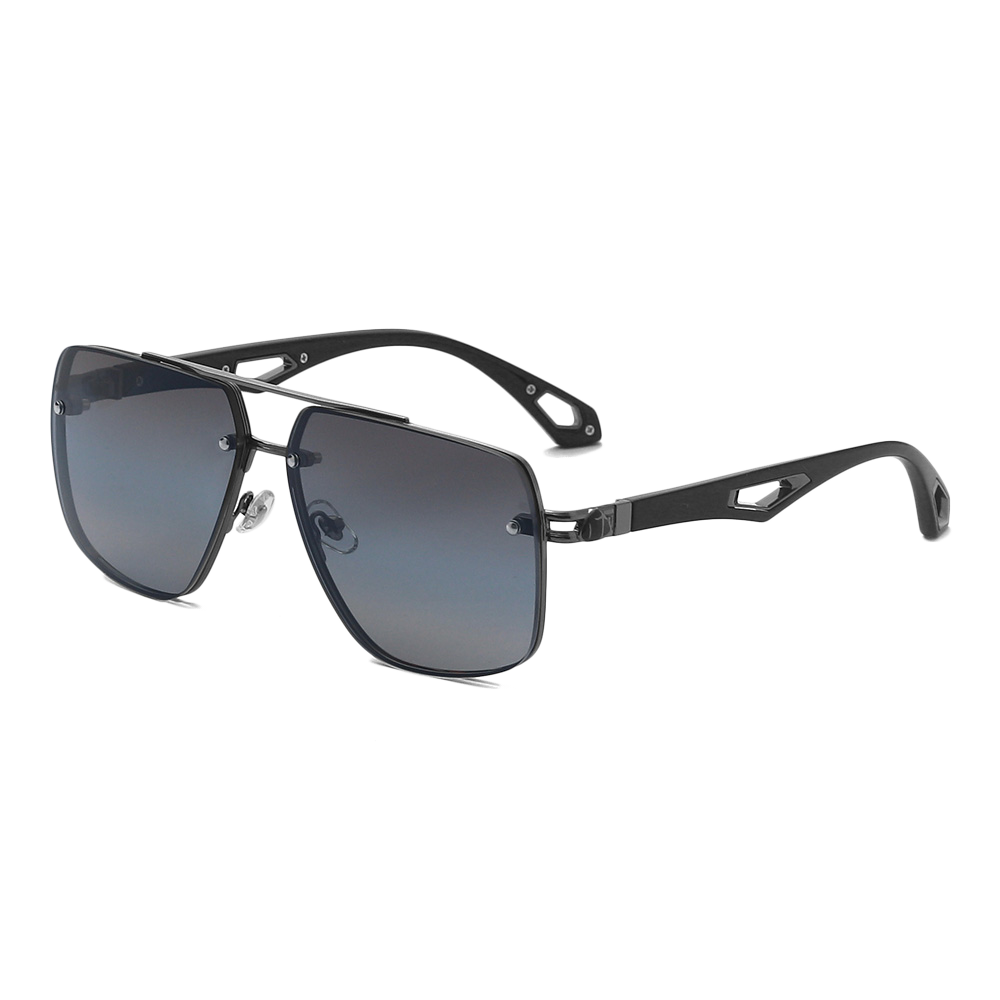
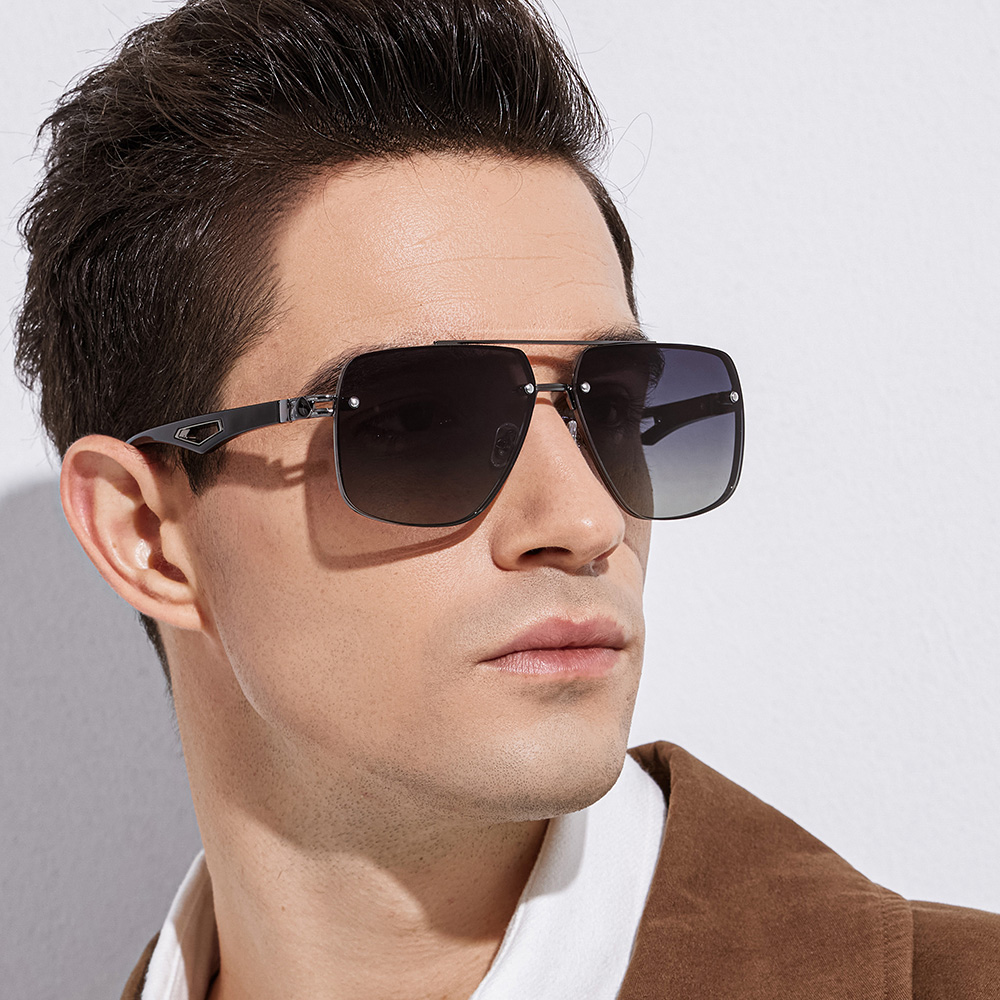
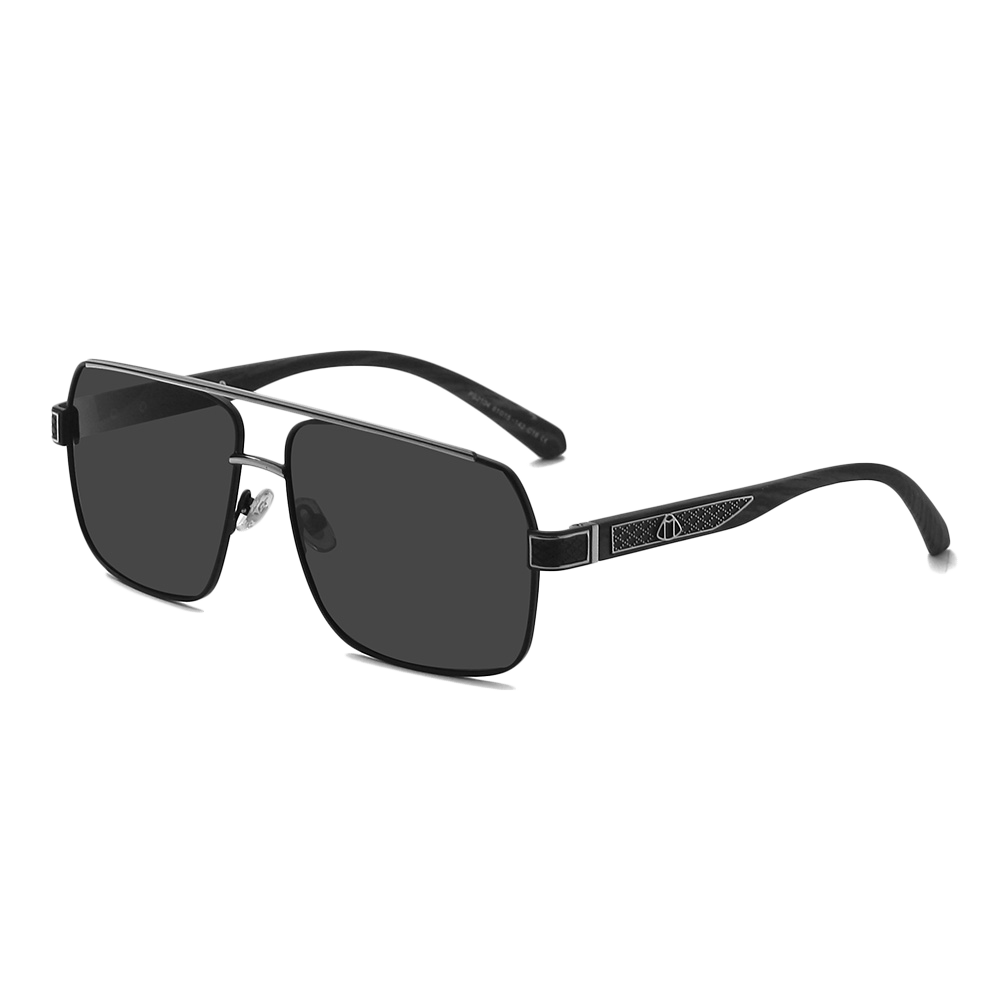
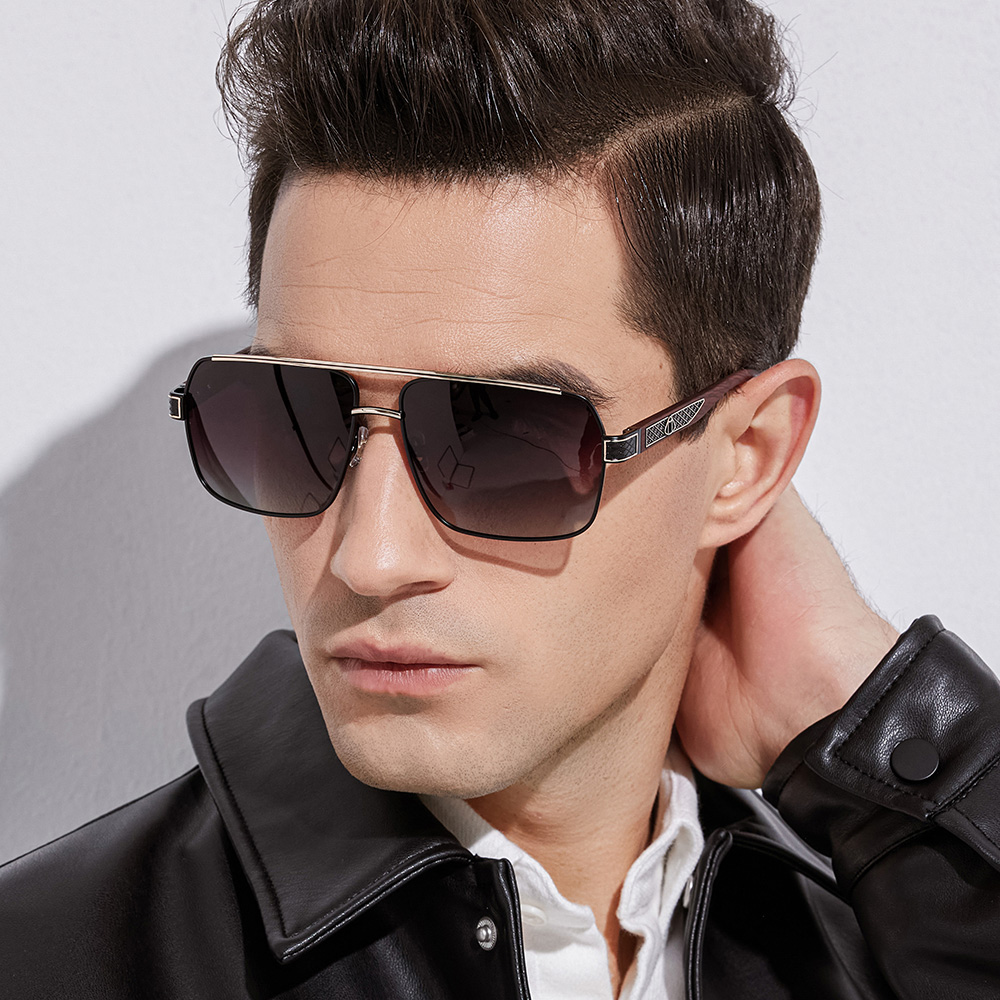
Men's sunglasses are developed around men's facial proportions, wearing preferences, styling needs, and everyday use scenarios. They are not defined by one particular material or a fixed frame shape. A finished product is the result of several connected decisions, including frame material, lens type, lens function, frame dimensions, temple construction, color selection, surface treatment, and overall fit.
For ZhanSheng Men's Sunglasses form an important part of the company's sunglasses product range. This category may cover Men's Eyewear, Men's Sun Glasses, Men's Polarized Sunglasses, Men's Fashion Sunglasses, Men's Outdoor Sunglasses, and customized styles developed through OEM/ODM cooperation.
What Are Men's Sunglasses?
Men's Sunglasses are sun eyewear developed with male-oriented frame proportions, styling directions, wearing situations, and market requirements in mind. Depending on the design, they can be produced in different frame materials, lens materials, lens colors, shapes, and structural configurations.
A complete pair of men's sunglasses normally includes the following elements:
- Frame Material: TR90, Metal, PC, Nylon, Acetate, Titanium, Half Titanium, or another material specified for the product.
- Lens Material: TAC polarized lenses, Nylon polarized lenses, PC lenses, or other lens options confirmed in the technical specification.
- Lens Function: Polarized or non-polarized configuration, UV protection requirements, lens tint, color, coating, or other confirmed features.
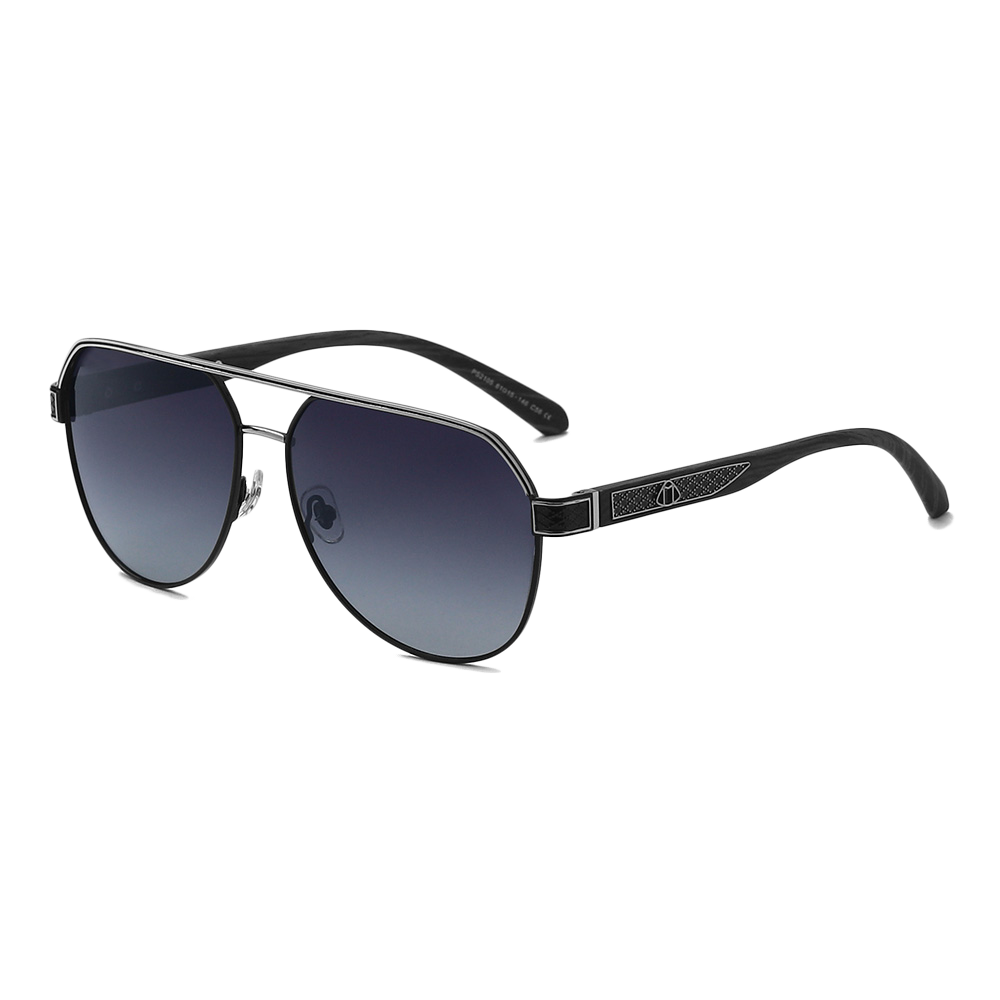
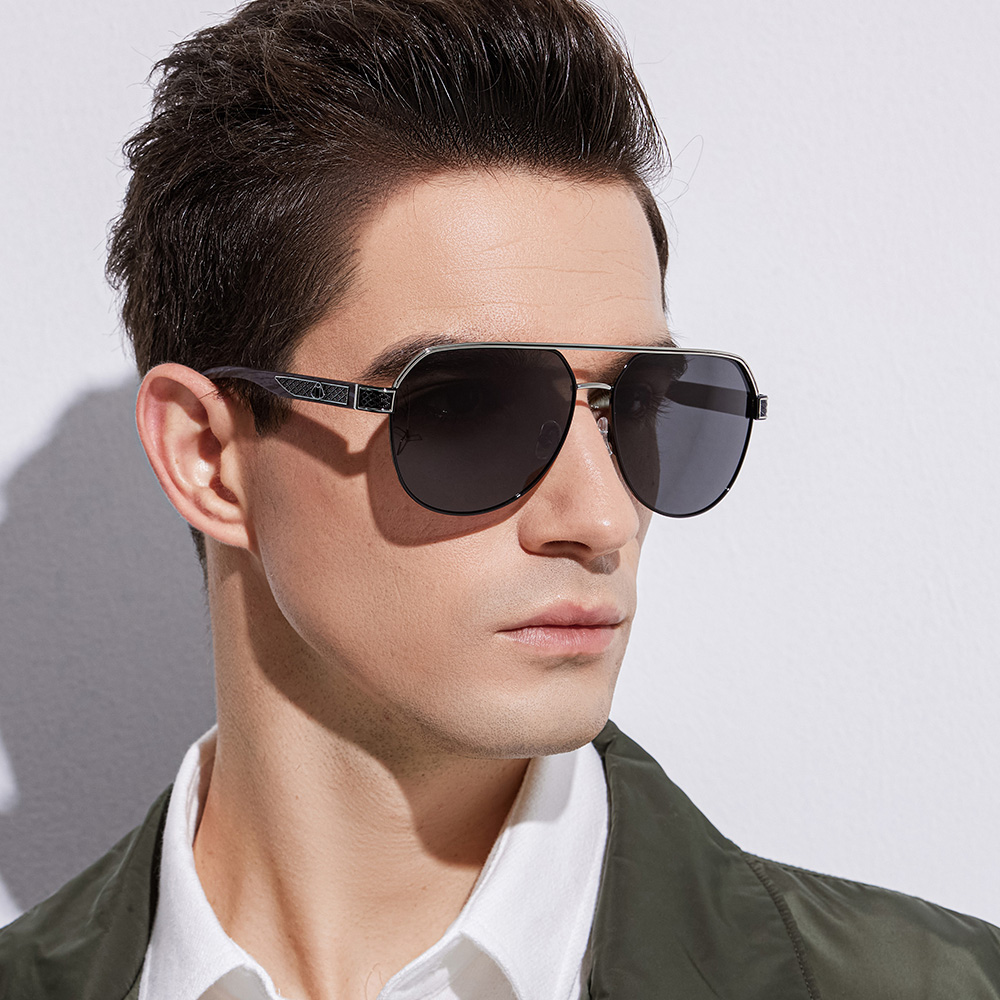
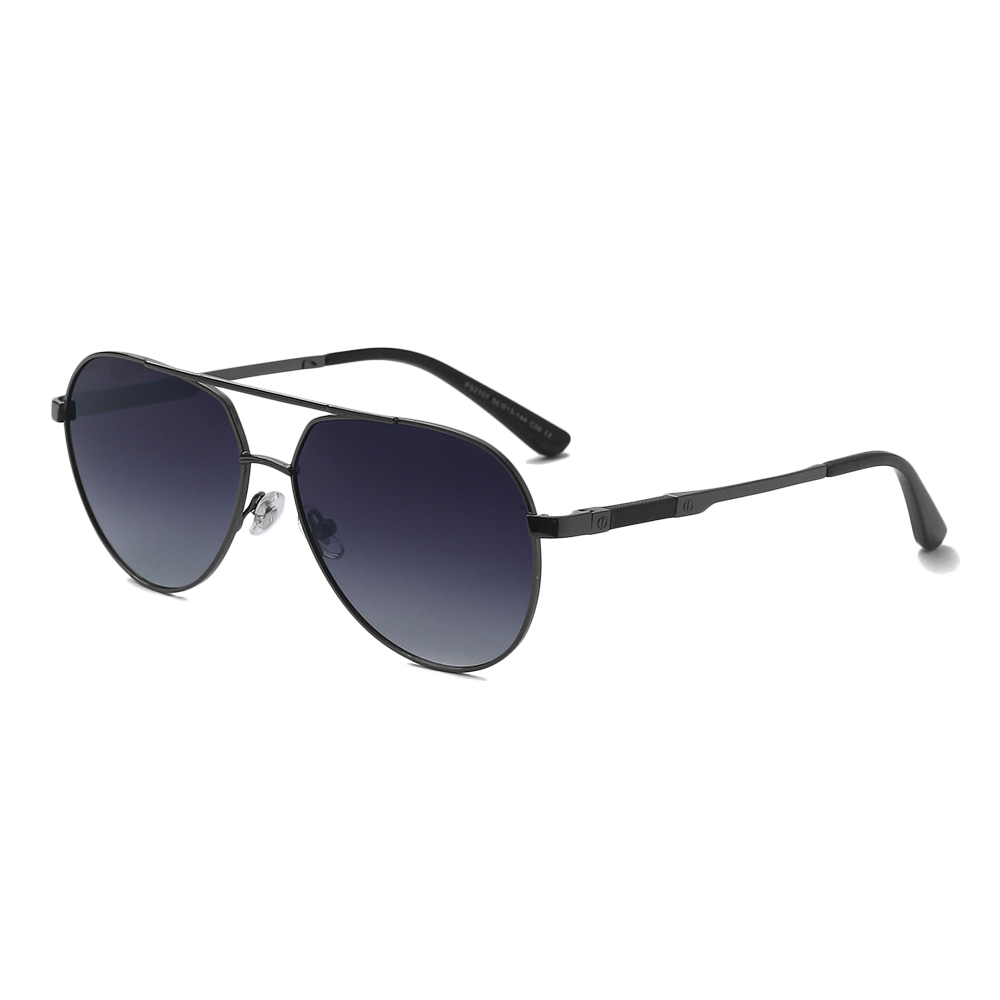
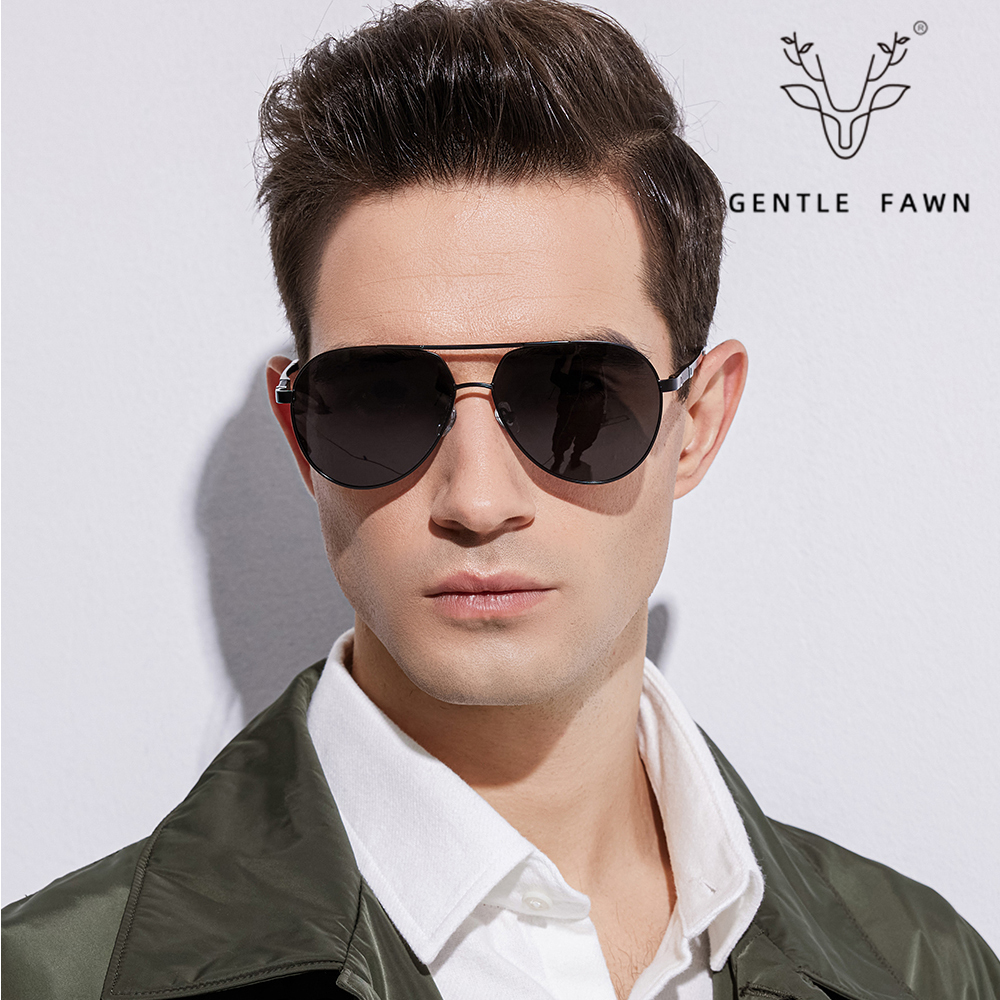
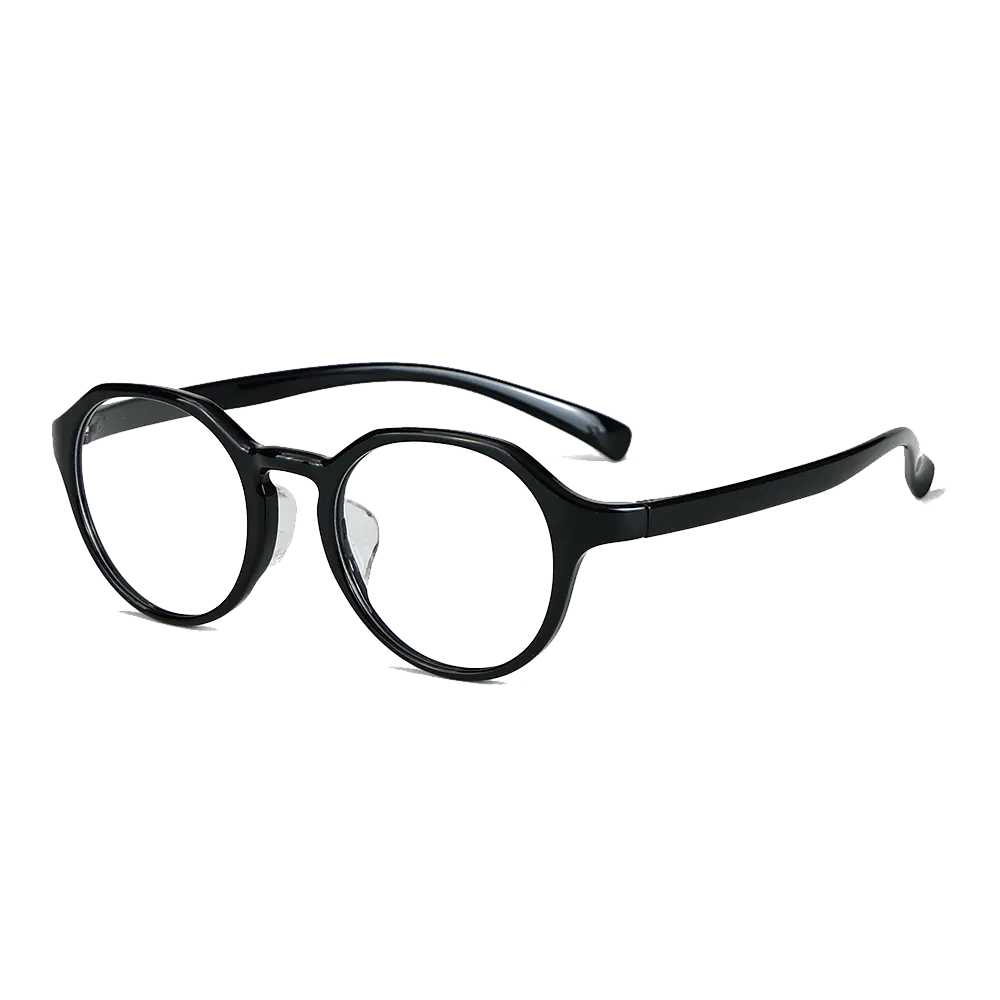
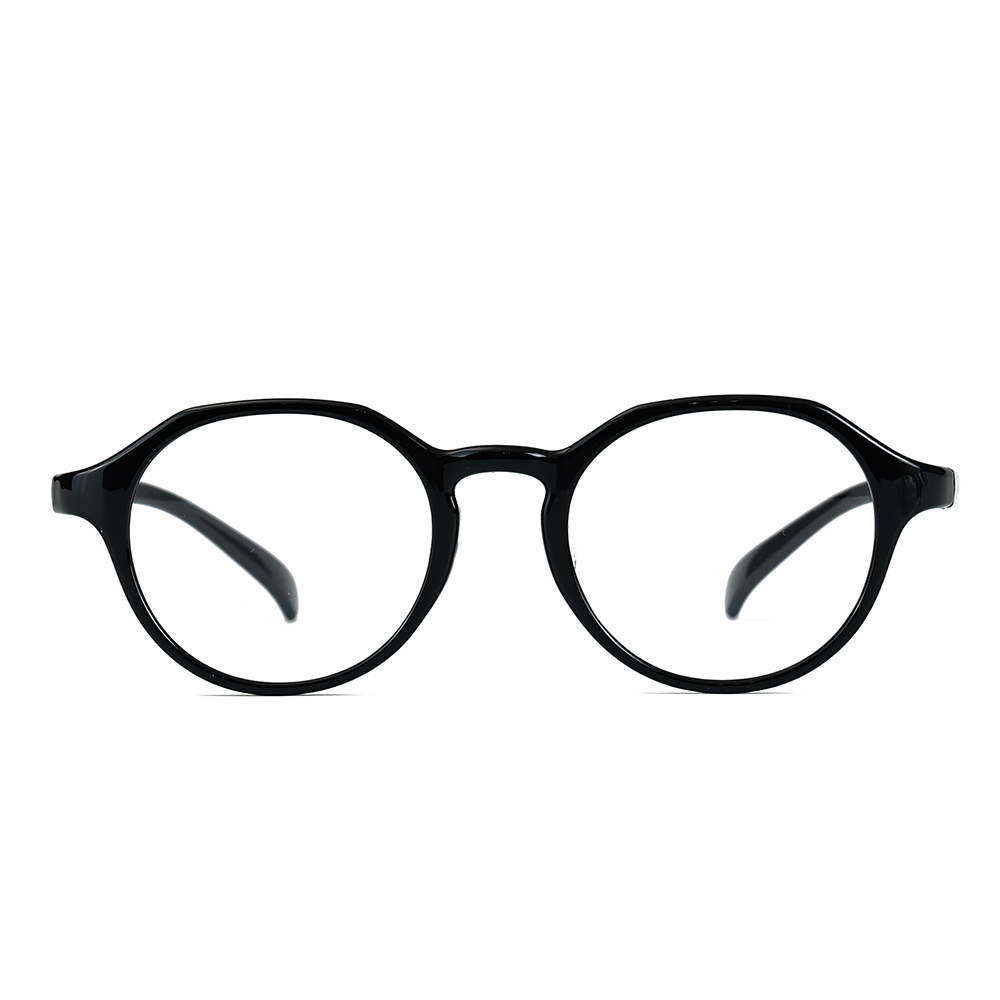
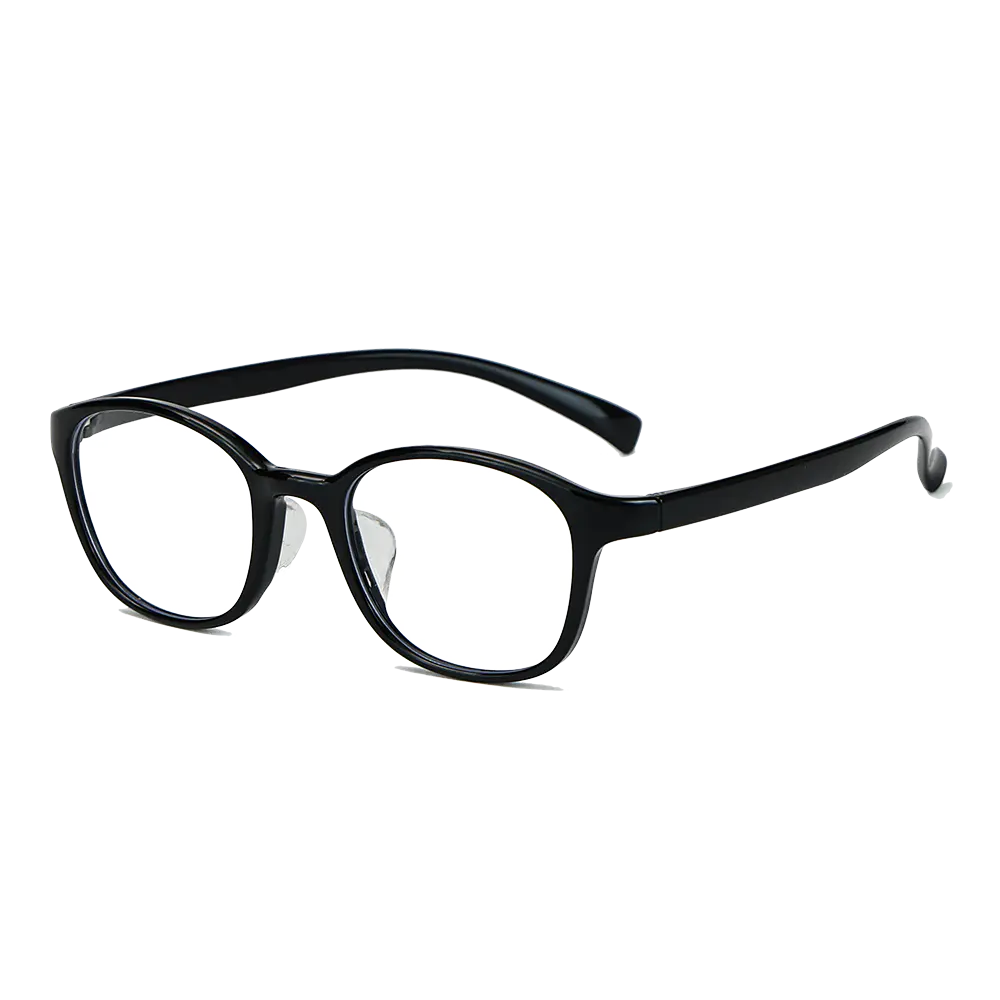
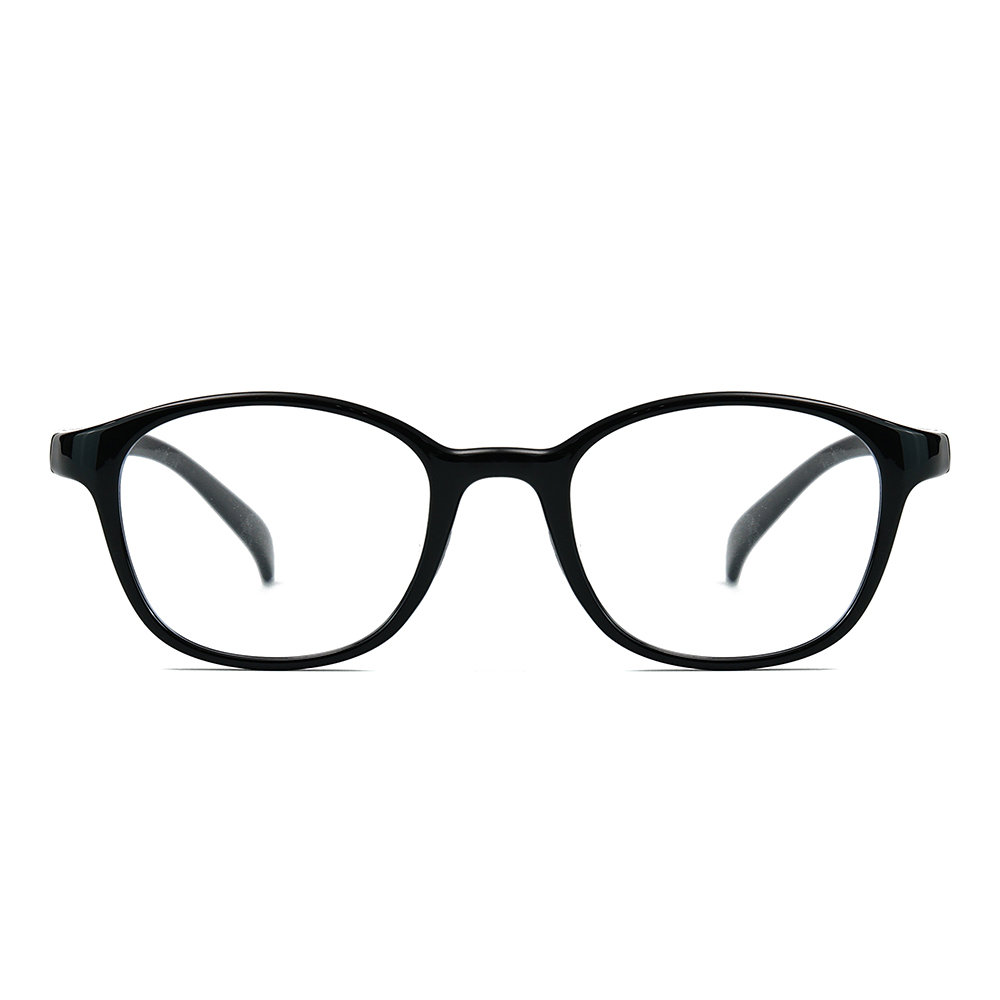
- Frame Shape: Square, Round, Oval, Aviator, Pilot, Geometric, Wayfarer, Oversized, Retro, Fashion, Casual, Outdoor, Travel, Sports, Minimalist, or Classic.
- Temple Design: Temple length, thickness, curvature, color, texture, finish, and hinge position.
- Wearing Balance: The combined effect of frame weight, lens dimensions, bridge position, temple construction, and the way the sunglasses sit on the face.
The table below provides a practical overview of the main product structure:
| Product Element |
Main Role |
Development Focus |
Sample Checkpoint |
| Frame Material |
Creates the main structure and visual foundation |
Material selection, frame geometry, and surface finish |
Dimensions, symmetry, and structural condition |
| Lens Material |
Determines the lens structure and basic characteristics |
TAC, Nylon, PC, or another specified lens material |
Lens fit, clarity, and consistency with the specification |
| Lens Function |
Establishes the intended lens-performance direction |
Polarization, UV requirement, tint, and other functions |
Confirm through actual lens data and sample review |
| Frame Shape |
Defines the front profile and overall style |
Square, Round, Aviator, Geometric, and other shapes |
Proportion, lens outline, and facial fit |
| Temple Design |
Influences the side profile and wearing position |
Length, curve, thickness, finish, and hinge location |
Opening condition, ear-area fit, and balance |
| Assembly Structure |
Connects the frame, lenses, temples, and other parts |
Rim, lens, hinge, temple, and decoration coordination |
Assembly consistency and final wearing balance |
Men's Sunglasses should not be treated as a single standardized product. There is no universal frame material, lens configuration, shape, or application that suits every model. Product value comes from the way the frame, lenses, temples, hinges, finish, and fitting geometry work together.
Why Frame, Lens, and Temples Must Be Evaluated Together
From a product-development perspective, the frame material alone cannot determine whether a pair of men's sunglasses will be comfortable, stable, or visually balanced.
A lightweight frame may still feel front-heavy when combined with large or thick lenses. A bold frame may look attractive in a drawing but sit incorrectly if the bridge is too high or the temples are not properly curved. Similarly, a well-selected lens cannot compensate for poor frame geometry or inconsistent assembly.
Key structural relationships
- The front frame provides the main structure and holds the lenses in position.
- The lenses establish the visual field and may provide specific optical or sun-lens functions.
- The temples influence the side profile, ear contact, and wearing stability.
- Lens dimensions affect total weight and front-frame balance.
- Overall frame width influences facial coverage and visual proportion.
- Temple length affects the position of the frame on the head.
- Temple curvature influences contact around and behind the ears.
- Bridge width, height, and shape determine frame height and lens position.
- Hinge location affects temple opening, side alignment, and overall geometry.
- Decorative components can change both weight distribution and visual style.
These relationships are easier to judge on a completed sample than from technical drawings alone. Measurements provide the development foundation, but the assembled product reveals how the separate components behave together.
Zhejiang ZhanSheng Optical's manufacturing approach includes attention to material selection, frame curvature, polishing, fitting, assembly, and detailed finishing. During sample approval, buyers should examine the sunglasses from the front and both sides, open and close the temples, check lens installation, compare surface and color consistency, and review the actual wearing position.
Core Features of Men's Sunglasses
Men's sunglasses can be developed through a wide range of materials, frame shapes, lens functions, colors, and application directions. The following points explain the main product elements from the perspectives of manufacturing, sourcing, and sample approval.
Frame Material and Product Structure
Frame material should be selected according to the design, dimensions, intended wearing experience, target market, and production requirements of the individual model.
- TR90 can be used for lightweight frame concepts that require a certain degree of flexibility and adaptable geometry.
- Metal is commonly considered for slimmer profiles, defined lines, and classic or modern frame structures.
- PC supports molded constructions and can be developed in different shapes and thicknesses.
- Nylon may be used for selected lightweight, flexible, outdoor, or function-oriented designs.
- Acetate is often chosen where color depth, pattern, texture, polishing, and surface appearance are central to the design.
- Titanium / Half Titanium can support selected lightweight metal-frame directions.
- Mixed-material structures, such as TR90 combined with Acetate, can create a visual and structural contrast between the frame front and temples.
No material should be evaluated separately from the finished design. Frame shape, lens width, lens height, temple construction, bridge position, hinge arrangement, surface treatment, decoration, and total weight all influence the final product.
Men's Sunglasses Frame Shapes
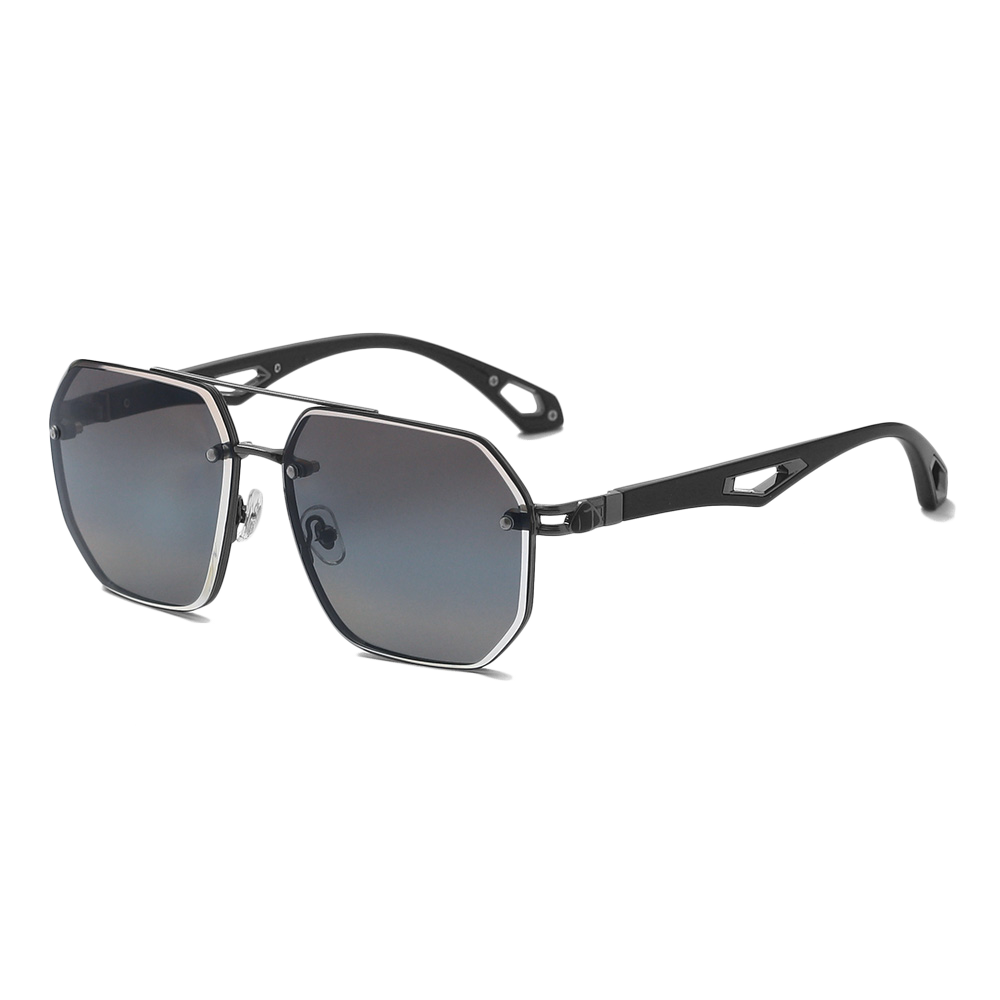
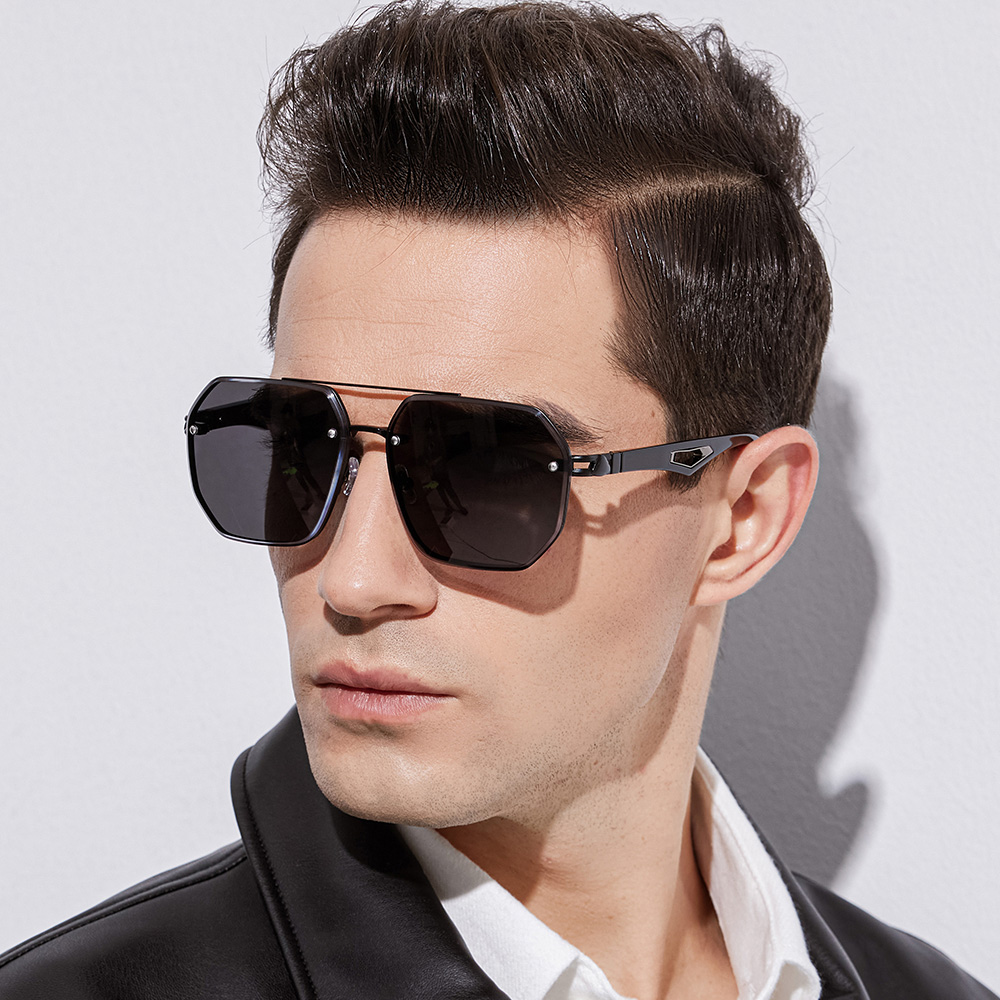
Men's Sunglasses can be developed in many frame shapes. No individual shape represents the complete category, and the same shape can be produced in different materials or adapted for different markets.
| Frame Shape |
Visual Feature |
Development Direction |
Key Focus |
| Square Men's Sunglasses |
Defined outline with a structured geometric appearance |
Fashion, Casual, Business Travel |
Overall width and lens-to-frame proportion |
| Round Men's Sunglasses |
Rounded profile with a classic or Retro character |
Retro, Lifestyle |
Lens diameter and bridge construction |
| Oval Men's Sunglasses |
Softer lines and a smoother front profile |
Casual, Fashion |
Lens height and temple proportion |
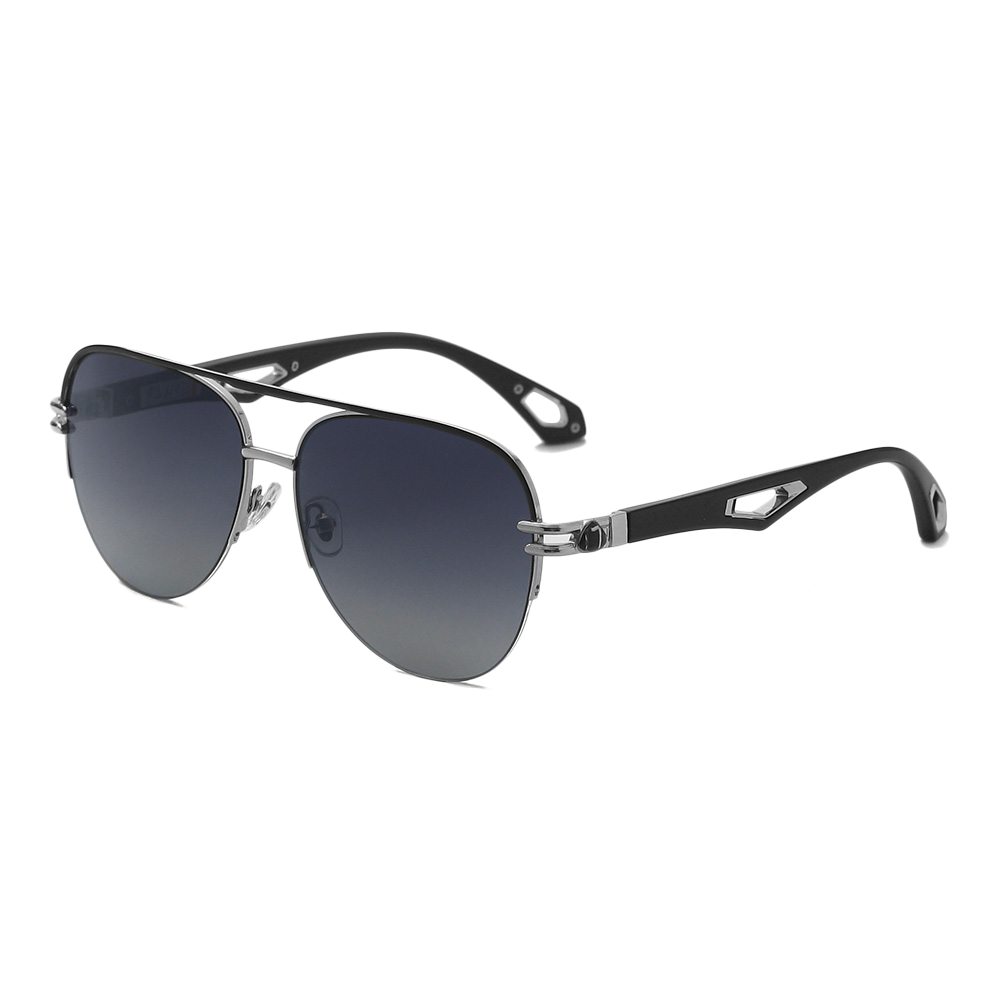
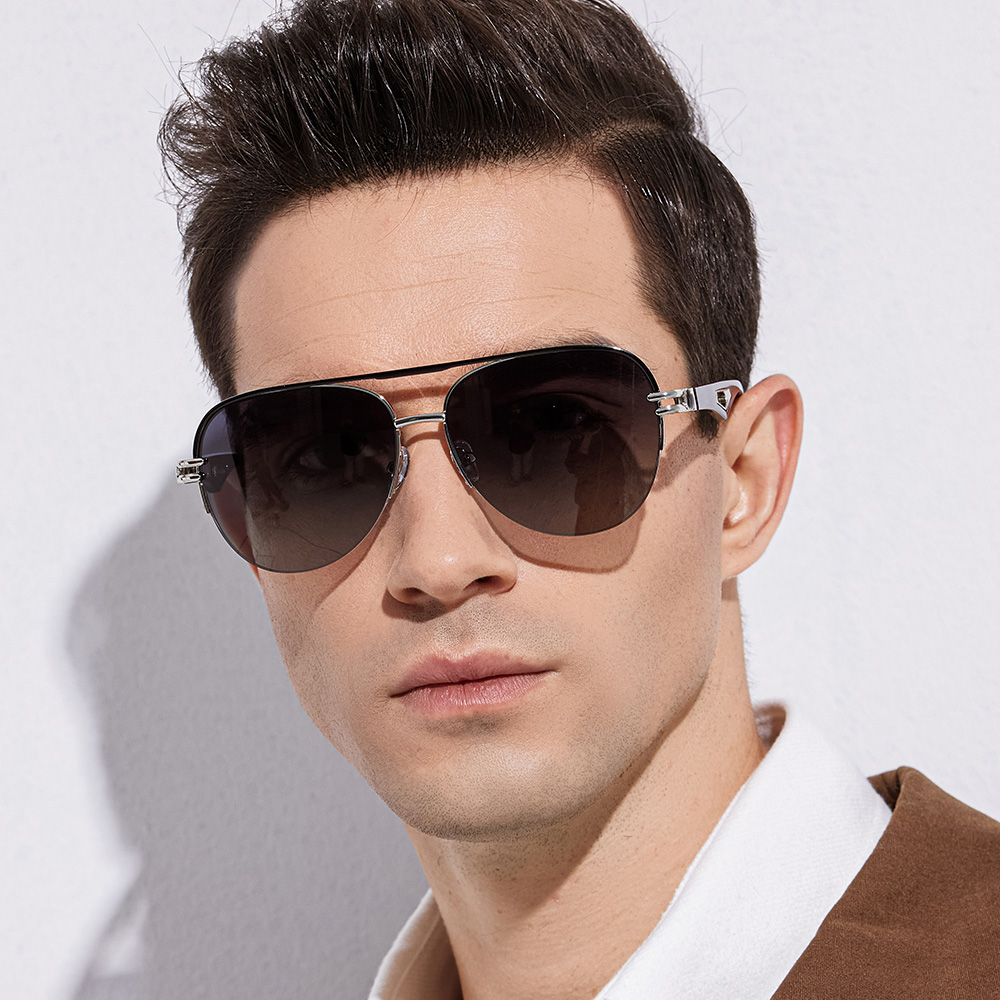
| Aviator Men's Sunglasses |
Recognizable aviator-inspired silhouette |
Classic, Outdoor |
Bridge structure, lens size, and temple design |
| Pilot Men's Sunglasses |
Larger front proportions and a noticeable lens shape |
Fashion, Outdoor |
Lens outline and wearing position |
| Geometric Men's Sunglasses |
Angular or unconventional shape variations |
Fashion, Modern |
Symmetry, lens edges, and frame alignment |
| Wayfarer Men's Sunglasses |
Familiar polygonal profile with broad styling potential |
Casual, Classic |
Front-frame proportions and temple connection |
| Oversized Men's Sunglasses |
Larger lenses and increased facial coverage |
Fashion, Lifestyle |
Lens weight and overall wearing balance |
A Square frame, for example, may be made from TR90, Metal, PC, or Acetate depending on its structural requirements and intended appearance. An Aviator design is often associated with metal, but its finished performance still depends on lens dimensions, bridge construction, hinge design, and temple alignment.
Style names are useful for product positioning, but they do not replace dimensional specifications. Two products described as Square Men's Sunglasses may have noticeably different widths, lens heights, bridge sizes, and wearing characteristics.
Men's Sunglasses Lens Selection
Lens selection should be based on the individual product specification rather than a broad category description.
Men's sunglasses may use:
- Polarized Lens
- TAC Polarized Lens
- Nylon Polarized Lens
- PC Lens
- Other lens types that correspond with the confirmed product design
The lens material, tint, UV specification, dimensions, curve, polarization, coating, and other technical requirements should be confirmed for each model.
A product category page should not suggest that every pair of Men's Sunglasses uses the same lens. The selected lens needs to correspond with the rim construction, frame curve, target application, price position, and approved sample.
Glare Control of Polarized Lenses
A Polarized Lens is mainly used to reduce certain reflected glare. Strong reflections may appear on roads, wet ground, water surfaces, and other bright or reflective environments.
For this reason, Men's Polarized Sunglasses may be considered for driving, travel, outdoor activities, and beach-related products, provided that the selected lens configuration is appropriate for the intended application.
Polarization and UV protection should be described separately:
- Polarized function helps reduce certain reflected glare.
- UV protection refers to the lens’s ultraviolet-filtering capability.
- UV400, where required, should be confirmed through the actual lens specification or relevant documentation.
- Lens darkness does not independently confirm UV performance.
A polarized lens may also provide UV protection, but the presence and level of that protection must be verified. The word "polarized" should not be used as automatic proof of UV400.
Lens Color and Men's Sunglasses Design
Lens color contributes to product appearance and market positioning. It may also influence how the frame color, material, and surface treatment are perceived.
| Lens Color |
Visual Direction |
Development Notes |
| Gray Lens |
Neutral, restrained, and clean |
Commonly used for daily, travel, and outdoor designs |
| Brown Lens |
Warm and classic |
Can coordinate with Casual, Retro, and Travel products |
| Green Lens |
Traditional sunglasses appearance |
Suitable for Lifestyle, Classic, and Outdoor styling |
| Blue Lens |
More expressive and visually noticeable |
Requires careful coordination with frame color and finish |
| Black Lens |
Deep visual tone with a stronger appearance |
Frequently used in Fashion, Urban, and Casual designs |
| Gradient Lens |
Tint changes gradually from dark to light |
Often selected for Fashion and daily eyewear |
| Colored Lens |
More distinctive styling expression |
Should be matched with frame shape, material, and finish |
Lens color is not direct evidence of UV protection. UV specifications and other lens-performance details must be checked separately.
Temple Design in Men's Sunglasses
Temple design affects how the sunglasses look from the side and how they sit during wear. It also contributes to weight distribution and frame stability.
Product development may consider:
- Temple Length
- Temple Curve
- Temple Thickness
- Temple Color
- Temple Texture
- Surface Finish
- Hinge Position
- Connection between temple and front frame
Longer or shorter temples can change the position of the front frame. Temple curvature affects contact around the ears, while temple thickness influences both visual weight and physical balance.
Where Acetate temples are used, the product can be described through its color, pattern, transparency, texture, polishing, and layered side-view appearance. Acetate should not automatically be presented as more durable, comfortable, or premium than other materials. These characteristics depend on the actual construction, processing, assembly, and approved requirements.
Frame Structure and Manufacturing Points
From a factory-production perspective, Men's Sunglasses require close coordination among the front frame, lenses, bridge, temples, hinges, decoration, and finishing processes.
Rim Structure
The rims define the lens shape and secure the lenses inside the front frame. Their dimensions, curvature, and left-right symmetry influence lens fitting, frame appearance, and final wearing geometry.
If the rim profile does not correspond with the lens size, edge, or curve, the completed frame may show uneven installation, visible gaps, excessive fitting pressure, or asymmetry.
The rim should be checked both before and after lens installation. A front frame that appears symmetrical before assembly may change once the lenses are fitted.
Bridge Structure
Bridge width, height, and curvature influence how the sunglasses rest on the face. They also affect lens height, nose contact, frame position, and the distance between the front frame and the wearer.
A bridge that is too high, low, wide, or narrow can noticeably change the fit. Bridge design should therefore be evaluated together with overall frame width, lens height, nose support, temple angle, and the target facial proportions.
Temple Structure
Temple length, thickness, curvature, and decorative details influence ear-area contact, side appearance, and wearing balance.
A thicker temple may create a stronger and more substantial visual profile. A thinner temple can support a cleaner or more minimal appearance. Neither approach is automatically more comfortable or stable.
The final temple design should correspond with front-frame weight, lens dimensions, hinge position, bridge geometry, and the intended wearing state.
Lens Installation
Lens-installation inspection should include:
- Lens and rim matching
- Left-right lens consistency
- Lens position
- Lens curve
- Overall assembly status
The lenses should sit evenly within the frame without clear differences between the left and right sides. Lens orientation, edge condition, fitting tension, and front-frame symmetry should also be reviewed according to the product specification.
Hinge and Connection Structure
The temples and front frame must be assembled through the connection structure developed for the specific product. Where the hinge type has not been confirmed, it should not be assumed that every model uses the same construction.
Important inspection points include:
- Hinge position
- Temple opening state
- Left-right movement consistency
- Connection stability
- Fit between the temples and front frame
- Assembly consistency
The hinge area affects more than opening and closing. It also influences temple angle, side alignment, frame width, and the position of the sunglasses during wear.
Surface Treatment
Surface-treatment directions may include:
- Matte
- Glossy
- Transparent
- Semi-Transparent
- Gradient
- Textured
- Polished
The available effect depends on the material and the actual product design. A finish applied to TR90 will not necessarily look or feel the same as a similar finish on Metal, PC, Nylon, or Acetate.
Color, gloss, texture, edge treatment, and polishing should be examined on a physical sample. The front frame, temples, lenses, and decoration should also be reviewed together to confirm visual coordination.
Assembly Inspection
| Inspection Area |
What to Check |
Why It Matters |
| Frame Symmetry |
Front profile, rim alignment, and left-right balance |
Influences appearance and wearing position |
| Lens Installation |
Lens position, edge condition, and rim fit |
Affects structural stability and visual consistency |
| Temple Length |
Left-right dimensions and alignment |
Influences fit and side balance |
| Temple Curve |
Shape and ear-area contact |
Affects the wearing position |
| Temple Opening |
Opening angle, movement, and hinge behavior |
Influences handling and daily use |
| Connection Structure |
Fit between temples and front frame |
Affects alignment and assembly stability |
| Surface Effect |
Matte, gloss, texture, coating, or polishing |
Determines the intended product appearance |
| Color Consistency |
Frame, temples, lenses, and decoration |
Influences overall visual coordination |
| Wearing Balance |
Front weight, nose position, and side support |
Provides a basis for sample approval |
The fully assembled sample should remain the main approval reference. Individual components may meet their separate dimensions while still producing an unbalanced or visually inconsistent finished frame.
How to Choose Frame Materials for Men's Sunglasses
The following table offers a general eyewear-industry reference. It does not indicate that every material listed is used in every Men's Sunglasses product from Zhejiang ZhanSheng Optical.
| Frame Material |
Main Features |
Common Designs |
Suitable Direction |
| TR90 |
Lightweight with a degree of flexibility and adaptable structural design |
Square, Round, Sports, Fashion |
Daily, Outdoor, Lightweight |
| Metal |
Slim construction with clear and defined lines |
Aviator, Round, Geometric |
Fashion, Classic |
| PC |
Lightweight and suitable for molded frame structures |
Oversized, Fashion |
Fashion, Lightweight |
| Nylon |
Lightweight with selected flexible characteristics |
Outdoor, Functional |
Outdoor, function-oriented |
| Acetate |
Rich color, texture, pattern, and surface expression |
Fashion, Retro, Classic |
Design-focused eyewear |
| Titanium / Half Titanium |
Lightweight metal-frame direction |
Thin Frame, Minimal |
Lightweight metal eyewear |
| TR90 + Acetate |
Mixed-material construction with visual contrast |
Fashion, Square, Oval, Geometric |
Material-combination design |
The appropriate material should be selected after reviewing the complete product. Frame width, lens dimensions, temple construction, bridge design, hinge structure, surface processing, total weight, intended price range, and wearing balance all matter.
General material characteristics can guide early development, but the approved sample provides a more reliable basis for final assessment.
Lens Materials and Product Development Directions
Men's sunglasses lens development should clearly distinguish among lens material, lens color, polarization, UV protection, and other optional functions.
| Lens Direction |
Product Feature |
Possible Scenario |
Development Focus |
| TAC Polarized Lens |
Can support polarized-sunglasses development |
Daily, Outdoor, Driving |
Lens specification, tint, curve, and polarization |
| Nylon Polarized Lens |
Can be considered for selected polarized eyewear |
Outdoor, Travel, Sports direction |
Material characteristics, dimensions, and frame matching |
| Gray Lens |
Neutral lens tone |
Daily, Outdoor |
Color, visual appearance, and confirmed specification |
| Brown Lens |
Warm visual direction |
Daily, Travel |
Lens color and coordination with product style |
| Green Lens |
Classic sun-lens appearance |
Outdoor, Casual |
Color consistency and frame matching |
| Gradient Lens |
Gradual transition from darker to lighter tint |
Fashion, Daily |
Gradient quality and overall appearance |
| Colored Lens |
More expressive color presentation |
Fashion, Lifestyle |
Tint, frame shape, and complete design coordination |
A lens may belong to more than one category. For example, a TAC polarized lens may also be gray or brown. The specification should therefore identify the material, color, polarization, UV requirement, curve, dimensions, and any relevant coating separately.
Lens darkness does not prove UV protection. Likewise, polarization and UV protection describe different performance dimensions. UV400 or another UV requirement should be confirmed through the actual lens specification.
Suitable Use Scenarios for Men's Sunglasses
Men's Sunglasses can be developed for different wearing situations. Suitability depends on the actual frame construction, lens configuration, fit, and intended environment.
| Use Scenario |
Recommended Product Direction |
Main Considerations |
| Daily Commuting |
Men's Casual Sunglasses |
Frame weight, lens tint, dimensions, and wearing balance |
| Driving |
Men's Polarized Sunglasses |
Polarized-lens specification, field of view, tint, and fit |
| Travel |
Lightweight Men's Sunglasses |
Overall weight, frame size, temple structure, and storage |
| Outdoor |
Men's Polarized Sunglasses |
Frame stability, lens specification, UV details, and coverage |
| Beach / Water |
Polarized Men's Sunglasses |
Reflective environment, lens configuration, and frame handling |
| Casual Wear |
Round / Oval / Square Men's Sunglasses |
Shape, color, finish, and styling flexibility |
| Fashion Use |
Men's Fashion Sunglasses |
Color matching, texture, frame shape, and surface details |
| Business Travel |
Minimal Men's Sunglasses |
Appearance, weight, fit, and carrying convenience |
| Lifestyle |
Fashion Men's Sunglasses |
Shape, color, finish, and overall visual direction |
These are development references rather than universal recommendations. A product should not be presented as suitable for every use environment without reviewing its actual lens data, frame structure, and applicable requirements.
Men's Polarized Sunglasses vs. Standard Men's Sunglasses
| Comparison Item |
Men's Polarized Sunglasses |
Standard Men's Sunglasses |
| Lens |
Polarized Lens |
Based on the selected product configuration |
| Polarized Function |
Helps reduce certain reflected glare |
Depends on the actual lens |
| UV Protection |
Confirm through the lens specification |
Confirm through the lens specification |
| Main Direction |
Outdoor, Driving, Travel |
Daily, Fashion, Casual |
| Frame Material |
Selected according to product design |
Selected according to product design |
| Frame Shape |
Square, Round, Aviator, Geometric, and other shapes |
Available in multiple frame shapes |
| Development Focus |
Lens function, frame geometry, construction, and wearing state |
Shape, material, color, finish, and complete design |
| Procurement Check |
Lenses, frame, temples, assembly, and specification |
Lenses, frame, temples, assembly, and specification |
The main difference is the confirmed polarized-lens configuration, not necessarily the frame material or shape.
A polarized lens does not automatically confirm a particular UV protection level. Polarization, UV performance, tint, lens material, and other requirements should be listed and verified separately.
TR90, Metal, PC, Nylon, Acetate, and Titanium: Key Differences
Frame materials should not be compared as simple "better" or "worse" options. Each one supports different construction methods, appearances, price positions, and product-development directions.
| Dimension |
TR90 |
Metal |
PC |
Nylon |
Acetate |
Titanium / Half Titanium |
| Material Feature |
Lightweight with a flexible design direction |
Slim and structurally defined |
Suitable for molded construction |
Lightweight and function-oriented |
Rich in color, pattern, and texture |
Lightweight metal structure |
| Weight Feel |
Often used for lightweight frames |
Depends on profile and construction |
Commonly light in molded styles |
Often suitable for lightweight products |
Depends on thickness and dimensions |
Often light compared with many metal structures |
| Flexibility |
Provides a degree of flexibility |
Lower in many conventional designs |
Depends on structure |
Can provide selected flexibility |
Depends on component and frame design |
Depends on the actual construction |
| Color Expression |
Solid colors and applied surface effects |
Plated, coated, or metallic finishes |
Molded colors and surface treatments |
Molded or coated appearance |
Strong patterns, layers, and color depth |
Primarily metallic tones and finishes |
| Texture |
Generally clean and relatively simple |
Metallic appearance |
Molded surface character |
Often practical or functional |
Strong visual depth and material texture |
Clean, refined metal surface |
| Surface Treatment |
Matte, glossy, or coated |
Plated, polished, brushed, or colored |
Matte or glossy |
Matte, glossy, or coated |
Polished, textured, transparent, or layered |
Polished, brushed, or matte metal |
| Frame Shape Fit |
Square, Round, Sports |
Aviator, Round, Geometric |
Oversized, Fashion |
Outdoor, Functional |
Retro, Fashion, Classic |
Thin Frame, Minimal |
| Temple Design |
Lightweight and adaptable |
Slim and structured |
Molded temple designs |
Functional temple construction |
Strong color and side-view expression |
Slim metal temples |
| Wearing Balance |
Requires complete-product evaluation |
Depends on nose support and temple fit |
Depends on frame and lens dimensions |
Depends on the full structure |
Temple weight and thickness require review |
Depends on overall frame geometry |
Final material selection should be made with the complete product in mind. Frame shape, lens width and height, bridge construction, temple dimensions, hinge position, finishing process, and wearing balance should be evaluated together.
How to Choose Men's Sunglasses
A clear procurement process helps buyers reduce unnecessary sample revisions and gives the factory a more accurate basis for development.
Procurement and Development Checklist
| Checklist Item |
What to Confirm |
Why It Matters |
| Frame Material |
TR90, Metal, PC, Nylon, Acetate, Titanium, or another specified material |
Establishes the structural and visual direction |
| Lens Specification |
Material, polarization, color, dimensions, curve, and UV details |
Defines lens function, appearance, and frame compatibility |
| Frame Size |
Overall width, lens width, bridge width, and lens height |
Influences proportion, facial coverage, and fit |
| Temple Design |
Length, curvature, thickness, color, and finish |
Affects side appearance and wearing balance |
| Lens-Frame Matching |
Lens curve, position, edge, and rim fitting |
Influences assembly quality and front-frame appearance |
| Color Combination |
Front frame, temples, lenses, and decoration |
Determines overall visual consistency |
| Surface Treatment |
Matte, glossy, polished, coated, or textured |
Establishes the product’s final style and tactile effect |
| Wearing Balance |
Front view, side view, temple opening, bridge, and nose position |
Provides the final basis for sample confirmation |
FAQ: Men's Sunglasses
Are polarized men's sunglasses suitable for daily commuting?
Men's Polarized Sunglasses can be developed for daily commuting when the lens tint, frame dimensions, overall weight, and wearing position suit the intended use.
Polarized lenses help reduce certain reflected glare from roads, wet surfaces, and other reflective environments. However, the lens material, UV specification, visible appearance, frame fit, and sample balance should still be confirmed through actual product data.
Are polarized men's sunglasses suitable for driving?
Polarized men's sunglasses may be considered for driving because polarized lenses can reduce certain glare from roads and reflective surfaces.
The final product should still be evaluated according to lens tint, visible light transmission, field of view, frame fit, local driving requirements, and UV specification. These details should be confirmed through actual lens documentation and physical sample review.
Are men's polarized sunglasses suitable for outdoor use?
Men's polarized sunglasses can support outdoor product directions when their lens specification, frame structure, dimensions, and fit correspond with the intended environment.
Outdoor suitability should not be assumed from polarization alone. UV details, lens tint, facial coverage, temple stability, bridge position, and total wearing balance also require confirmation.
Are men's sunglasses suitable for travel?
Men's sunglasses can be developed for travel when their weight, frame dimensions, lens color, temple structure, storage requirements, and wearing balance are suitable.
Lightweight Men's Sunglasses may be a practical development direction, but material alone does not determine comfort or portability. The complete sample should be checked before the product is positioned for travel use.
What lens materials can be used for men's sunglasses?
Men's sunglasses may use TAC polarized lenses, Nylon polarized lenses, PC lenses, or other lens materials specified for the product.
The chosen lens should be reviewed together with the frame shape, rim construction, lens dimensions, curvature, tint, UV details, and intended application. Not every lens material is suitable for every frame design.
What lens colors are available for men's sunglasses?
Men's sunglasses may use Gray, Brown, Green, Blue, Black, Gradient, or other Colored lenses according to the product design.
Lens color influences appearance and market positioning, but it does not independently prove UV protection. The actual tint, visible appearance, UV specification, and other lens functions should be confirmed through product data and samples.
Does a polarized lens provide UV protection?
Polarization and UV protection are different lens characteristics.
A polarized lens reduces certain reflected glare. UV protection refers to the filtering of ultraviolet radiation. A selected lens may provide both functions, but this must be confirmed through the actual technical specification.
Polarization alone should not be presented as evidence of UV400 protection.
What frame shapes are available for men's sunglasses?
Men's Sunglasses can be developed in Square, Round, Oval, Aviator, Pilot, Geometric, Wayfarer, Oversized, Retro, Fashion, Casual, Outdoor, Travel, Sports, Minimalist, and Classic directions.
Each shape creates different requirements for lens size, bridge geometry, temple proportions, hinge position, frame width, and weight distribution. The selected shape should correspond with the intended styling and wearing scenario.
How do frame size and lens size affect men's sunglasses?
Frame size determines overall width, facial coverage, and visual proportion. Lens size influences the visible lens area and contributes to front weight.
Larger lenses may change the wearing balance, particularly when combined with heavier rims, thick temples, or decorative components.
How do temple length and temple curve affect wearing balance?
Temple length affects where the sunglasses sit on the head, while temple curvature influences contact around the ears.
Temples that are too long, short, straight, curved, or heavy may cause the frame to move away from its intended position. Sample inspection should include side-view alignment, temple opening, ear contact, and actual fit.
Are acetate temples heavier than TR90 temples?
Acetate temples may weigh more than some TR90 temple structures, depending on their length, thickness, profile, internal construction, and design.
The wearing balance cannot be judged from the material name alone. Front-frame weight, lens dimensions, hinge position, temple curvature, bridge geometry, and the complete assembly must be evaluated together.
How can an eyewear factory support OEM/ODM men's sunglasses development?
An eyewear factory can support OEM/ODM Men's Sunglasses development through frame-material selection, shape development, lens configuration, temple design, color coordination, surface treatment, sample production, assembly adjustment, packaging discussion, and ready-made product options where available.
Men's Sunglasses form a broad product category built around frame material, lens material, lens function, frame shape, lens dimensions, temple design, bridge geometry, hinge construction, surface treatment, assembly, intended use, and OEM/ODM requirements.
A professional product evaluation should not rely on a single material name, frame style, lens color, or performance term. Even familiar descriptions such as "polarized," "lightweight," or "outdoor" need to be supported by the actual product structure and specification.
For overseas purchasing teams and eyewear developers, a practical approach is to confirm the frame material, lens data, dimensions, temple design, hinge location, bridge structure, finishing requirements, color references, sample fit, and intended application before production approval.
With its manufacturing background in Metal, TR90, acetate-style sunglasses, polarized sunglasses, and customized eyewear development, Zhansheng can support Men's Sunglasses projects from initial product discussion and material selection through sample confirmation, design adjustment, and production communication.


 Español
 русский
 عربى
عربى