TR90 Folding Sunglasses Industry Guide: Materials, Frame Structures and Manufacturing Insights
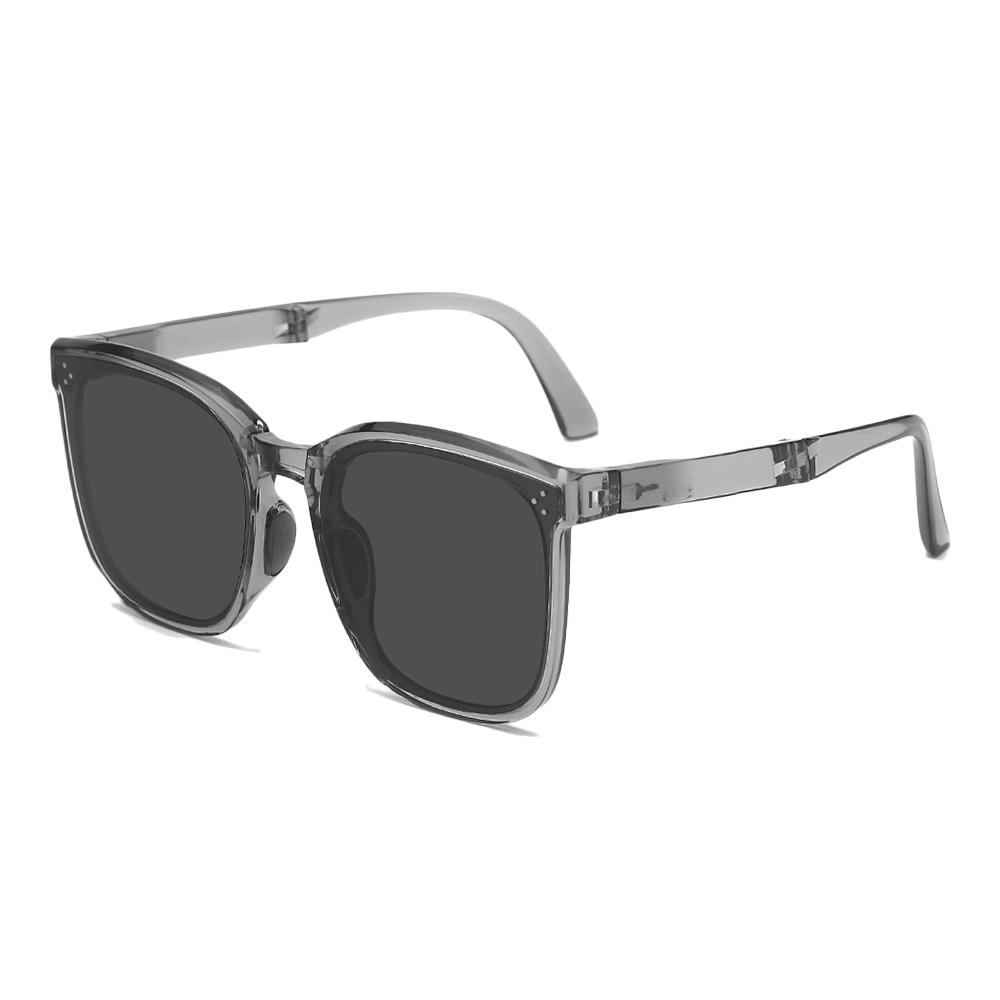
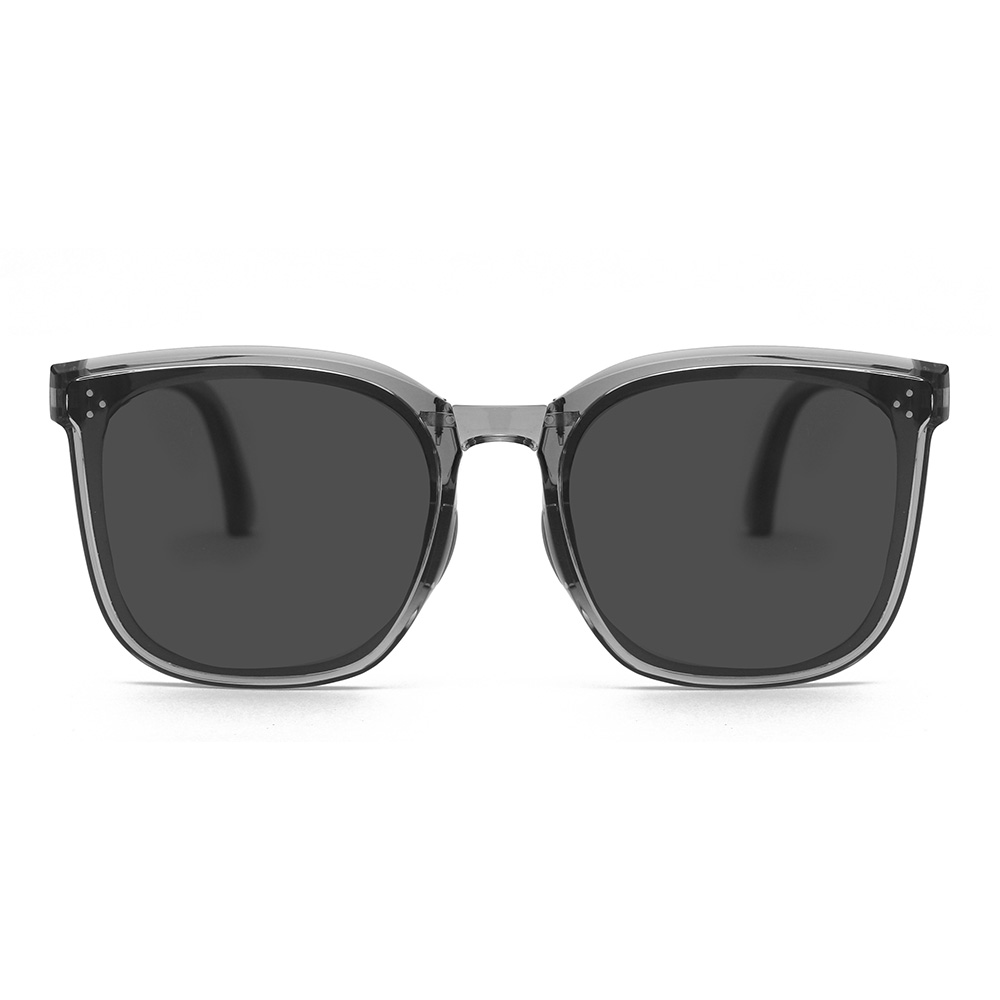
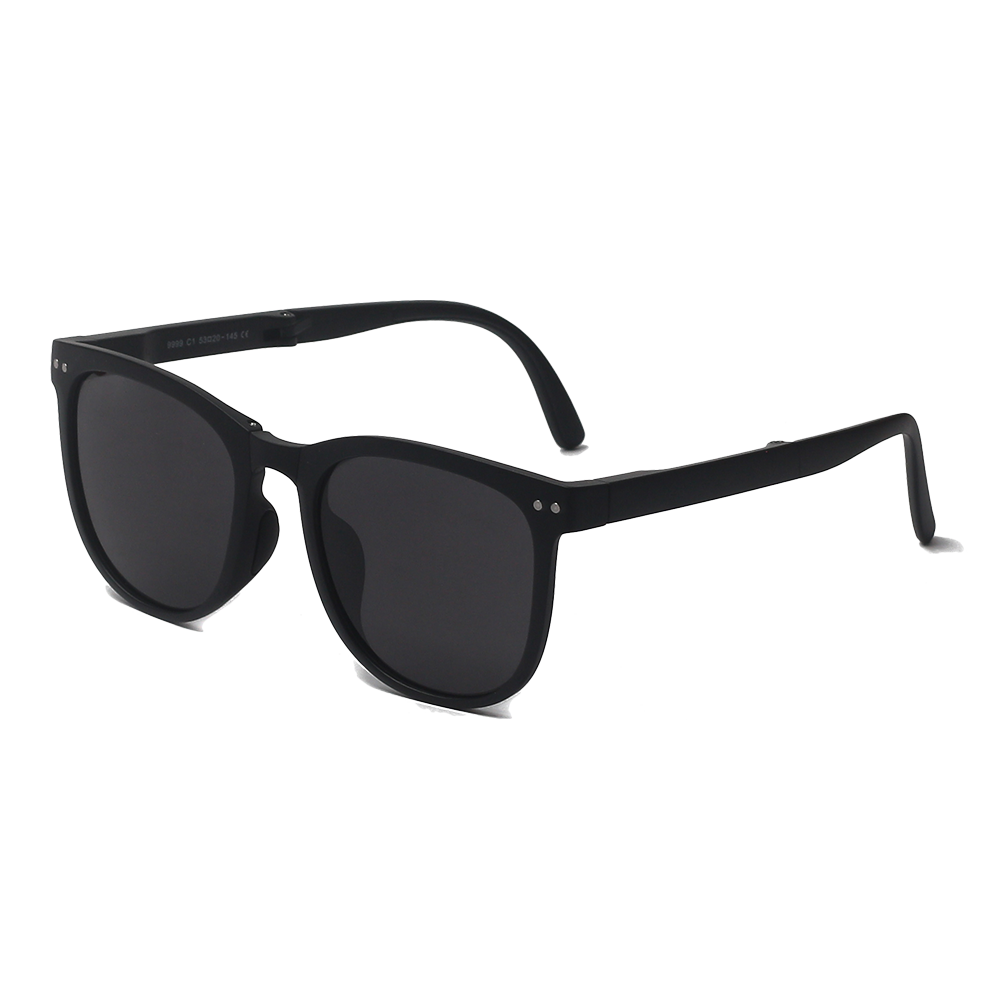
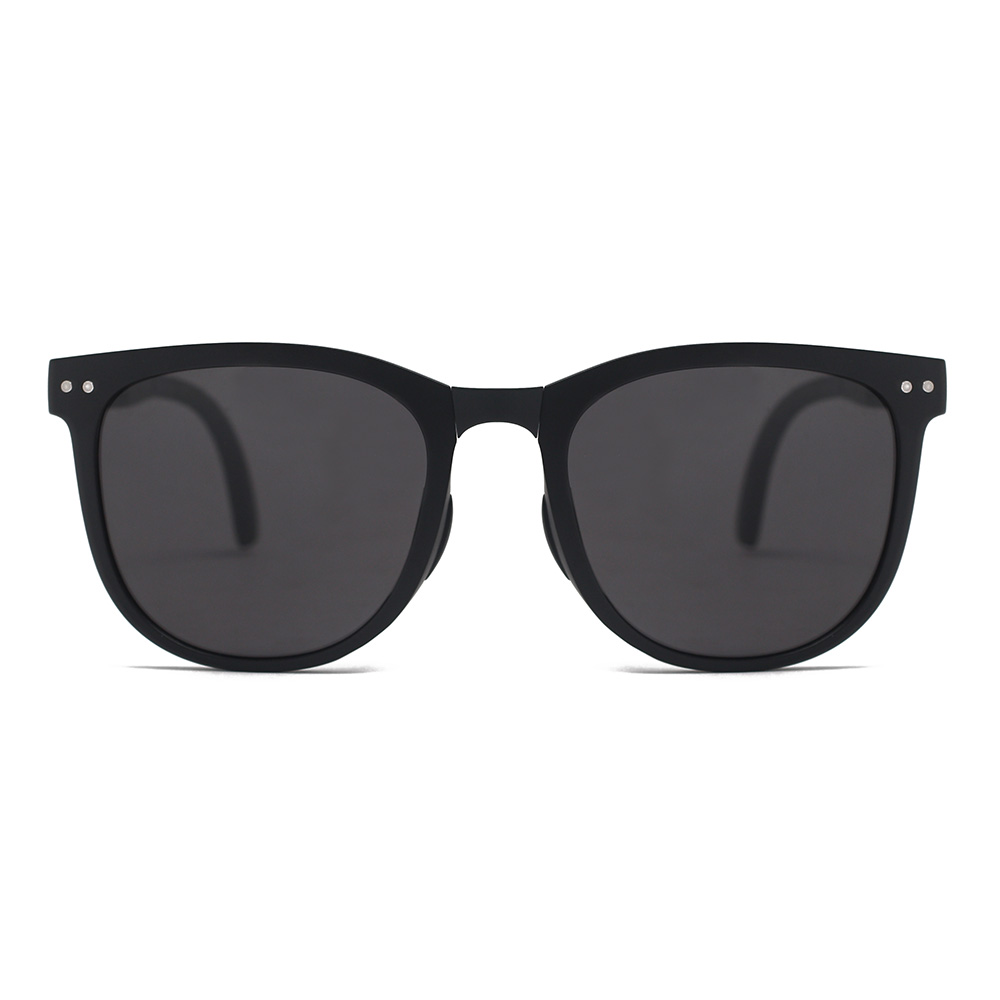
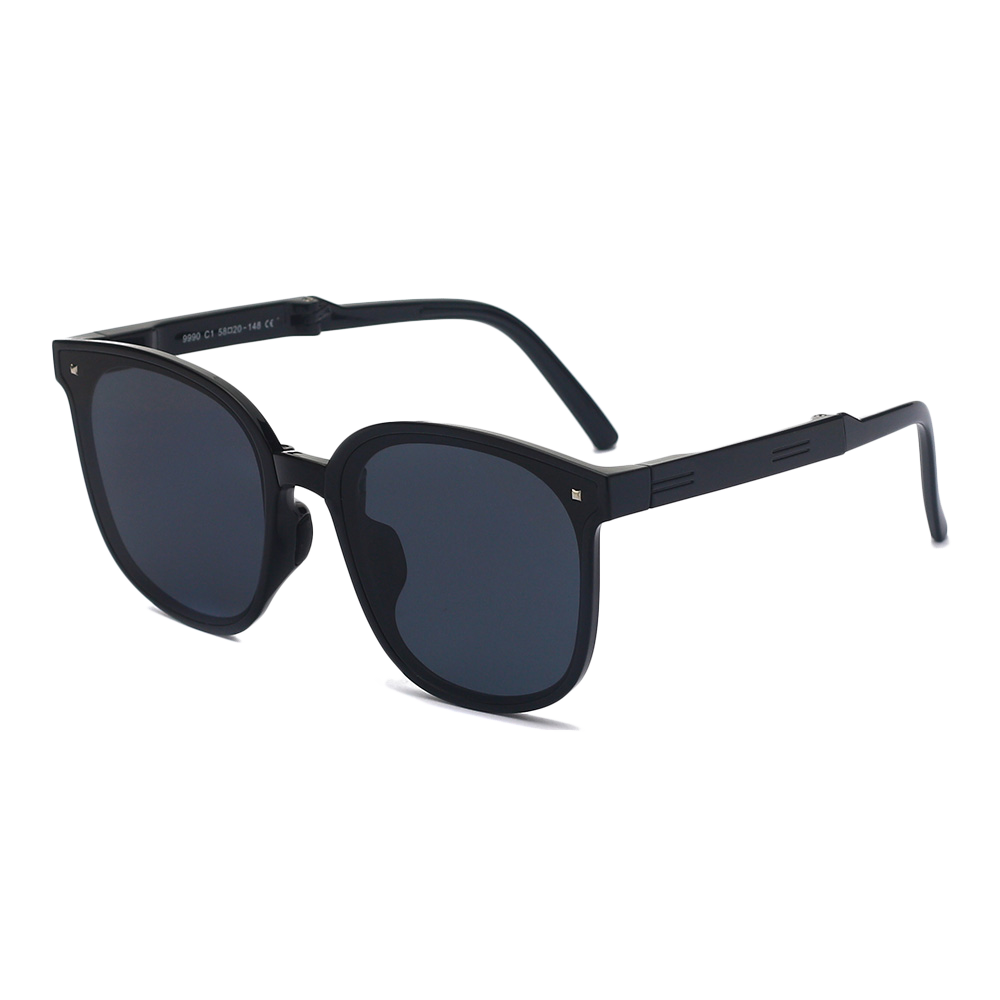
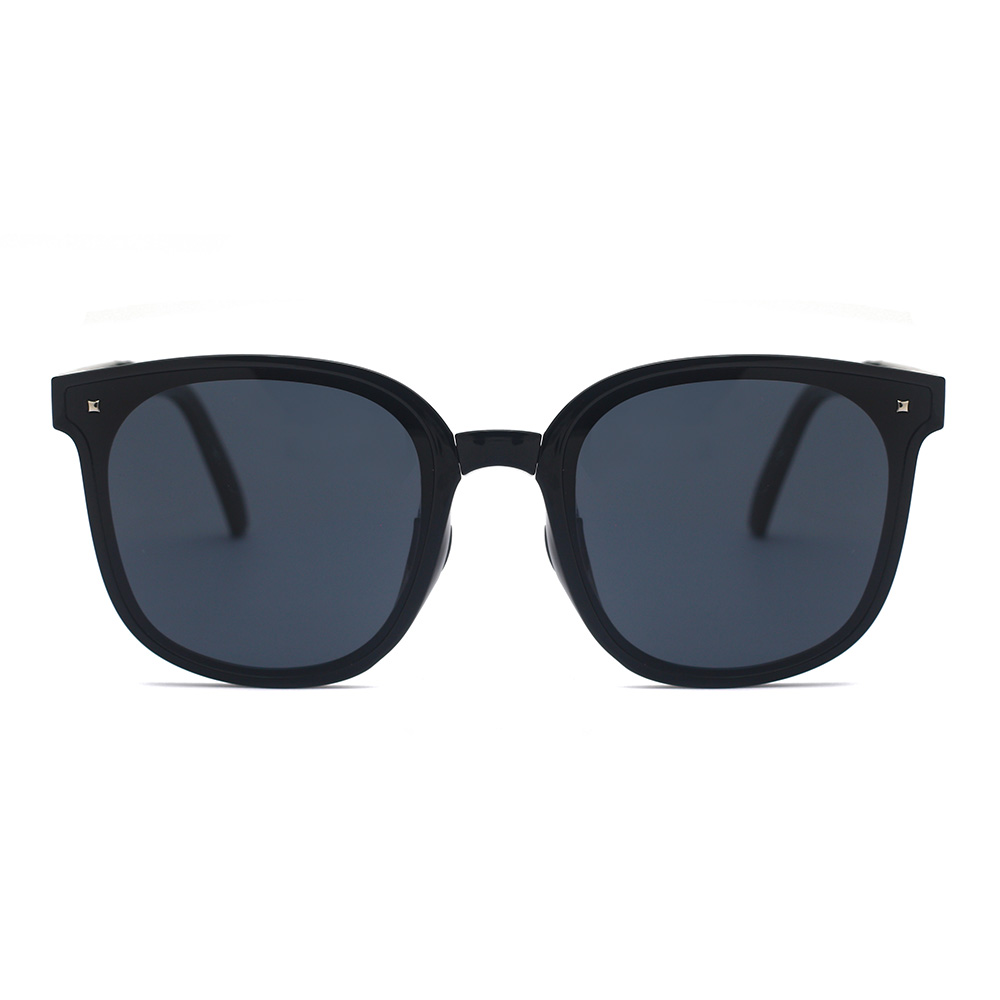
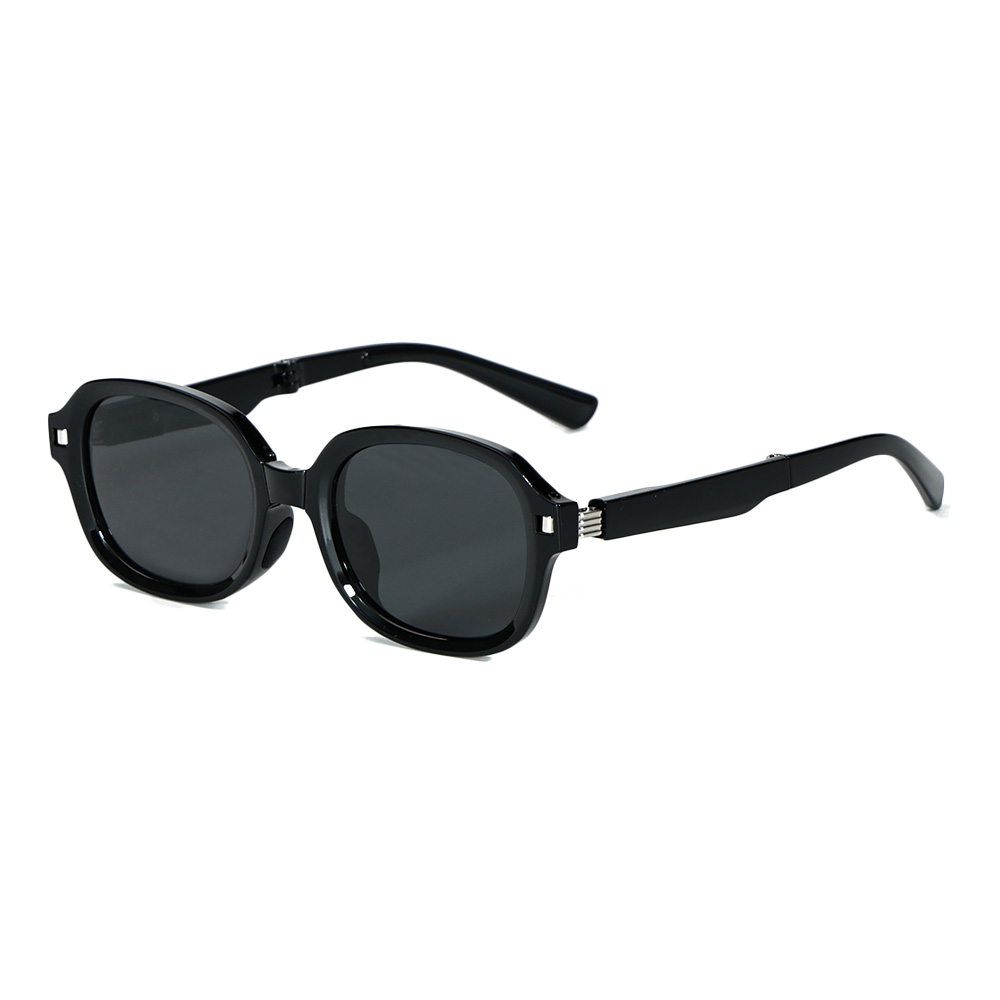
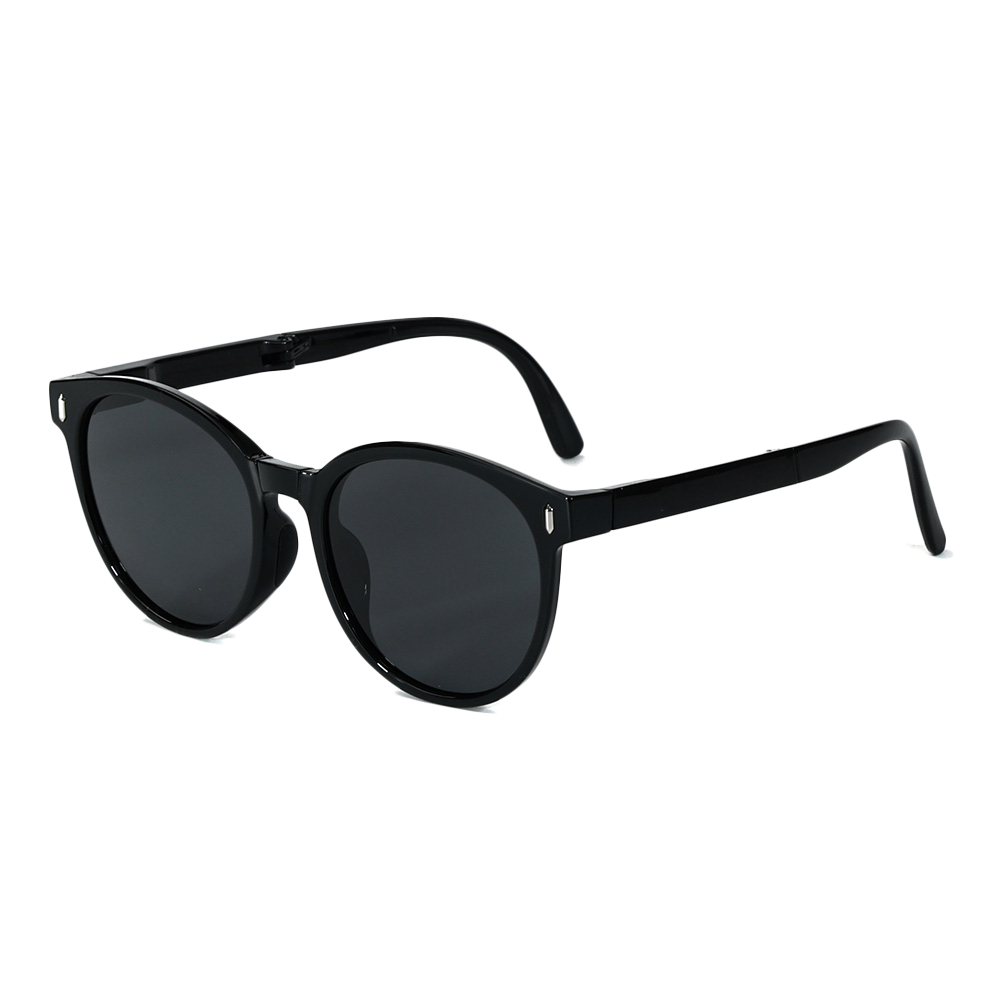
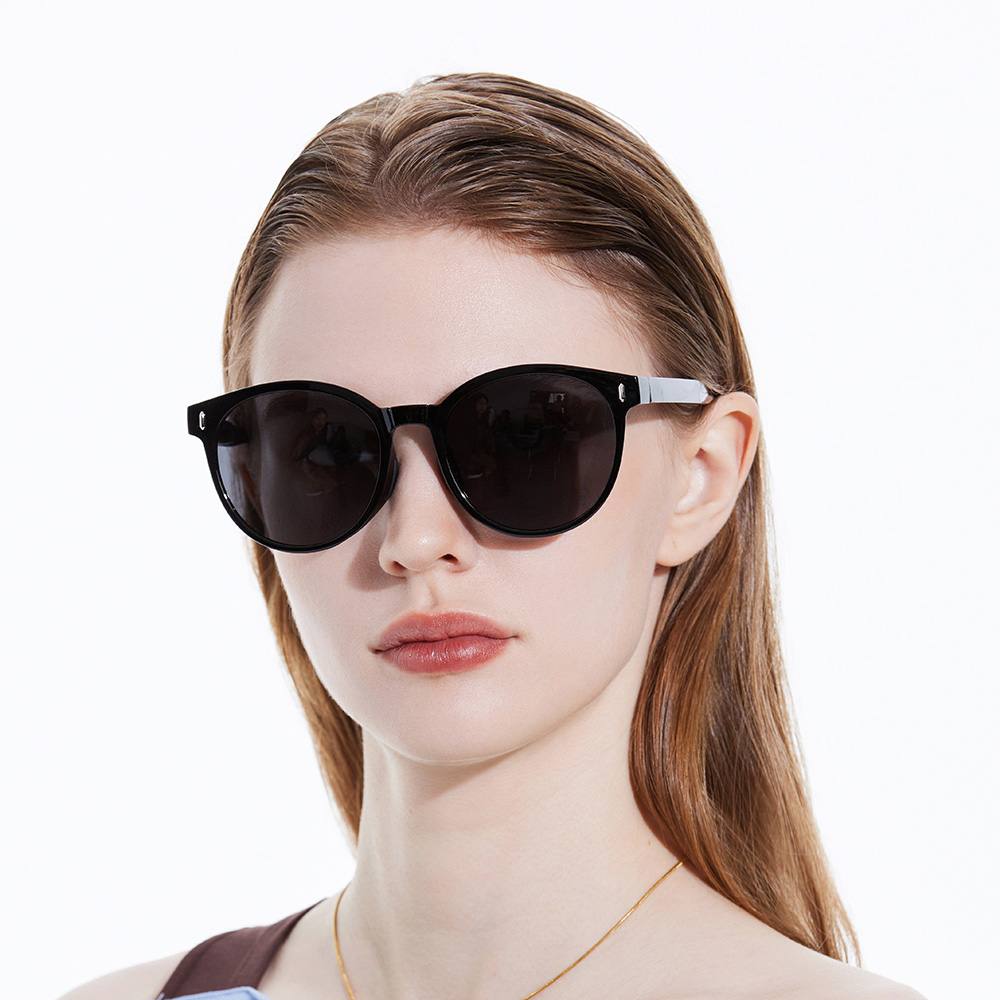
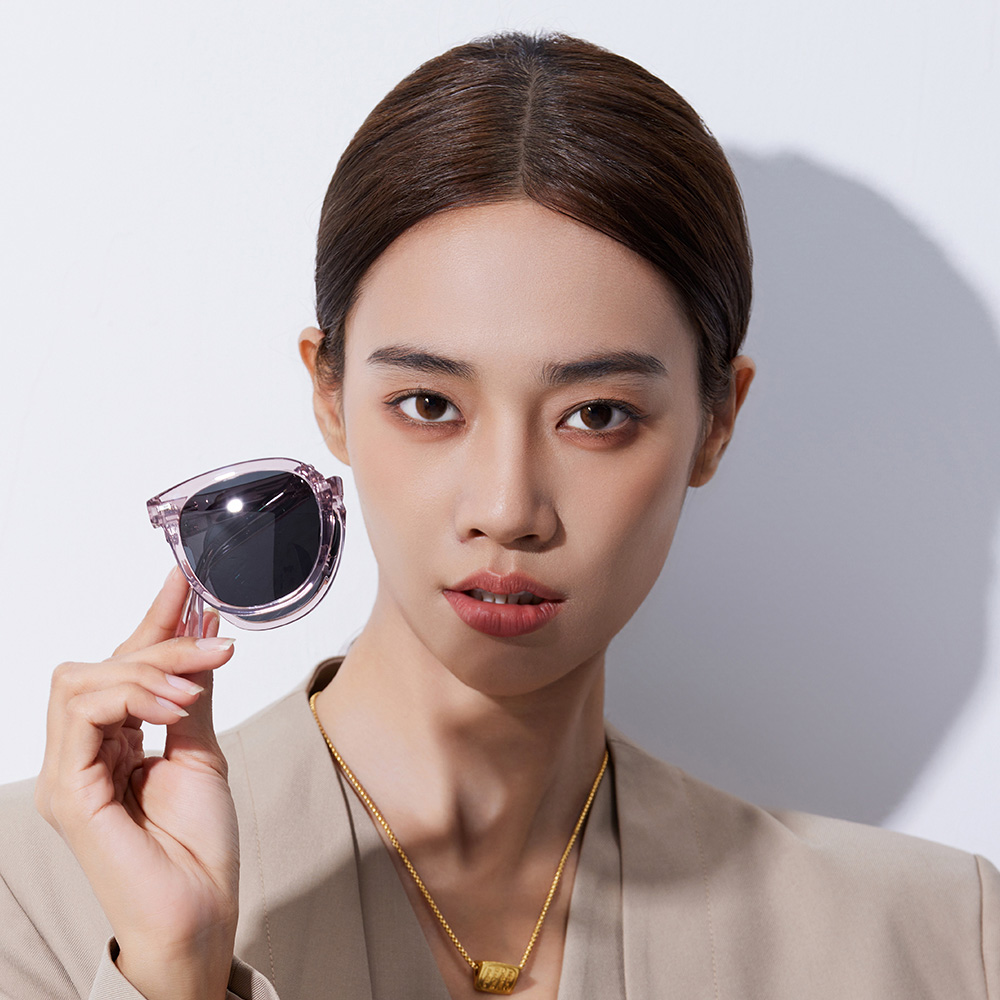
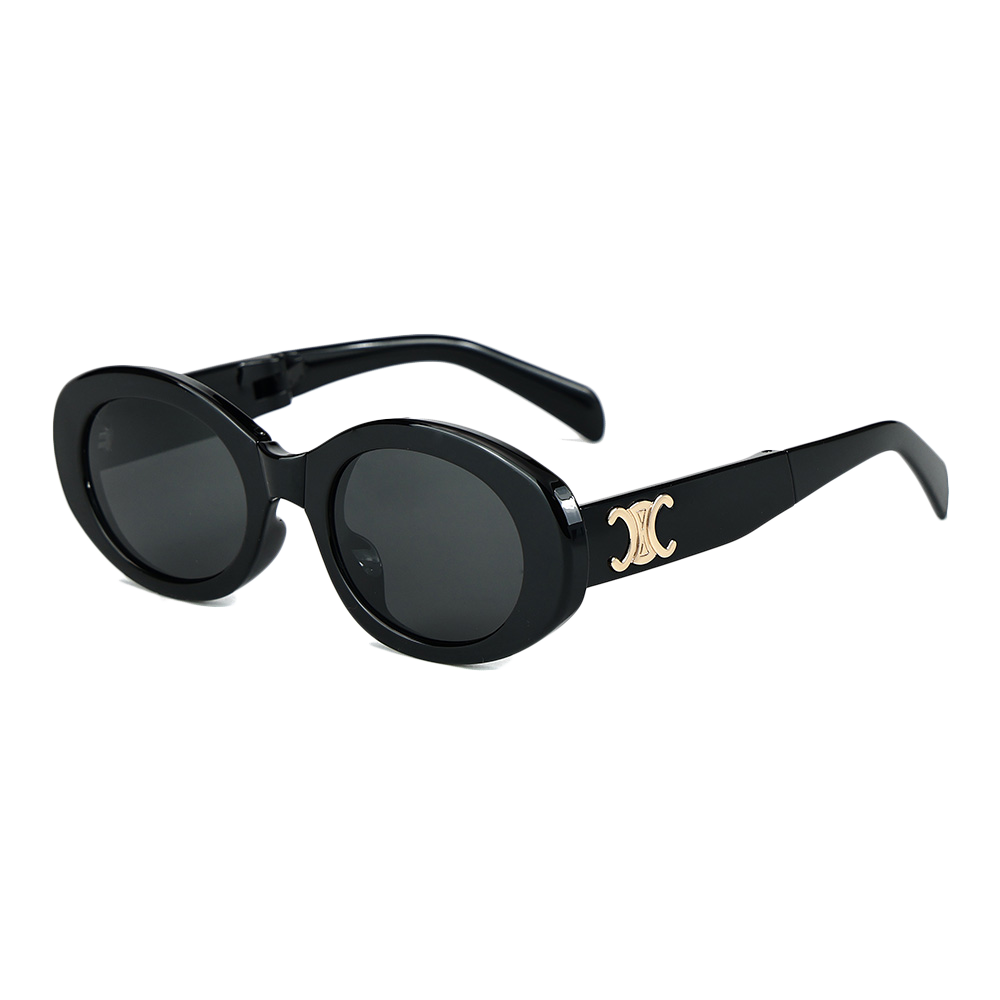
TR90 Folding Sunglasses combine a TR90 frame material with a foldable eyewear construction. TR90 is widely used in eyewear manufacturing because it supports lightweight, flexible, and design-friendly frame development. The folding structure allows the sunglasses to be reduced from their normal wearing shape into a smaller format for storage or transport.
Lens performance is a separate part of the product specification. Depending on the selected lenses, folding sunglasses may be manufactured with UV protection, specific tint levels, gradient colors, or other optical features.
The practical value of TR90 Folding Sunglasses is not created by the material or folding mechanism alone. It comes from the way several elements work together, including:
- Frame geometry
- Material thickness
- Folding position
- Lens dimensions
- Bridge construction
- Temple length and curvature
- Hinge arrangement
- Assembly accuracy
A properly developed folding frame should return to a balanced wearing position after being unfolded. At the same time, it should achieve a useful and manageable size when folded. If these two conditions are not considered together, the product may be compact in storage but unstable when worn—or comfortable to wear but inconvenient to fold.
For this reason, product terms such as Folding TR90 Sunglasses, TR90 Folding Eyewear, and Foldable TR90 Sunglasses are especially relevant to collections focused on portability, compact storage, lightweight construction, travel use, and flexible styling.
TR90 frames can be developed in many design directions, including:
- Square
- Round
- Oval
- Aviator
- Geometric
- Oversized
- Sports
- Outdoor
- Casual
- Fashion
- Minimalist
However, the final frame shape cannot be considered separately from the folding construction. Lens width, lens height, frame curvature, bridge position, temple movement, and folded dimensions all need to be confirmed according to the actual product design.
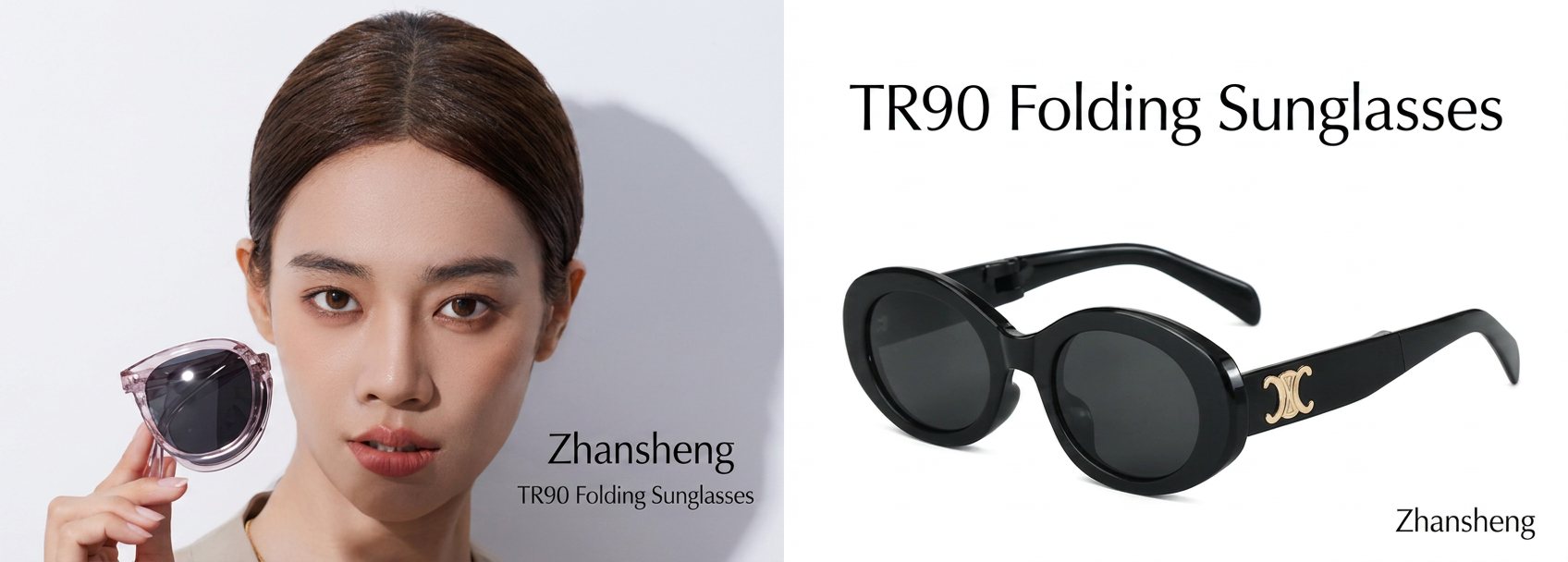
It is equally important to separate frame structure from lens performance. "Folding" describes how the frame moves and stores, while UV protection is determined by the lens specification. A folding structure does not automatically provide UV400 protection, and using TR90 does not guarantee any particular optical or lens function.
Why Is TR90 Suitable for Folding Sunglasses?
TR90 is widely considered for folding eyewear because its lightweight construction, flexibility, and design adaptability provide a practical foundation for compact frame development. These characteristics give designers greater freedom to create portable sunglasses while still maintaining the frame structure needed for regular wear.
A folding frame needs to perform in two distinct conditions:
- The unfolded state, when the sunglasses are worn.
- The folded state, when the sunglasses are carried or stored.
Both conditions should be considered from the beginning of product development. If too much attention is placed on reducing the storage size, the final frame may be affected in terms of fit or alignment. In contrast, focusing only on the wearing position can leave the folded sunglasses relatively large or inconvenient to carry.
Several factors deserve particular attention:
- Frame weight: Overall weight should be reviewed together with lens dimensions, frame width, bridge structure, temple construction, and nose-pad position.
- Frame flexibility: TR90 supports a range of frame geometries, while the flexibility of the finished sunglasses also depends on frame thickness, structural design, molding accuracy, and assembly.
- Frame curvature: The front curvature needs to correspond with the lens dimensions and the intended wearing position to maintain a suitable overall fit.
- Temple structure: Temple length, thickness, curvature, and connection points can influence both wearing comfort and the movement of the frame during folding.
- Folding position: The position of the folding joint affects the way the frame closes and the amount of space required when the sunglasses are stored.
- Lens size: Larger lenses can give a more distinctive appearance, but they may also increase overall weight and influence the balance and folded dimensions of the frame.
- Symmetry: Consistent left-right alignment helps maintain a balanced frame position and proper fit after final assembly.
For example, an Oversized TR90 Folding Frame can provide a strong visual presence and a distinctive fashion direction. However, the larger lens area may increase overall weight and make it more difficult to achieve a compact folded form. Sports and Outdoor designs involve different considerations, including temple grip, frame curvature, facial fit, coverage, and stability during movement.
Core Features of TR90 Folding Sunglasses
Folding Frame vs. Fixed Frame
A Folding Frame contains a structural arrangement that allows the sunglasses to change shape for storage. Depending on the folding position and overall design, the frame may occupy substantially less space than it does in its normal wearing form.
A fixed frame does not include this additional movement. It keeps its standard geometry during storage and is generally carried in a conventional eyewear case.
The main differences are outlined below:
| Feature |
Folding Frame |
Fixed Frame |
| Frame movement |
Moves into a designated folding position |
Retains a fixed structure |
| Storage |
May reduce occupied space, depending on design |
Usually keeps the full frame shape |
| Portability |
Developed for more compact carrying |
Suitable for conventional carrying |
| Development focus |
Folding joints, connection points, folded dimensions |
Frame geometry, fit, and wearing balance |
| Sample inspection |
Requires checks in folded and unfolded states |
Mainly checked in the normal wearing state |
| Durability |
Determined by construction and assembly |
Determined by construction and assembly |
The folding feature should therefore be treated as a structural function. It is not, by itself, proof that the sunglasses are stronger, more durable, or made from a higher-grade material.
Lightweight TR90 Frame and Portability
TR90 is commonly used for lightweight eyewear, but low frame weight does not automatically create a comfortable product. Comfort depends on how the weight is distributed across the frame and how the sunglasses sit on the wearer.
Important factors include:
- Lens dimensions
- Frame width
- Temple length
- Temple curvature
- Nose-pad position
- Bridge construction
- Left-right symmetry
- Lens installation
- Folding mechanism
For foldable sunglasses, storage size adds another design requirement. A frame may be light in weight but still take up considerable space if the lenses are large or the folding points are poorly positioned.
Sample assessment should therefore cover both configurations. In the unfolded position, the focus should be on fit, alignment, and stability. In the folded position, the focus should be on dimensions, component contact, storage practicality, and protection of the lenses.
Folding Structure and Hinge Stability
The folding mechanism and hinge connections are central to the performance of TR90 Folding Eyewear. These components determine how smoothly the frame changes between its wearing and storage positions.
During development and inspection, manufacturers should check:
- Opening and closing movement
- Hinge resistance
- Connection stability
- Temple alignment
- Left-right symmetry
- Folding direction
- Screw or connector condition
- Frame geometry after unfolding
A folding structure is more than an ordinary frame with an extra hinge added to it. The location of the joint, its direction of movement, the available clearance, and its relationship with the temples all influence how the finished sunglasses operate.
If hinge resistance differs between the two sides, the temples may not fold evenly. If the joint position is inaccurate, the frame may appear aligned when folded but become distorted after opening. These details need to be addressed through tooling, component control, and assembly inspection.
TR90 Frame Surface Finish
TR90 frames can be produced in a wide variety of colors and finishes, allowing one frame structure to support several market styles.
Common options include:
- Matte finishes
- Glossy finishes
- Transparent colors
- Gradient effects
- Solid colors
- Textured surfaces
Consistency is particularly important across visible areas of the frame. Uneven color, polishing marks, or irregular edge treatment can change the appearance of the final product, even when the frame dimensions are technically correct.
On a folding model, the areas around joints and moving parts also require attention. These sections should match the rest of the frame while leaving enough clearance for normal movement. Surface treatment should not interfere with hinge operation or cause unnecessary friction between connected components.
Compact Folding Design
Compact storage is one of the main reasons buyers choose folding sunglasses. The actual folded size, however, is determined by the complete frame construction rather than by the presence of a folding hinge alone.
Key variables include:
- Lens width
- Lens height
- Overall frame width
- Temple length
- Folding position
- Bridge construction
- Hinge location
- Front curvature
A well-coordinated structure can make the product easier to carry during commuting, travel, business trips, and daily outdoor use. It may also support a smaller packaging format than a conventional fixed-frame model.
Packaging should be developed after the folded dimensions have been confirmed. The case or pouch needs to protect the lenses and moving parts without creating unnecessary empty space. For OEM and ODM projects, packaging dimensions can therefore become part of the initial product specification.
Different Frame Shapes
TR90 folding structures can be adapted to different silhouettes, provided the frame proportions and moving components are properly coordinated.
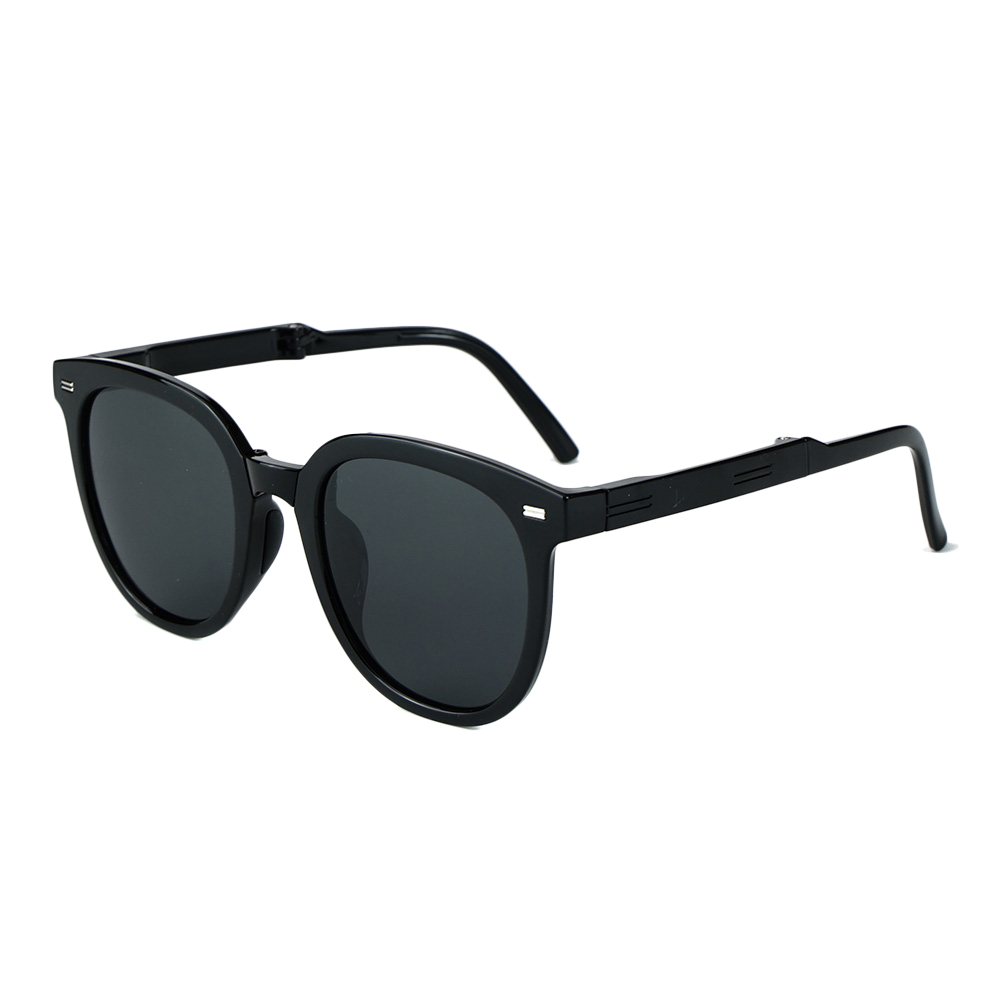
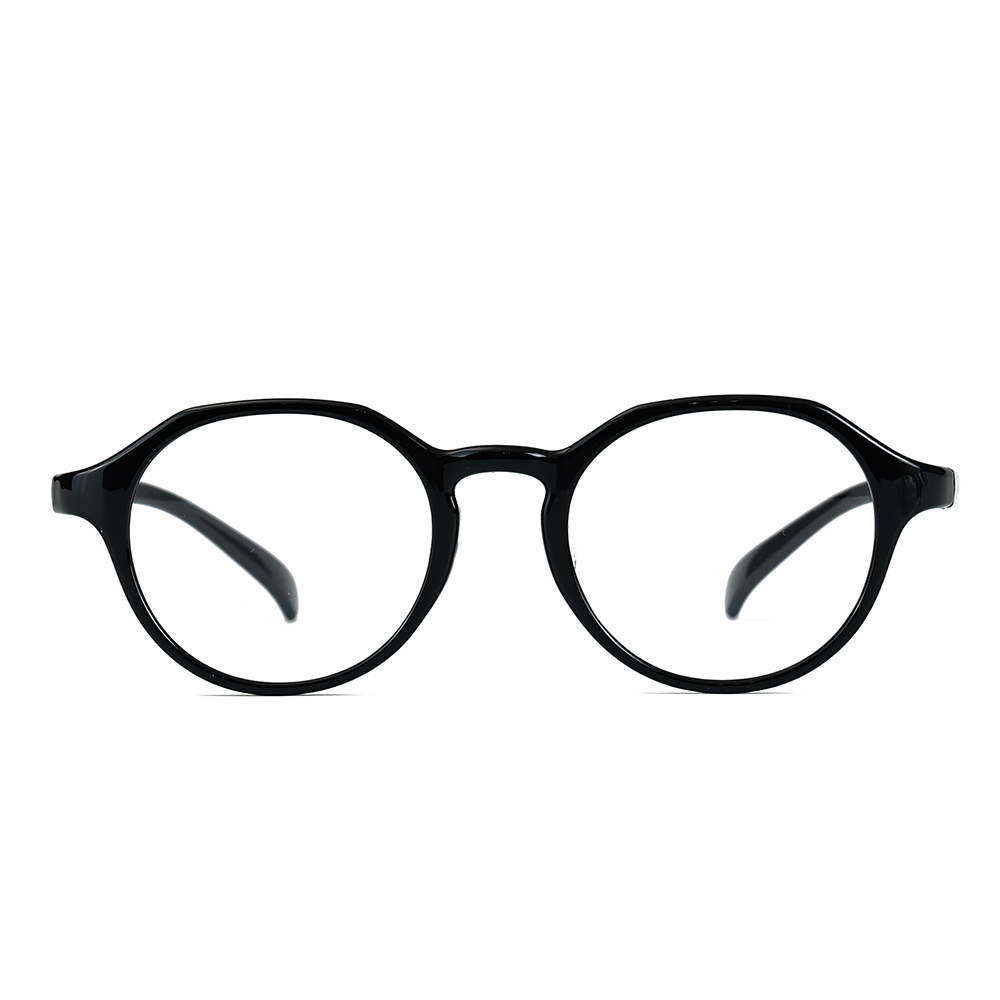
- Square TR90 Folding Sunglasses — Defined lines and balanced proportions suitable for modern, urban, minimalist, and everyday collections.
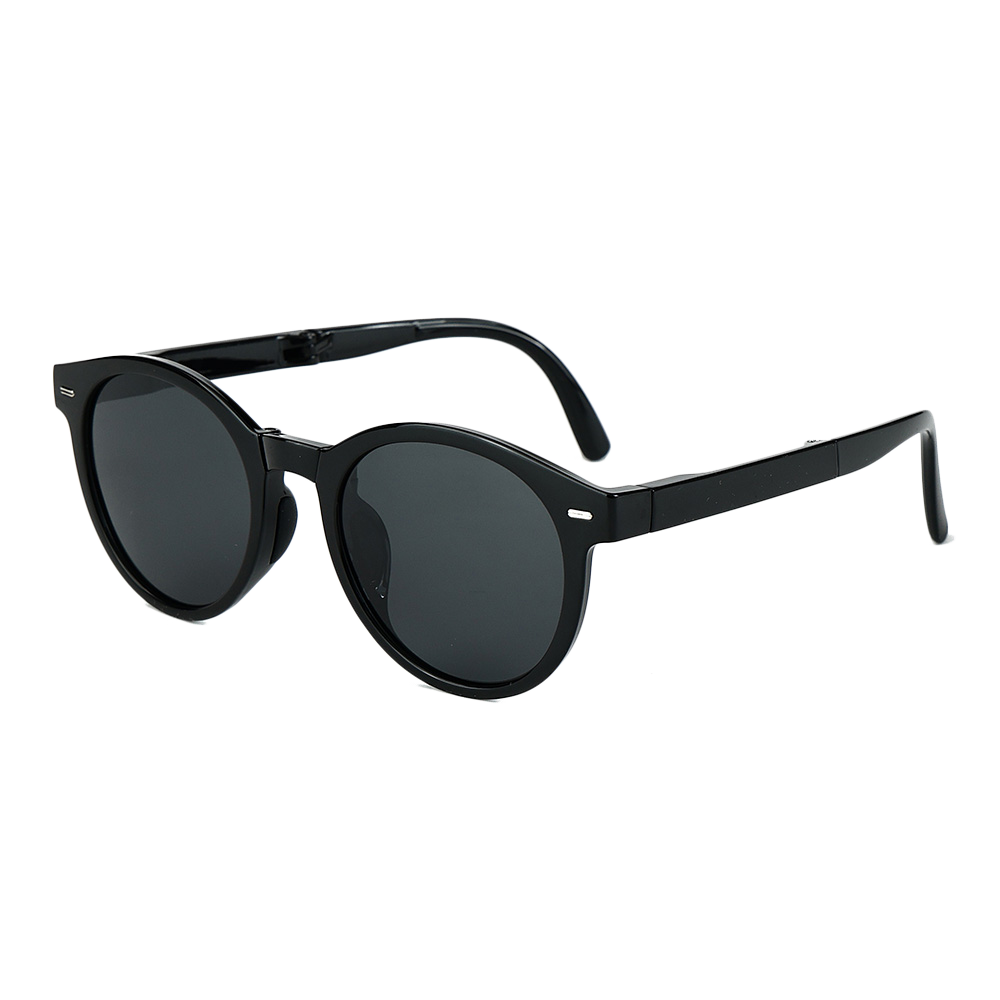
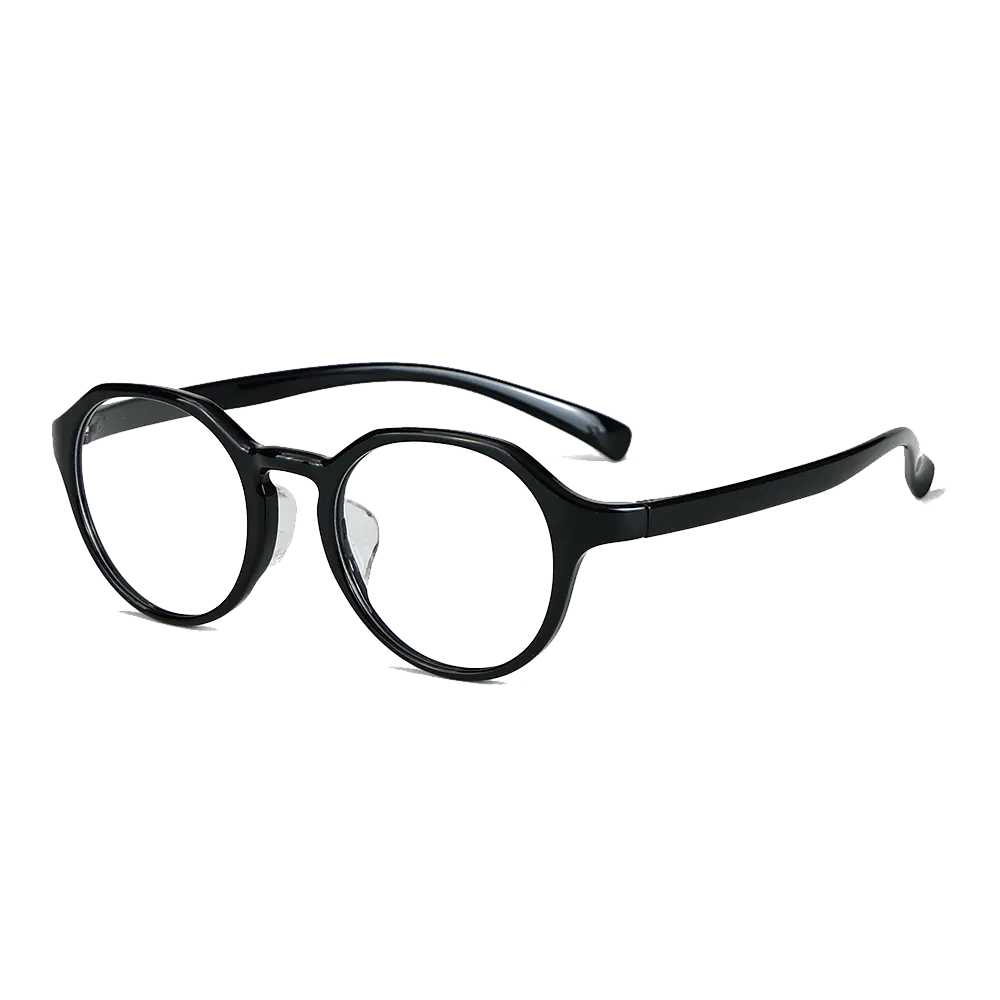
- Round TR90 Folding Sunglasses — Softer contours that work well with vintage, casual, and lifestyle-oriented designs.
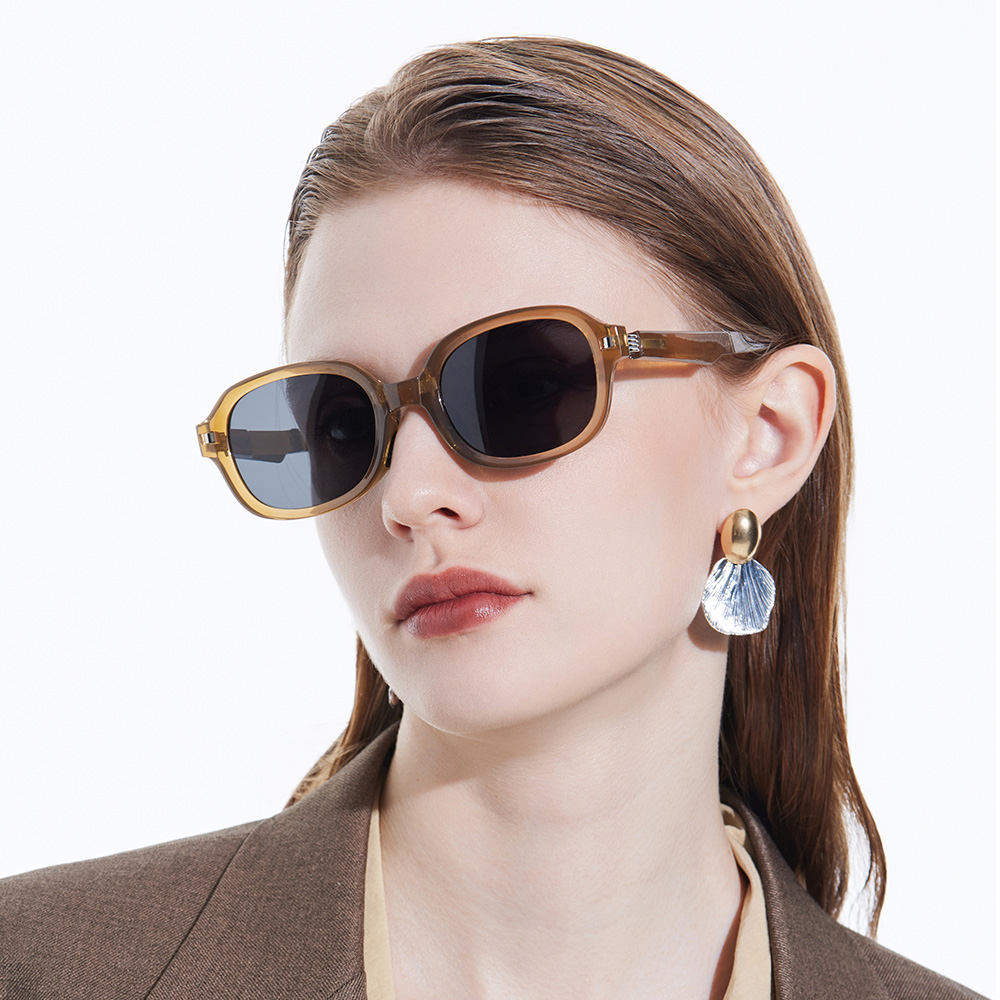
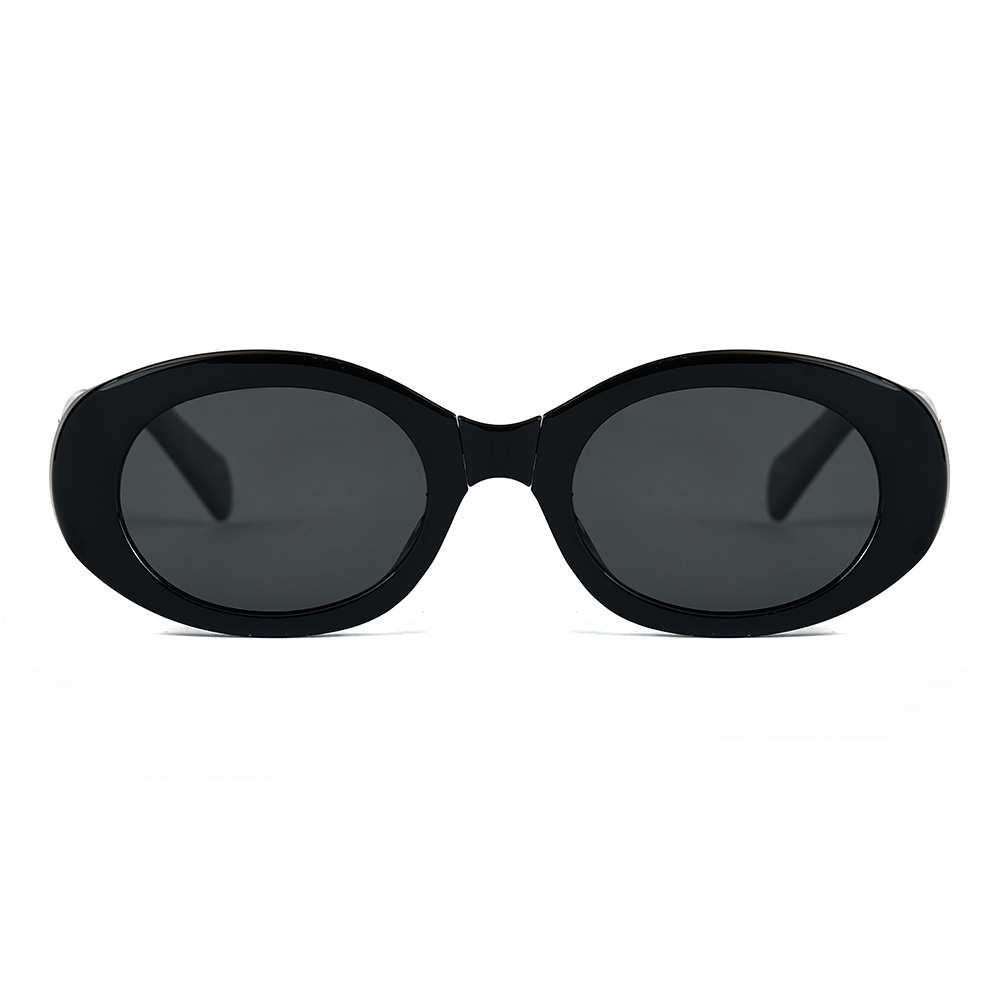
- Oval TR90 Folding Sunglasses — A smooth silhouette suited to daily wear and fashion-focused product ranges.
- Aviator TR90 Folding Sunglasses — A familiar shape that can be updated through bridge design, lens color, and modified frame proportions.
- Geometric TR90 Folding Sunglasses — More expressive contours for distinctive or trend-led collections.
- Oversized TR90 Folding Sunglasses — Larger visual proportions that require careful control of lens size, frame weight, and folded dimensions.
- Sports TR90 Folding Sunglasses — Developed with greater attention to fit, temple stability, weight distribution, and movement.
- Outdoor TR90 Folding Sunglasses — Designed around portability, frame stability, wearing comfort, and the required lens specification.
Main Lens Directions for TR90 Folding Sunglasses
The folding function belongs to the frame, not the lenses. Lens color, tint, UV performance, and optical requirements should therefore be specified independently.
| Lens Type |
Main Characteristics |
Folding Structure? |
Product Development Direction |
| Gray Lens |
Neutral appearance with limited color change |
No; folding is part of the frame |
Daily wear, driving, outdoor use |
| Brown Lens |
Warmer visual tone |
No; folding is part of the frame |
Vintage, fashion, outdoor use |
| Green Lens |
Traditional sunglass appearance |
No; folding is part of the frame |
Classic, casual, outdoor |
| Black Lens |
Deep and visually strong appearance |
No; folding is part of the frame |
Urban, fashion, classic |
| Gradient Lens |
Tint changes gradually across the lens |
No; folding is part of the frame |
Fashion, city, daily wear |
| Colored Lens |
More expressive color presentation |
No; folding is part of the frame |
Youth, fashion, distinctive styling |
| UV-Protected Lens |
UV protection based on the specified lens configuration |
No; folding is part of the frame |
Daily wear, travel, outdoor use |
Lens selection should be reviewed together with lens dimensions, tint level, lens material, frame curvature, rim structure, folding layout, and intended use.
Where UV protection is required, the applicable lens standard and test requirement should be clearly included in the product specification. Buyers should not assume that all TR90 Folding Sunglasses automatically use UV400 lenses.
TR90 Folding Sunglasses Frame Structure and Manufacturing Points
From a factory perspective, folding eyewear requires close coordination between molded parts, lenses, hinges, finishing, and final assembly.
Frame Front
The frame front establishes the basic geometry of the sunglasses. Overall width, lens shape, bridge location, front curvature, and left-right symmetry should all correspond to the specified lens dimensions.
For a folding model, the front must also remain stable after repeated opening and closing. Any dimensional variation may affect lens fit, temple alignment, or the position of the folding joints.
Bridge Structure
The bridge connects the two lens areas and helps determine how the frame rests on the face. Bridge width, height, thickness, and curvature should be assessed together with the nose-pad design.
The bridge can also influence how the frame folds. In some constructions, its dimensions limit the available clearance between lenses or temples in the folded state.
Temple Structure
Temple length, thickness, curvature, decorative details, and connection points influence wearing balance and folding movement.
The temples should close without placing unnecessary pressure on the lenses or frame front. When unfolded, they should return to a consistent position and maintain appropriate left-right alignment.
Folding Structure
The location and configuration of the folding joints directly affect storage dimensions. They also influence whether the unfolded frame can maintain its intended geometry.
The construction needs to be evaluated in both conditions. A compact folded shape is only useful when the sunglasses can also open into a stable and wearable position.
Hinge Structure
Hinge movement should feel consistent and appropriately controlled. During assembly, the factory should check connection stability, temple alignment, opening resistance, closing behavior, and screw condition.
Excessively loose hinges can make the frame unstable. Hinges that are too tight may make the product difficult to operate or place additional stress on nearby components.
Nose Pads
Nose-pad size, angle, spacing, and position influence frame height and wearing balance. These details become especially important when the design combines a compact folding structure with large or heavy lenses.
The intended market and fit requirements should also be considered, since bridge and nose-pad dimensions affect how the frame sits on different facial profiles.
Lens Installation
Lens installation should be inspected for:
- Lens-to-rim fit
- Left-right consistency
- Correct lens orientation
- Frame symmetry
- Overall assembly condition
The lenses should fit securely without creating visible distortion in the frame. On folding sunglasses, lens installation should also be checked after the frame has been opened and closed to confirm that the moving structure does not affect the lens position.
Surface Treatment
Polishing, coating, texture, printing, and other finishing processes affect both appearance and touch. Consistent finishing helps the product retain its intended color and surface quality across the frame front, temples, and connection areas.
Moving sections need particular care. Excess coating or uneven finishing around the joints may interfere with folding movement or create visible wear.
Folded-State Inspection
A TR90 folding sunglasses sample should be examined in both operating conditions:
- Unfolded wearing state
- Folded storage state
- Temple opening and closing
- Frame symmetry
- Lens installation
- Overall folded dimensions
- Wearing balance after unfolding
TR90 can support lightweight and flexible designs, but the finished result still depends on tooling precision, dimensional control, frame geometry, hinge assembly, folding construction, lens installation, and the approved product specification.
How Do Different Frame Materials Compare?
The comparison below is intended as a general eyewear-industry reference. It does not indicate that every listed material is currently used by Zhansheng
| Frame Material |
Main Characteristics |
Common Designs |
Suitable Direction |
| TR90 |
Lightweight, flexible, and suitable for molded designs |
Square, Round, Sports, Folding |
Daily, outdoor, portable |
| Metal |
Fine structure with clear, slim lines |
Aviator, Round, Geometric |
Fashion, classic |
| PC |
Lightweight and suitable for molded construction |
Oversized, Fashion |
Fashion, lightweight |
| Nylon |
Low weight with a degree of flexibility |
Outdoor, functional |
Outdoor, functional |
| Acetate |
Rich color and surface presentation |
Fashion, premium styles |
Design-focused collections |
| Titanium / Half Titanium |
Lightweight metal construction |
Thin Frame, Minimal |
Lightweight metal eyewear |
| Composite Structure |
Combines different material characteristics |
Mixed Material |
Distinctive product development |
Material selection should be based on the entire product configuration. A material name alone does not determine comfort, durability, flexibility, or quality.
For folding sunglasses, the frame material must be evaluated together with lens dimensions, front geometry, temples, hinges, folding connections, nose pads, surface finishing, and final assembly.
Where Are TR90 Folding Sunglasses Suitable for Use?
| Application |
Suggested Product Direction |
Main Considerations |
| Daily Commuting |
TR90 Folding Sunglasses |
Low weight, portability, lens color |
| Driving |
TR90 Folding Sunglasses |
Lens specification, field of view, wearing stability |
| Travel |
Lightweight Folding TR90 Frame |
Folded size, weight, carrying convenience |
| Outdoor |
TR90 Folding Sunglasses |
Frame stability, lens specification, UV requirement |
| Beach / Water |
Folding TR90 Sunglasses |
Reflective conditions, lens specification, storage |
| Sports |
Sports TR90 Folding Sunglasses |
Fit, flexibility, temple stability |
| Casual Wear |
Round / Oval / Square TR90 |
Appearance, frame color, styling |
| Fashion Use |
Geometric / Colored Lens |
Shape, color, visual impact |
| Business Travel |
Compact Folding TR90 Sunglasses |
Storage dimensions, appearance, portability |
Folding sunglasses are well suited to product ranges where users frequently store and retrieve their eyewear. This includes travel, commuting, business trips, and everyday portable use.
The folding function mainly improves storage convenience. It does not replace UV requirements, lens testing, or any other specified optical performance.
TR90 Folding Sunglasses vs. TR90 Non-Folding Sunglasses
| Comparison |
TR90 Folding Sunglasses |
TR90 Non-Folding Sunglasses |
| Frame material |
TR90 |
TR90 |
| Frame structure |
Foldable construction |
Fixed construction |
| Storage |
Changes shape for storage |
Keeps its standard frame form |
| Storage space |
May occupy less space, depending on design |
Usually retains full frame dimensions |
| Portability |
Suitable for compact carrying |
Suitable for conventional carrying |
| Lens colors |
Gray, Brown, Green, Gradient, Colored, etc. |
Gray, Brown, Green, Gradient, Colored, etc. |
| UV protection |
Based on the selected lens specification |
Based on the selected lens specification |
| Lightweight potential |
Supported by TR90 frame development |
Supported by TR90 frame development |
| Development focus |
Folding joints, storage dimensions, frame stability |
Frame geometry, lens fit, wearing balance |
| Inspection focus |
Folded state, unfolded state, hinges, lens fit |
Dimensions, lenses, hinges, symmetry |
Folding and Non-Folding describe two different frame structures. A folding model is not automatically lighter, stronger, or more durable than a fixed-frame model. In the same way, a frame made from TR90 is not necessarily foldable.
How to Select TR90 Folding Sunglasses?
For OEM, ODM, or private-label development, a clear specification helps keep frame, lens, folding, finishing, and packaging requirements aligned.
| Selection Point |
Importance |
What to Confirm |
| Folding Structure |
High |
Joint position, structural layout, unfolded geometry |
| Frame Material |
High |
TR90 specification |
| Frame Weight |
High |
Total weight and weight distribution |
| Frame Shape |
High |
Square, Round, Oval, Aviator, etc. |
| Lens Size |
High |
Proportion between the lenses and frame |
| Lens Material |
High |
Confirm according to project requirements |
| Lens Color |
High |
Gray, Brown, Green, Gradient, Colored, etc. |
| Lens Tint |
High |
Tint depth and visual appearance |
| UV Protection |
High |
Applicable UV standard or specification |
| Hinge |
High |
Movement, resistance, and stability |
| Folding Size |
High |
Overall dimensions after folding |
| Nose Pads |
Medium-High |
Position, angle, and fit |
| Temple Structure |
High |
Length, curvature, thickness, and fit |
| Surface Finish |
Medium-High |
Color, gloss level, texture, and consistency |
| Lens Installation |
High |
Rim fit, orientation, and stability |
| Frame Symmetry |
High |
Left-right dimensional consistency |
| Packaging |
Medium |
Storage and transport protection |
| Customization |
Product-dependent |
Frame, lens, color, LOGO, and packaging |
This information should be confirmed before tooling changes or sample production whenever possible. A detailed specification reduces interpretation differences and gives both the buyer and factory a clearer basis for sample approval.
Why Choose Zhansheng for TR90 Folding Sunglasses?
Zhejiang Zhansheng Glasses Co., Ltd. has built its eyewear manufacturing capabilities around TR90 sunglasses, metal sunglasses, sheet-frame sunglasses, and optical eyewear.
The company also states that it maintains an R&D team for original product development and offers customized eyewear manufacturing services.
For TR90 Folding Sunglasses, factory experience involves more than molding the TR90 frame. The complete manufacturing process requires coordination between:
- Frame dimensions
- Front curvature
- Folding connections
- Hinge assembly
- Temple alignment
- Lens installation
- Surface finishing
- Color consistency
- Wearing balance
- Folded dimensions
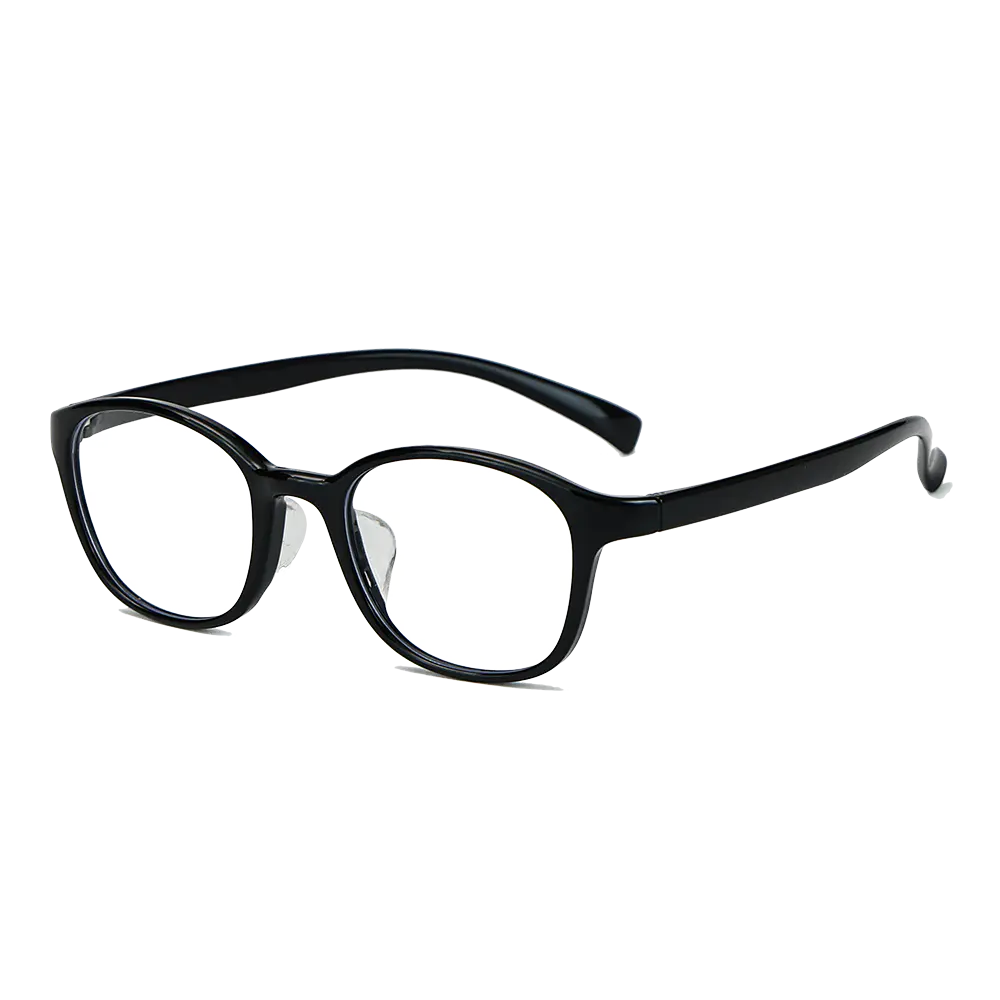
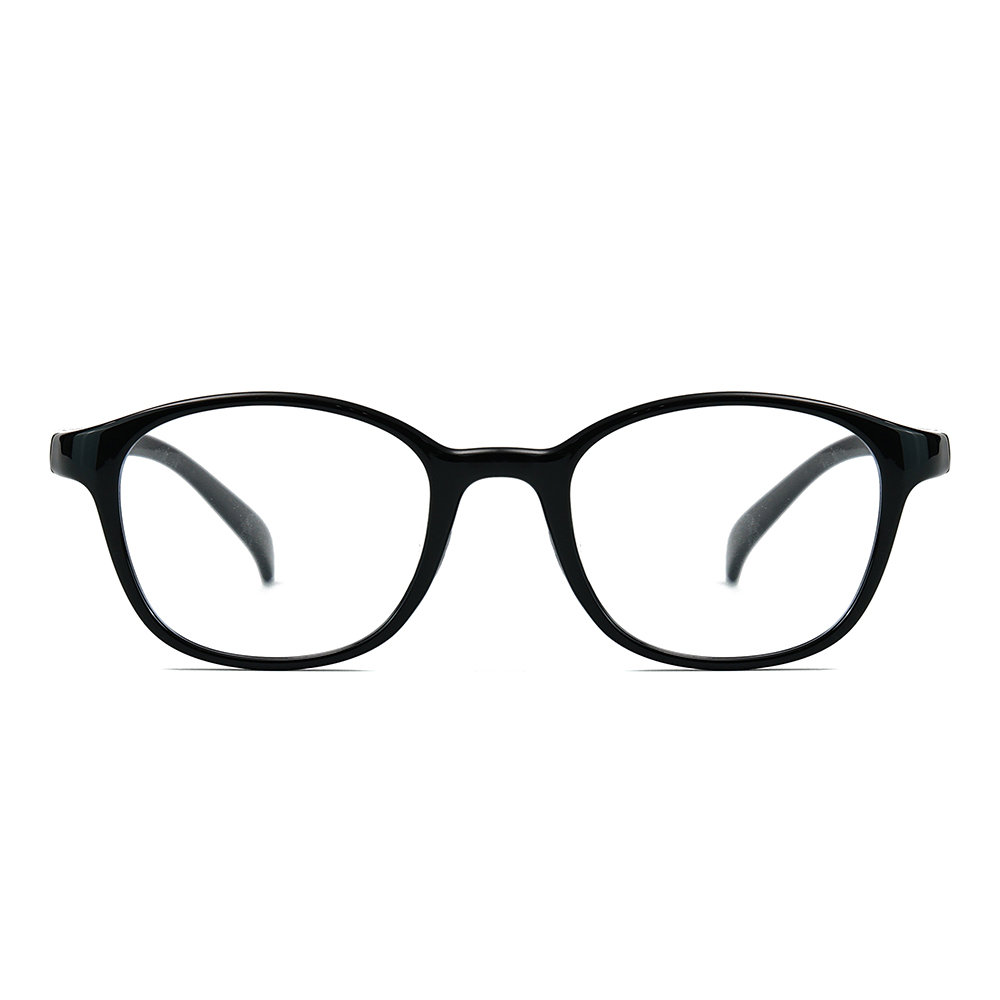
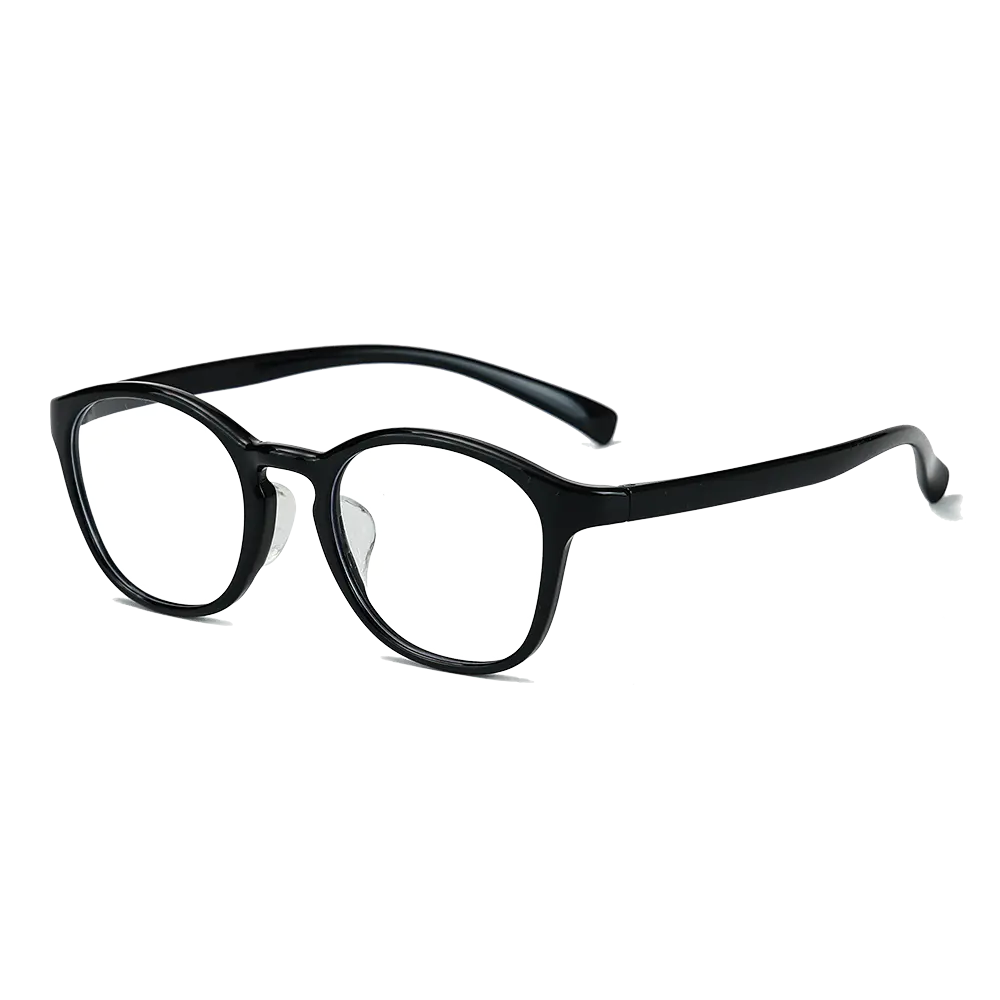
The TR90 Folding Sunglasses product page presents multiple folding designs, including square, round, oval, and other frame directions. These models illustrate how a folding construction can be adapted to different styling requirements.
FAQ About TR90 Folding Sunglasses
1. What are the advantages of TR90 Folding Sunglasses?
TR90 Folding Sunglasses combine a lightweight frame concept with a structure designed for more compact storage. Their main advantage comes from the coordination of frame weight, material flexibility, folding movement, lens dimensions, and wearing balance.
The folded size and the unfolded geometry should be evaluated together. A model should not be selected only because it can fold. It also needs to open into a stable, symmetrical, and wearable position.
2. What is the difference between TR90 Folding and Non-Folding Sunglasses?
The main difference is the frame construction. TR90 Folding Sunglasses include joints that allow the frame to move into a smaller storage configuration. TR90 Non-Folding Sunglasses maintain a fixed shape.
Both types can use TR90 material and can be developed with different lens colors, frame shapes, and surface finishes. For a folding model, buyers should pay additional attention to joint movement, folded dimensions, hinge condition, lens fit, and alignment after unfolding.
3. Why is TR90 suitable for folding sunglasses?
TR90 is commonly selected because it can support lightweight, flexible, and molded frame designs. These characteristics are useful when developing eyewear that must balance portability with normal wearing stability.
However, the final performance depends on more than the raw material. Tooling accuracy, frame thickness, geometry, hinge placement, connection design, lens dimensions, and assembly control all influence the finished product. The approved sample should therefore be evaluated before mass production.
4. Are TR90 Folding Sunglasses suitable for travel?
Yes. Folding sunglasses can be practical for travel because they may require less storage space than conventional frames.
For a travel-oriented model, important points include:
- Folded dimensions
- Total weight
- Hinge arrangement
- Lens size
- Storage protection
- Case or pouch design
- Stability after unfolding
A compact folded shape is valuable only when it remains easy to carry and returns to a suitable wearing position.
5. Are folding sunglasses suitable for daily commuting?
They can be a suitable option when portability and convenient storage are important. Commuters may need to store their sunglasses several times during the day, making a compact frame useful for bags, pockets, or small cases.
A commuting-focused design should balance weight, frame stability, temple curvature, nose-pad position, lens color, folded size, and packaging. The folding mechanism improves portability but does not determine lens performance.
6. What TR90 frame shapes can be developed with folding structures?
Depending on the design, folding structures can be combined with Square, Round, Oval, Aviator, Geometric, Oversized, Sports, and Outdoor frames.
Each shape creates its own structural requirements. Lens size, bridge construction, temple movement, joint position, and folded dimensions should be adjusted accordingly. Oversized or highly curved models need closer attention because larger lenses can limit the available folding space.
7. What should be checked when developing custom TR90 Folding Sunglasses?
A custom development specification should include:
- Frame material
- Frame dimensions
- Lens size
- Frame shape
- Folding position
- Hinge construction
- Temple length and curvature
- Nose-pad position
- Lens installation
- Surface finish
- Color references
- LOGO placement
- Packaging
- UV protection requirements
The sample should be inspected in both its folded and unfolded states. This helps confirm that the intended appearance, dimensions, movement, and wearing geometry remain consistent.
8. How does folding structure affect sunglasses design?
A folding structure changes the way the temples, frame front, bridge, and connection points interact. It also affects storage dimensions and may influence the lens size that can be used.
For this reason, folding should be considered at the beginning of development. Adding folding joints after the basic frame geometry has already been finalized may create problems with clearance, alignment, lens contact, or folded size.
9. What is the difference between TR90 and Metal sunglasses?
TR90 and Metal support different visual and structural directions.
TR90 is often used for lightweight, flexible, molded frames with a wider range of shapes and thicknesses. Metal is commonly selected for slim profiles, fine lines, and detailed geometric structures. Aviator, Round, and Geometric designs are frequent metal-frame directions.
The better option depends on lens dimensions, frame geometry, hinge arrangement, surface finish, product positioning, and intended wearing experience.
10. What lens colors can be used with TR90 Folding Sunglasses?
Common options include Gray, Brown, Green, Black, Gradient, and other Colored lenses.
Lens color affects the appearance and styling of the finished sunglasses. It should be selected together with the frame color, lens shape, tint level, surface finish, and intended market.
Lens color alone does not confirm UV protection or any other optical function. These requirements must be stated separately in the lens specification.
11. How can an eyewear factory support OEM/ODM TR90 Folding Sunglasses development?
An eyewear factory can translate a design concept into measurable production information, including:
- Frame dimensions
- Lens specifications
- Folding-joint positions
- Hinge requirements
- Color references
- Surface treatments
- Assembly standards
- LOGO placement
- Packaging dimensions
Sample development is especially important for folding eyewear because the product must be inspected in two operating states. A clear specification sheet and documented sample approval process help connect the buyer's design expectations with practical manufacturing requirements.
12. Does folding mean the sunglasses are more durable?
No. Folding describes a mechanical function, not a durability grade.
Durability depends on the frame material, joint design, hinge quality, component dimensions, assembly condition, and actual test requirements. A folding frame should not automatically be described as stronger or more durable than a fixed frame.
During sample evaluation, buyers should focus on movement, alignment, connection condition, screw stability, and the frame’s overall structural behavior.
13. What should be checked in a TR90 Folding Sunglasses sample?
The sample should be inspected in both folded and unfolded positions. Key points include:
- Frame symmetry
- Lens installation
- Temple alignment
- Hinge movement
- Folding position
- Frame curvature
- Folded dimensions
- Surface quality
- Color consistency
- Wearing balance
Where the product includes UV protection or another specific lens requirement, this should be verified according to the applicable lens specification or testing method. It should not be assumed from the TR90 frame material.
When evaluating TR90 Folding Sunglasses, buyers should look beyond the simple idea of a "TR90 frame + folding function." The finished product depends on how the frame geometry, joints, lenses, temples, hinges, bridge, nose pads, surface treatment, and assembly work together.
A practical development sequence is:
- Define the target frame shape and product style.
- Confirm the TR90 frame dimensions and overall geometry.
- Determine the lens size, color, tint, material, and applicable performance requirements.
- Define the folding position and target storage dimensions.
- Check temple movement and hinge arrangement.
- Evaluate the folded and unfolded states separately.
- Confirm lens installation and frame symmetry.
- Review surface finish, color consistency, LOGO placement, and packaging.
- Use the approved sample as the reference for production.
For companies developing TR90 Folding Sunglasses, Folding TR90 Sunglasses, TR90 Folding Eyewear, or Foldable TR90 Sunglasses, portability should not be treated as a separate feature. It needs to be developed together with frame construction, lens configuration, wearing balance, and packaging.
With clear technical communication and a structured sample-confirmation process, Zhejiang Zhansheng Glasses Co., Ltd. can support the transition from an initial frame concept to finished TR90 folding eyewear. The development process can cover structural coordination, surface finishing, lens installation, assembly details, and the practical requirements of the intended product category.


 Español
 русский
 عربى
عربى