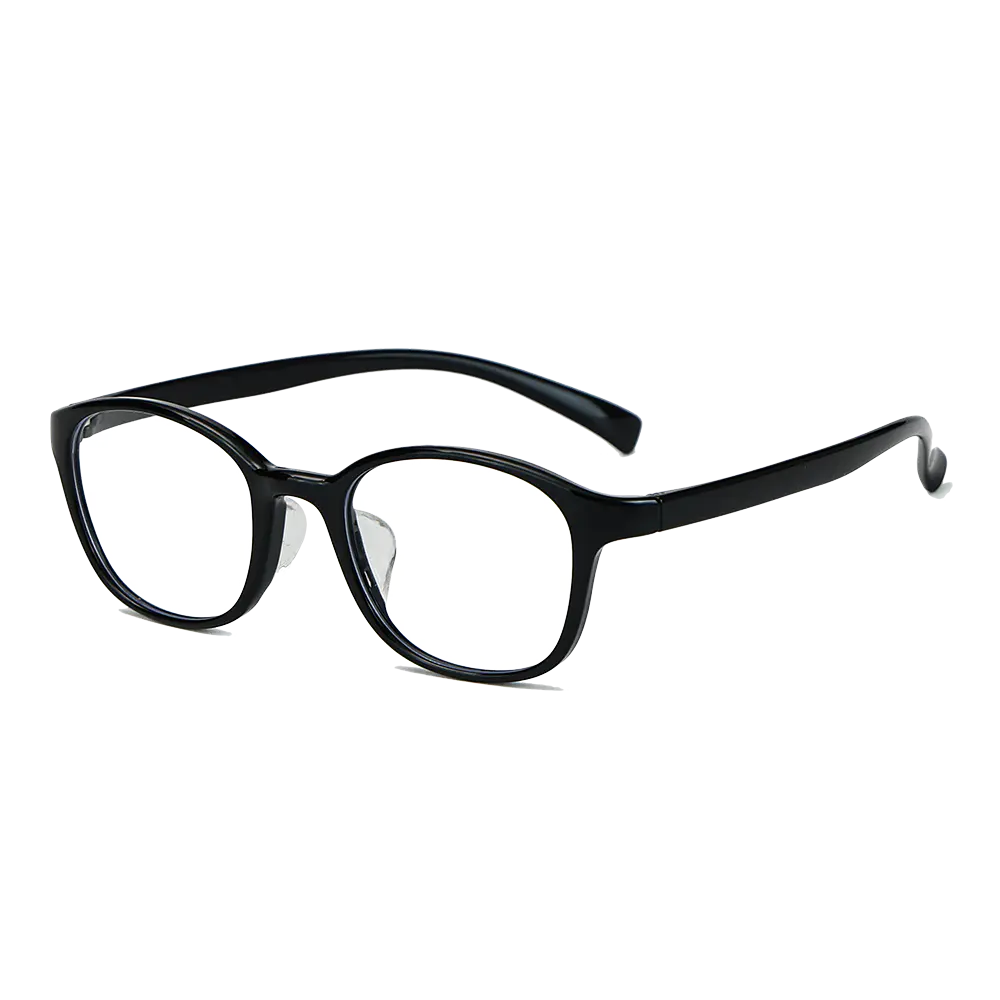
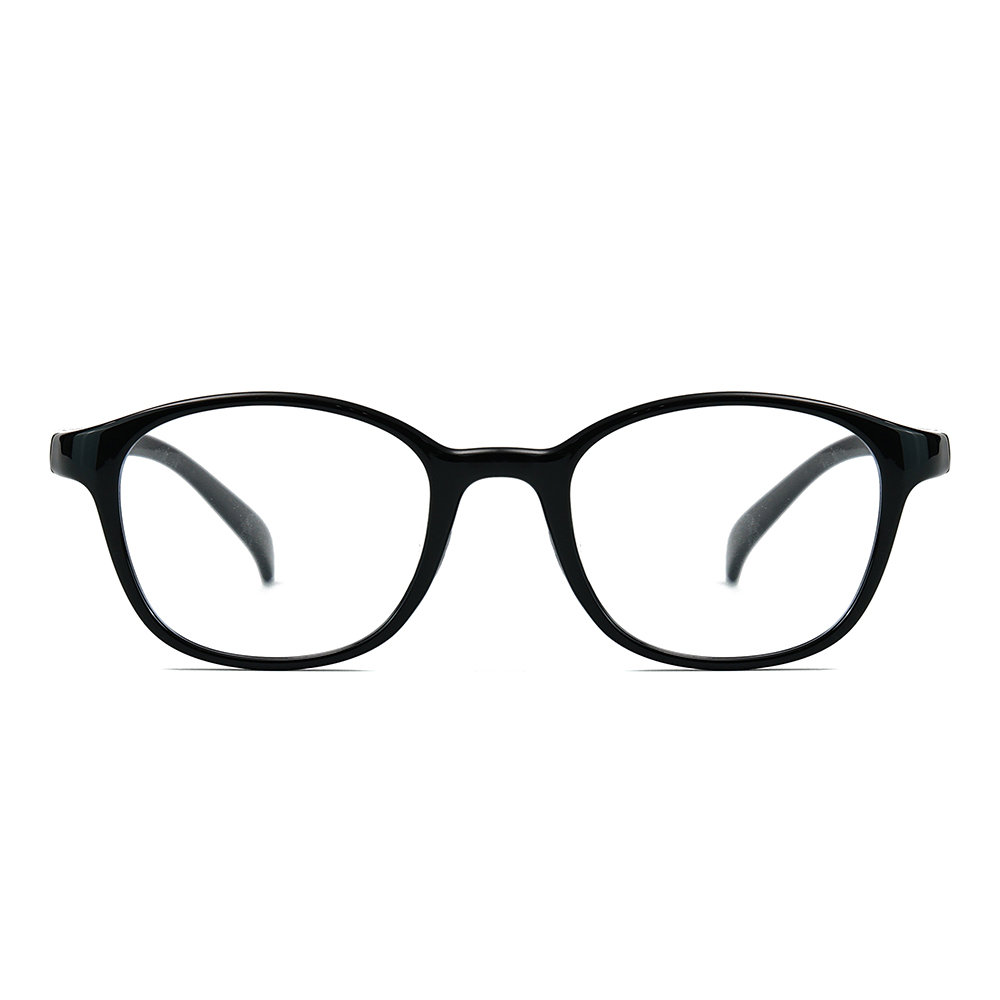
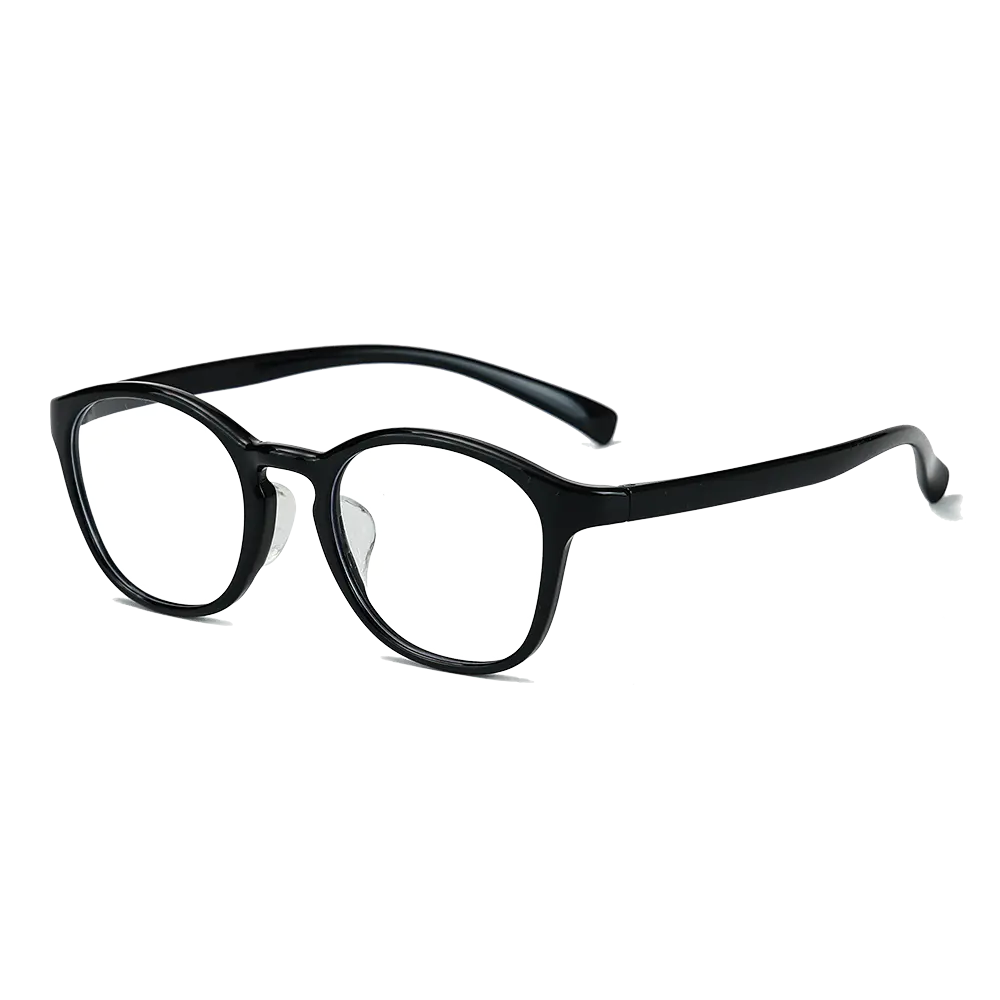
TR90 Polarized Sunglasses Industry Knowledge: A Complete Guide to TR90 Polarized Sunglasses for Product Development
TR90 Polarized Sunglasses are sunglasses that combine a TR90 frame with polarized lenses. The TR90 frame is commonly developed around lightweight construction, flexible design, and practical frame geometry, while the Polarized Lens uses a polarization structure to reduce part of the reflected light traveling in specific polarization directions. Depending on the product specification, UV protection can also be configured separately.
For eyewear purchasers and product developers, this category should be evaluated as a complete product rather than by frame material or lens color alone. Frame dimensions, lens size, polarization, lens tint, hinges, nose pads, temple curvature, surface finish, and assembly accuracy all influence the final result.
The main product characteristics include:
- TR90 Frame: A lightweight frame construction suitable for a wide range of shapes.
- Polarized Lens: Uses a polarization structure to reduce certain directional reflected light.
- Lens Color: Gray, brown, green, black, gradient, and colored options can create different visual styles.
- UV Protection: A separate specification that should be confirmed according to the actual lens configuration.
- Frame Design: Square, round, oval, aviator, geometric, oversized, sports, and wrap styles can all be developed with TR90 structures.
Polarized and UV protection describe different lens characteristics. Polarization relates to directional reflected light, while UV protection relates to ultraviolet filtering. Therefore, a TR90 Polarized Sunglasses product should have its polarization and UV specifications confirmed separately.
Why Is TR90 Suitable for Polarized Sunglasses?
TR90 gives eyewear designers considerable freedom when developing sunglasses frames. Its lightweight characteristics make it suitable for different frame widths, lens dimensions, temple designs, and overall silhouettes. It can be used for understated everyday eyewear as well as larger, sportier, or more distinctive styles.
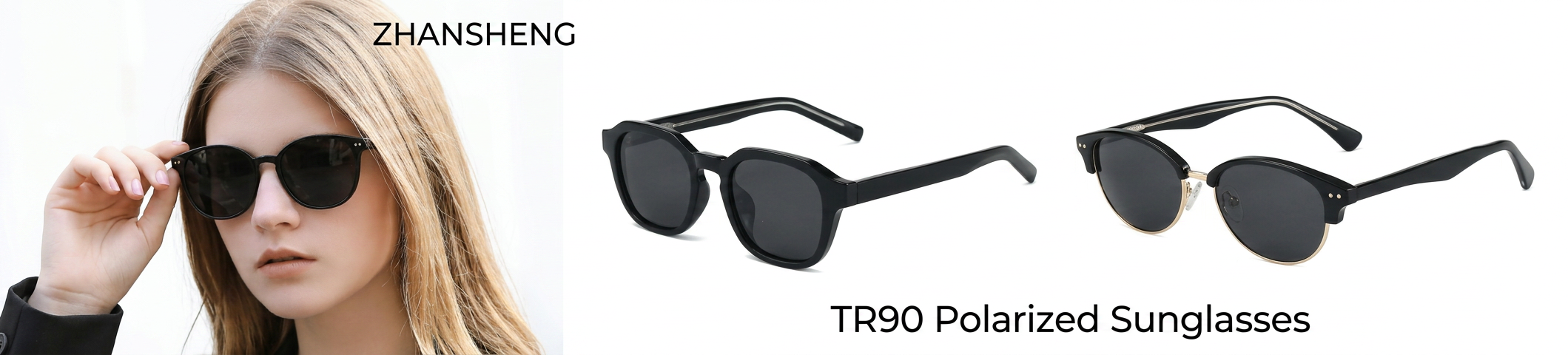
When developing TR90 Polarized Sunglasses, the frame and lens need to be considered together. A larger polarized lens can change the finished product's weight distribution and wearing balance. Frame width, lens dimensions, bridge design, temple length, and nose-pad position should therefore be coordinated as part of one complete structure.
TR90 can be used for:
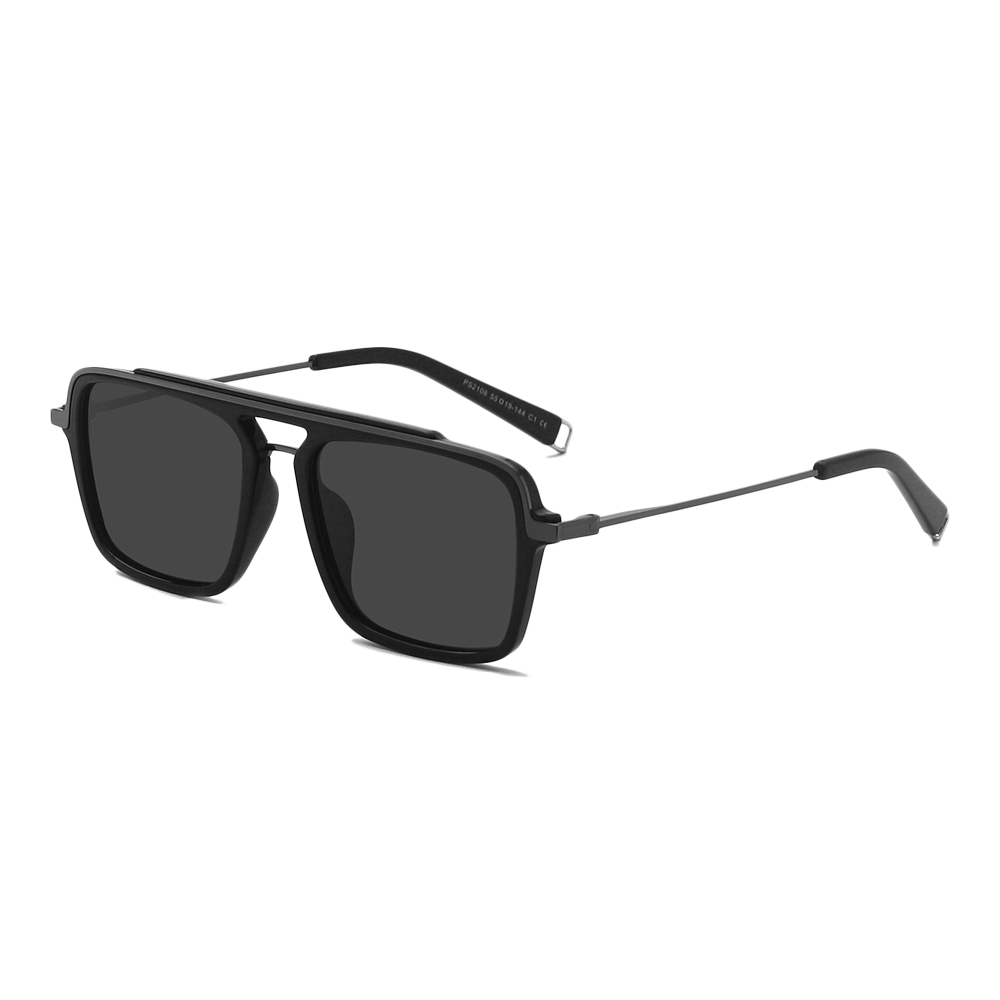
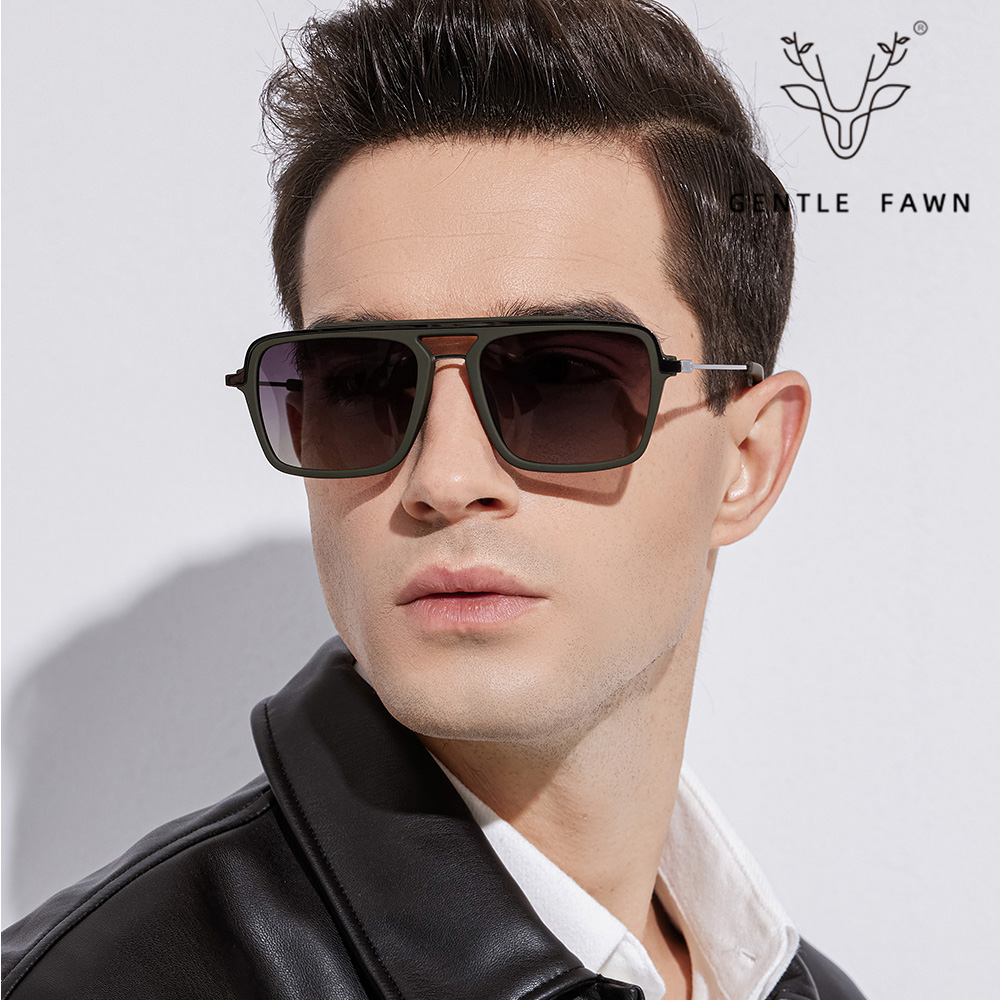
- Square frames with clean, defined lines
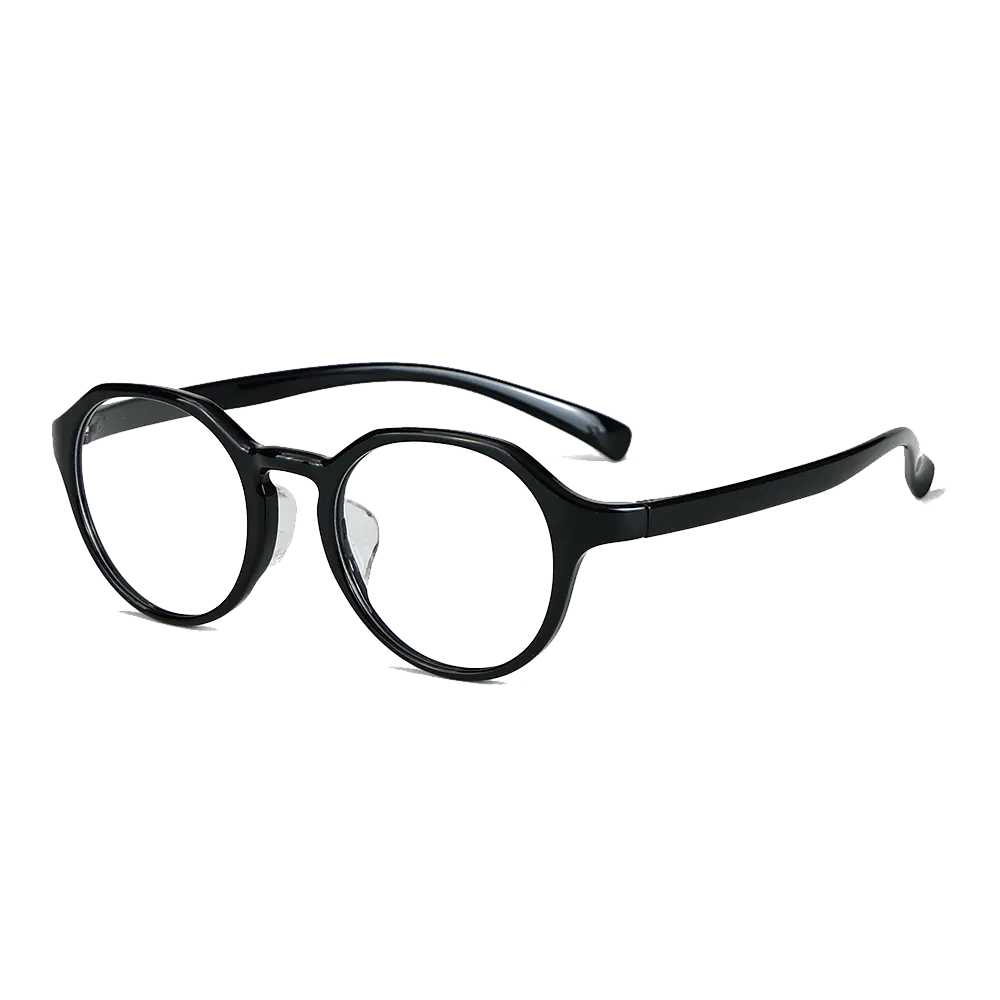
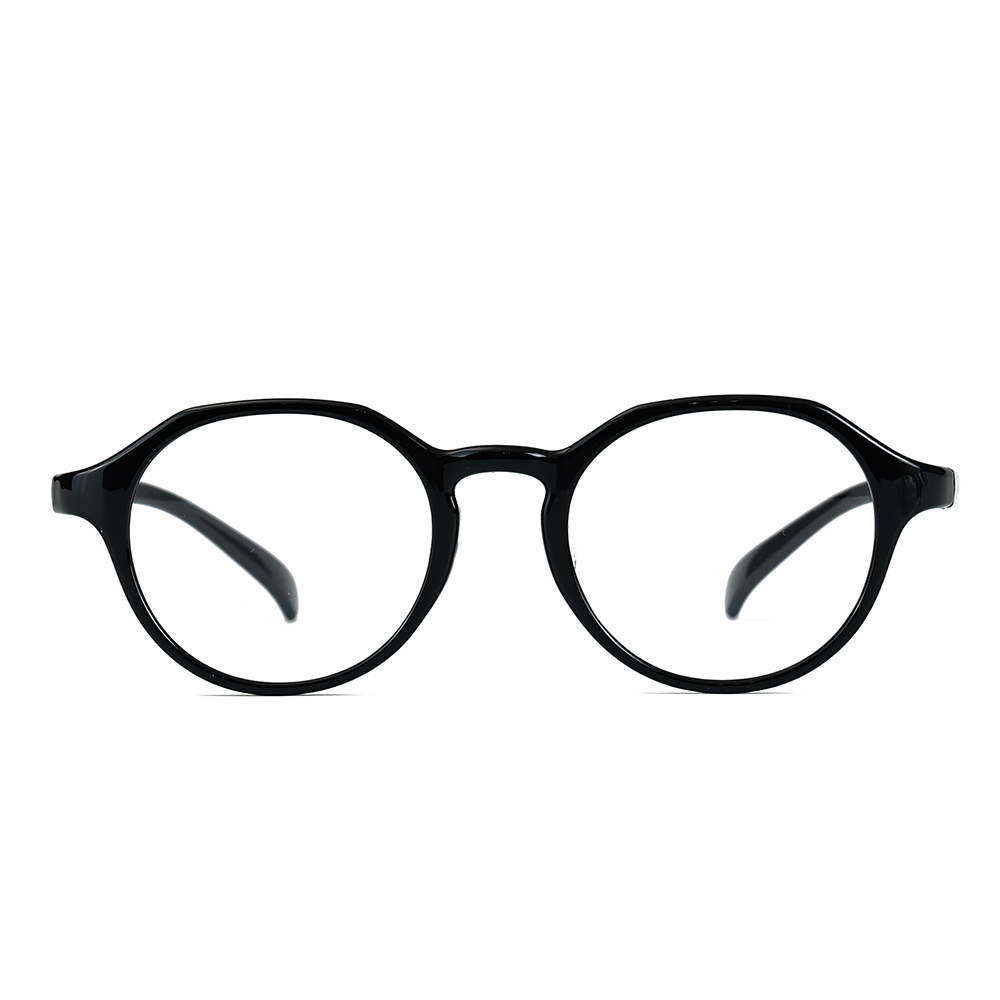
- Round frames with a softer visual character
- Oval frames with classic proportions
- Aviator styles featuring a recognizable upper bridge
- Geometric frames with distinctive outlines
- Oversized frames with a stronger fashion presence
- Sports frames designed to sit closer to the face
- Wrap frames with a curved profile
- Casual frames for daily wear
- Outdoor-oriented sunglasses designs
Zhejiang Zhan Sheng Glasses Co., Ltd. focuses on material selection, frame curvature, polishing, assembly fit, and production detail control. These factors are particularly important for TR90 sunglasses because even small differences in frame dimensions or curvature can affect how the finished eyewear sits on the wearer’s face.
Core Features of TR90 Polarized Sunglasses
Polarized Lens vs. Regular Tinted Lens
Polarized lenses and ordinary tinted lenses differ in both structure and intended function.
A Polarized Lens contains a polarization structure designed to reduce part of the reflected light traveling in a particular polarization direction. This makes polarized sunglasses relevant in environments where reflections from roads, water, glass, or other smooth surfaces may be noticeable.
A Non-Polarized Lens does not contain this polarization structure. Its appearance and light-control characteristics mainly come from the lens color, tint depth, and light transmission level.
Common lens color directions include:
- Gray
- Brown
- Green
- Black
- Gradient
- Colored Lens
Lens color alone cannot be used to determine whether a lens is polarized. A very dark lens is not necessarily polarized, while a colored lens does not automatically meet a particular UV protection standard.
During product development, buyers should confirm the lens structure, polarization, color, tint, UV specification, and any required optical characteristics as separate items.
Polarized vs. UV400
Polarization and UV400 are separate specifications and should not be used interchangeably.
| Specification |
What It Describes |
Key Consideration |
| Polarized |
Lens polarization structure |
Helps reduce part of certain directional reflected light |
| UV Protection |
Ultraviolet filtering capability |
Must be checked against the actual lens specification |
| UV400 |
A stated range of UV filtering |
Does not confirm whether the lens is polarized |
| Lens Tint |
Color depth and visual appearance |
Does not prove polarization or UV performance |
TR90 Polarized Sunglasses can be produced with UV protection when the selected lens supports the required specification. However, a polarized lens is not automatically UV400, and a UV400 lens is not automatically polarized.
Lightweight TR90 Frame and Wearing Balance
TR90 is frequently selected for sunglasses because it supports lightweight frame construction. Even so, the frame’s weight is only one part of overall wearing comfort.
The complete product structure should be reviewed, including:
- Frame width
- Lens size
- Bridge dimensions
- Temple length
- Temple curvature
- Nose-pad position
- Hinge construction
- Frame symmetry
- Overall weight distribution
Large lenses distribute weight differently from smaller lenses. An oversized TR90 Polarized Sunglasses sample should therefore be evaluated as a fully assembled product rather than judged only by the TR90 material itself.
Frame Structure and Hinge Stability
The hinge connects the front frame to the temples and has a direct influence on daily use and long-term assembly stability.
Production inspection may include:
- Temple opening and closing movement
- Hinge tightness
- Screw condition
- Temple alignment
- Connection stability
- Left-right symmetry
- Frame condition after assembly
The purpose of these checks is to maintain stable assembly and consistent frame geometry from one product to another.
TR90 Surface Finish and Appearance
TR90 frames can be produced in a range of colors and surface styles. Matte, glossy, transparent, translucent, and gradient finishes can each support a different product direction.
The frame finish should be selected together with the lens color. For example, a dark frame paired with a dark lens creates a very different appearance from a transparent frame combined with a bright or colored lens.
Color consistency, edge finishing, surface condition, and frame curvature should all be checked during sample approval and regular production inspection.
Frame Shapes for Product Development
Different frame shapes create different visual identities and development requirements.
| Frame Shape |
Visual Direction |
Development Focus |
| Square |
Modern, clean, urban |
Frame proportion and lens width |
| Round |
Retro, soft, casual |
Rim shape and lens color |
| Oval |
Soft, classic |
Overall proportion and fit |
| Aviator |
Classic, recognizable |
Bridge construction and lens proportion |
| Geometric |
Distinctive, contemporary |
Angular frame geometry |
| Oversized |
Fashion-oriented, expressive |
Lens size and weight balance |
| Sports |
Active, functional |
Stability and facial fit |
| Wrap |
Curved, protective-looking profile |
Frame curvature and lens installation |
Main Lens Directions for TR90 Polarized Sunglasses
| Lens Type |
Main Characteristics |
Polarized? |
Development Direction |
| Gray Polarized Lens |
Neutral and versatile appearance |
Yes |
Daily wear, driving, outdoor use |
| Brown Polarized Lens |
Warm visual character |
Yes |
Retro, fashion, outdoor |
| Green Polarized Lens |
Traditional sunglasses appearance |
Yes |
Classic, casual, outdoor |
| Black Polarized Lens |
Deep and defined visual effect |
Yes |
Urban, fashion, classic |
| Gradient Polarized Lens |
Gradual transition in color depth |
Yes |
Fashion, city wear, daily use |
| Colored Polarized Lens |
Stronger color expression |
Yes |
Youth-oriented, fashion, distinctive designs |
| UV-Protected Polarized Lens |
UV performance based on lens configuration |
Yes |
Daily use, outdoor, travel |
Lens selection should not be based on color alone. Buyers should also consider lens dimensions, material structure, tint, light transmission, polarization, UV specification, frame geometry, and the intended application of the finished sunglasses.
TR90 Polarized Sunglasses Frame Structure and Manufacturing Points
Rim Structure
The rim defines the main outline of the sunglasses and directly affects how the lenses are installed. Frame width, lens openings, rim symmetry, and curvature must remain compatible with the selected lens dimensions.
Correct lens installation is especially important for polarized lenses. The lenses need to fit securely inside the frame while maintaining the required orientation and left-right consistency.
Bridge Structure
The bridge connects both sides of the front frame and helps determine the overall proportions of the sunglasses.
Its width, position, curvature, and connection to the front frame can affect:
- Frame stability
- Lens position
- Overall appearance
- Wearing height
- Facial fit
A properly matched bridge structure becomes particularly important when developing larger TR90 frames.
Temple Structure
Temple length and curvature influence how the sunglasses sit along the sides of the head and around the ears.
Development should consider:
- Temple length
- Temple curvature
- Temple thickness
- End-piece design
- Decorative details
- Connection with the front frame
The temples should be developed in proportion to the front frame rather than treated as an independent component.
Hinge Structure
Hinges should allow smooth and consistent opening and closing while keeping the temples securely connected to the front frame.
Inspection may cover hinge movement, screw condition, alignment, connection stability, and left-right consistency.
Nose-Pad Structure
For sunglasses designed with nose pads, their position, size, and angle can affect lens height and the way the frame sits on the face.
Nose-pad placement should therefore be coordinated with bridge dimensions, frame curvature, and the intended wearing position.
Lens Installation
Installing polarized lenses requires careful attention to lens orientation, rim fit, left-right consistency, and the final assembly condition.
The lens should match the frame opening without unnecessary pressure, visible gaps, or alignment problems. Reviewing these details during sample approval can help identify potential issues before regular production starts.
Surface Treatment
TR90 frames can use different color and surface treatments to create varied visual effects. During development, attention should be given to color consistency, edge finishing, surface smoothness, and the relationship between the frame color and lens color.
How to Choose Different Sunglass Frame Materials?
The following comparison is provided as a general industry reference. It does not mean that every listed material is currently used in the product range of Zhejiang Zhan Sheng Glasses Co., Ltd.
| Frame Material |
General Characteristics |
Common Designs |
Suitable Direction |
| TR90 |
Lightweight, flexible, and design-friendly |
Square, round, sports, wrap |
Daily, outdoor, active styles |
| Metal |
Slim construction with defined lines |
Aviator, round, geometric |
Fashion, classic |
| PC |
Lightweight and suitable for molded structures |
Oversized, fashion styles |
Lightweight, fashion |
| Nylon |
Lightweight with flexible properties |
Outdoor, functional |
Outdoor and functional designs |
| Acetate |
Broad color and surface possibilities |
Fashion, premium styles |
Design-oriented products |
| Titanium / Half Titanium |
Lightweight metal construction |
Thin frame, minimalist |
Lightweight metal eyewear |
| Composite Structure |
Combines properties of different materials |
Mixed-material designs |
Differentiated development |
Frame material should be selected together with the frame geometry, polarized lens dimensions, hinge design, nose pads, temples, and required surface treatment.
TR90 should not simply be viewed as another ordinary plastic-frame material. Its practical value comes from the way its material properties work with the frame structure, forming process, and intended product design.
Where Are TR90 Polarized Sunglasses Suitable?
| Use Scenario |
Recommended Direction |
Main Considerations |
| Daily Commuting |
TR90 Polarized Sunglasses |
Lightweight construction, comfort, lens color |
| Driving |
TR90 Polarized Sunglasses |
Polarization, lens color, field of vision |
| Travel |
Lightweight TR90 Polarized Frame |
Weight, portability, wearing stability |
| Outdoor |
TR90 Polarized Sunglasses |
Polarization, UV specification, frame stability |
| Beach / Water |
Polarized TR90 Sunglasses |
Reflected-light conditions, polarization, lens specification |
| Sports |
Sports TR90 Polarized Sunglasses |
Facial fit, flexibility, stability |
| Casual Wear |
Round / Oval / Square TR90 |
Shape, color, styling |
| Fashion Use |
Geometric / Colored Polarized Lens |
Frame shape, lens color, overall visual effect |
Roads, water, glass, and other reflective surfaces can produce noticeable reflected light. In these environments, polarized sunglasses may be a suitable product direction when the intended lens specification calls for reducing certain types of directional polarized reflection.
Polarization should not, however, be described as removing all glare. It is also not a replacement for a clearly stated UV protection specification.
TR90 Polarized Sunglasses vs. TR90 Non-Polarized Sunglasses
| Comparison |
TR90 Polarized Sunglasses |
TR90 Non-Polarized Sunglasses |
| Frame |
TR90 |
TR90 |
| Lens Structure |
Contains a polarization structure |
Does not contain a polarization structure |
| Reflected-Light Control |
Can reduce part of certain directional polarized reflected light |
Does not specifically control polarized reflected light |
| Lens Colors |
Gray, brown, green, gradient, colored, etc. |
Gray, brown, green, gradient, colored, etc. |
| UV Protection |
Depends on the product specification |
Depends on the product specification |
| Lightweight Frame Direction |
Supported by TR90 frame design |
Supported by TR90 frame design |
| Driving Direction |
Relevant when polarization is required by the intended specification |
Does not provide polarization |
| Outdoor Direction |
Suitable for designs requiring polarized lenses |
Suitable for general sunglasses designs |
| Main Development Focus |
Polarization, lens configuration, TR90 frame design |
Lens color, frame shape, TR90 frame design |
Polarized and non-polarized lenses use different lens structures. The darkness or color depth of a lens cannot be treated as evidence that it is polarized.
How to Choose TR90 Polarized Sunglasses?
| Selection Point |
Importance |
What to Confirm |
| Polarized Lens |
High |
Whether the lens contains a polarization structure |
| UV Protection |
High |
Applicable UV specification |
| Lens Material |
High |
Confirm according to the product specification |
| Lens Color |
High |
Gray, brown, green, gradient, colored, etc. |
| Lens Tint |
High |
Color depth and visual appearance |
| Optical Characteristics |
High |
Confirm according to the actual lens specification |
| Frame Material |
High |
TR90 frame construction |
| Frame Weight |
High |
Overall product weight and balance |
| Frame Shape |
High |
Square, round, oval, aviator, etc. |
| Hinge |
High |
Movement, tightness, and stability |
| Nose Pads |
Medium-High |
Position and wearing comfort |
| Temple Structure |
High |
Length, curvature, and fit |
| Surface Finish |
Medium-High |
Color, gloss, texture, and consistency |
| Lens Installation |
High |
Fit, alignment, orientation, and symmetry |
| Frame Symmetry |
High |
Left-right consistency |
| Packaging |
Medium |
Protection during storage and transportation |
| Customization |
Product dependent |
Frame, lens, color, LOGO, and packaging |
A detailed product specification helps reduce uncertainty during development. Rather than confirming only the frame style, buyers should define the frame dimensions, lens configuration, color, polarization, UV requirements, hinge construction, surface treatment, LOGO position, and packaging requirements as a complete project.
Developing TR90 Polarized Sunglasses by Frame Shape
Square TR90 Polarized Sunglasses
Square frames feature clear geometric lines and work well for modern, minimalist, urban, and everyday styles. The frame width, corner proportions, lens size, and temple structure should be balanced to create a consistent overall shape.
Round TR90 Polarized Sunglasses
Round frames provide a softer, more retro-inspired appearance. Even when the basic frame shape remains unchanged, different combinations of frame colors and polarized lens colors can create noticeably different product styles.
Oval TR90 Polarized Sunglasses
Oval frames have smooth contours and are suitable for casual, classic, and light-fashion collections. Maintaining the correct relationship between frame height and width is important for preserving the intended visual proportion.
Aviator TR90 Polarized Sunglasses
Aviator frames are recognized by their familiar proportions and distinctive upper bridge. When using TR90 construction, development can focus on frame weight, lens size, bridge geometry, and coordinated frame-and-lens color combinations.
Geometric TR90 Polarized Sunglasses
Geometric frames use angular, multi-sided, or unconventional outlines to create stronger product recognition. They are suitable for differentiated fashion collections where the geometry of the frame is a key design feature.
Oversized TR90 Polarized Sunglasses
Oversized frames create a more expressive visual effect. Their larger dimensions also require additional attention to lens size, frame weight, temple construction, and overall front-to-back balance.
Sports TR90 Polarized Sunglasses
Sports-oriented sunglasses usually require greater attention to facial fit, frame stability, weight distribution, temple positioning, and lens coverage. The exact construction should be developed around the intended use and confirmed product specification.
Wrap TR90 Polarized Sunglasses
Wrap sunglasses use a more curved profile that follows the shape of the face. During sample development, frame curvature, lens installation, temple position, and the actual wearing condition should be reviewed carefully.
Why Choose Zhejiang Zhan Sheng Glasses Co., Ltd. for TR90 Polarized Sunglasses?
Zhejiang Zhan Sheng Glasses Co., Ltd. develops and manufactures TR90 sunglasses through coordinated control of material selection, frame forming, surface treatment, assembly, curvature, and production details.
Producing TR90 Polarized Sunglasses involves more than placing polarized lenses into a TR90 frame. The frame geometry must match the selected lens dimensions. At the same time, the bridge, temples, hinges, nose pads, and lens installation must work together as one stable finished product.
During product development, attention can be given to:
- TR90 frame geometry
- Frame curvature
- Lens configuration
- Polarized lens selection
- Lens color
- UV specification
- Hinge construction
- Temple details
- Nose-pad configuration
- Surface color
- Assembly fit
- LOGO placement
- Packaging
Sample confirmation is an essential stage of the development process. A physical sample provides a direct reference for checking frame dimensions, lens configuration, color, finish, assembly condition, and overall wearing balance.
For OEM/ODM projects, a clearly approved sample and detailed product specification create a practical basis for regular manufacturing. They also make it easier to identify and correct necessary adjustments before mass production begins.
FAQ About TR90 Polarized Sunglasses
1. What are TR90 Polarized Sunglasses?
TR90 Polarized Sunglasses are made with a TR90 frame and polarized lenses. The frame supports lightweight and flexible structural development, while the lenses contain a polarization structure designed to reduce part of certain directional reflected light. Buyers should confirm the frame, lens type, polarization, UV specification, dimensions, and assembly requirements separately.
2. What are the advantages of a TR90 frame for polarized sunglasses?
TR90 supports lightweight frame construction and can be developed into a wide variety of shapes, including square, round, oval, aviator, geometric, oversized, sports, and wrap styles. The final performance of the sunglasses depends not only on the material but also on frame design, dimensions, forming accuracy, assembly quality, and the complete product specification.
3. Are TR90 Polarized Sunglasses automatically UV400?
No. Polarization and UV400 describe different lens properties. Polarization relates to the reduction of certain directional polarized reflected light, while UV400 refers to a stated range of ultraviolet filtering. TR90 Polarized Sunglasses may be configured with UV400 lenses, but this must be confirmed from the actual lens specification rather than assumed from the term “Polarized.”
4. Are TR90 Polarized Sunglasses suitable for driving?
TR90 Polarized Sunglasses may be considered for driving-related product development when the selected polarization and lens specifications are appropriate for the intended use. Polarized lenses can reduce part of certain directional reflected light from roads and other reflective surfaces. Lens color, optical characteristics, applicable regulations, and the complete product specification should still be reviewed separately.
5. What lens colors can be used with TR90 Polarized Sunglasses?
Common choices include gray, brown, green, black, gradient, and other colored polarized lenses. Lens color mainly affects appearance and tint. It does not independently confirm polarization or UV performance. Color selection should be coordinated with lens size, frame color, intended style, polarization requirements, and the applicable UV specification.
6. What should be checked when developing custom TR90 Polarized Sunglasses?
The product specification should cover frame dimensions, lens dimensions, lens color, polarization, UV requirements, bridge construction, temple length, hinge type, nose pads, surface finish, LOGO placement, packaging, and assembly details. Before regular production, a physical sample should be reviewed for symmetry, lens fit, curvature, balance, color, finish, and overall appearance.
7. What is the difference between TR90 and metal sunglasses?
TR90 is commonly used for lightweight, flexible frames and supports a wide range of molded shapes. Metal frames are generally associated with slimmer lines and more clearly defined structural details. Each material offers different design possibilities. The appropriate choice depends on frame geometry, lens dimensions, weight balance, finishing requirements, and the intended product position.
8. Are TR90 Polarized Sunglasses suitable for outdoor use?
They can be developed for outdoor applications, especially when the selected lens specification includes polarization and the required UV protection. Roads, water, and other reflective environments may produce directional reflected light, making polarization a relevant feature. However, not every TR90 polarized product has the same optical or UV performance, so the exact specification must be confirmed.
9. Why is sample confirmation important for TR90 polarized eyewear?
A physical sample allows the complete product to be evaluated before regular manufacturing. Buyers can check frame dimensions, lens installation, polarization configuration, colors, curvature, hinge movement, temple alignment, surface finish, and overall balance. This process helps identify necessary adjustments and provides a clearer production reference.
10. How can an eyewear factory support OEM/ODM TR90 Polarized Sunglasses development?
An eyewear factory can coordinate frame geometry, lens configuration, colors, surface treatments, assembly, LOGO placement, packaging, and sample revisions. Zhejiang Zhan Sheng Glasses Co., Ltd. focuses on material selection, frame forming, polishing, surface treatment, assembly fit, curvature control, and production details to support the development of complete TR90 sunglasses products.
When evaluating TR90 Polarized Sunglasses, it is useful to look beyond the combination of “TR90 frame + polarized lens.” The final product is determined by how the frame and lens work together.
A practical evaluation can begin with five areas:
- Frame: Confirm dimensions, geometry, curvature, weight, symmetry, temples, hinges, and nose-pad structure.
- Lens: Confirm polarization, color, tint, applicable UV specification, and other required optical characteristics.
- Assembly: Check lens installation, frame alignment, hinge movement, temple position, and overall stability.
- Appearance: Review frame color, surface finish, lens color, edge treatment, and LOGO details.
- Sample: Use the approved sample as a reference for dimensions, color, finishing, assembly, and packaging.
For purchasers developing TR90 Polarized Sunglasses, a clear specification makes communication more precise and helps connect product appearance with actual manufacturing requirements. By evaluating the TR90 frame, polarized lens, structural details, surface treatment, and assembly as one complete product, it becomes easier to develop sunglasses that match the intended style, use scenario, and market positioning.


 Español
 русский
 عربى
عربى