
 Español
 русский
 عربى
عربى
OEM Sunglasses
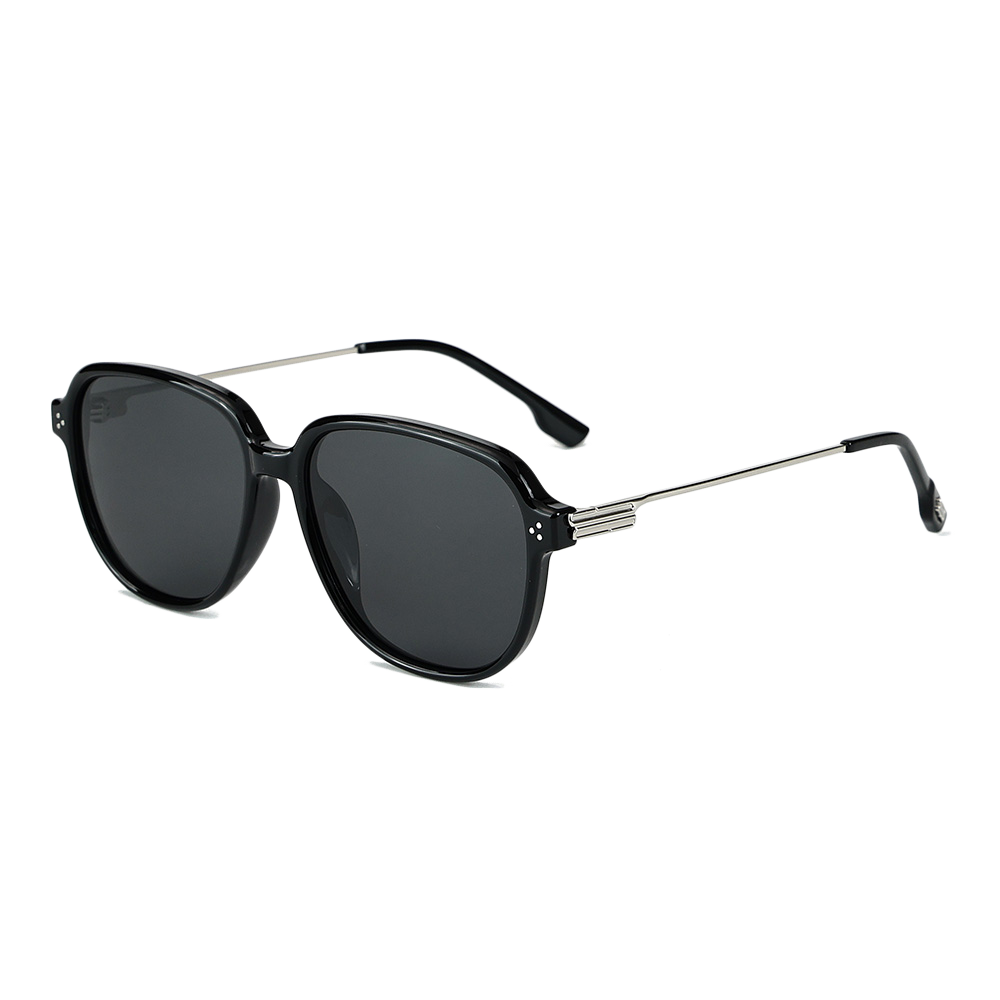
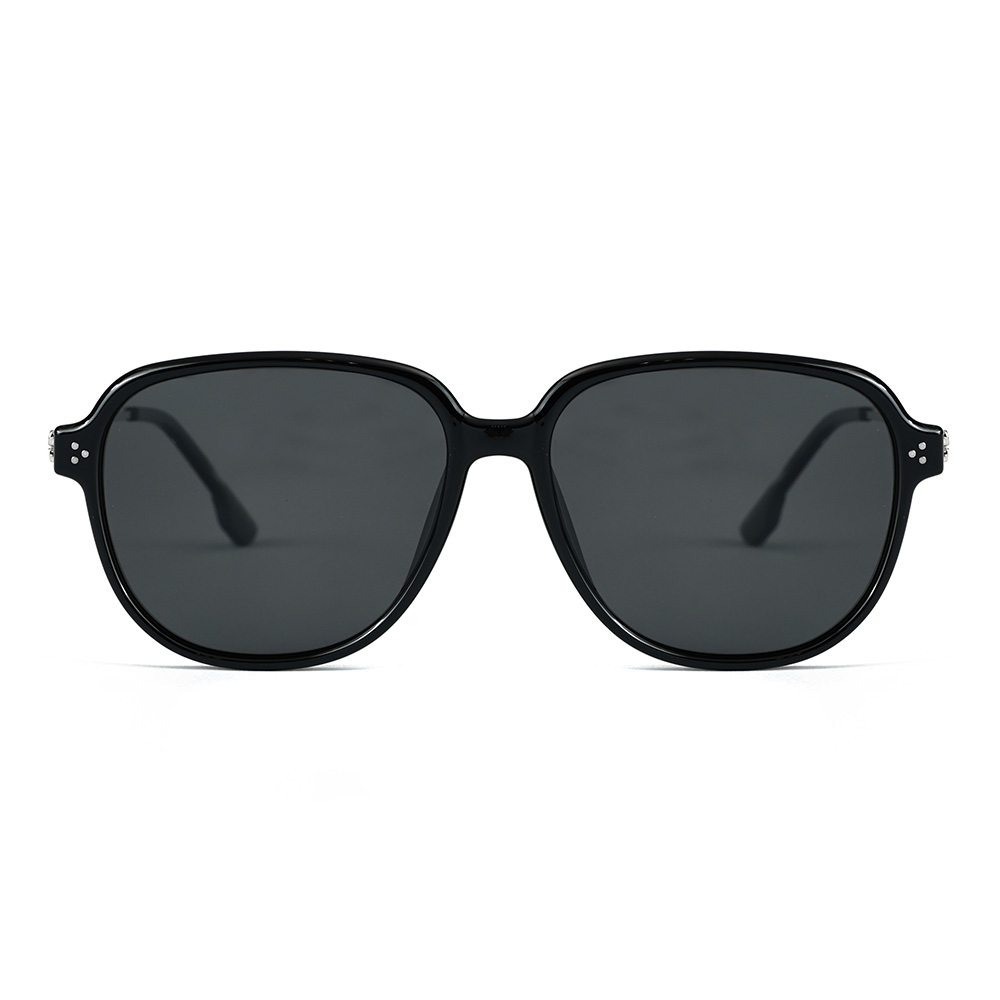


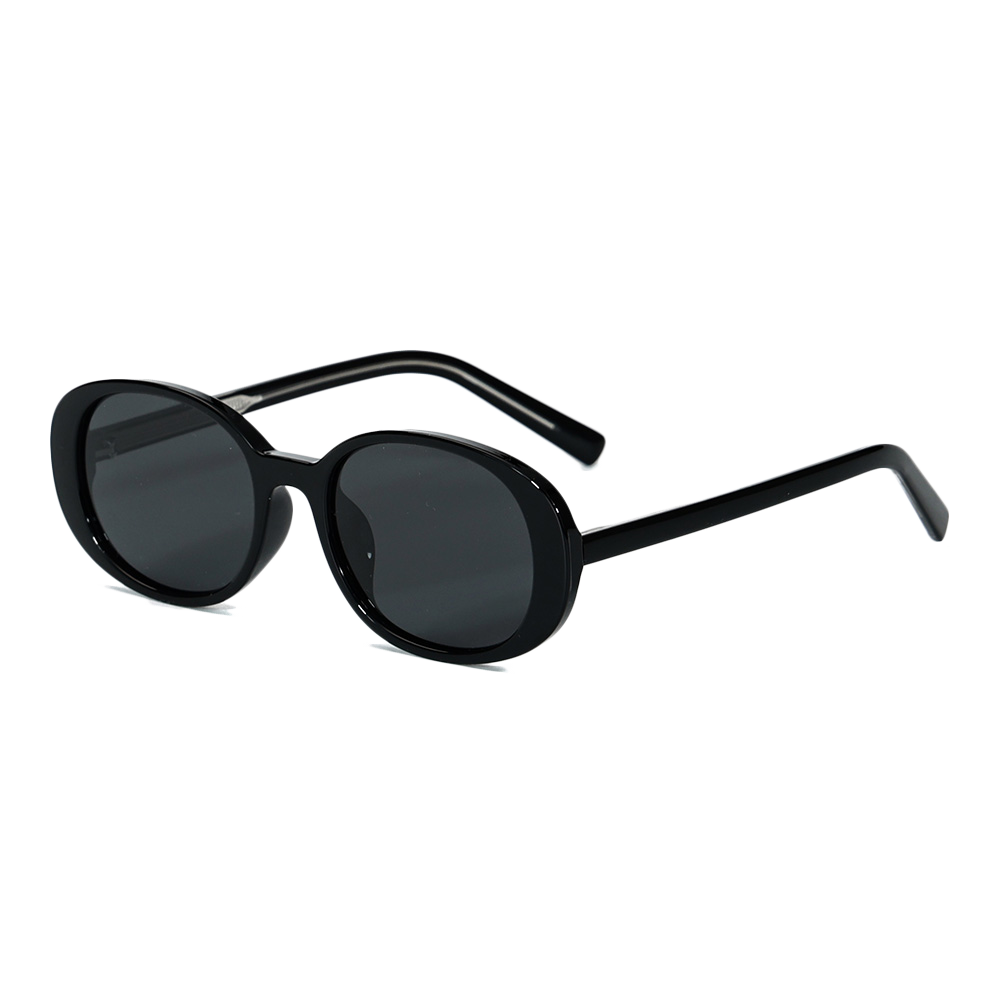
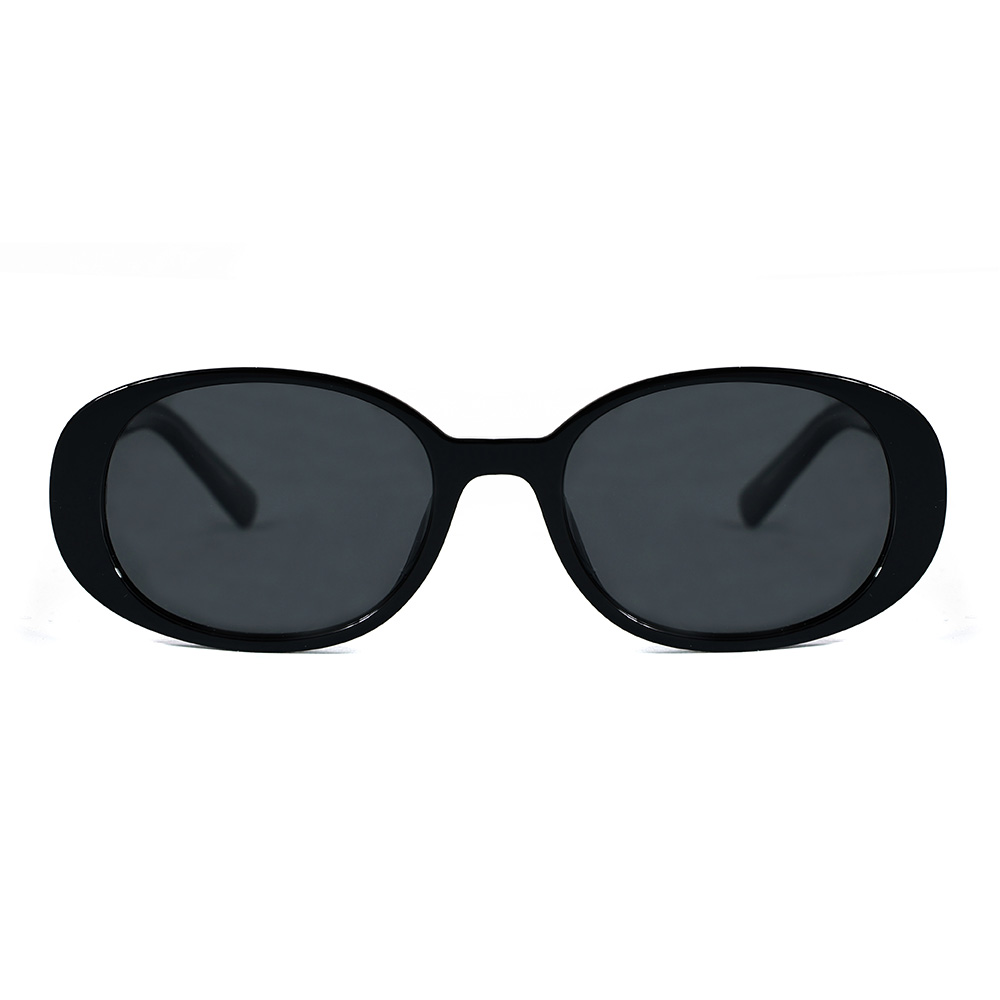
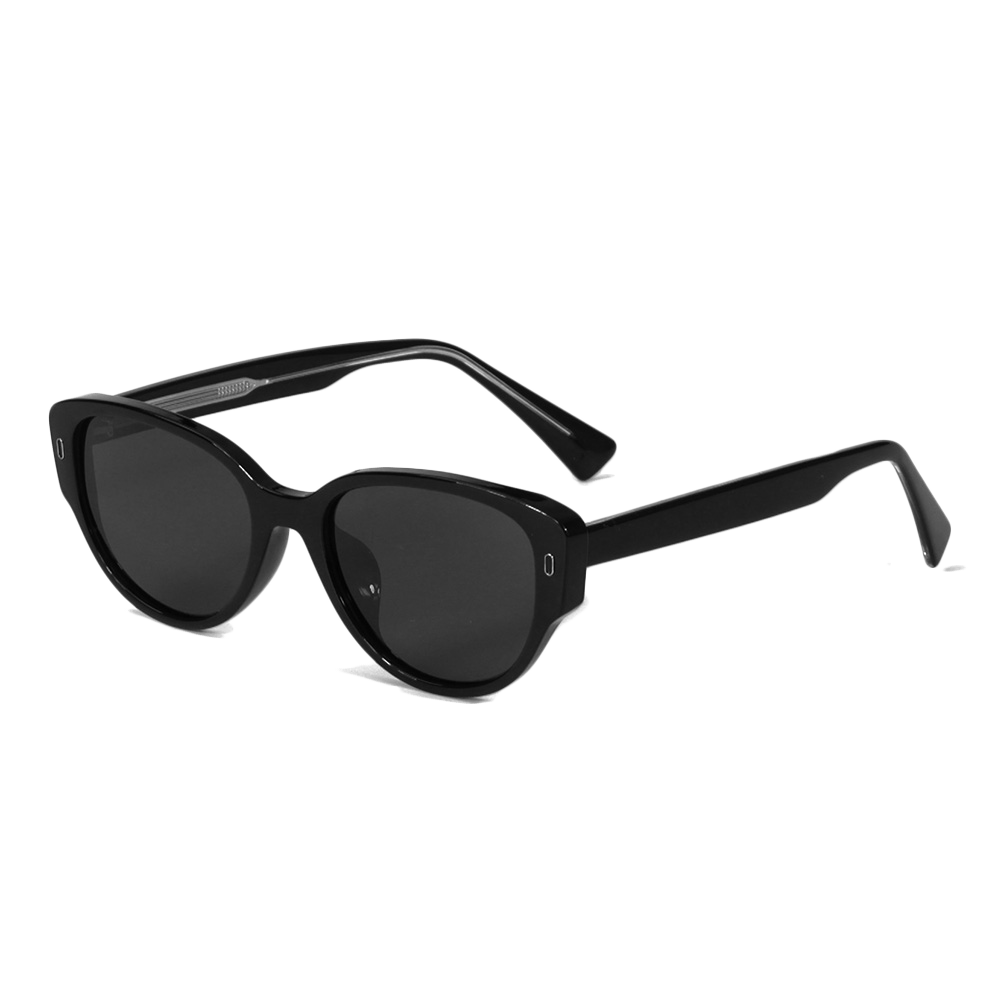
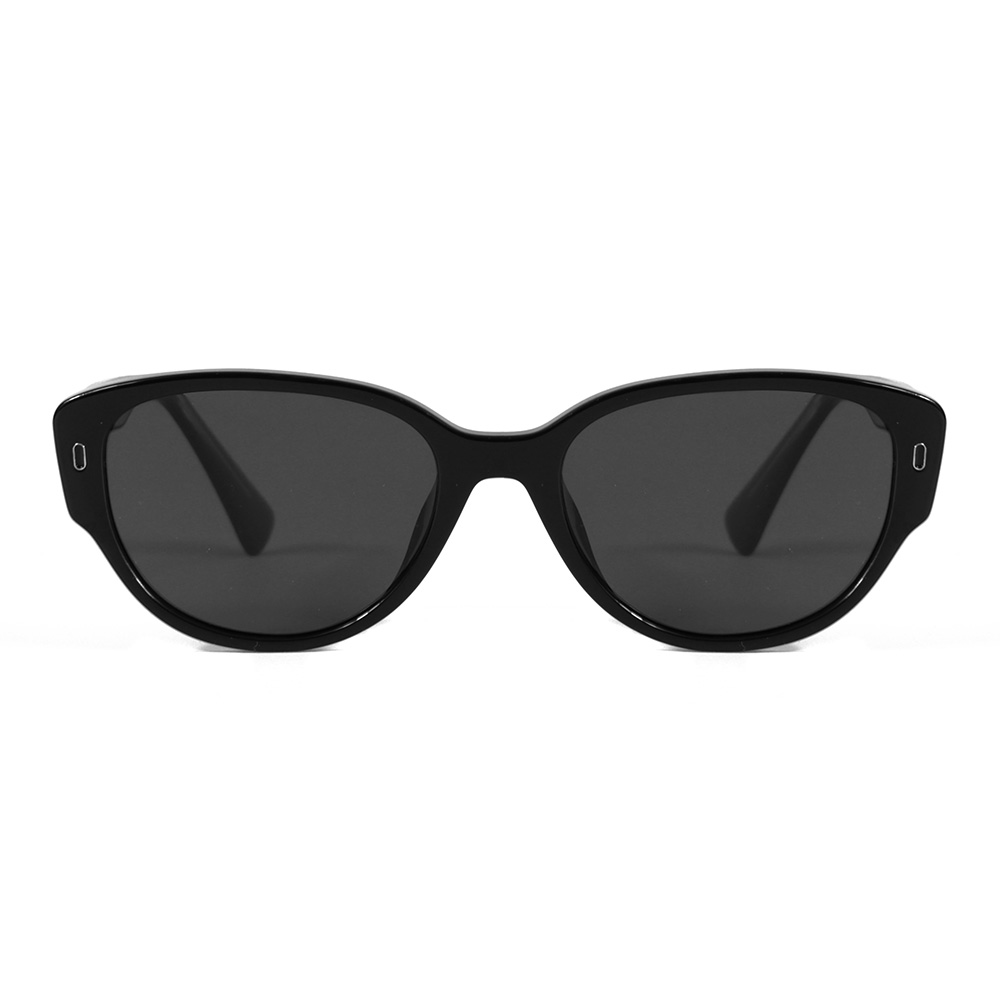
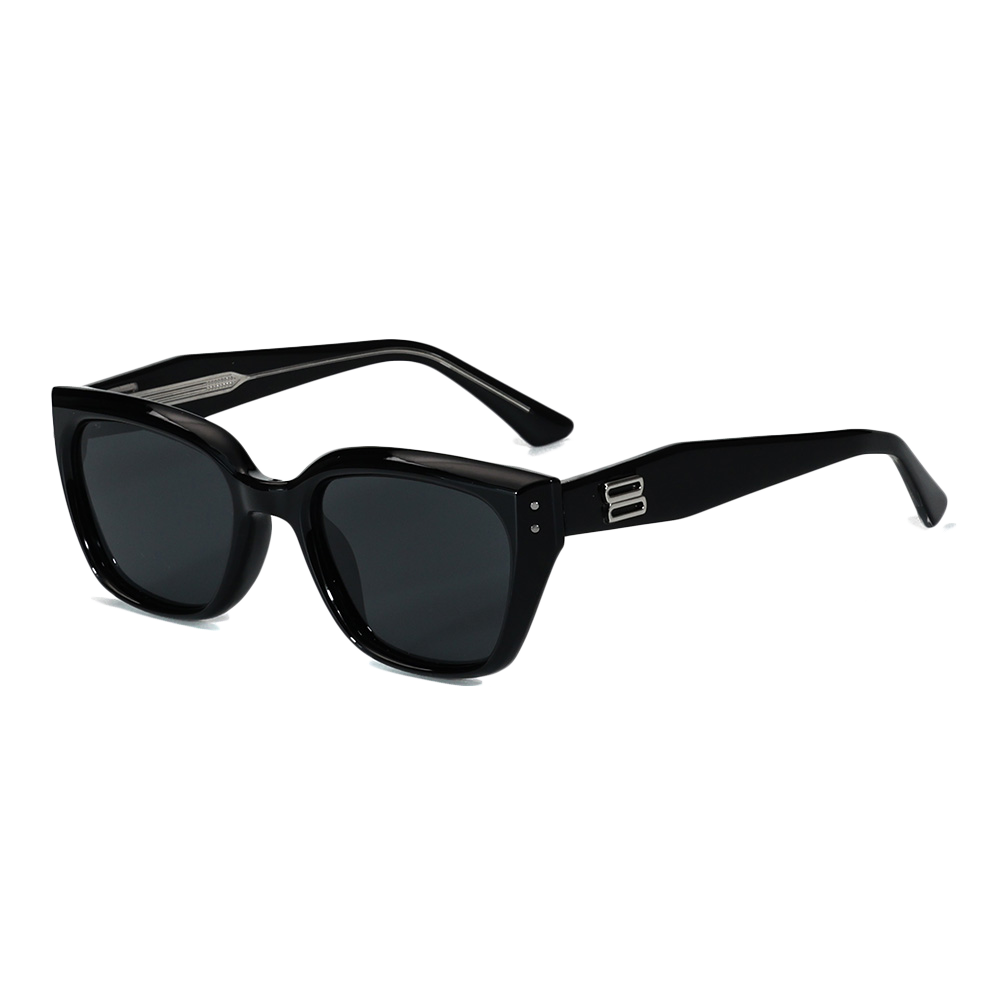
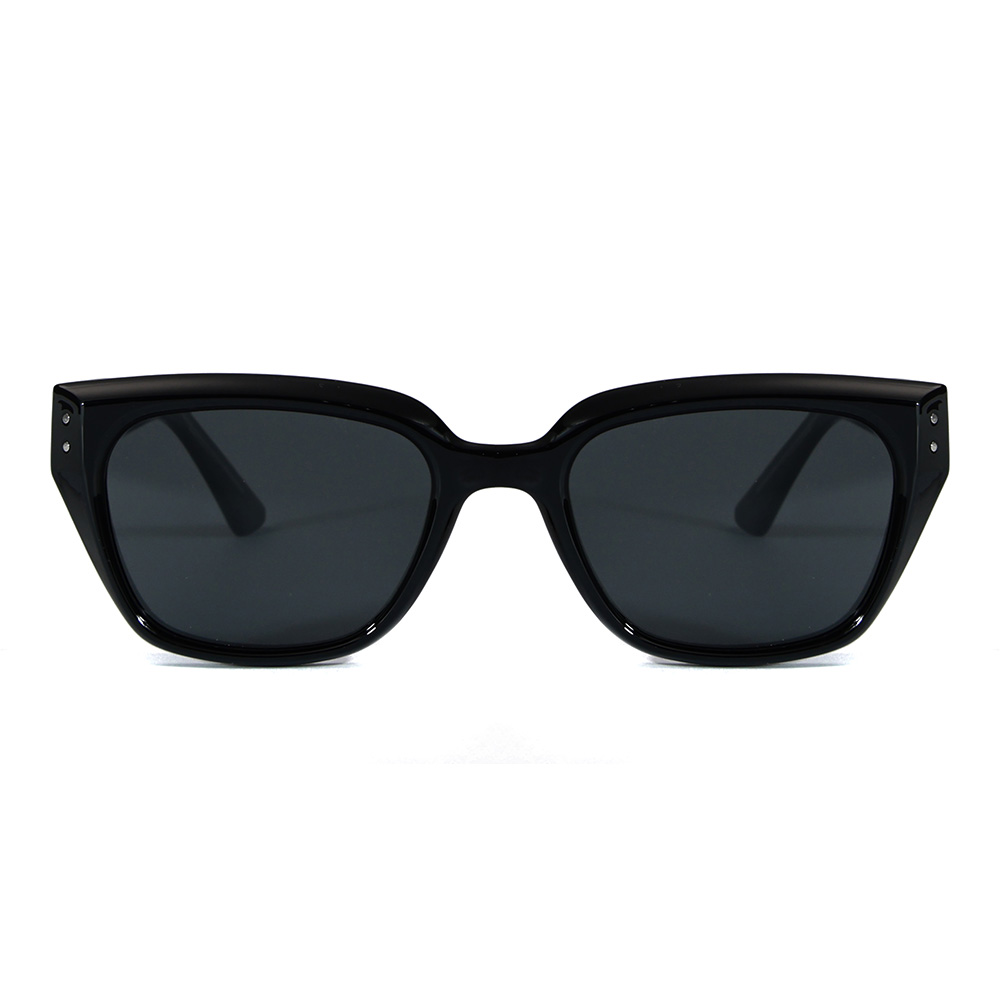
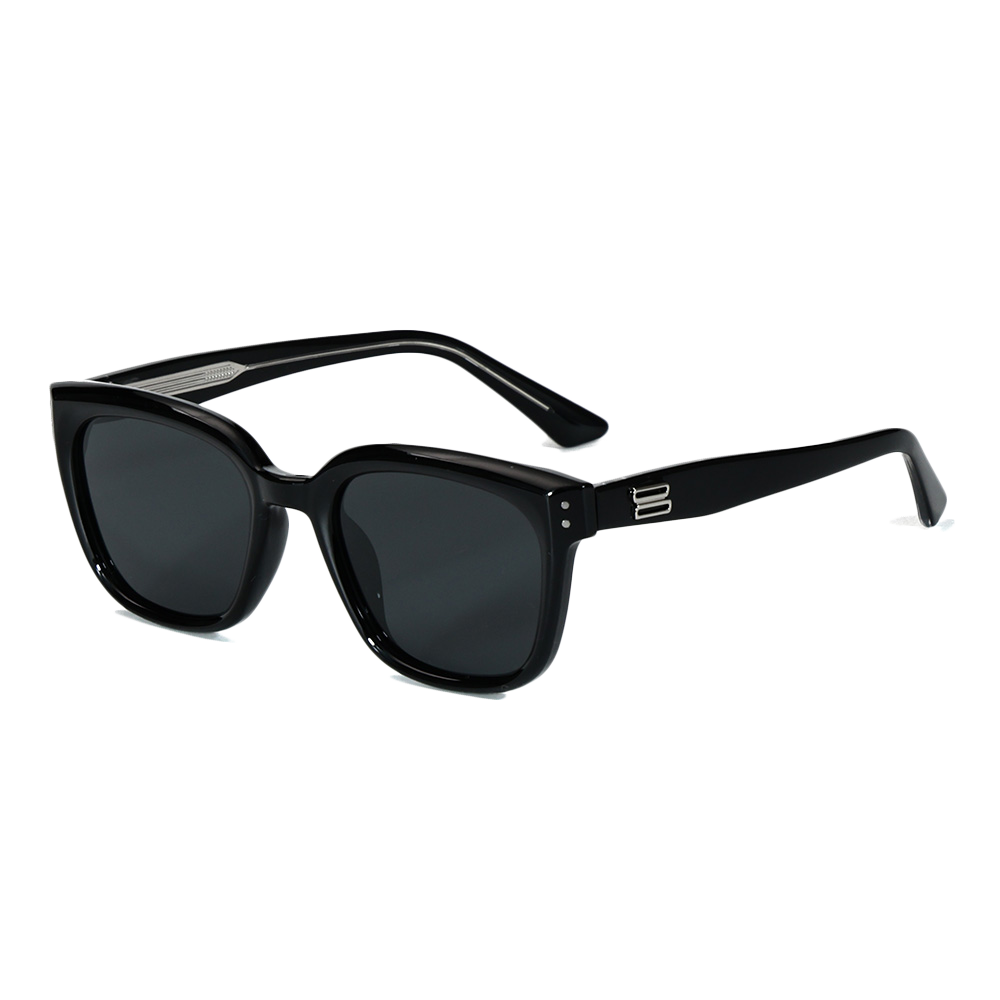
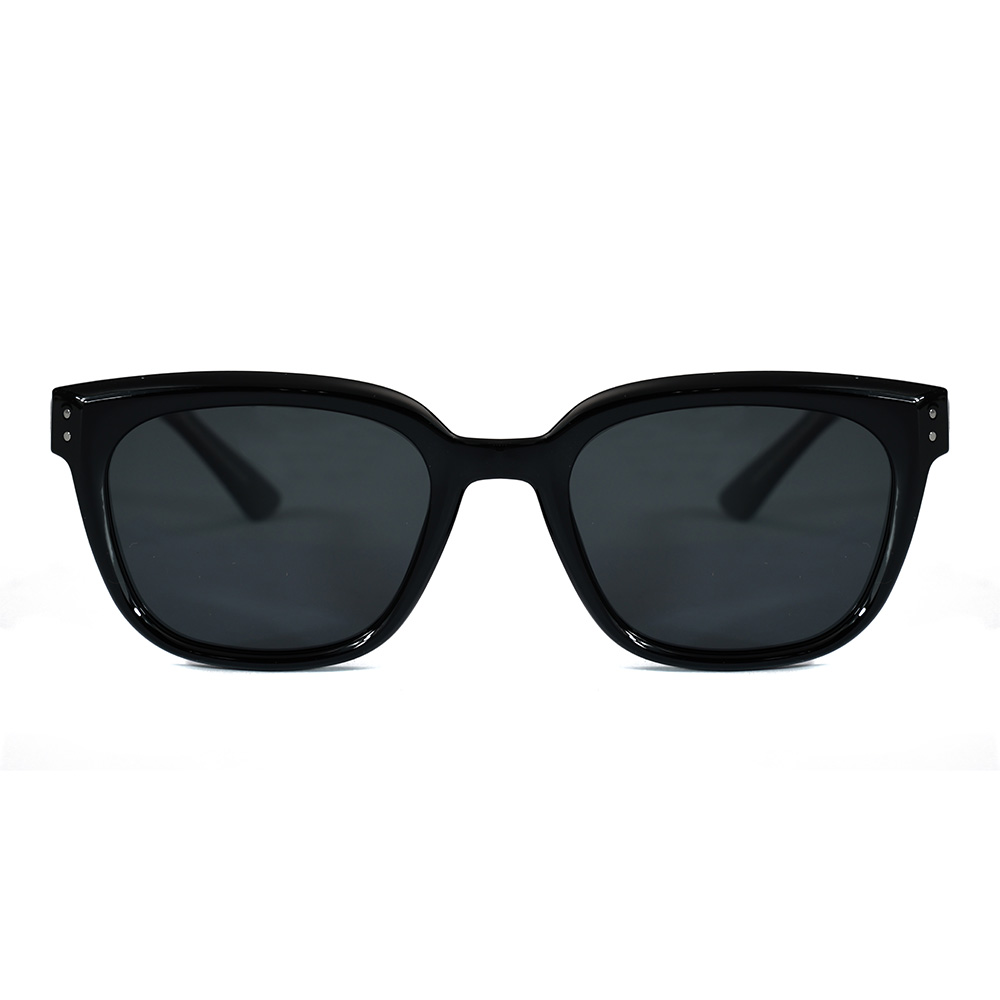
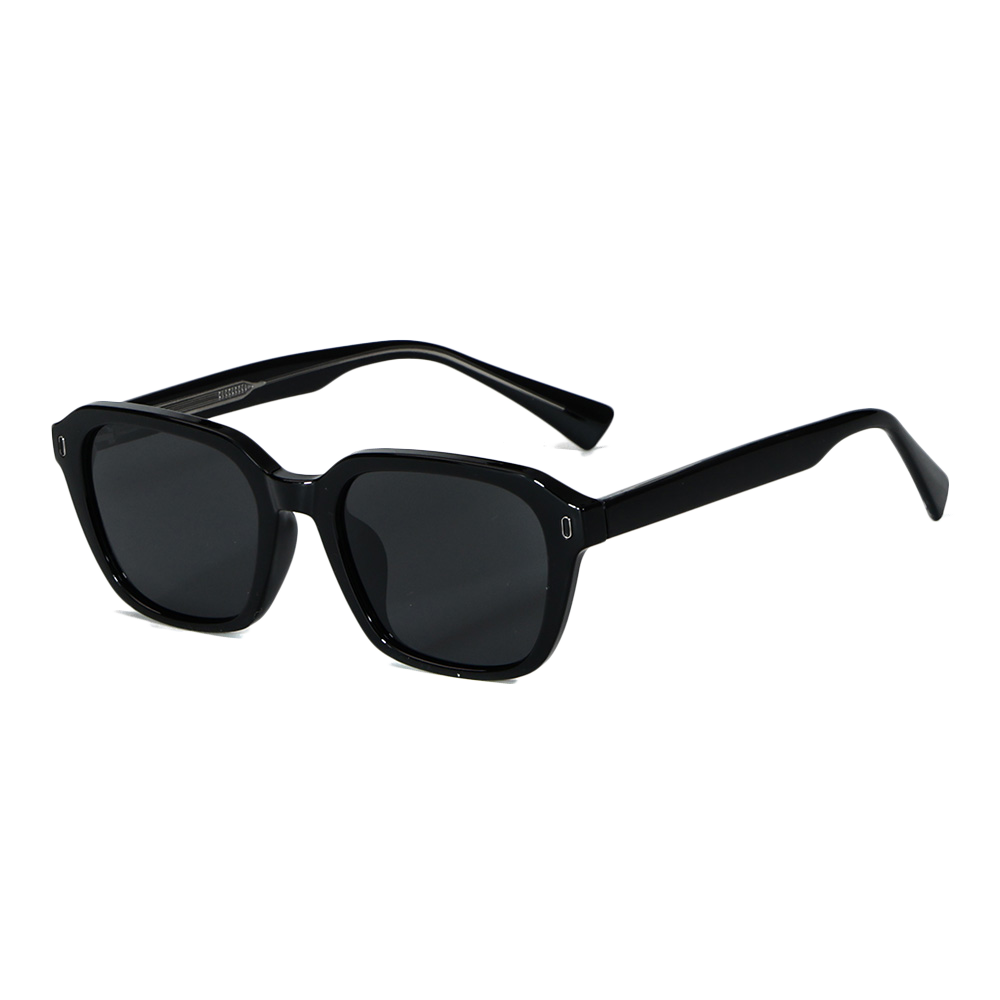
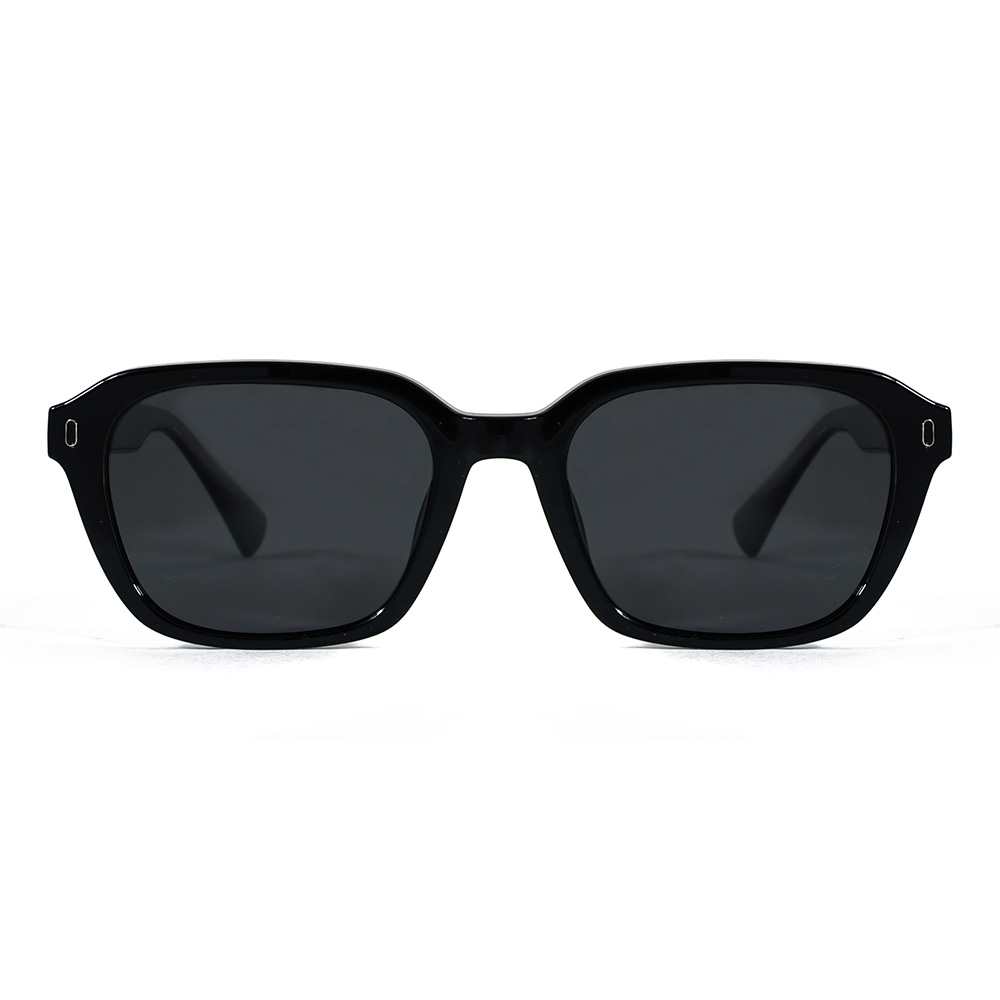
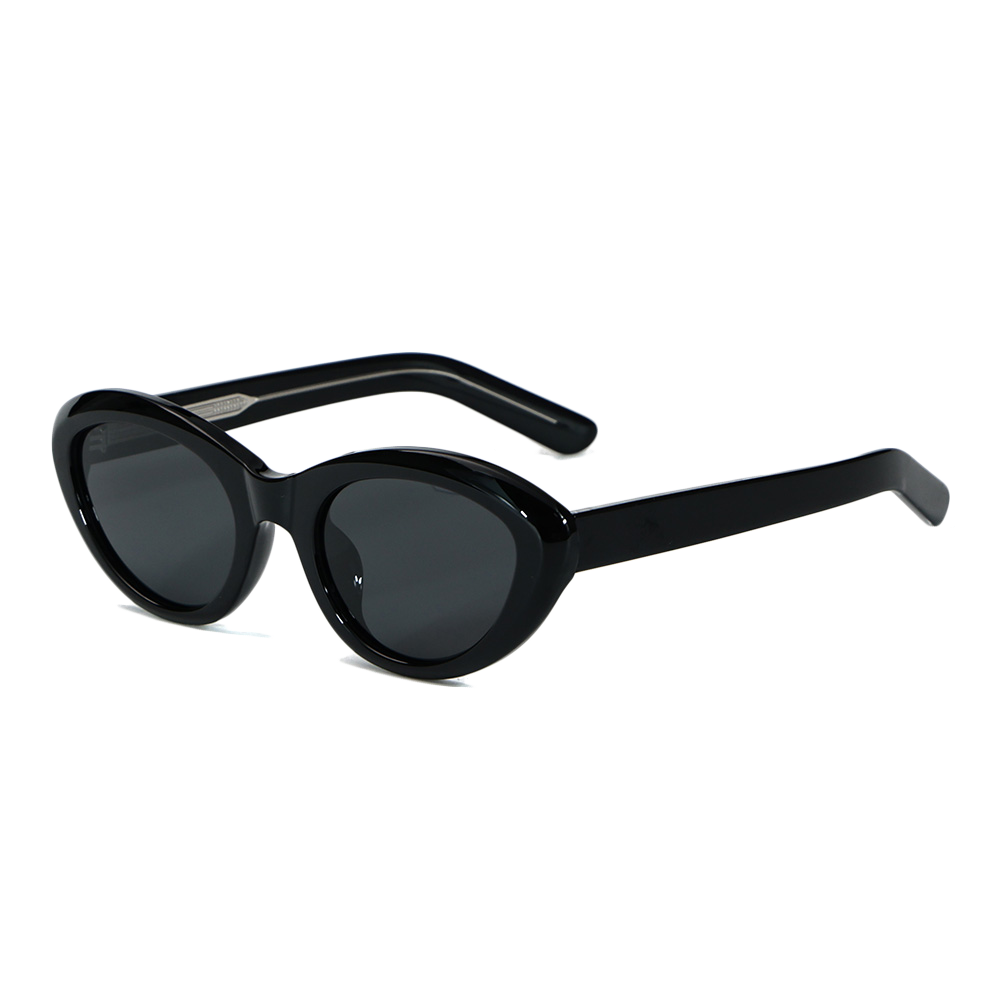

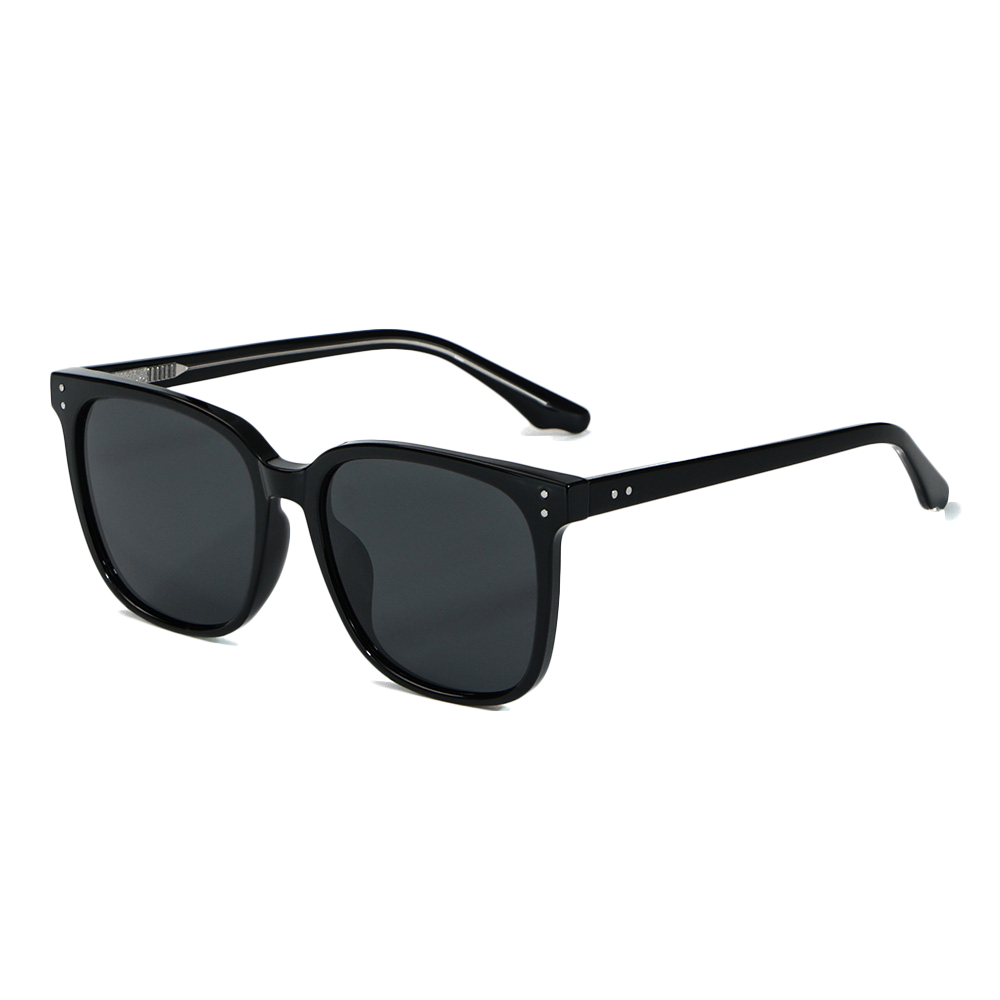
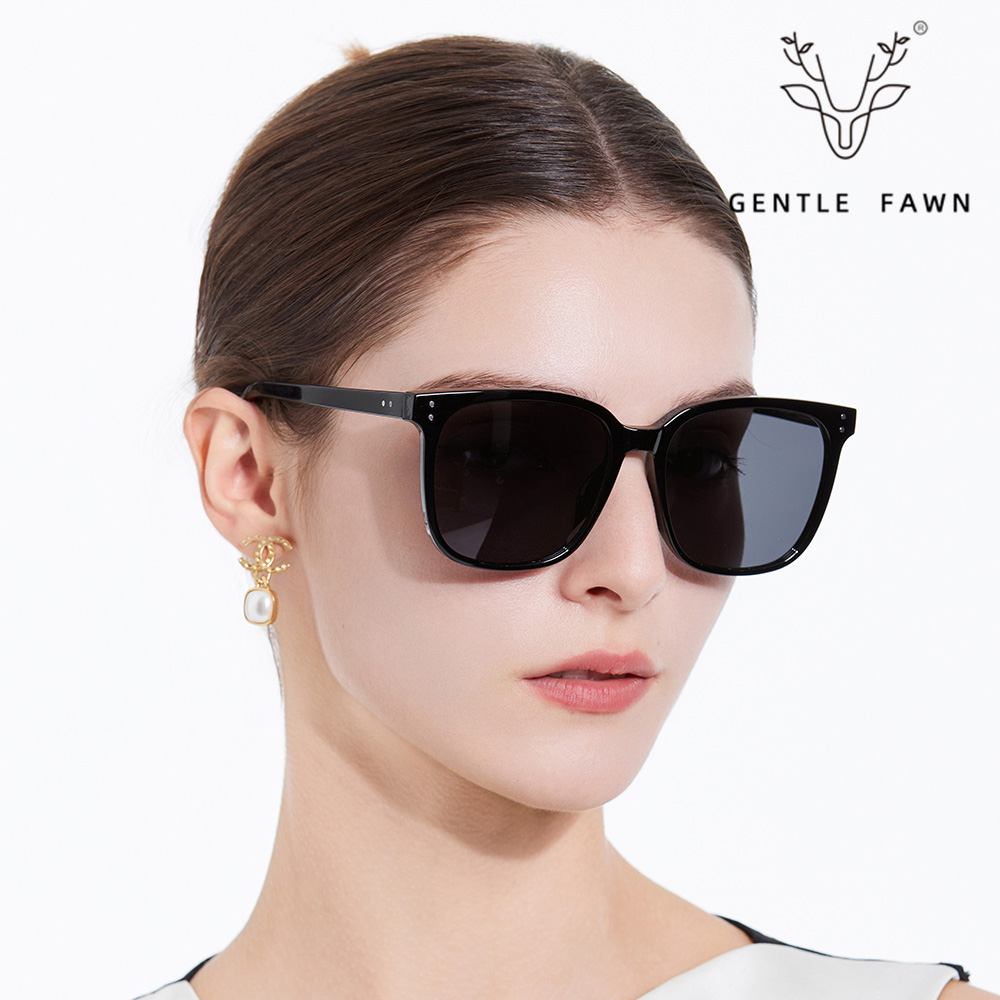
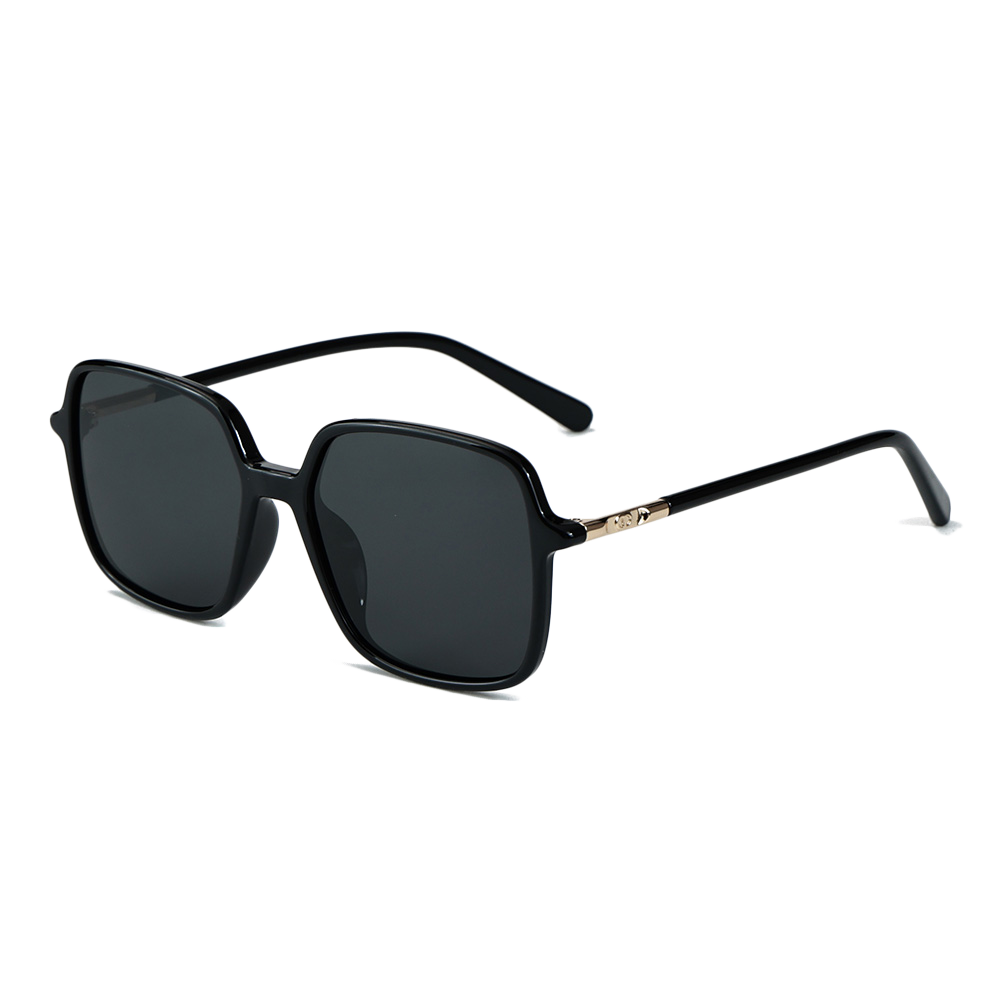

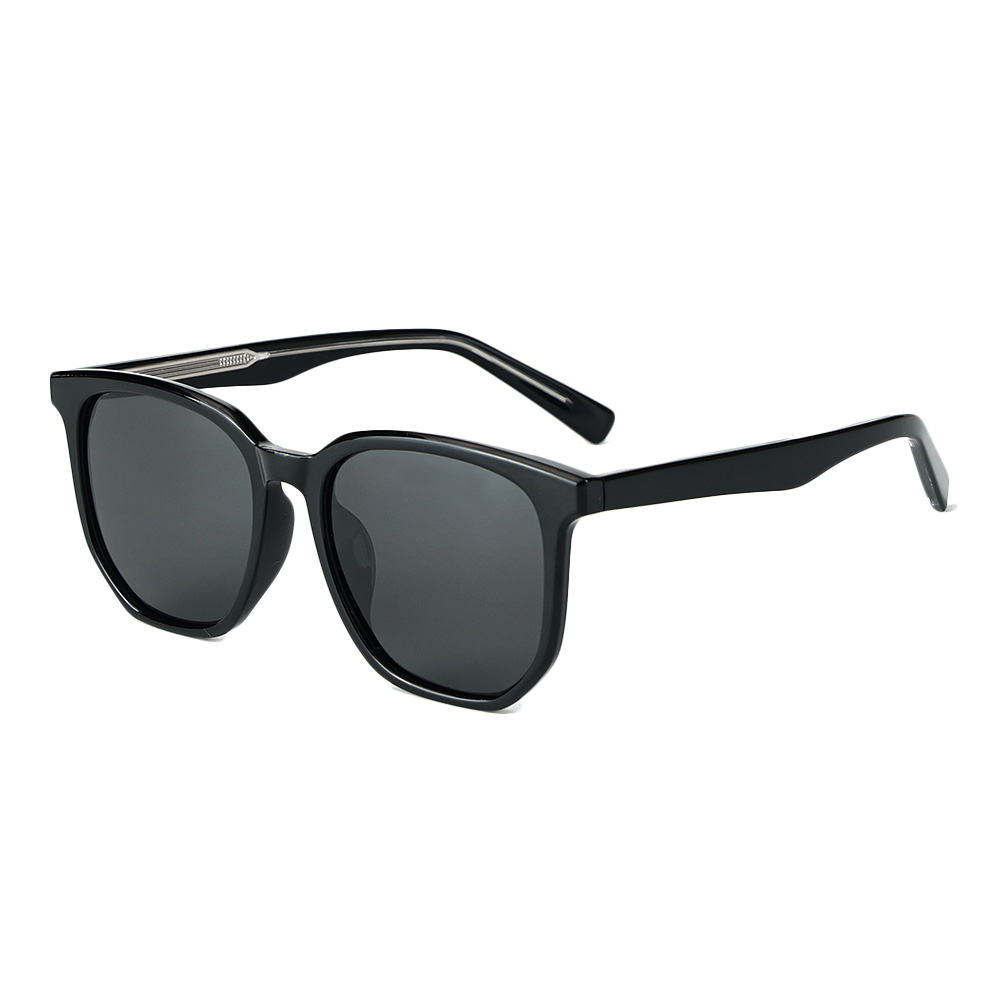

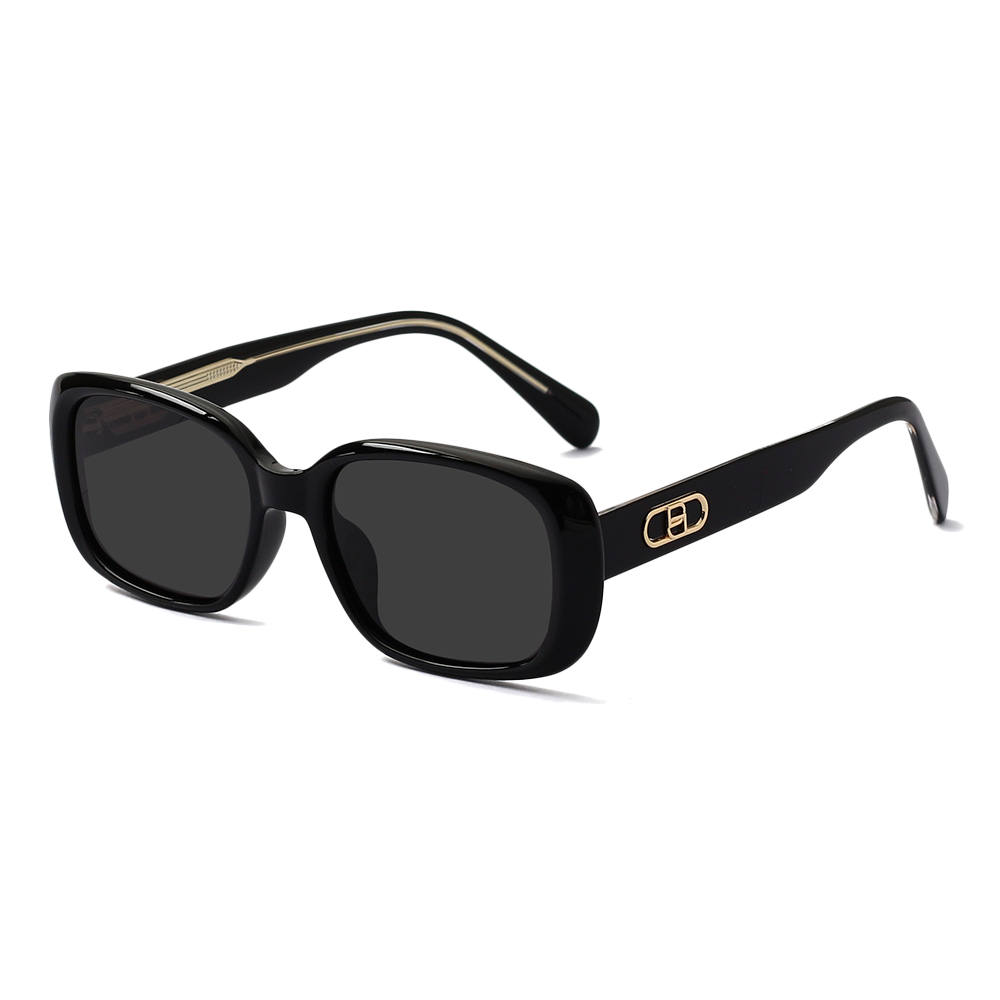
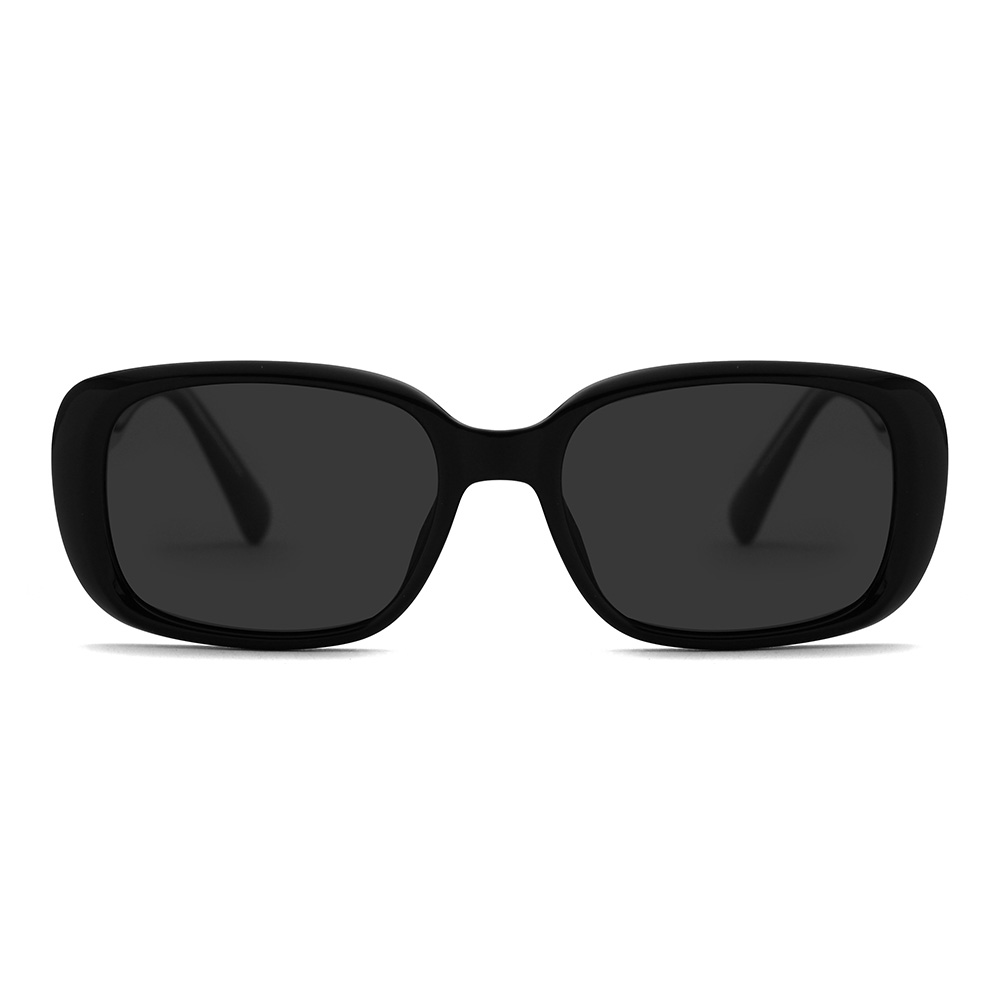
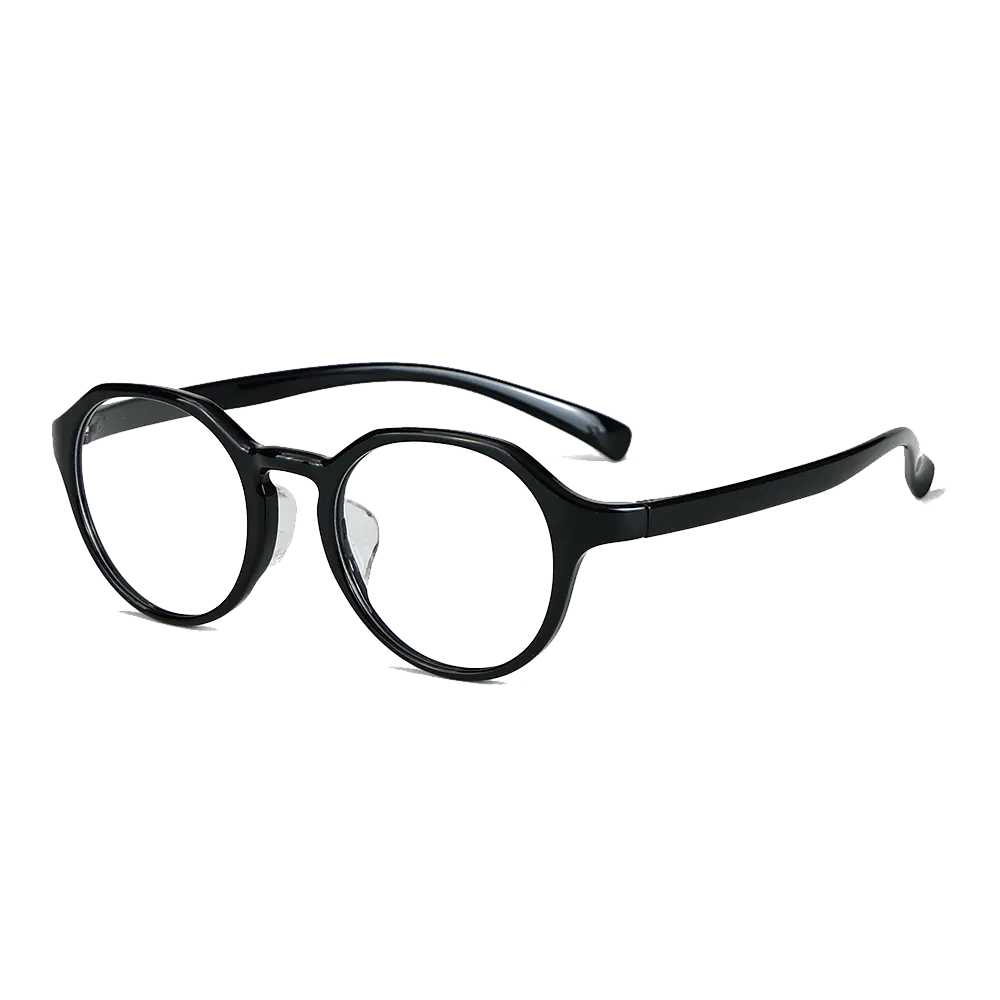


Planning a new sunglasses collection often starts with a simple question: what kind of eyewear will fit the style, needs, and buying habits of the target market? Metal frames paired with polarized l...
Read More
TR90 Folding Sunglasses are designed for outdoor use where comfort and easy storage are both important. The frame uses TR90 material, giving the sunglasses a light feel and enough flexibility for regular opening, closing, and carrying. After folding, the frame becomes smaller and easier to place in a pocket, pouch, handbag, backpack, or car compartment.
The styles in this category include square, round, oval, compact, and sporty shapes. Some designs are matched with polarized lenses to reduce reflected glare from roads, water, glass, and bright outdoor surfaces, helping vision feel clearer in strong sunlight.
China Zhansheng Glasses company pays close attention to practical details such as folding joint control, hinge smoothness, temple balance, lens fitting, bridge comfort, and surface finish. These details help the sunglasses fold neatly, open steadily, and remain comfortable for daily outdoor wear.
Zhejiang Zhansheng Glasses Co., Ltd. was established in Duqiao, Linhai, Taizhou in 2004. After more than two decades of development, it has adhered to the development philosophy of "quality as the foundation and innovation as the core", establishing an industry benchmark in the production of glasses.
Particularly, it has core competitiveness in the manufacturing of metal and TR90, sheet sunglasses, and anti-blue light glasses. The enterprise is equipped with a top-notch R&D team, completing hundreds of original product design iterations annually. It provides one-on-one customized services for its clients. Meanwhile, the factory warehouse reserves millions of ready-made inventory, enabling it to quickly seize market opportunities for customers.
As a professional Polarized Sunglasses for Women and Men manufacturer and OEM/ODM OEM Sunglasses manufacturer in China, The birth of each pair of glasses begins with carefully selected raw materials. In the workshop, every process is infused with dedication - during polishing, a fine touch is pursued, and during assembly, strict fit is required. Multiple processes are strictly controlled, not neglecting any detail, only to incorporate quality into the curvature and make comfort a part of the wearing experience, creating a good, warm pair of glasses.
Planning a new sunglasses collection often starts with a simple question: what kind of eyewear will fit the style, needs, and buying habits of the target market? Metal frames paired with polarized l...
Read MoreBright outdoor light can look very different depending on where it comes from. Direct sunlight is only part of the problem. Reflections from roads, water, glass, vehicles, and other smooth surfaces ...
Read MoreSunglasses are not only a visual accessory. Their lenses also sit between the eyes and outdoor light, making lens protection relevant whenever the eyes are exposed to sunlight. Ultraviolet radiation c...
Read MoreLens size can change the way a pair of sunglasses sits within an overall face shape. With a square frame and an upward cat eye angle, even a small adjustment in lens proportion can affect the visual w...
Read MoreTR90 polarized sunglasses with Acetate temples bring together three important elements: a TR90 front frame, Acetate temples, and polarized lenses. The TR90 front provides the main frame structure and supports lightweight product development. Acetate temples add color, texture, and visual detail to the side profile. Polarized lenses are used to reduce reflected glare commonly seen on roads, water, wet ground, and other bright surfaces.
At Zhansheng company,TR90 Polarized Sunglasses with Acetate Temple is an established direction within the company’s sunglasses range. Product development in this category involves more than combining three materials. Frame geometry, lens dimensions, temple shape, lens color, surface treatment, hinge positioning, decorative details, and wearing balance all need to be considered.
TR90 Polarized Sunglasses with Acetate Temple are sunglasses constructed with a TR90 front frame, Acetate temple parts, and polarized lenses. Depending on the market and product description, they may also be called TR90 Acetate Temple Polarized Sunglasses, TR90 Polarized Eyewear with Acetate Temples, or TR90 Frame with Acetate Temple Sunglasses.
The product structure can be divided into three functional parts:
| Component | Main Role | Development Focus | Procurement Checkpoint |
| TR90 Frame | Forms the main front-frame structure | Frame profile, rim construction, bridge geometry, lens fitting | Dimensions, symmetry, lens installation |
| Acetate Temple | Adds side-view styling and contributes to frame balance | Color, pattern, thickness, curvature, edge treatment | Polishing, color consistency, hinge connection |
| Polarized Lens | Reduces certain reflected glare | Lens material, tint, curve, polarization, UV requirement | TAC or Nylon selection, polarized function, UV specification |
In this construction, TR90 provides a practical base for developing lightweight frames in different shapes. Its molding characteristics allow the front frame to be adjusted around lens dimensions, bridge proportions, rim thickness, and the intended wearing profile.
Acetate is used at the temples for both appearance and structure. Compared with a uniform molded temple, Acetate can offer greater color depth, layered patterns, transparency, and a polished surface. These characteristics give designers more options when developing the side view of the eyewear.
The polarized lenses provide a separate optical function. Their main purpose is to reduce certain glare reflected from horizontal surfaces, which may improve visual comfort in bright outdoor conditions.
ZhanSheng Optical’s product information indicates that this category may be developed with TAC polarized lenses or Nylon polarized lenses. UV400 protection may also be available according to the selected configuration. However, lens material, polarization, UV performance, color, curve, coating, and other technical details should be confirmed through the specification sheet and approved sample for each project.
This product category combines three elements with different responsibilities. TR90 supports the front structure, Acetate shapes the side-view design, and polarized lenses provide glare-reduction performance. The value lies in how these elements are coordinated rather than in any one material used on its own.
TR90 is mainly used for the front frame because it is suitable for lightweight molded structures and can be developed in a broad range of geometric forms.
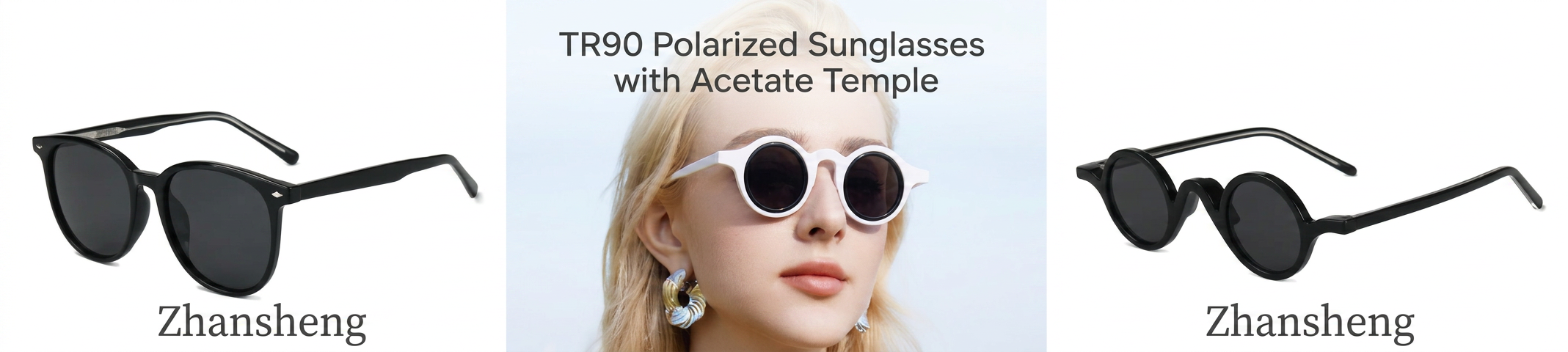
Acetate is used for the temples where color, pattern, transparency, and polished texture can be seen more clearly. Depending on the selected sheet material and processing method, Acetate temples may feature dark solid colors, translucent tones, layered patterns, gradients, or tortoise-inspired effects.
This combination can support:
For instance, a black TR90 front can be matched with brown tortoise-style Acetate temples for a traditional look. The same front frame paired with transparent temples can create a lighter, more contemporary direction.
The use of two materials should not automatically be presented as proof that the sunglasses are lighter, stronger, or higher in grade. Actual product performance depends on material specifications, component dimensions, lens size, hinge construction, temple thickness, assembly control, and weight distribution.
TR90 is frequently chosen for lightweight eyewear because it can support flexible frame development across many design categories. Square, Round, Oval, Cat-Eye, Geometric, Outdoor, Casual, and Travel styles can all be considered, provided that the frame structure matches the intended lenses and temples.
The weight of the TR90 front is only one part of overall comfort. A complete wearing assessment should also include:
Large polarized lenses may add more weight to the front. Wider or thicker Acetate temples can strengthen the visual profile, but they may also change the pressure and support around the ears.
For this reason, sample approval should include front-view, side-view, and actual wearing checks. A frame can appear well proportioned when placed on a table but sit differently once the lenses are installed and the temples are opened. Bridge contact, lens height, temple angle, and overall balance should all be reviewed on the finished sample.
One of the main reasons for using Acetate temples is their visual depth. The material can produce colors and patterns that are difficult to achieve with a simple single-color molded temple.
Depending on material selection and finishing, Acetate temples may present:
For TR90 Acetate temple polarized sunglasses, temple color should be evaluated with the TR90 front and polarized lens color. These three areas form one visual composition.
A black TR90 front with tortoise-pattern temples may suit a Retro or classic collection. Semi-transparent temples can give the product a lighter Fashion character. Darker temples may support a more grounded Outdoor or Travel appearance.
Acetate patterns can vary according to the sheet, cutting location, and production batch. Physical samples are therefore more reliable than digital renderings when reviewing exact color distribution and pattern placement. Where close left-right visual consistency is required, that expectation should be included in the development specification.
Polarized lenses are used to reduce particular forms of reflected glare. Roads, water, wet pavement, vehicle surfaces, windows, and other horizontal or reflective areas can produce strong light that affects visual comfort.
Common product directions for polarized lenses include:
Polarization and UV protection should be treated as separate lens properties. Polarization relates to the reduction of reflected glare. UV protection describes the lens’s ability to filter ultraviolet radiation.
A polarized lens may also be configured with UV protection, but the required level should be verified from the actual lens specification. The word “polarized” alone does not confirm UV400 performance.
Lens darkness is not a reliable indicator of UV protection either. A dark or mirrored appearance describes visual style and tint, not necessarily the lens’s ultraviolet-filtering performance.
A TR90 front frame offers a clean structural base, while Acetate temples introduce color, pattern, thickness, and polished detail to the side profile. This mixed-material approach creates several styling possibilities without requiring the complete frame to use the same material.
Possible directions include:
Certain models may include metal ornaments, logos, or additional decorative parts. These features are model-dependent and should not be described as standard across the entire category. The confirmed drawing, sample, bill of materials, and production specification should remain the reference.
TR90 molding, Acetate temple preparation, lens fitting, hinge assembly, surface finishing, and final inspection must be coordinated around the same approved specification.
The rim establishes the lens outline and holds the lens within the front frame. It also influences the appearance and structural condition of the finished sunglasses.
Key points include:
If rim dimensions are inconsistent, lens assembly may become difficult or uneven. The finished frame may show different lens positions, visible gaps, excessive tension, or changes in front-frame symmetry.
Rim condition should be checked before and after lens installation. The fitting process can place pressure on the frame, so final geometry should always be assessed with the lenses installed.
The bridge affects lens spacing, frame height, nose contact, and the position of the sunglasses on the face.
Important measurements and details include:
A bridge that is too high, low, narrow, or wide may cause the sunglasses to sit differently from the intended wearing position. It can also influence lens height and temple angle.
For TR90 polarized sunglasses, bridge geometry should be reviewed together with frame width, lens depth, nose-area construction, and temple position. These dimensions function as a connected fit system.
Acetate temples contribute to both appearance and support. Their dimensions influence the side profile, hinge movement, ear contact, and overall distribution of weight.
Development points include:
Wider Acetate temples can create a stronger side profile and provide more space for color or decoration. Slimmer temples may suit a cleaner or lighter visual direction.
The choice should be based on the complete product. Frame dimensions, lens weight, hinge design, target styling, and wearing balance all influence the appropriate temple structure.
Acetate temple production involves dimensional shaping as well as surface and appearance control.
Areas that require attention include:
A high-gloss finish can emphasize the depth and layering of the Acetate material. A softer or matte-style finish may be used for Casual, Minimal, or understated collections.
There is no universal finish for all designs. Surface treatment should follow the approved sample and agreed material specification. Patterned Acetate may naturally vary from one component to another, so acceptable variation should be discussed during sample development.
The Acetate temples must be connected to the TR90 front through a suitable hinge and assembly structure. Unless a specific hinge has been confirmed, one solution should not be assumed for every model.
Factory inspection should focus on:
This area influences how the temples open, how the sunglasses sit when worn, and how cleanly the two materials meet.
Poor alignment may result in different temple angles, uneven gaps, or a frame that does not sit level. The hinge area should therefore be inspected for both movement and appearance.
Polarized lenses should match the rim geometry and should not cause unwanted changes in the front-frame shape.
Inspection points include:
TAC and Nylon polarized lenses may differ in thickness, rigidity, curvature, and processing requirements. A lens selected for one frame design may not be appropriate for another without further evaluation.
Lens orientation and polarization should also be checked according to the confirmed technical requirements. The final lens choice should be approved together with the frame rather than as an independent component.
TR90 fronts and Acetate temples can be combined with different surface treatments to create distinct product appearances.
Common directions include:
The appearance of each finish depends on the selected material, color, structure, and processing method. Digital images may not fully represent gloss, transparency, depth, or color variation.
Procurement teams should review physical samples under consistent lighting. The assembled frame should be checked as a whole so that the relationship among the front color, temple pattern, polarized lens tint, and decorative details can be evaluated.
Before approving a TR90 Frame with Acetate Temple Sunglasses sample, the review should include the following areas:
| Inspection Area | Key Checkpoints |
| Frame symmetry | Left-right consistency, front profile, rim alignment |
| Lens installation | Lens fit, placement, curve, and rim matching |
| Temple structure | Length, thickness, curvature, and opening condition |
| Hinge connection | Position, movement, stability, and left-right consistency |
| Acetate appearance | Color, texture, surface finish, and polishing |
| Wearing balance | Front weight, bridge position, side support, and temple fit |
A reliable inspection should consider the complete assembled product. TR90 front-frame weight, Acetate temple weight, polarized lens dimensions, hinges, and decorative parts all contribute to the final wearing condition.
The following comparison provides a general industry reference. It does not indicate that every listed material is used in all products manufactured by Zhejiang ZhanSheng Optical Co., Ltd. Material availability and suitability should be confirmed for each model and project.
| Frame Material | Main Features | Common Designs | Suitable Direction |
| TR90 | Lightweight, flexible, and suitable for varied structures | Square, Round, Sports, Fashion | Daily, Outdoor, Lightweight |
| Metal | Slim construction and well-defined lines | Aviator, Round, Geometric | Fashion, Classic |
| PC | Lightweight and suitable for molded frames | Oversized, Fashion | Fashion, Lightweight |
| Nylon | Lightweight with a certain degree of flexibility | Outdoor, Functional | Outdoor, functional eyewear |
| Acetate | Rich color, texture, and surface depth | Fashion, Retro, Premium Style | Design-focused products |
| Titanium / Half Titanium | Lightweight metal construction | Thin Frame, Minimal | Lightweight metal eyewear |
| TR90 + Acetate | Mixed-material structure combining lightness and visual detail | Fashion, Square, Oval, Cat-Eye | Lightweight products with distinctive styling |
Material choice should be made in relation to the whole frame. Lens size, frame geometry, temple design, hinge construction, bridge support, finishing method, total weight, and wearing balance must all be considered.
Material names can describe general characteristics, but they do not independently determine product comfort, strength, fit, or manufacturing quality.
The main differences between TR90 + Acetate sunglasses and standard TR90 polarized sunglasses are found in the temple material, side appearance, and visual contrast between components.
| Comparison Item | TR90 Polarized Sunglasses with Acetate Temple | Standard TR90 Polarized Sunglasses |
| Front Frame | TR90 | TR90 |
| Temples | Acetate, according to the product design | Usually determined by the specific frame structure |
| Lens | Polarized Lens | Polarized Lens |
| Material Combination | TR90 + Acetate | Mainly TR90 construction |
| Visual Effect | Highlights the relationship between the front and temple materials | Creates a more unified frame appearance |
| Color Expression | Acetate allows richer color, pattern, and texture | Primarily depends on TR90 color and surface treatment |
| Weight | Determined by frame, temples, lenses, and other parts | Determined by the actual product specification |
| Development Focus | Front frame, Acetate temples, polarized lenses, and balance | TR90 structure, lenses, temples, and assembly |
| Design Direction | Fashion, Retro, Minimal, Geometric | Lightweight, Outdoor, Casual |
| Sample Review | Front, temples, hinges, lenses, color, and assembly | Frame, lenses, temples, symmetry, and assembly |
A mixed TR90 and Acetate structure is not automatically lighter, stronger, or more advanced than a standard TR90 frame. Performance should be evaluated through the material specifications, component dimensions, hinge design, lens size, assembly condition, and applicable product requirements.
Polarized lenses are a defining element of this product category. The lens choice affects glare reduction, frame compatibility, visual appearance, product positioning, and target price.
Zhejiang ZhanSheng Optical’s product information refers to TAC and Nylon polarized lenses as available development directions. These options should not be interpreted as one universal specification for all models.
| Lens Material | General Development Reference | Evaluation Points |
| TAC Polarized Lens | Commonly selected for polarized sunglasses | Tint, thickness, curvature, polarization, and UV details |
| Nylon Polarized Lens | Suitable for selected design and structural requirements | Material properties, optical clarity, curve, and frame matching |
The lens option should be chosen according to:
Physical sample confirmation is particularly important for larger lenses, deeper curves, and frames with more complex geometry.
Lens color influences both product appearance and market direction.
| Lens Color Direction | Visual Effect | Possible Product Direction |
| Grey | Neutral and understated | Driving, commuting, travel |
| Brown | Warm and traditional | Outdoor, Retro, Casual |
| Green | Balanced and classic | Daily, Fashion, Travel |
| Gradient | Smooth change from dark to light | Fashion, urban use |
| Mirror | More noticeable and expressive | Outdoor, sport-influenced styles |
The polarized lens color should be selected together with the TR90 front and Acetate temples. A visually active temple pattern may pair well with a more neutral lens. Simpler temples can provide room for gradient, mirror, or stronger lens colors.
The complete assembled sample gives a more accurate impression than separate lens and material swatches.
For overseas procurement teams and eyewear developers, selection should begin with product positioning. The target customer, price range, sales channel, styling direction, and expected use should be defined before detailed material and structural choices are finalized.
| Checklist Item | What to Confirm | Why It Matters |
| Frame Shape | Square, Round, Oval, Cat-Eye, Geometric, Oversized | Establishes style and basic lens proportions |
| TR90 Frame | Frame width, bridge, rim structure, and symmetry | Influences lens fitting, structure, and wearing position |
| Acetate Temple | Color, texture, length, thickness, and curvature | Affects side-view styling and weight distribution |
| Lens Material | TAC polarized lens or Nylon polarized lens | Influences lens design, curve, and frame compatibility |
| Lens Color | Grey, brown, green, gradient, mirror, or other colors | Shapes the appearance and use direction |
| Polarized Function | Confirmed reflected-glare reduction | Relevant to driving, travel, and outdoor products |
| UV Specification | Verify through the actual lens data | UV protection is separate from polarization |
| Hinge Structure | Location, opening angle, movement, and consistency | Affects temple operation and frame alignment |
| Surface Finish | Matte, glossy, transparent, patterned, or polished | Determines the final visual and tactile result |
| Sample Review | Fit, symmetry, balance, assembly, and lens position | Confirms the actual product before production |
The complete structure should be reviewed as one product. A light TR90 front combined with thick Acetate temples and large polarized lenses may produce a different weight distribution than expected from drawings alone.
TR90 is often used because it supports lightweight, flexible, and molded frame structures. It can be developed in Square, Round, Oval, Cat-Eye, Geometric, and other shapes.
Comfort, however, cannot be determined by the front-frame material alone. Lens dimensions, Acetate temple weight, hinge position, bridge geometry, and the complete frame balance also need to be assessed. A finished sample should be reviewed before production approval.
Acetate temples add color depth, patterns, transparency, texture, and polished detail to the side profile. Pairing them with a TR90 front allows the product to combine a lightweight structural direction with more expressive styling.
This approach can suit Fashion, Retro, Minimal, Travel, and design-led collections. Temple length, thickness, curvature, hinge fitting, and total weight should still be evaluated with the assembled frame.
TR90 is commonly associated with lightweight, flexible, molded frame construction. Acetate is known for layered colors, patterns, transparency, and polished surface quality.
They are not necessarily competing choices. In TR90 Acetate Temple Polarized Sunglasses, TR90 may form the front structure while Acetate is used for the temples. This allows each material to perform a different role within the same product.
They can be developed for travel when the frame is properly balanced, the lens size is appropriate, and the selected polarized lens meets the product requirements.
Polarized lenses may reduce glare from reflective surfaces encountered during travel. Buyers should confirm total weight, temple fit, lens color, polarization, UV specification, and storage needs before approving a travel-focused model.
TR90 polarized sunglasses can suit daily commuting because TR90 supports lightweight frame design and polarized lenses can reduce certain reflected glare from roads and bright surfaces.
For daily wear, lens size, bridge height, Acetate temple dimensions, nose contact, hinge position, and overall balance should be considered alongside the material names.
Polarized lenses are commonly considered for driving products because they can reduce glare from roads, wet surfaces, and other reflective areas.
Lens tint, light transmission, polarized performance, UV requirements, and applicable local driving regulations should be confirmed from the actual lens data. Polarization does not automatically verify UV protection or suitability for every driving condition.
TR90 polarized sunglasses with Acetate temples can be developed in Square, Round, Oval, Cat-Eye, Geometric, Oversized, Retro, Fashion, Casual, Outdoor, Travel, and Minimalist directions.
Each frame shape influences lens dimensions, bridge construction, temple proportions, hinge position, and weight distribution. The chosen shape should be matched to the intended market and wearing scenario.
Zhejiang ZhanSheng Optical’s product information identifies TAC polarized lenses and Nylon polarized lenses as possible options.
TAC is widely used in polarized sunglasses, while Nylon may be selected for specific lens curves, frame structures, or product requirements. The final option should be confirmed according to lens thickness, color, curvature, UV specification, frame compatibility, and target positioning.
TAC and Nylon polarized lenses differ in their material characteristics and suitable development applications. TAC is commonly used for general polarized sunglasses. Nylon may be considered for selected structures, lens shapes, or curvature requirements.
Actual performance depends on the confirmed specification, including lens material, coating, curve, tint, polarization, UV properties, and assembly condition. The material name alone does not provide a complete performance comparison.
Not necessarily. Polarization and UV protection refer to different lens functions.
Polarization reduces certain reflected glare, while UV protection concerns the filtering of ultraviolet radiation. A polarized lens can also include UV protection, but the specific UV level must be confirmed through technical data, testing requirements, or applicable documentation.
Procurement teams should not assume UV400 performance from the word “polarized.”
Acetate temples may be heavier than some TR90 temple designs, depending on their thickness, length, internal construction, shape, and material specification.
The final wearing balance cannot be determined by temple material alone. Front-frame weight, polarized lens dimensions, hinges, decorative pieces, temple curvature, and total assembly all need to be considered.
Acetate temples affect both styling and weight distribution. They can introduce more visible color, transparency, texture, patterns, and polished detail to a TR90 frame.
Their length, thickness, curvature, and weight also influence how the sunglasses rest on the face. An approved sample should show consistent left-right temple curves, stable hinge movement, appropriate opening angles, and a balanced wearing position.
TR90 Polarized Sunglasses with Acetate Temple provide a mixed-material product direction that combines TR90 frame engineering, Acetate temple styling, and polarized lens functionality.
The TR90 front supports lightweight and flexible frame development across a variety of shapes. Acetate temples create stronger side-view identity through color, transparency, patterns, texture, and polishing. Polarized lenses add glare-reduction functionality for product directions such as driving, outdoor activities, travel, and daily commuting.
For professional sourcing and OEM/ODM development, the product should not be judged by one material name or feature. A complete assessment needs to cover the TR90 front-frame geometry, Acetate temple construction, polarized lens material, lens dimensions, lens tint, bridge structure, hinge connection, surface finish, assembly consistency, and overall wearing balance.
This whole-product evaluation provides a clearer basis for developing TR90 polarized sunglasses, TR90 sunglasses with Acetate temples, and TR90 polarized eyewear with Acetate temples. It also helps buyers and factories communicate more accurately during product positioning, specification confirmation, sample adjustment, quality review, and production preparation.
Combining fine craftsmanship with automation technology, we create glasses that are competitive in the market.
 No. 7-1, Dengtou Industrial Zone, Duqiao Town, Linhai City, Taizhou City, Zhejiang Province
 +86-13666884088
 +86-13666884088
 +86-573-85505155
 [email protected]
Copyright © Zhejiang Zhansheng Glasses Co., Ltd. Rights Reserved.
OEM Sunglasses for Women & Men
