
 Español
 русский
 عربى
عربى
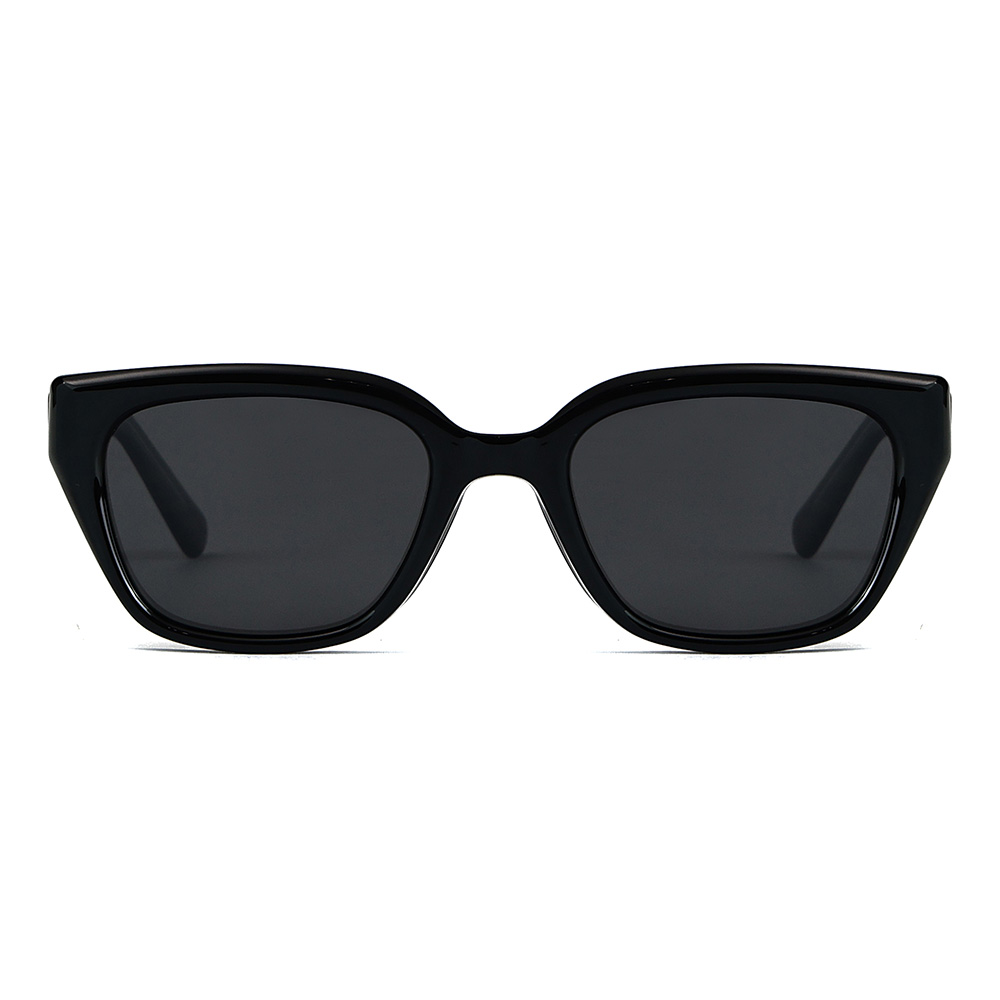


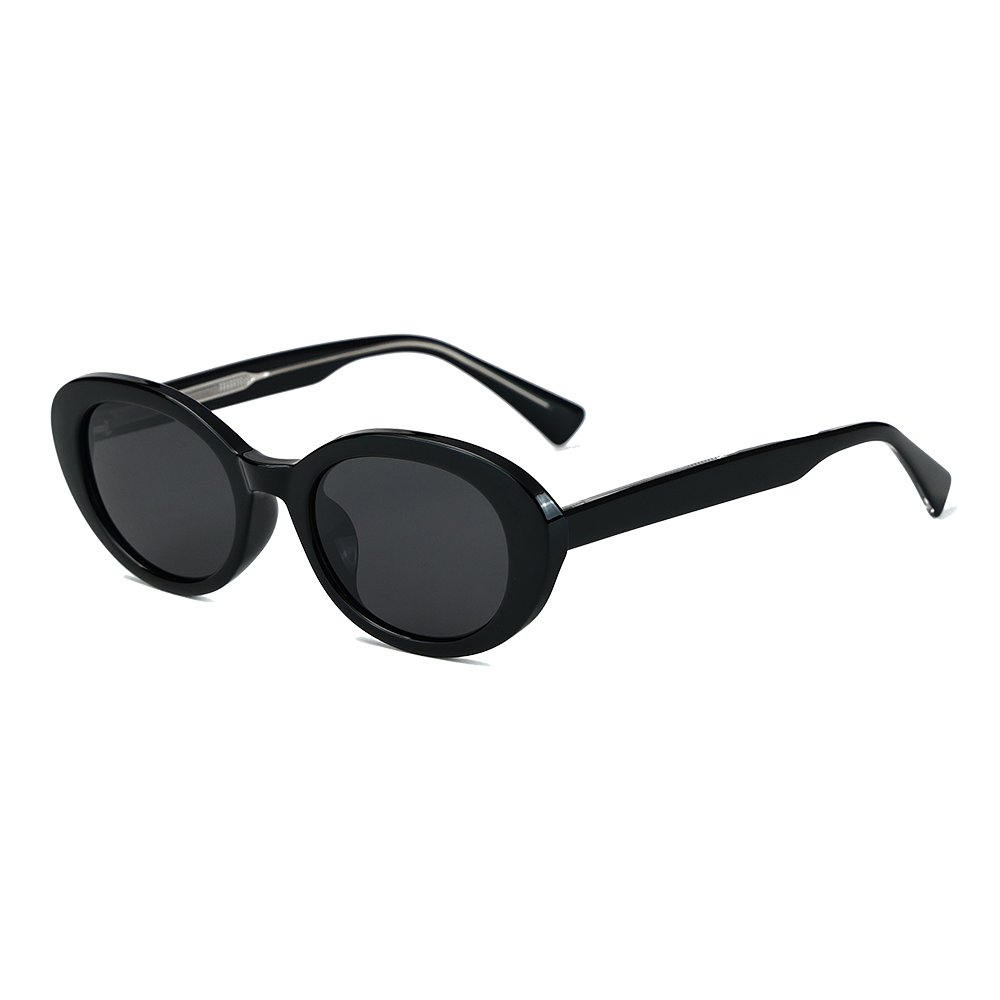

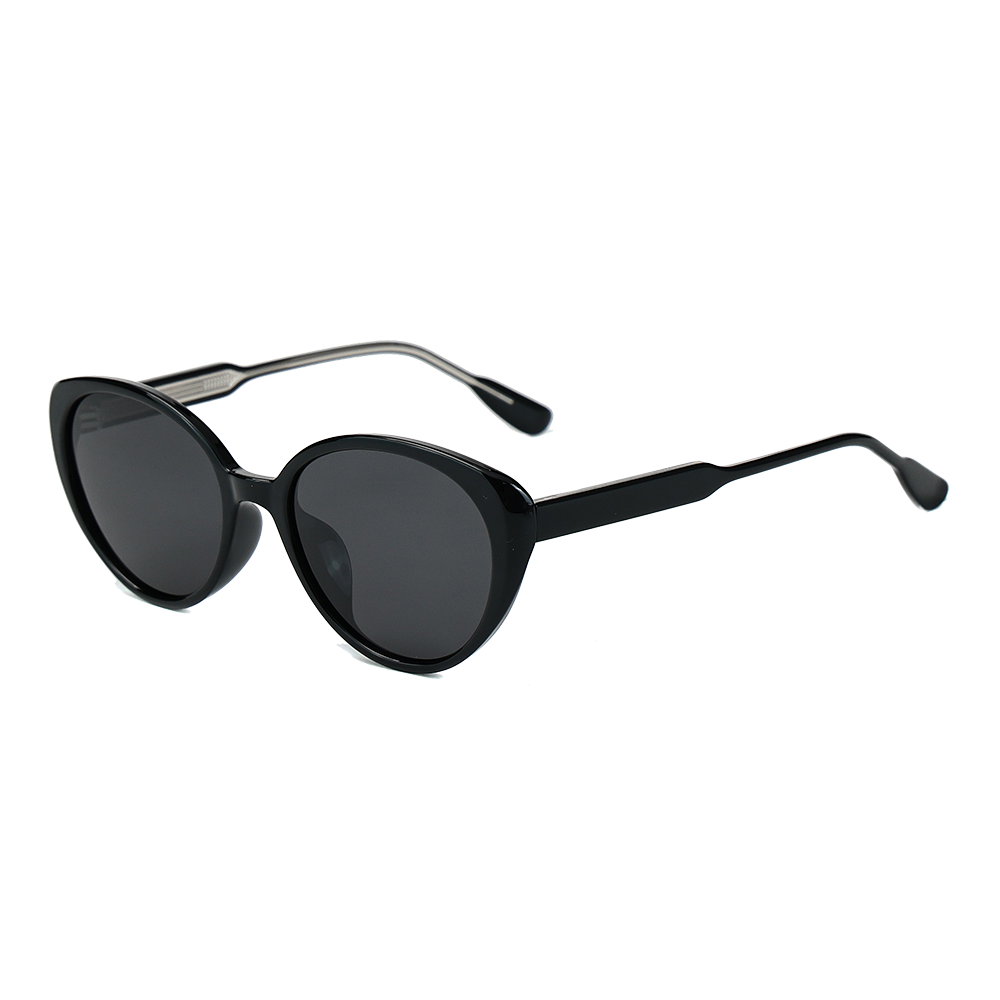
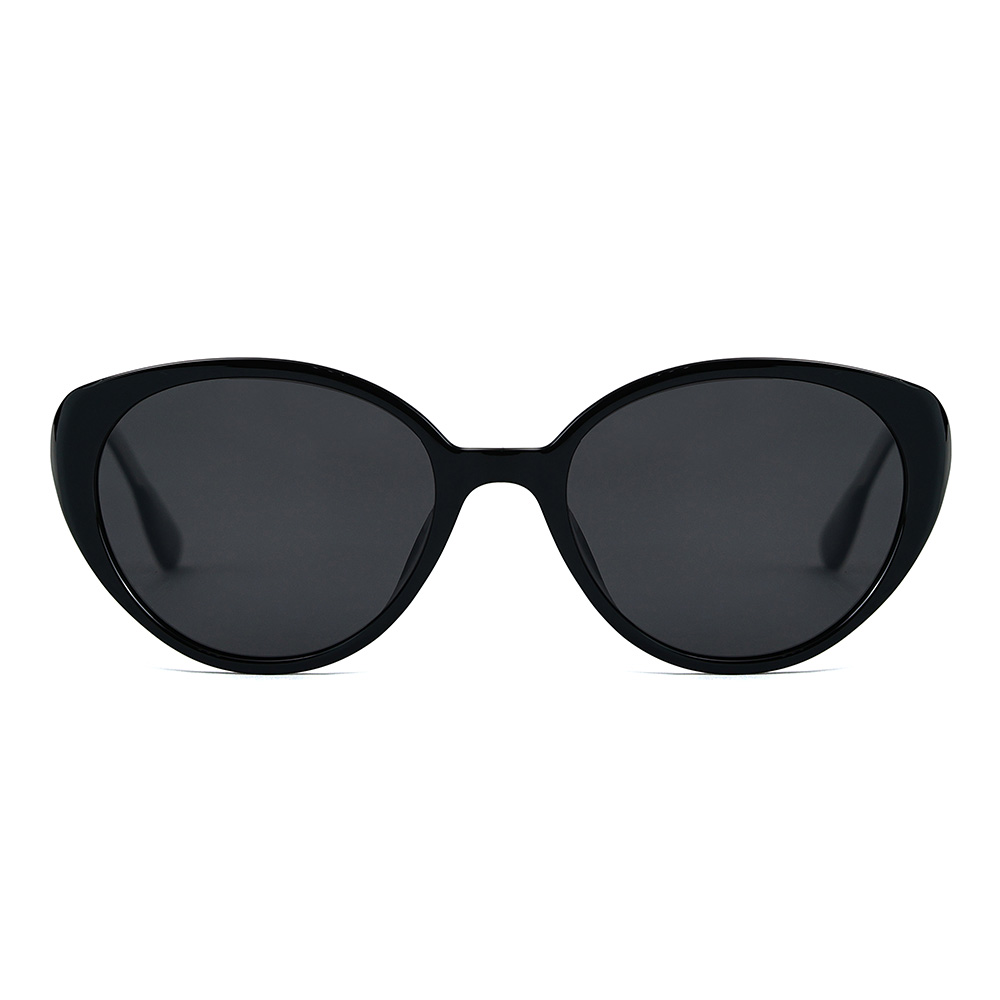
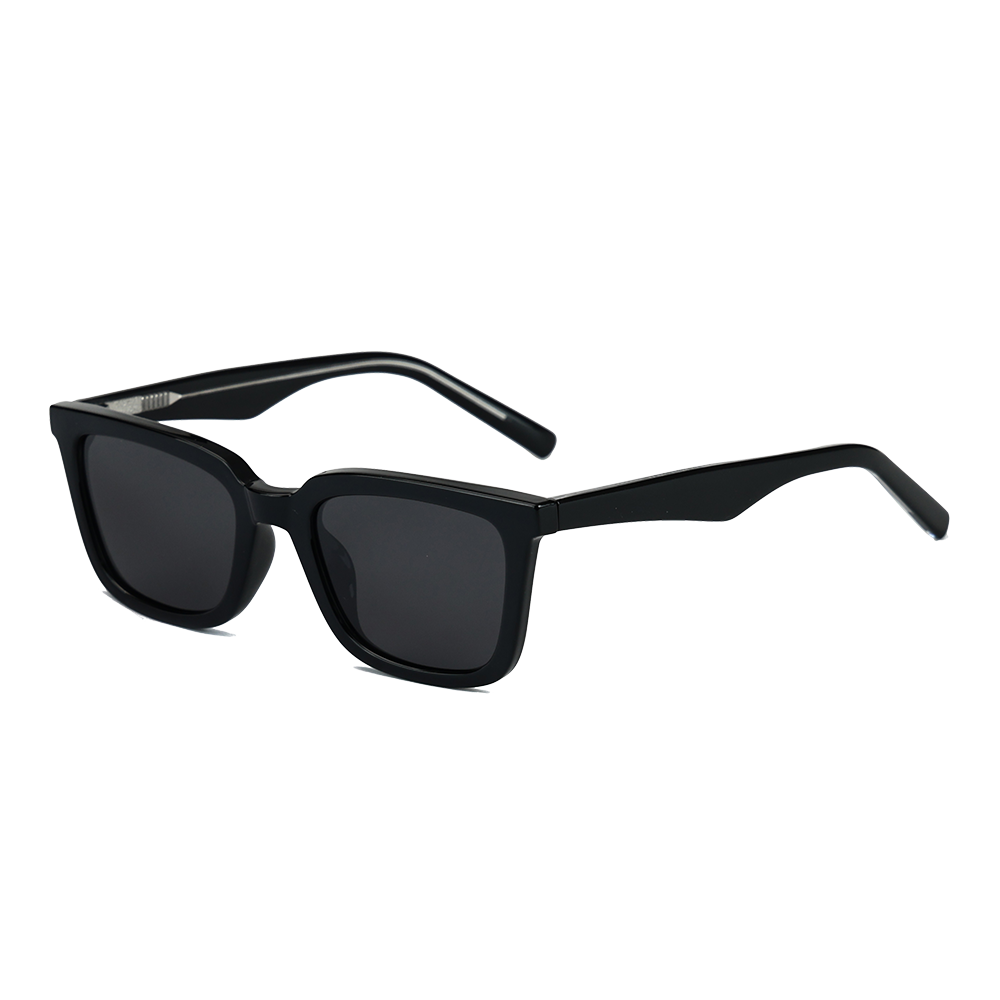

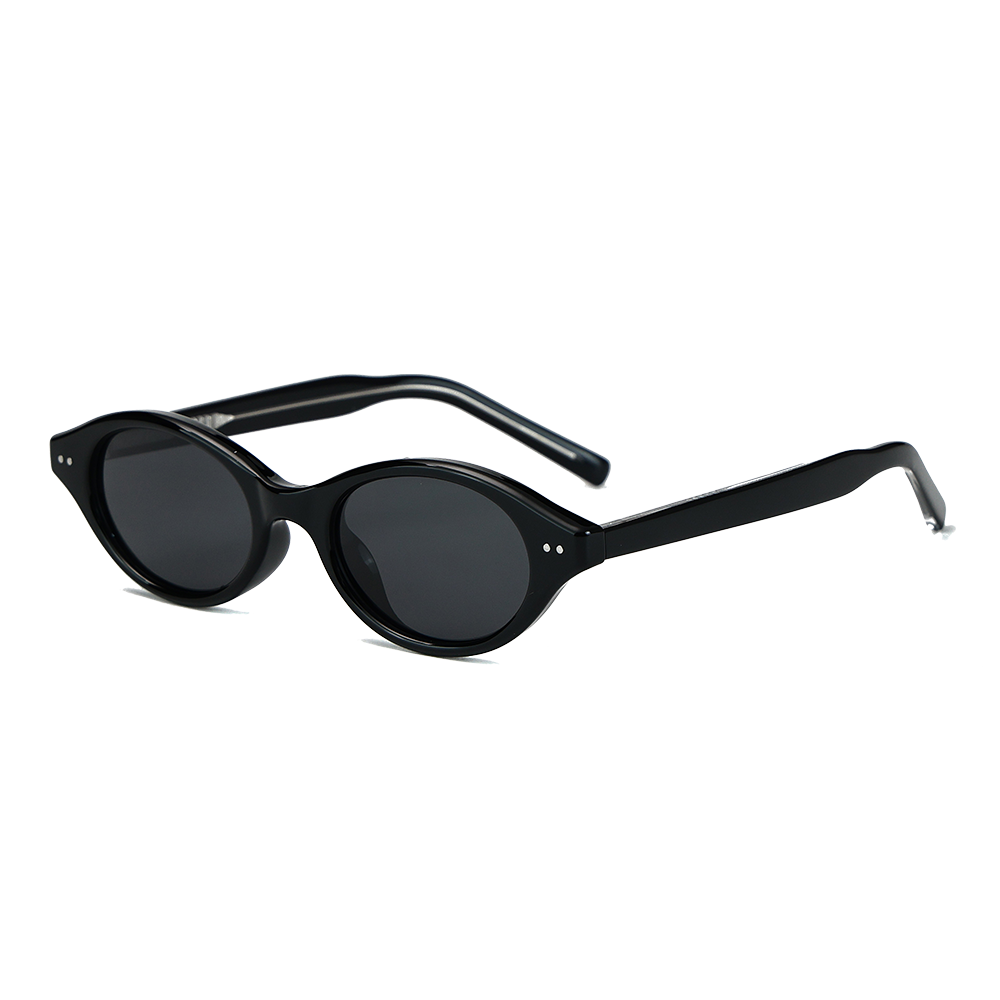

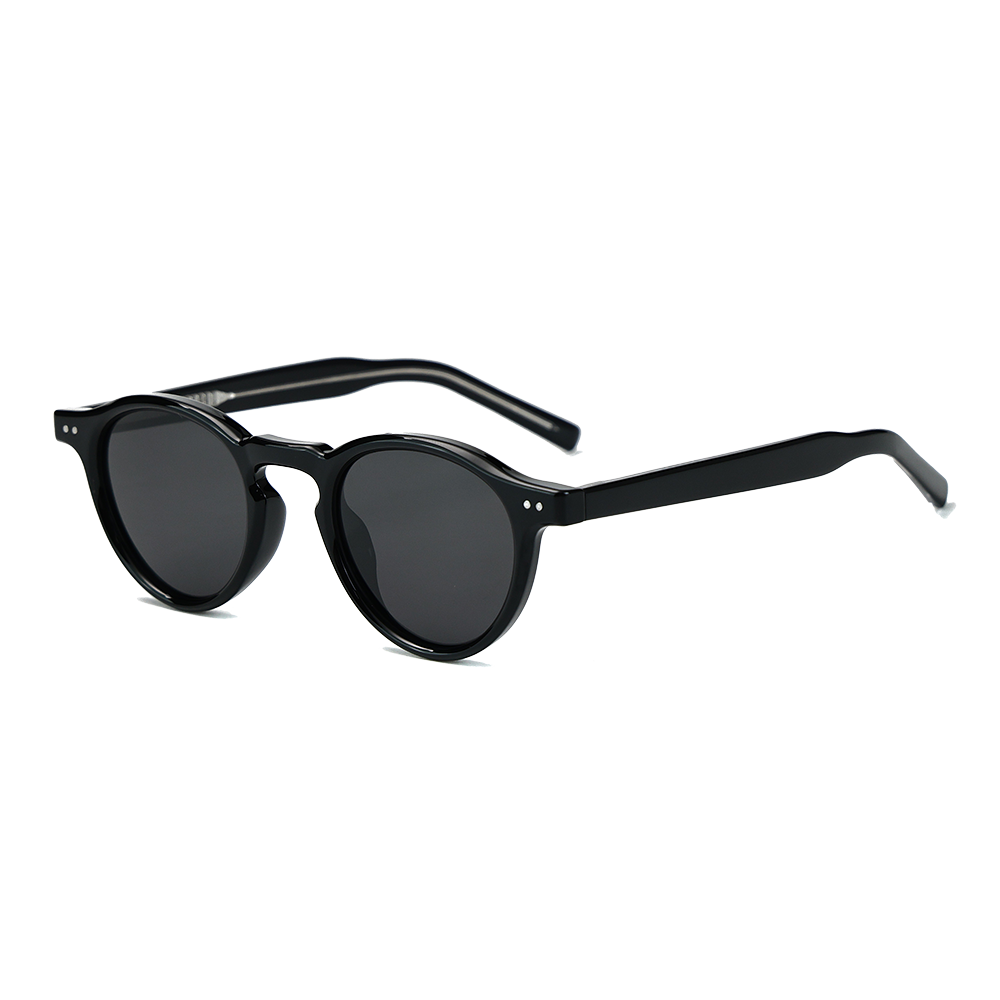

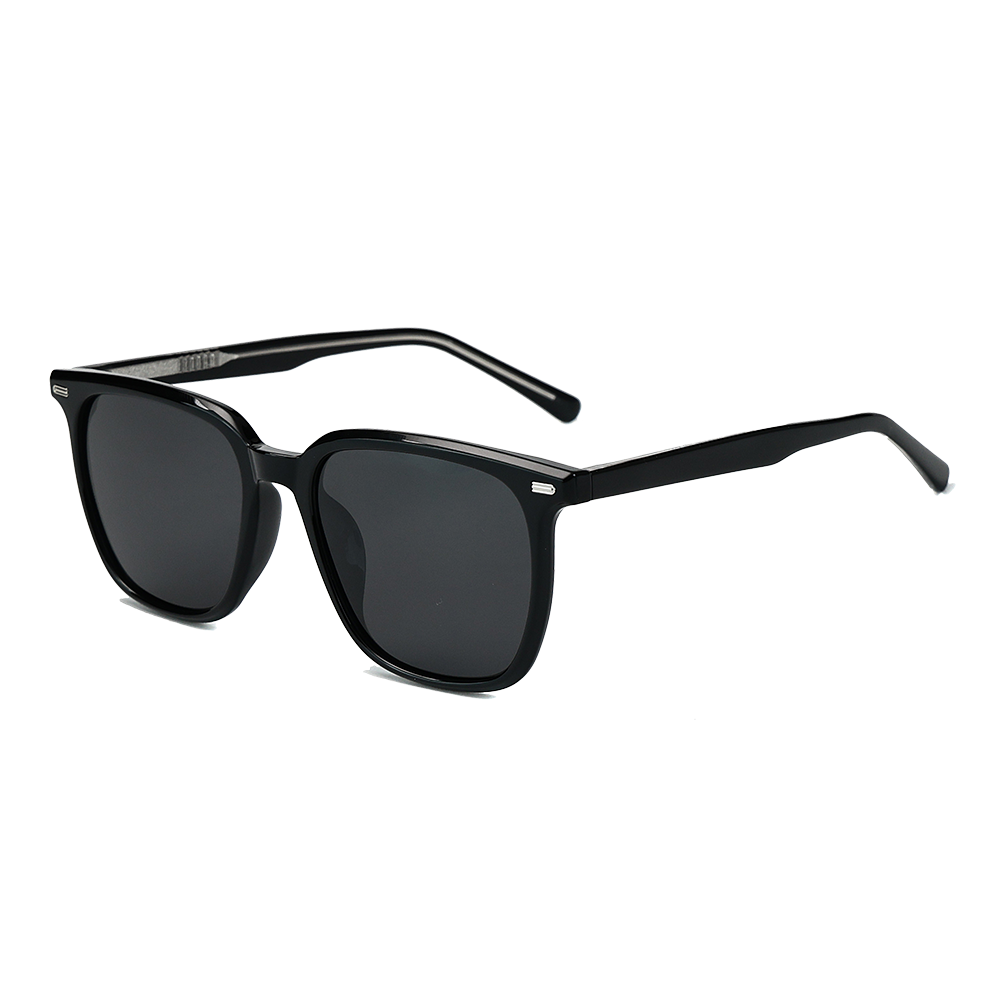
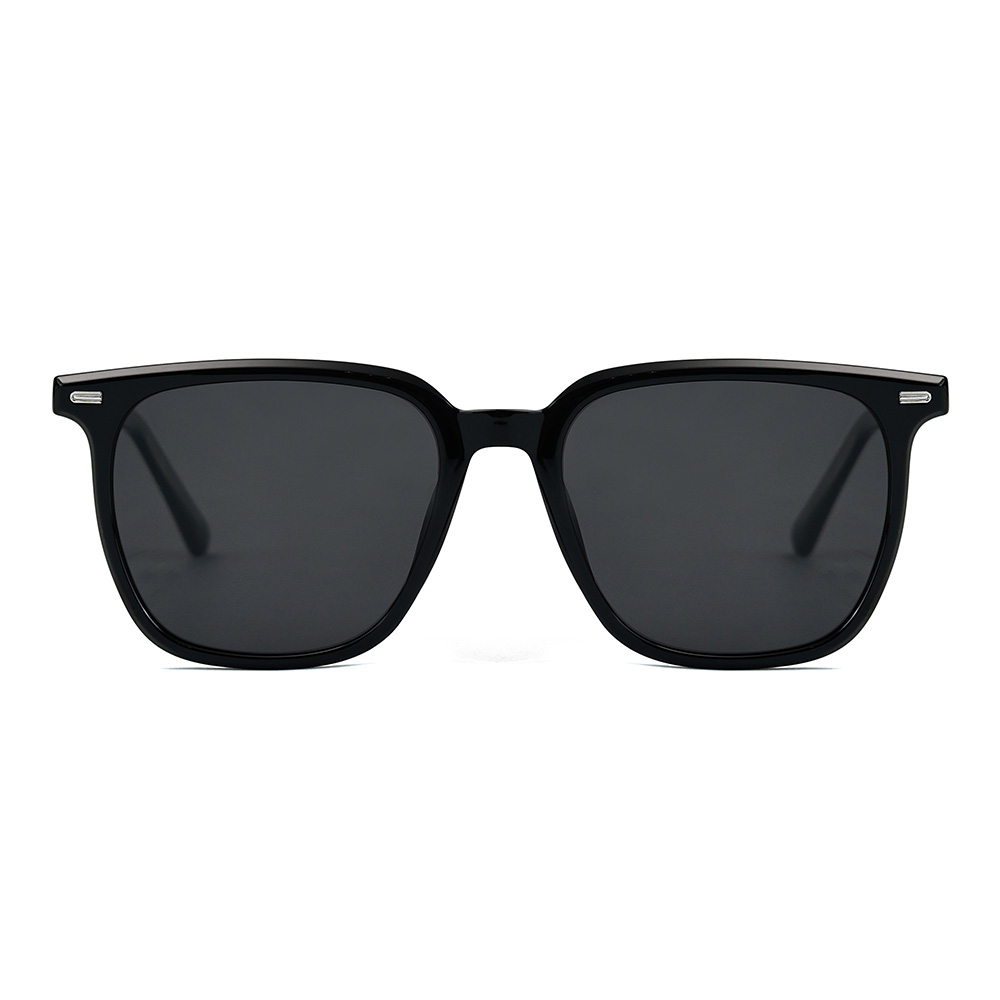
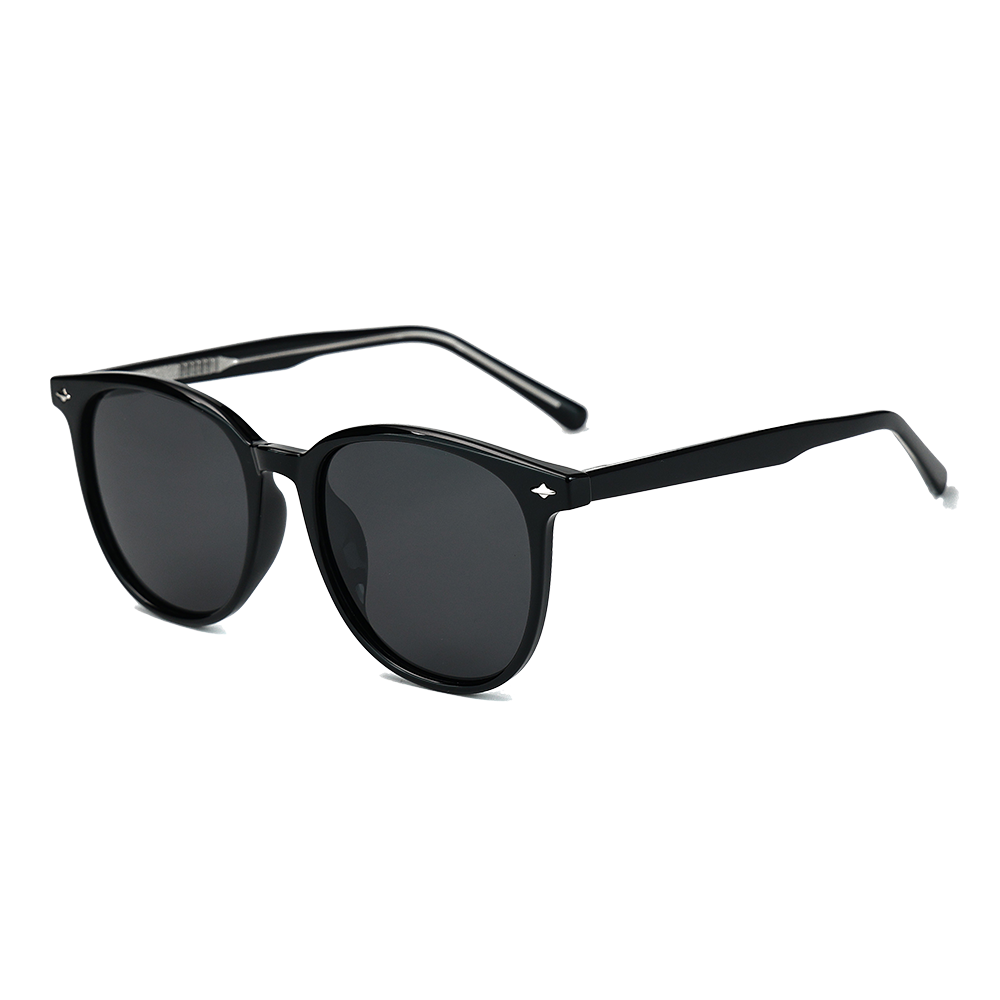
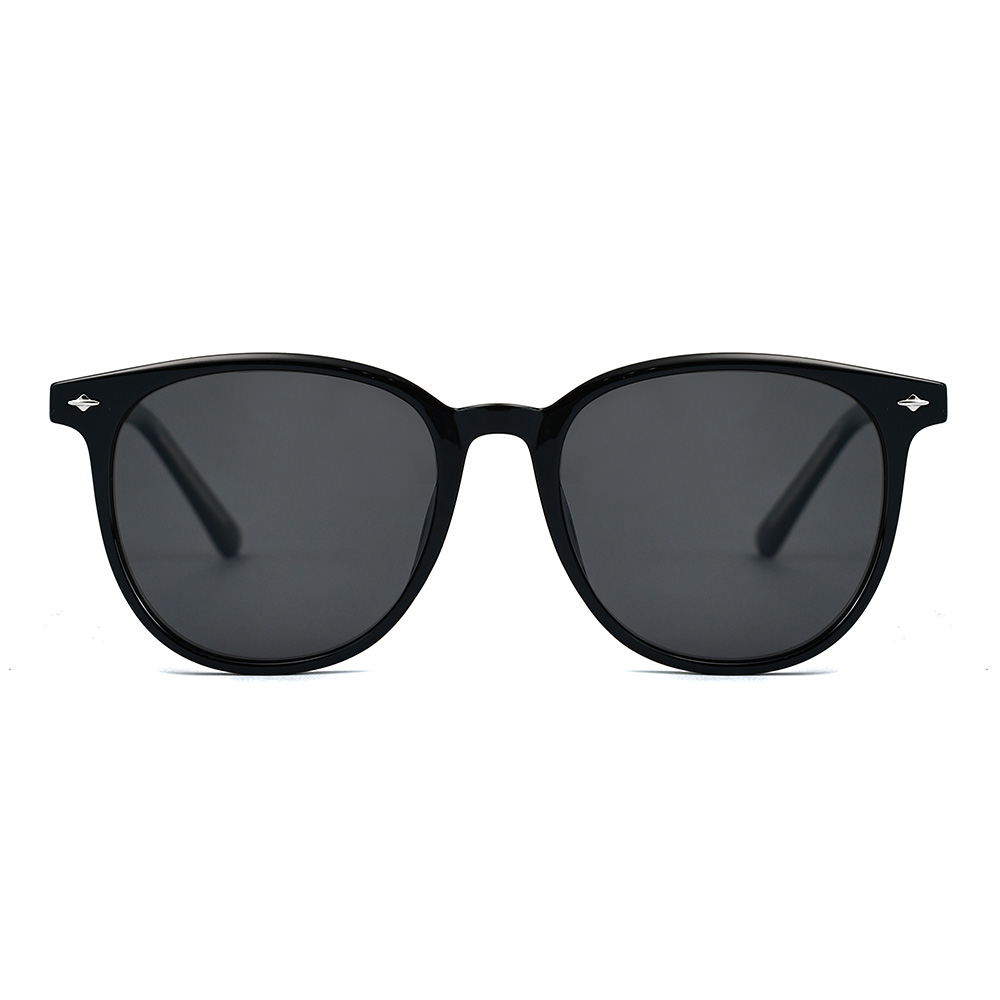
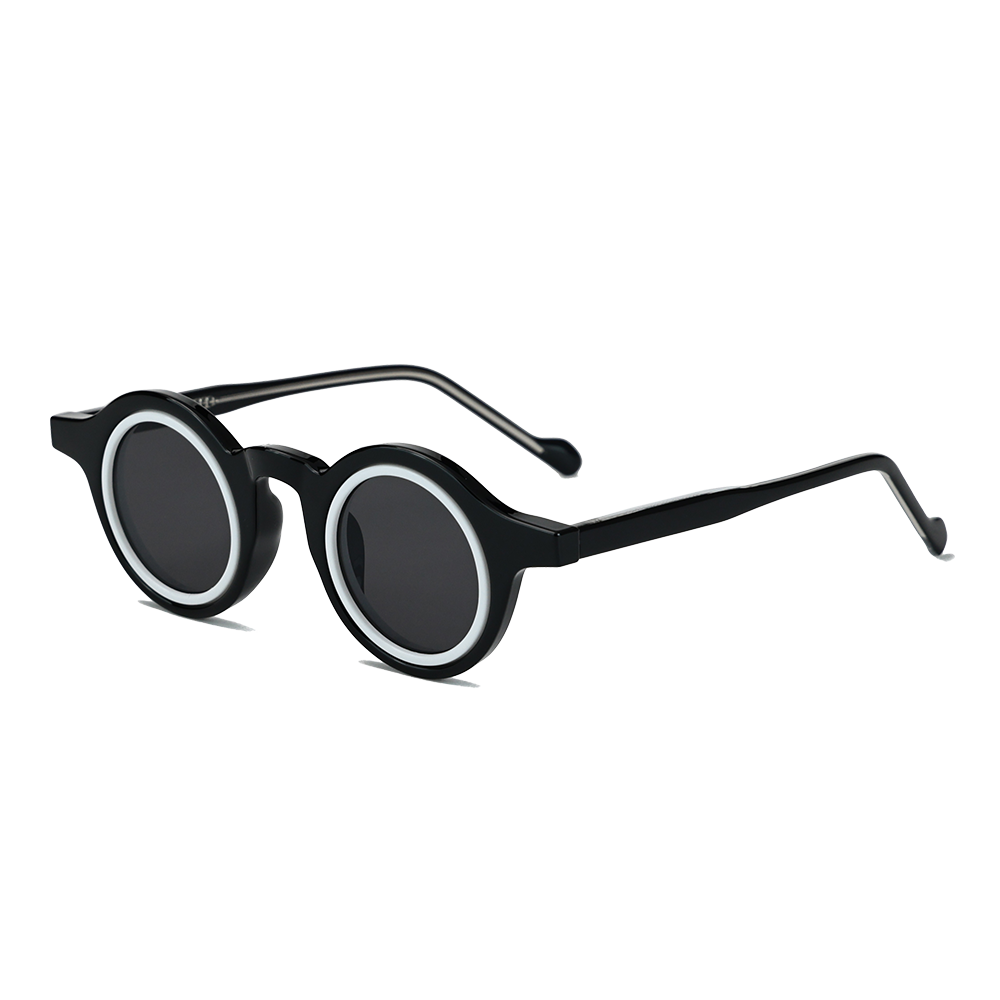

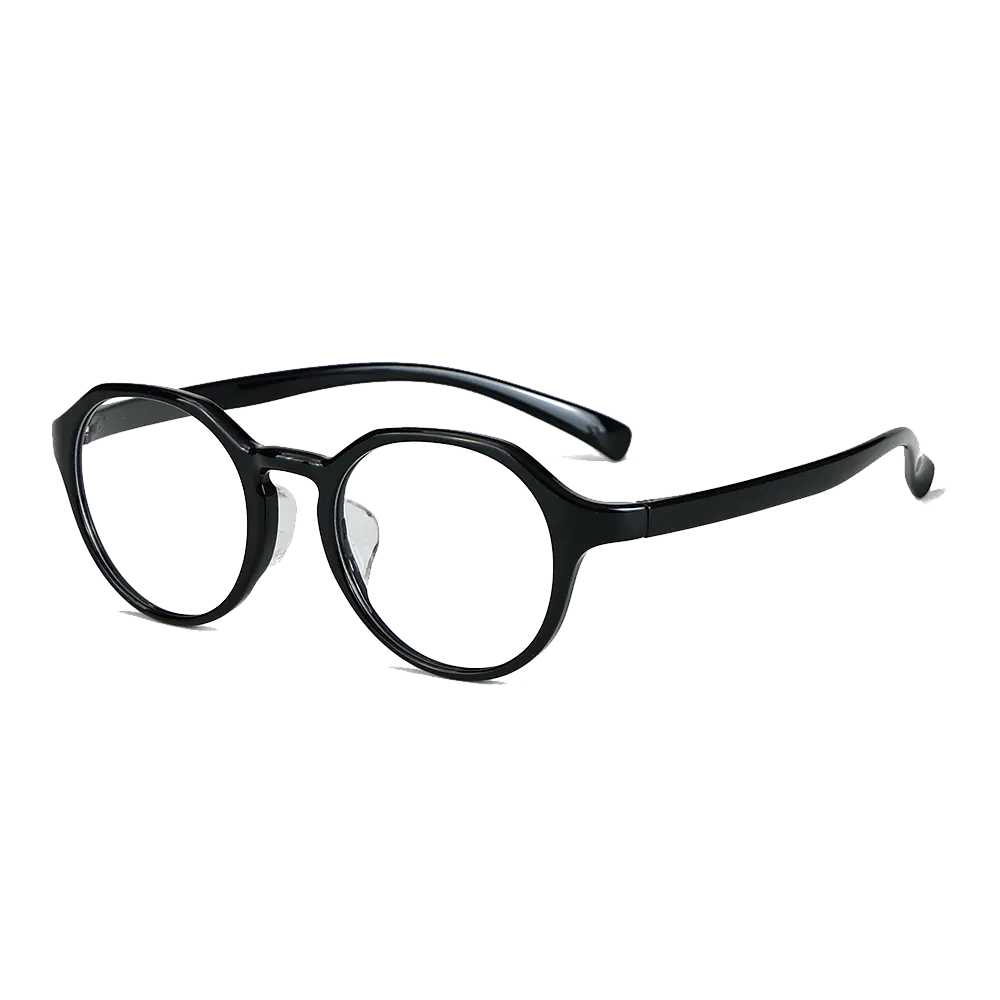
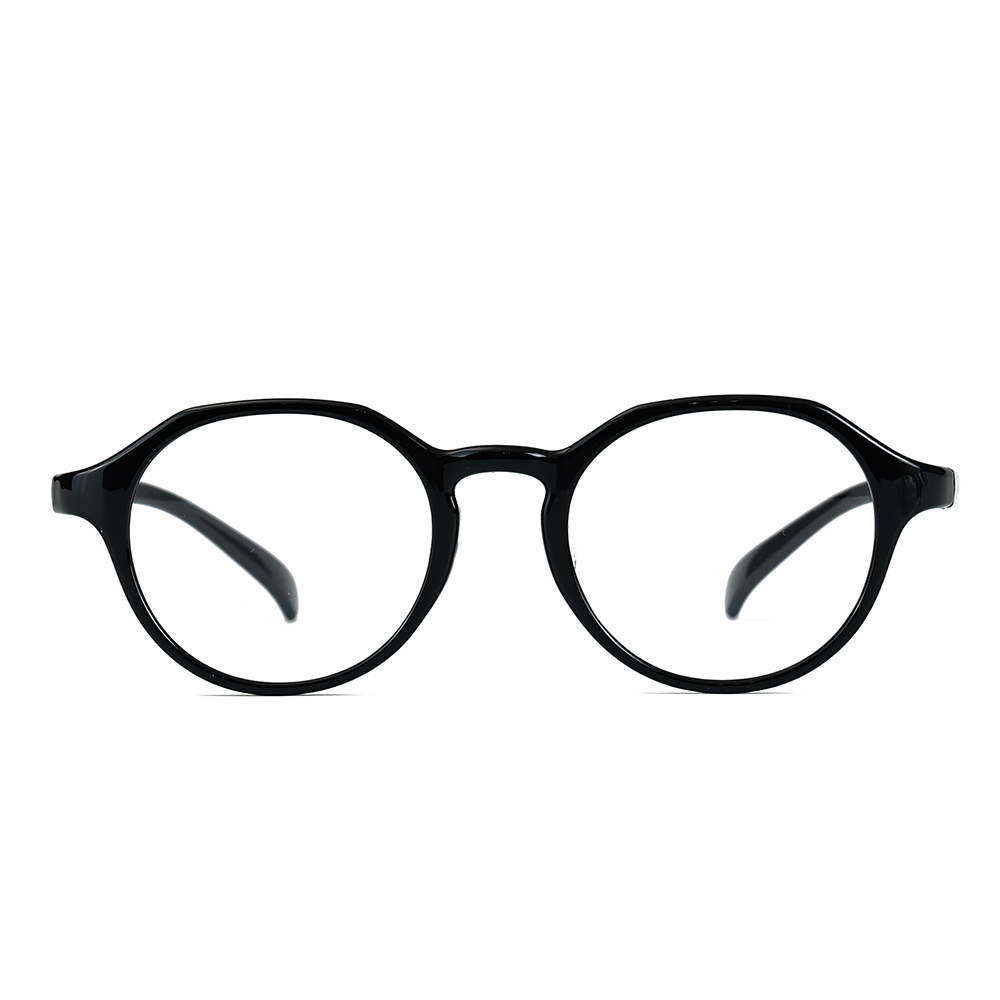
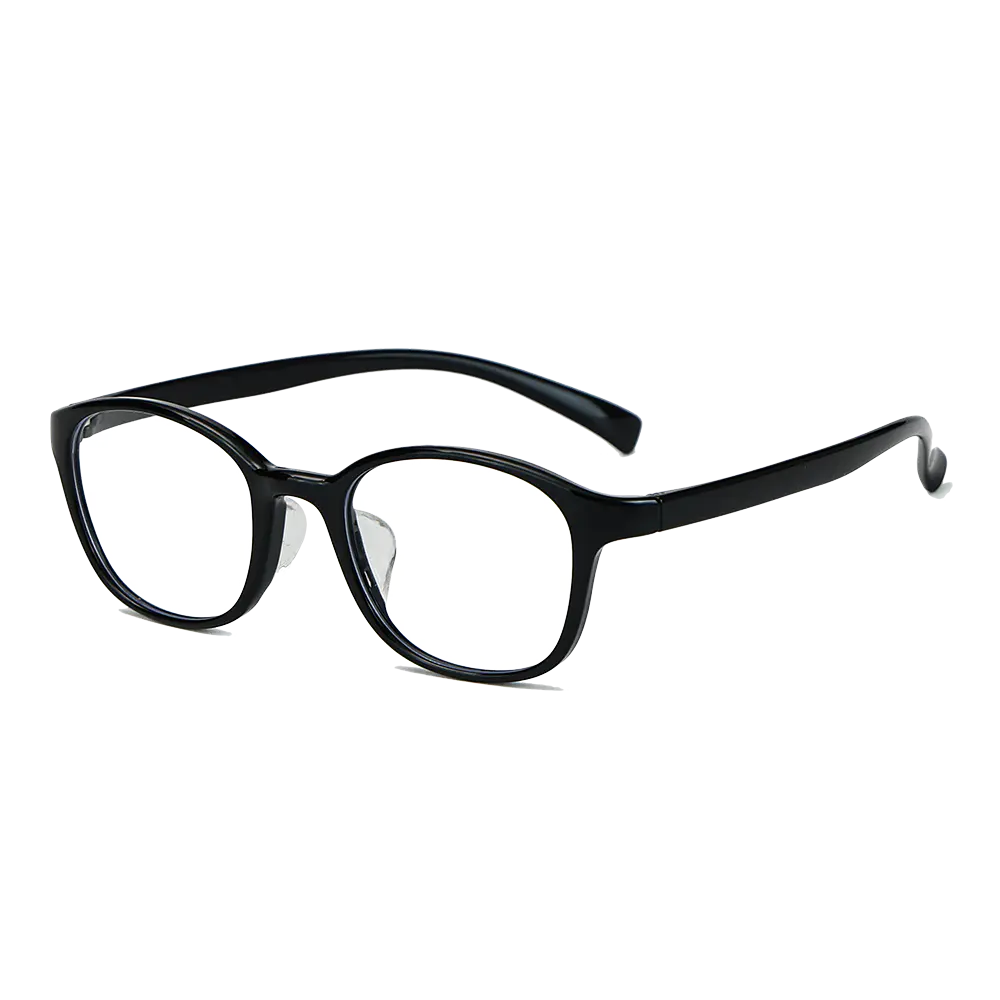
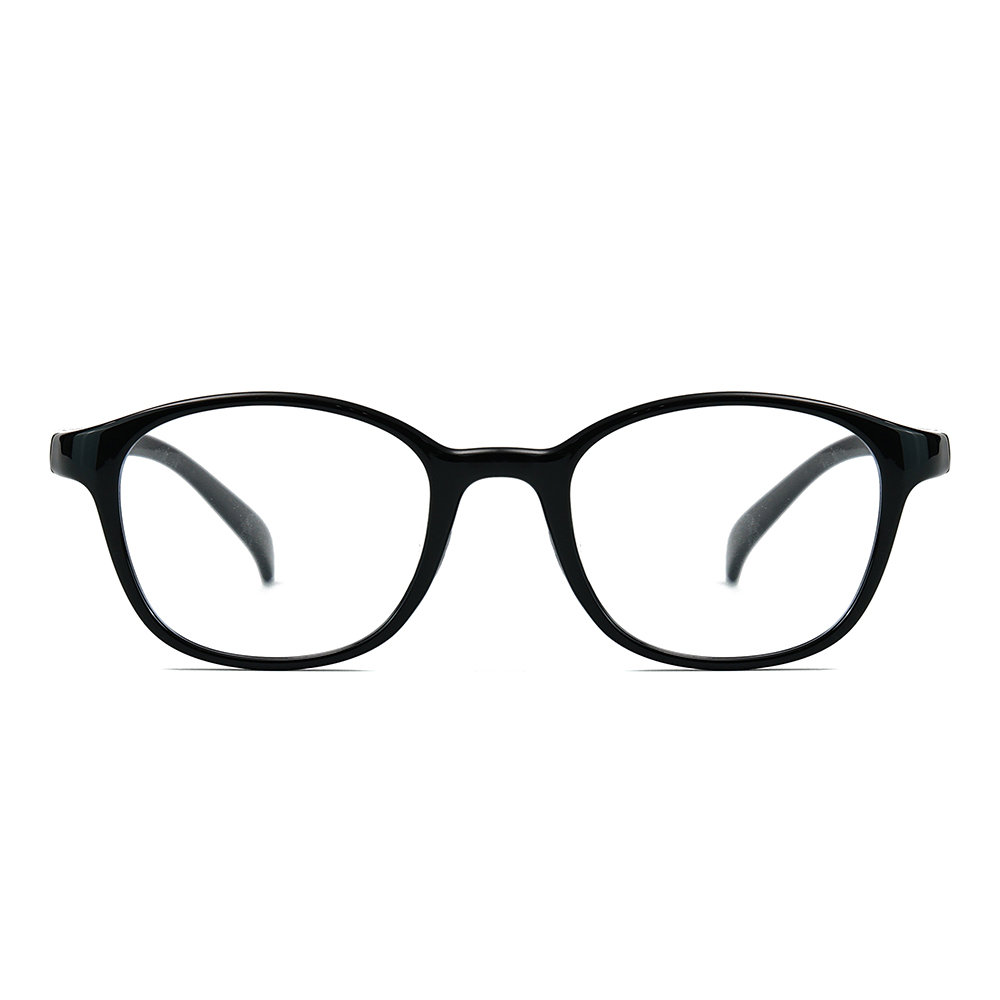
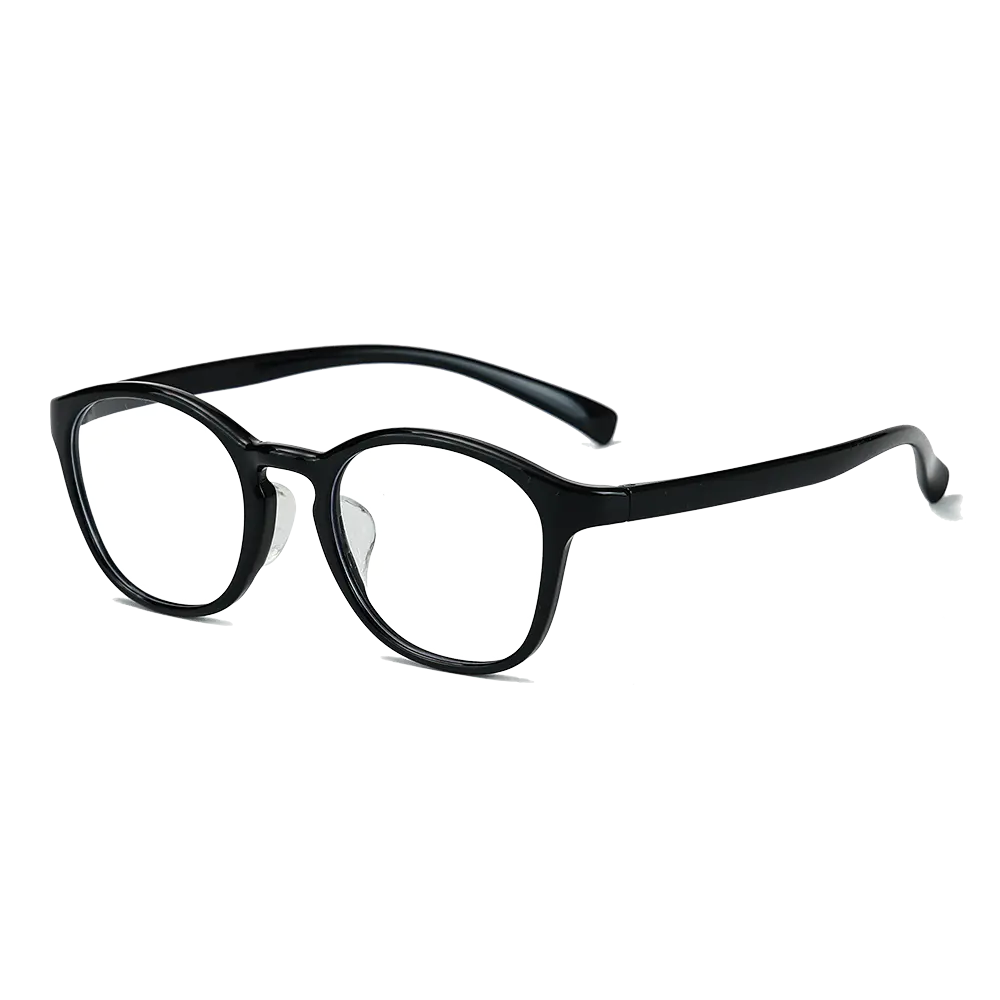
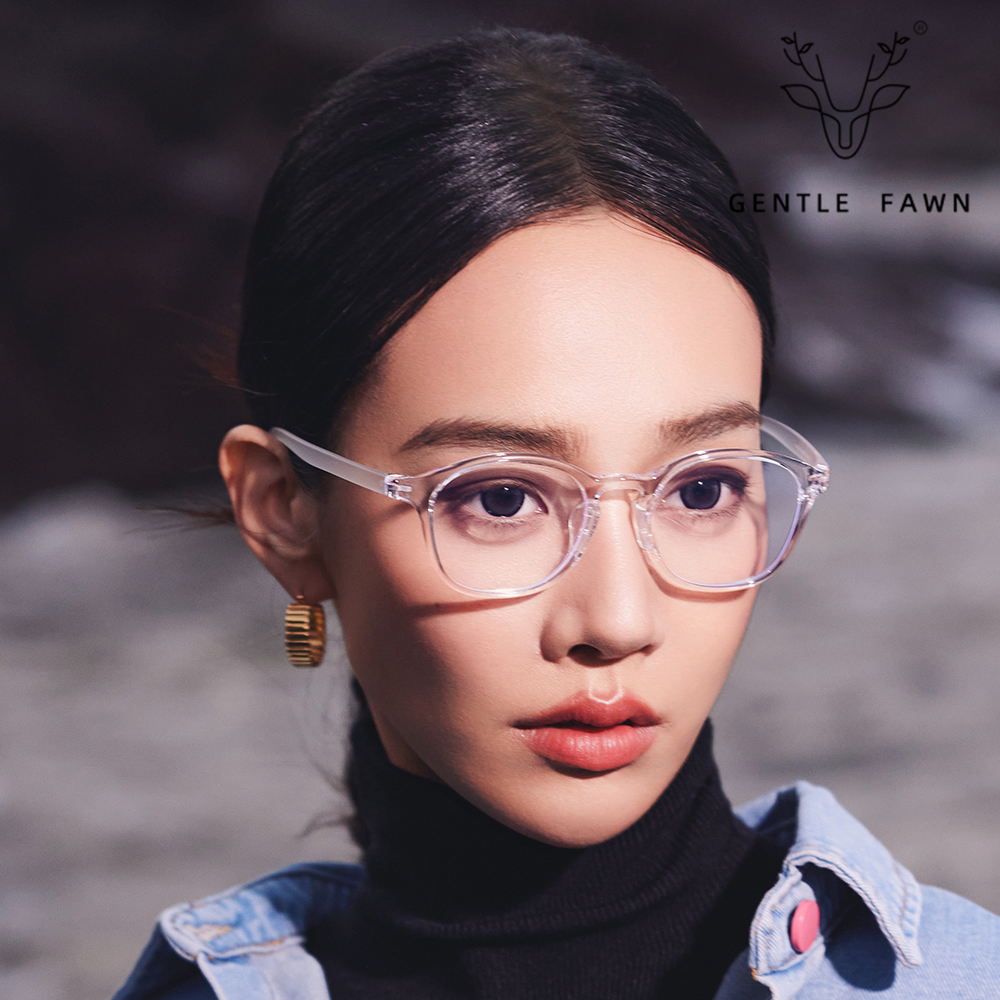

Planning a new sunglasses collection often starts with a simple question: what kind of eyewear will fit the style, needs, and buying habits of the target market? Metal frames paired with polarized l...
Read More
Sunglasses
Our sunglasses are designed to combine style, comfort, and protection in one sleek package. Crafted with high-quality materials, the frames offer durability while remaining lightweight, ensuring all-day comfort without pressure on your nose or ears. The lenses provide 99.9% UVA and UVB protection, shielding your eyes from harmful rays and reducing glare from reflective surfaces, making them ideal for driving, outdoor sports, and daily wear.
We offer a variety of lens technologies, including polarized and anti-scratch coatings, enhancing visual clarity and maintaining long-lasting performance. The ergonomic design ensures a secure fit, while contemporary frame styles—from classic aviators to modern cat-eye shapes—allow you to express your personal fashion sense effortlessly.
Company
Zhejiang Zhansheng Glasses Co., Ltd.
Zhejiang Zhansheng Glasses Co., Ltd. was established in Duqiao, Linhai, Taizhou in 2004. After more than two decades of development, it has adhered to the development philosophy of "quality as the foundation and innovation as the core", establishing an industry benchmark in the production of glasses.
Particularly, it has core competitiveness in the manufacturing of metal and TR90, sheet sunglasses, and anti-blue light glasses. The enterprise is equipped with a top-notch R&D team, completing hundreds of original product design iterations annually. It provides one-on-one customized services for its clients. Meanwhile, the factory warehouse reserves millions of ready-made inventory, enabling it to quickly seize market opportunities for customers.
As a professional OEM Sunglasses manufacturer and OEM/ODM China Sunglasses manufacture in China, The birth of each pair of glasses begins with carefully selected raw materials. In the workshop, every process is infused with dedication - during polishing, a fine touch is pursued, and during assembly, strict fit is required. Multiple processes are strictly controlled, not neglecting any detail, only to incorporate quality into the curvature and make comfort a part of the wearing experience, creating a good, warm pair of glasses.
News
-
-
Bright outdoor light can look very different depending on where it comes from. Direct sunlight is only part of the problem. Reflections from roads, water, glass, vehicles, and other smooth surfaces ...
Read More -
Sunglasses are not only a visual accessory. Their lenses also sit between the eyes and outdoor light, making lens protection relevant whenever the eyes are exposed to sunlight. Ultraviolet radiation c...
Read More -
Lens size can change the way a pair of sunglasses sits within an overall face shape. With a square frame and an upward cat eye angle, even a small adjustment in lens proportion can affect the visual w...
Read More
Complete Guide to Sunglasses: UV400, Polarized Lenses, Materials, and Product Design
Sunglasses are functional eyewear products designed to manage bright visible light and provide ultraviolet protection while combining optical performance, wearing comfort, frame structure, and contemporary styling. Depending on the lens configuration, a pair may use UV400 filtering, polarized technology, photochromic treatment, tinted lenses, or other optical solutions.
The overall product is also strongly influenced by frame materials such as TR90, PC, metal, nylon, acetate, and titanium-based structures. Today, sunglasses are used across driving, outdoor sports, travel, commuting, beach activities, water-related environments, and everyday fashion.
For manufacturers, successful product development requires a balanced approach to lens performance, frame engineering, surface finishing, structural durability, fit, and visual design.
What Are Sunglasses?
Sunglasses are eyewear products that reduce excessive visible light entering the eyes and, when appropriately configured, provide protection against ultraviolet radiation. Unlike ordinary optical glasses, which are primarily designed for vision correction or clear everyday viewing, sunglasses generally combine tinted or specialized lenses with frames designed for bright-light environments.
The basic functions of sunglasses include:
- Reducing excessive visible brightness
- Filtering ultraviolet radiation according to the lens specification
- Reducing certain forms of reflected glare when polarized lenses are used
- Improving visual comfort in bright outdoor environments
- Providing a fashion-oriented accessory for different facial shapes and styling preferences
Modern sunglasses are therefore not defined by lens color alone. A well-developed product needs to consider the interaction between lens material, filtering characteristics, frame construction, optical clarity, weight, bridge design, temple structure, hinge performance, and surface finishing.
There is also an important distinction between sunglasses and prescription eyewear. Sunglasses may be produced with plano lenses for general use or designed to accommodate prescription requirements, depending on the product structure and intended application. A tinted lens itself does not automatically provide a specific level of ultraviolet filtering, so functional performance should be determined by the actual lens specification rather than appearance.
For manufacturers, this means product development involves both optical and structural decisions. A fashionable frame with unsuitable lens characteristics may not deliver the intended outdoor experience, while a technically capable lens installed in an uncomfortable or poorly balanced frame may also reduce the overall value of the product.
What Does UV400 Mean in Sunglasses?
UV400 generally refers to ultraviolet filtering performance extending to wavelengths around 400 nanometers. In practical eyewear terminology, UV400 is used to describe lenses designed to block ultraviolet radiation within the relevant wavelength range rather than simply reducing visible brightness.
Ultraviolet radiation is commonly divided into:
- UVA: Generally associated with longer ultraviolet wavelengths.
- UVB: Shorter ultraviolet wavelengths with higher energy.
- UVC: Shorter wavelengths that are largely absorbed by the Earth's atmosphere under normal environmental conditions.
A key point is that lens darkness and ultraviolet filtering are not the same thing. A very dark lens does not automatically indicate effective UV protection, and a lighter-colored lens can be engineered with appropriate ultraviolet filtering characteristics.
For this reason, evaluating UV400 sunglasses should focus on the actual lens specification and manufacturing consistency rather than visual darkness alone.
When developing or describing a product, manufacturers should avoid statements that imply every tinted lens provides the same ultraviolet performance. The filtering range depends on the lens material, formulation, coating, processing method, and final configuration.
What Is the Difference Between Polarized and Non-Polarized Sunglasses?
The main difference is that polarized lenses are designed to reduce specific directional reflected glare, while conventional non-polarized tinted lenses mainly reduce overall visible brightness through lens tint.
| Feature | Polarized Sunglasses | Non-Polarized Sunglasses |
| Main function | Reduces selected directional reflected glare | Reduces overall brightness |
| Glare control | Stronger for suitable reflective environments | More limited for directional reflected glare |
| Driving | Often suitable for daytime conditions | Suitable depending on lens characteristics |
| Water and snow | Useful in strongly reflective environments | Suitable for general bright conditions |
| Outdoor activities | Suitable for many bright environments | Suitable for general outdoor use |
| Visual appearance | Depends on lens color and optical design | Mainly determined by tint and lens design |
| Product positioning | Function-oriented lens configuration | Broad range of style and lens options |
Polarization should not simply be understood as making a lens darker. A polarizing filter works by controlling the passage of light with particular polarization directions. This is especially relevant when sunlight reflects from relatively flat surfaces such as roads, water, glass, or snow.
At the same time, polarized lenses are not automatically the option for every situation. Certain electronic displays may appear darker depending on their polarization characteristics and viewing angle. In low-light environments, the additional glare-control function may also have limited practical value.
The appropriate choice therefore depends on the intended environment, lens transmission, visual requirements, and frame design.
How Do Polarized Lenses Reduce Glare?
Polarized lenses reduce glare by incorporating a polarizing layer that selectively limits light with a particular polarization orientation.
When sunlight strikes surfaces such as water, asphalt, glass, or snow, part of the reflected light can become strongly polarized. This reflected component may appear as intense glare and can reduce visual detail.
A polarized lens uses a filtering structure to control this type of directional light. In simplified terms:
- Natural light reaches the lens.
- Light is reflected from an outdoor surface.
- A portion of the reflected light becomes strongly polarized.
- The polarizing layer selectively reduces the transmission of that component.
- The visual field can appear less affected by reflected glare.
This is a physical optical process rather than an electronic function.
The performance of polarized sunglasses depends on several factors, including the quality and orientation of the polarizing layer, lens material, lens construction, tint, optical clarity, and manufacturing consistency.
TAC polarized lenses are one established configuration used in sunglasses development. Other lens materials can also be combined with polarization depending on the intended product structure.
The purpose is not to eliminate every form of glare. Instead, polarization is designed to reduce specific directional reflected light under appropriate viewing conditions.
Core Components of Sunglasses
Sunglass Lenses
The lens is one of technically important parts of a pair of sunglasses. Different products can use different lens materials and filtering structures according to their intended application.
Common configurations include:
- UV400 lenses
- Polarized lenses
- Non-polarized tinted lenses
- PC lenses
- Nylon lenses
- TAC polarized lenses
- Photochromic lenses
- Gradient lenses
- Colored lenses
- Coated lenses
Lens selection affects more than appearance. Optical clarity, weight, tint, transmission, filtering characteristics, surface treatment, and compatibility with the frame all need to be considered during product development.
A lens can also contribute strongly to the visual identity of a product. Gray, brown, green, gradient, colored, and photochromic solutions can create different visual effects while serving different design directions.
TR90 Frames
TR90 is widely used for lightweight eyewear structures and can support products where flexibility, comfort, and practical durability are important.
TR90 sunglasses are suitable for product directions such as:
- Outdoor eyewear
- Sports-oriented designs
- Travel sunglasses
- Everyday lightweight frames
- Casual fashion styles
The manufacturing process still requires attention to dimensional accuracy, frame symmetry, hinge alignment, temple shape, and finishing quality. Lightweight material alone does not guarantee a comfortable product; balance and facial fit remain important.
Metal Frames
Metal is widely used for thin, structured, and visually refined sunglasses. Depending on the construction, metal frames can support aviator, round, square, geometric, double-bridge, and other design directions.
Important manufacturing considerations include:
- Frame geometry
- Welding or joining quality
- Surface treatment
- Plating consistency
- Hinge construction
- Temple alignment
- Nose-pad positioning
- Corrosion resistance appropriate to the intended environment
Metal sunglasses often create a different visual language from molded plastic frames. Their thinner profiles can emphasize structure, while surface finishes can significantly influence the final appearance.
PC Frames and PC Lenses
PC can be used both as a frame material and as a lens material, but these are two separate applications.
PC Frames
PC frames can support lightweight designs and provide considerable freedom in molded frame construction.
PC Lenses
PC lenses are used in various eyewear configurations where lightweight construction and impact-related material characteristics are relevant.
Manufacturers should clearly distinguish PC frame structures from PC lens specifications when developing product documentation. The two components perform different roles within the finished product.
Nylon Lenses
Nylon lenses can be considered for lightweight eyewear and outdoor-oriented applications. Their material characteristics can support specific frame and lens designs where flexibility, weight, and optical requirements need to be balanced.
The final performance depends on the actual formulation, processing, lens geometry, surface treatment, and product configuration.
The website of Zhejiang Zhansheng Glasses Co., Ltd. includes a Metal Nylon Non-Polarized Sunglasses category, reflecting the use of nylon lens solutions within its product development range.
Acetate Temples and Composite Structures
Combining materials can create additional possibilities for frame design.
Examples include:
- TR90 front frame with acetate temples
- TR90 combined with metal components
- Metal structures with molded components
- Mixed-material temple designs
Composite structures can create visual contrast, improve styling flexibility, and introduce different tactile characteristics.
For example, a TR90 frame combined with acetate temples can create a different visual effect from a fully molded TR90 structure. The combination also requires careful control of component dimensions, joining points, alignment, and finishing.
Hinges, Nose Pads, and Temples
Small structural components can strongly influence the wearing experience.
Important elements include:
- Temple length and curvature
- Hinge alignment
- Opening and closing action
- Nose-pad position
- Bridge geometry
- Frame symmetry
- Temple pressure
- Connection strength
A well-balanced frame should sit securely without creating unnecessary pressure around the nose, ears, or temples.
Core Product Characteristics
UV400 Protection
UV400 is a lens-filtering specification associated with ultraviolet protection extending toward 400 nanometers. Its practical value depends on the actual lens formulation and verified performance rather than lens darkness.
During manufacturing, consistency between lens batches and final assembled products is important.
Polarized Glare Control
Polarization is valuable where reflected glare is a major part of the visual environment. Roads, water surfaces, snow, and other reflective materials can produce strong directional light.
The manufacturing focus should include the consistency and orientation of the polarizing structure, lens clarity, tint, and final assembly.
Lens Clarity
Clear vision depends on lens material, optical processing, surface quality, lens geometry, and assembly accuracy.
A lens with attractive coloration but poor optical consistency may reduce the overall product experience. Therefore, visual appearance and optical quality should be developed together.
Lens Color and Visual Performance
Lens color influences both appearance and the amount and character of visible light transmitted through the lens.
Common design directions include:
- Gray
- Brown
- Green
- Black
- Gradient
- Colored fashion tints
- Photochromic configurations
The appropriate tint depends on the intended application and product design.
Lightweight Frames
Lightweight construction can improve long-term wearing comfort, especially for everyday and outdoor products.
TR90, PC, nylon, and certain metal structures can support different approaches to weight management. However, weight should be evaluated together with frame balance and structural stability.
Flexibility and Durability
Material flexibility is particularly relevant for products intended for active use. The frame must also maintain dimensional stability and reliable connections.
Durability depends on the material, frame design, hinge structure, surface treatment, assembly quality, and intended usage conditions.
Hinge and Structural Stability
A hinge should open and close smoothly while maintaining appropriate alignment. Loose or uneven hinges can affect frame geometry and wearing stability.
Manufacturing inspection should therefore include hinge movement, screw or connection condition, temple alignment, and overall frame symmetry.
Ergonomic Fit
A comfortable frame should take facial geometry into account.
Important dimensions include:
- Frame width
- Lens width
- Bridge width
- Temple length
- Nose-pad position
- Temple curvature
Product development should balance these dimensions with the intended frame style.
Frame Shape and Color Development
Frame design remains an important part of sunglasses development. Current product directions include small frames, oversized frames, cat-eye styles, square frames, round frames, aviator shapes, geometric silhouettes, rimless concepts, and unisex designs.
Color development can range from classic black and tortoiseshell effects to transparent, metallic, gradient, and seasonal tones.
How Are Different Frame and Lens Materials Used in Sunglasses?
| Material / Structure | Main Characteristics | Wearing Experience | Common Designs | Suitable Direction |
| TR90 | Lightweight, flexible, versatile | Light and comfortable when properly balanced | Square, oval, sports, casual | Outdoor, everyday, active use |
| PC | Lightweight and moldable | Depends on frame geometry | Fashion, large frame, molded designs | Lightweight and style-oriented products |
| Metal | Structured, slim, refined | Can feel precise and balanced | Aviator, round, square, geometric | Fashion and classic eyewear |
| Nylon | Lightweight with useful material flexibility | Suitable for lightweight configurations | Outdoor and functional designs | Active and outdoor products |
| Acetate | Rich surface appearance and styling flexibility | Solid, tactile feel | Fashion, premium-looking designs | Design-focused products |
| Titanium / Half Titanium | Lightweight metal-based structure | Can provide a refined wearing feel | Minimal, thin-frame styles | Lightweight metal eyewear |
| Composite Structure | Combines characteristics of different materials | Depends on component balance | TR90 + acetate, metal + polymer | Differentiated product development |
Material selection should never be separated from frame geometry. The same material can perform differently when used in different thicknesses, shapes, connection structures, and assembly configurations.
What Are the Main Types of Sunglasses?
The current Zhejiang Zhansheng Glasses product structure includes several established sunglasses categories, including Metal Polarized Sunglasses, Metal Non-Polarized Sunglasses, Metal Nylon Non-Polarized Sunglasses, TR90 Polarized Sunglasses, TR90 Folding Sunglasses, TR90 Clip-On Sunglasses, TR90 Polarized Sunglasses with Acetate Temple, PC Photochromic Diamond Sunglasses, Men's Sunglasses, and Women's Sunglasses.
Metal Polarized Sunglasses
These combine metal frame structures with polarized lens technology. They can support classic aviator, round, square, and geometric styling while adding directional glare-control functionality.
Metal Non-Polarized Sunglasses
These focus on the combination of metal construction, lens tint, frame styling, and everyday wearing characteristics without a polarizing layer.
Metal Nylon Non-Polarized Sunglasses
This configuration combines metal frame construction with nylon lenses, creating another option for lightweight and design-oriented eyewear.
TR90 Polarized Sunglasses
TR90 frames combined with polarized lenses provide a practical direction for lightweight outdoor and everyday eyewear.
TR90 Folding Sunglasses
Folding structures emphasize portability. The design requires careful attention to folding points, hinge strength, alignment, and the thickness of each component.
TR90 Clip-On Sunglasses
Clip-On structures provide a flexible approach for attaching a sunglass component to compatible optical eyewear. The clip mechanism, alignment, attachment stability, and overall weight need to be carefully considered.
TR90 Polarized Sunglasses with Acetate Temple
This mixed-material design combines a lightweight TR90 structure with acetate temple components, creating additional opportunities for color, texture, and styling.
PC Photochromic Diamond Sunglasses
Photochromic lens technology allows lens appearance or transmission characteristics to change in response to light conditions. PC-based configurations can also provide distinctive design possibilities.
Men's Sunglasses
Men's designs commonly include aviator, square, rectangular, round, geometric, and classic silhouettes, although frame shapes are increasingly shared across gender categories.
Women's Sunglasses
Women's designs often explore cat-eye, oval, small-frame, oversized, geometric, and fashion-oriented silhouettes.
Unisex Sunglasses
Unisex designs focus more on frame proportions, styling, color, and fit than on traditional gender classifications.
Which Scenarios Are Suitable for Sunglasses?
The correct configuration depends on the environment rather than simply the appearance of the frame.
| Application | Recommended Lens / Structure | Main Considerations |
| Driving | Polarized or appropriately tinted lenses | Glare, clarity, color recognition |
| Running | Lightweight TR90 | Stability and comfort |
| Cycling | Polarized or functional lens options | Coverage and secure fit |
| Beach | UV400 polarized configuration | Bright light and reflected light |
| Hiking | Lightweight and stable frame | Weight and durability |
| Daily commuting | UV400 configuration | Comfort and appearance |
| Travel | Folding or lightweight structure | Portability and convenience |
| Water activities | Polarized lens options | Reflected glare |
| Fashion use | Metal, acetate, or composite structures | Shape, material, and color |
| Low-light conditions | Appropriate light-transmission lens | Avoid unnecessarily dark lenses |
How Should Sunglasses Be Selected for Driving?
For daytime driving, sunglasses should be selected according to ultraviolet filtering, suitable visible-light transmission, optical clarity, glare control, and accurate color perception rather than simply choosing the darkest lens available.
Polarized lenses can be useful when reflected glare from roads or other surfaces is a major issue. Gray and brown tints are commonly considered for different visual characteristics, while gradient lenses can provide different transmission levels between the upper and lower portions of the lens.
Several points deserve attention:
- Check the actual UV filtering specification.
- Consider whether polarization suits the driving environment.
- Avoid selecting lenses solely because they appear very dark.
- Evaluate optical clarity.
- Consider color perception.
- Avoid using ordinary dark sunglasses in conditions where sufficient visible light is required.
- Consider whether the lens interacts with vehicle displays or electronic screens.
The configuration depends on the vehicle, lighting conditions, lens design, and individual visual requirements.
What Should Be Considered for Outdoor Sports Sunglasses?
Outdoor Sports Sunglasses should balance weight, stability, lens characteristics, coverage, and frame construction.
Important considerations include:
- Lightweight frame construction
- Secure fit
- Appropriate lens coverage
- UV400 filtering
- Polarized options for reflective environments
- Suitable lens material
- Stable nose-pad design
- Temple structure
- Frame flexibility
- Appropriate surface finishing
TR90 can be useful for outdoor-oriented frame development because it supports lightweight and flexible structures. However, the final suitability still depends on frame geometry, dimensions, component quality, and assembly.
For cycling, running, and hiking, a secure frame is generally more important than decorative details. For water-related activities, reflected glare becomes a more important lens consideration.
How Should Sunglasses Be Chosen?
A practical selection process should begin with the intended environment and then move toward lens technology, frame construction, fit, and finishing.
| Selection Indicator | Importance | What to Check |
| UV400 | High | Actual ultraviolet filtering specification |
| Lens filtering | High | Intended wavelength and light-management characteristics |
| Polarization | Application-dependent | Polarizing structure and intended environment |
| Optical clarity | High | Visual consistency and surface quality |
| Lens color | High | Transmission, appearance, and application |
| Coating | Medium to high | Surface quality and intended function |
| Frame material | High | TR90, PC, metal, nylon, acetate, etc. |
| Frame weight | High | Overall balance rather than weight alone |
| Temple structure | High | Length, curvature, alignment |
| Hinge | High | Movement and structural stability |
| Nose pads | Medium to high | Position and wearing comfort |
| Frame dimensions | High | Facial fit and intended style |
| Surface finishing | Medium to high | Color, plating, polishing, consistency |
| Lens installation | High | Alignment and seating |
| Product consistency | High | Frame, lens, color, and assembly consistency |
| Packaging protection | Medium | Protection during storage and transportation |
| Intended use | High | Driving, sports, travel, fashion, daily use |
| Customization scope | Application-dependent | Frame, lens, color, components, packaging |
What Can Be Customized in OEM/ODM Sunglasses?
Sunglasses can be customized across multiple product dimensions, depending on the development requirements and manufacturing structure.
Common customization areas include:
- Frame shape
- Frame dimensions
- Frame color
- Lens color
- Lens material
- Polarized lens configuration
- UV400 configuration
- Photochromic lens
- Gradient lens
- Lens coating
- Temple design
- Acetate temples
- Metal decorative elements
- Logo placement
- Packaging
- Sunglass case
- Cleaning cloth
- Labels
- Product combinations
Customization should begin with a clear product specification. Frame dimensions, lens characteristics, material combinations, surface treatment, component structure, and packaging should be defined together rather than developed independently.
For complex designs, early confirmation of frame geometry and component compatibility can reduce unnecessary adjustments during later production stages.
Zhejiang Zhansheng Glasses Co., Ltd. and Sunglasses Manufacturing
Zhejiang Zhansheng Glasses Co., Ltd. was established in Duqiao, Linhai, Taizhou, Zhejiang, in 2004. The company states that its manufacturing site covers approximately 12,000 square meters, with around 300 employees and annual production capacity exceeding 4 million pairs. Its stated manufacturing strengths include metal, TR90, sheet sunglasses, and anti-blue light glasses.
The company also describes an R&D team involved in hundreds of original product design iterations each year and provides one-to-one customized services.
For sunglasses development, this manufacturing structure supports several product directions, including:
- TR90 Sunglasses
- Metal Sunglasses
- Sheet-based sunglasses
- Polarized Sunglasses
- Non-Polarized Sunglasses
- Folding Sunglasses
- Clip-On Sunglasses
- TR90 with acetate temple structures
- PC photochromic sunglasses
- Men's Sunglasses
- Women's Sunglasses
- Different lens and frame combinations
The current product category page also presents a broad range of frame and lens configurations, including metal polarized designs, TR90 polarized designs, folding and Clip-On structures, acetate-temple combinations, and PC photochromic designs.
The company's own manufacturing description emphasizes selected raw materials, polishing, assembly accuracy, and process control as part of its approach to finished eyewear quality.
For product development, the value of a manufacturing facility is therefore not limited to frame production alone. Lens configuration, frame structure, component matching, assembly, adjustment, finishing, and final presentation all need to work together.
FAQ
What Is the Main Difference Between UV400 and Ordinary Tinted Sunglasses?
UV400 describes ultraviolet filtering performance, while tint mainly changes visible-light transmission and appearance.
A dark lens does not automatically indicate a particular level of ultraviolet filtering. When selecting a product, the actual lens specification should be considered rather than relying on lens color alone.
Are Polarized Sunglasses Always Better Than Non-Polarized Sunglasses?
Neither type is universally better; the appropriate choice depends on the intended environment.
Polarized lenses are particularly useful where directional reflected glare is common. Non-polarized lenses can be suitable for general bright-light use and offer a broad range of color and styling options.
Why Are Polarized Sunglasses Commonly Used for Driving?
Polarized lenses can reduce certain types of reflected glare from roads and other surfaces during daytime driving.
Their effectiveness depends on the lens construction and environment. Electronic displays may also appear darker at certain viewing angles because of their polarization characteristics.
Which Lens Color Is Suitable for Driving?
Lens color should be selected according to light transmission, visual clarity, and color perception rather than darkness alone.
Gray and brown are common design directions, while gradient configurations can provide different transmission levels across the lens. The final choice depends on the intended driving environment and lens design.
Why Is TR90 Often Used for Outdoor Sunglasses?
TR90 is useful for outdoor-oriented frame development because it can support lightweight and flexible structures.
Its suitability still depends on frame geometry, dimensions, hinge construction, and assembly quality. Material selection should therefore be evaluated together with the complete frame structure.
What Is the Difference Between PC and Nylon Lenses?
PC and nylon are different lens materials with different material characteristics and processing requirements.
Both can be used in lightweight eyewear, but the final optical and structural performance depends on formulation, lens geometry, surface treatment, and manufacturing process.
What Are Clip-On Sunglasses Designed For?
Clip-On Sunglasses provide a removable sun-lens structure that can be combined with compatible optical eyewear.
The key design considerations include attachment stability, lens alignment, weight, compatibility, and ease of installation and removal.
How Can Metal Sunglasses Be Made More Comfortable?
Comfort depends on frame balance, bridge geometry, temple shape, nose-pad positioning, weight distribution, and hinge construction rather than metal material alone.
A well-designed metal frame can maintain a slim appearance while providing an appropriate fit when the dimensions and components are properly matched.
Can Sunglasses Be Developed With Different Lens and Frame Materials?
Yes, different lens and frame materials can be combined according to the intended design and manufacturing requirements.
Examples include TR90 frames with polarized lenses, metal frames with nylon lenses, TR90 with acetate temples, and PC-based photochromic configurations.
What Sunglasses Customization Options Are Available?
Customization can cover frame shape, dimensions, colors, lens material, lens color, polarization, UV400 configuration, photochromic options, coatings, temples, decorative components, logos, and packaging.
The exact scope depends on the frame structure, lens technology, production requirements, and final product specification.
What Manufacturing Capabilities Does Zhejiang Zhansheng Glasses Co., Ltd. Have for Sunglasses?
Zhejiang Zhansheng Glasses Co., Ltd. focuses on the development and manufacturing of metal, TR90, and sheet sunglasses, together with other eyewear categories.
The company was established in 2004 and states that it operates a 12,000-square-meter site with around 300 employees and annual production capacity exceeding 4 million pairs. Its product development structure includes an R&D team and hundreds of original design iterations annually.
Sunglasses are no longer defined simply by a dark lens and a fashionable frame. A well-developed product combines ultraviolet filtering, lens technology, optical clarity, glare management, frame material, structural stability, wearing comfort, and visual design.
UV400 provides an important lens-performance reference, while polarized and non-polarized configurations serve different environmental requirements. Materials such as TR90, PC, metal, nylon, acetate, and titanium-based structures create different possibilities for weight, flexibility, appearance, and construction. The right combination depends on whether the intended product is designed for driving, outdoor sports, travel, daily commuting, water-related environments, or fashion use.
From a manufacturing perspective, product quality is created through the entire process—from material selection and frame forming to lens processing, polishing, surface treatment, hinge assembly, lens installation, adjustment, and final inspection.
Zhejiang Zhansheng Glasses Co., Ltd. combines experience in metal, TR90, and sheet eyewear manufacturing with product development capabilities and a broad sunglasses category structure. Its current range demonstrates multiple approaches to polarized, non-polarized, photochromic, folding, Clip-On, mixed-material, men's, and women's eyewear.
For anyone evaluating sunglasses from a professional product-development perspective, the important principle is simple: the lens, frame, structure, manufacturing process, and intended application should be considered as one complete system rather than as separate components.
Customized For Your Business
Combining fine craftsmanship with automation technology, we create glasses that are competitive in the market.
Quick Links
Information
Contact Us
-
 No. 7-1, Dengtou Industrial Zone, Duqiao Town, Linhai City, Taizhou City, Zhejiang Province
-
 +86-13666884088
-
 +86-13666884088
-
 +86-573-85505155
-
 [email protected]
Copyright © Zhejiang Zhansheng Glasses Co., Ltd. Rights Reserved.
Wholesale Sunglasses Factory
