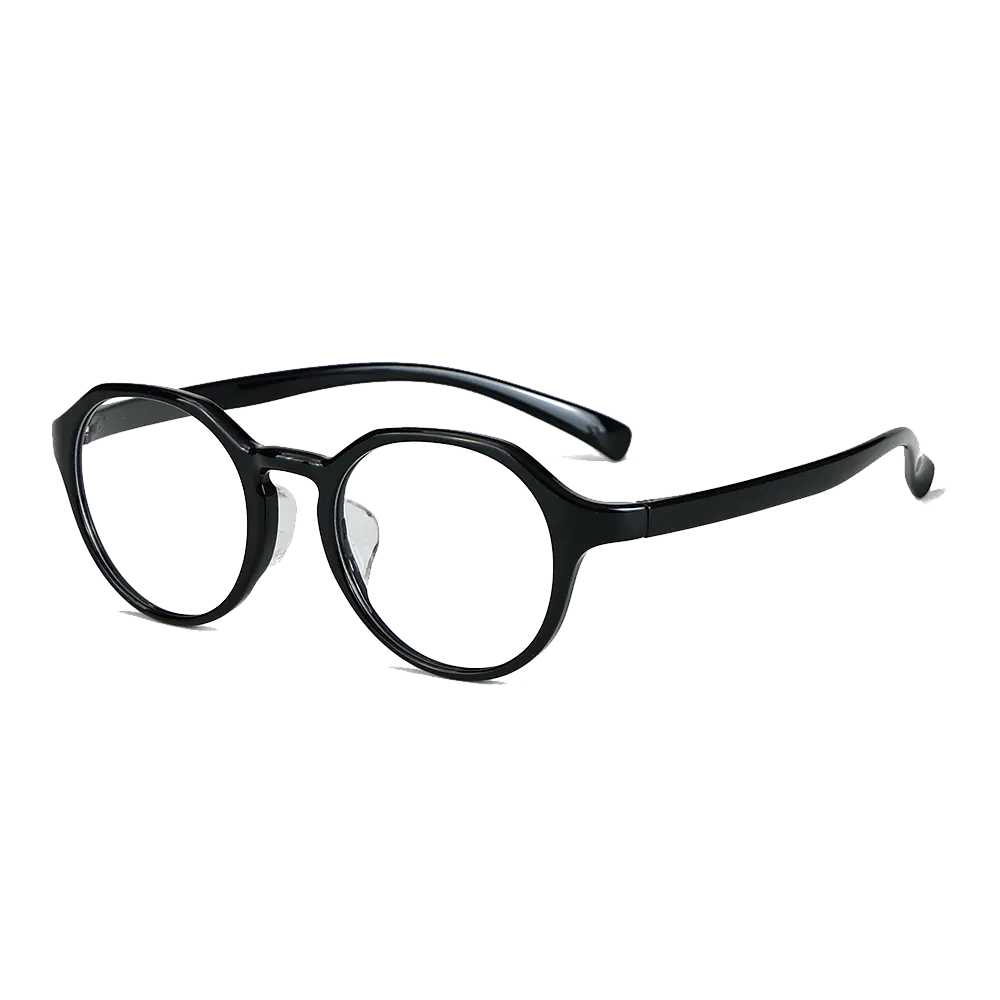
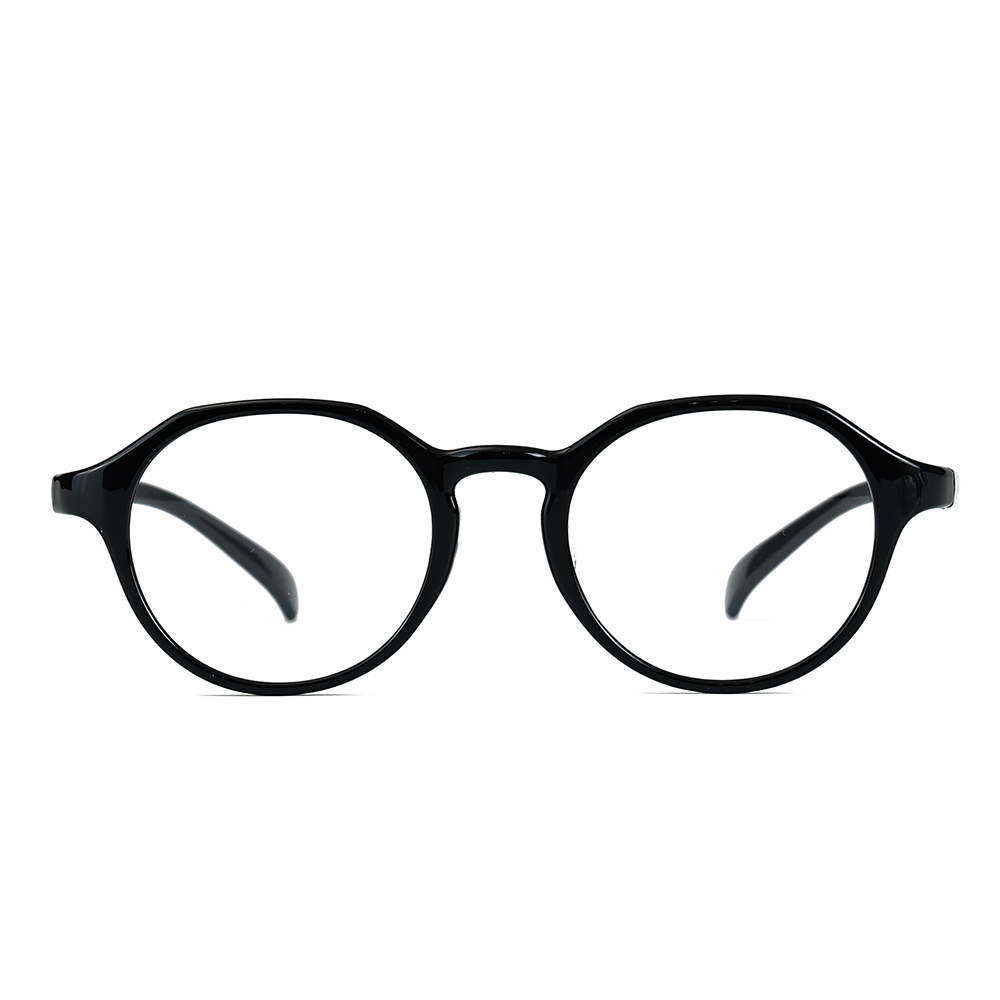
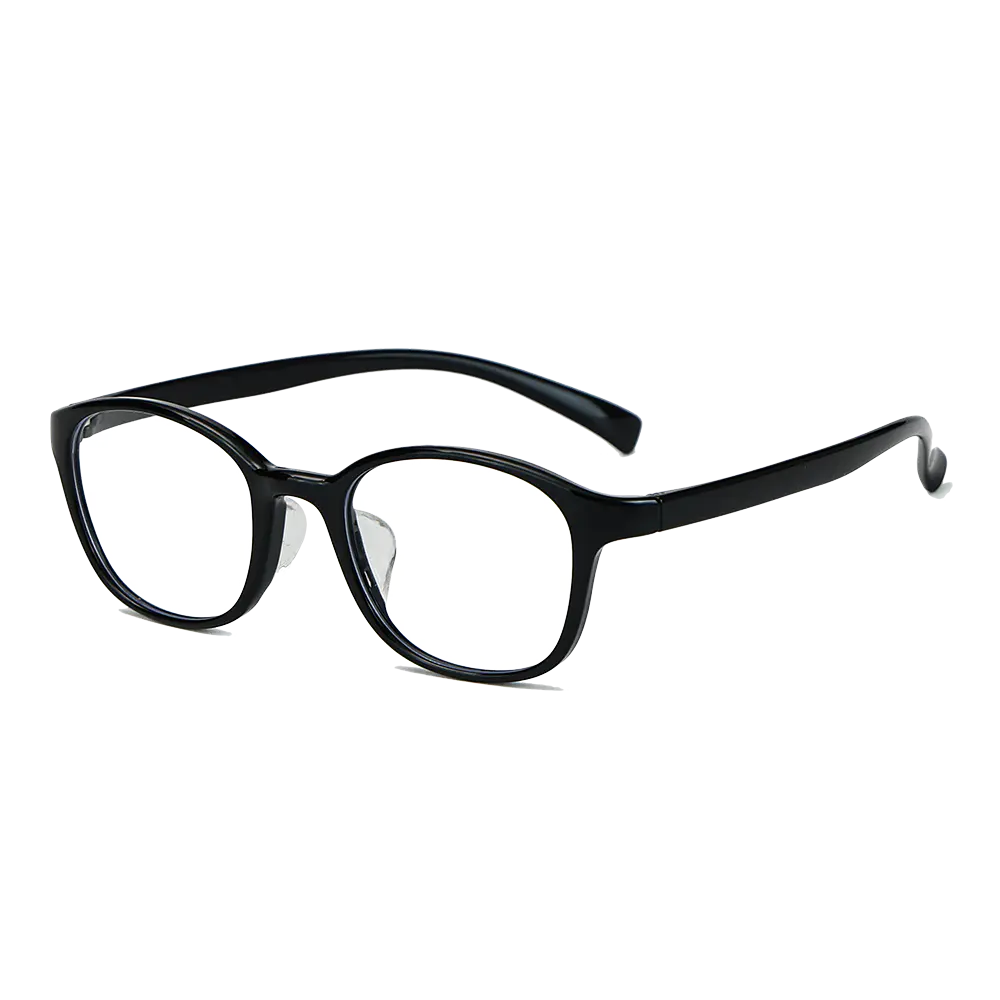
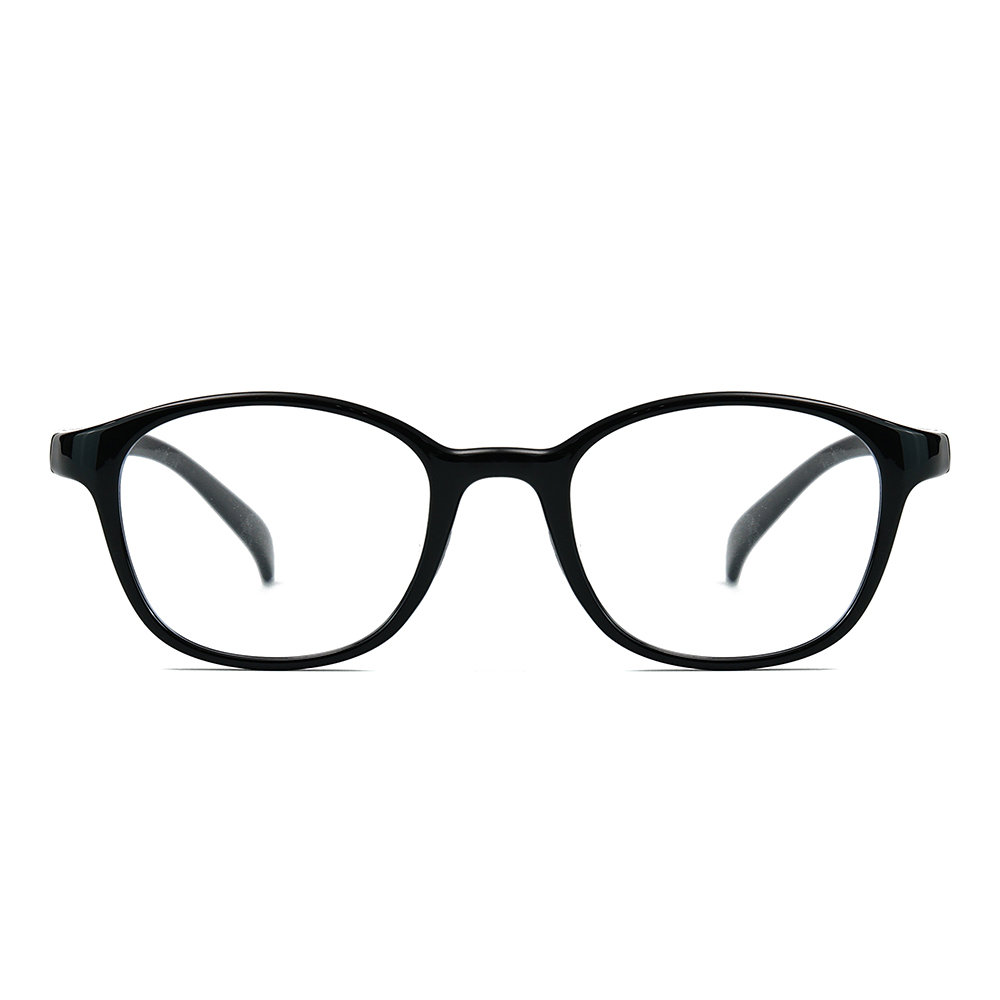
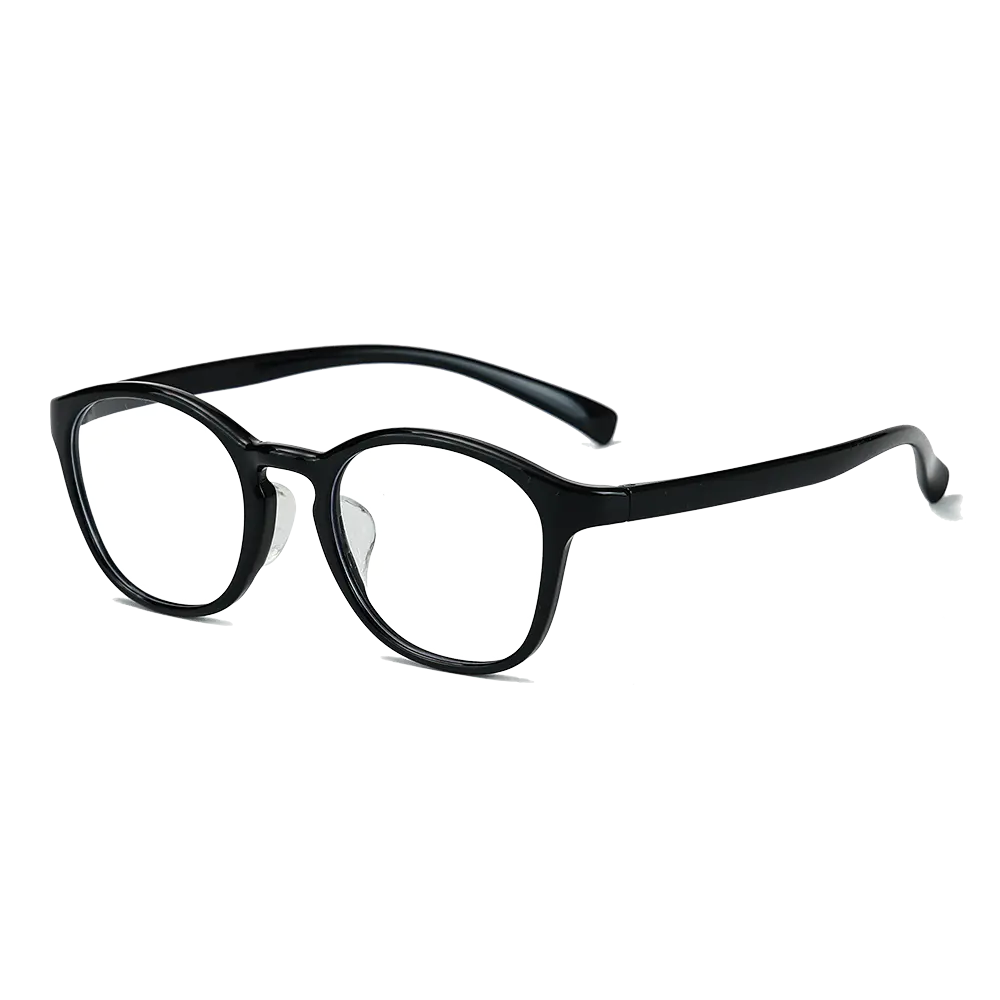
As a manufacturer specializing in nylon eyewear, we are often asked how nylon frames compare to traditional materials, particularly when buyers are choosing between impact strength, long-term comfort, and durability. From our production standpoint, nylon sunglasses offer several mechanical and structural advantages that make them highly attractive for both sports and everyday markets.
Are nylon sunglasses more flexible and impact-resistant than metal sunglasses?
From a manufacturing view, nylon sunglasses are engineered to outperform metal frames in flexibility and shock absorption. Nylon resin, especially TR-nylon and Swiss-formula variants, retains elasticity even after injection molding and polishing. This natural flexibility helps prevent breakage under stress—whether dropped, twisted during sports, or subjected to sudden impact.
Metal frames rely on structural rigidity for shape retention. While premium alloys are strong, they cannot absorb sudden impact as effectively as nylon. This is why athletes, cyclists, and outdoor workers often choose nylon sunglasses for environments where unexpected knocks are common.
When buyers ask which performs better in demanding uses, our answer is clear: nylon provides outstanding resilience. Even our Metal Nylon Non-Polarized Sunglasses benefit from this property because their nylon front or temple component absorbs stress that would otherwise bend or dent a full-metal frame. This hybrid structure enhances durability without sacrificing overall strength.
Do nylon polarized sunglasses stay lightweight for long-term wear?
One of appreciated advantages of nylon polarized sunglasses is weight stability. Nylon resin has a lower density than stainless steel, monel, and other metal alloys. During production, we precision-thin the frame through advanced injection molding, creating a structure that remains lightweight without compromising integrity.
Customers often worry that polymer materials may become heavier over time due to moisture absorption or coating degradation. However, high-grade nylon—especially the variant used in our optical-level frames—has extremely low water absorption and outstanding chemical resistance. This ensures that nylon polarized sunglasses maintain consistent feel and balance even after years of wear.
The same applies to our Metal Nylon Non-Polarized Sunglasses, which combine the comfort of nylon with the structural accents of metal. Buyers can enjoy the premium aesthetic of metal components while still benefiting from nylon's feather-light profile. Long-wear comfort is one of the main reasons nylon remains the top choice for sports sunglasses, polarized outdoor eyewear, and fashion-comfort collections.
Are metal-nylon hybrid non-polarized sunglasses more durable than full-plastic frames?
From a factory engineering perspective, the answer is yes. Metal Nylon Non-Polarized Sunglasses are intentionally designed to overcome two weaknesses of full-plastic frames: structural fatigue and brittleness. Plastic frames—particularly standard injection-molded varieties—not only scratch more easily but also tend to become brittle with prolonged UV exposure.
Metal-nylon hybrids solve these problems by distributing stress efficiently:
The nylon sections (often the front frame) provide flexibility and impact resistance.
The metal temples or cores offer stability and shape retention.
This combination results in an eyewear structure that is more durable than typical plastic-only frames and more adaptable than metal-only frames.
Because Metal Nylon Non-Polarized Sunglasses rely on dual-material reinforcement, they perform exceptionally well for buyers who require non-polarized lenses—such as drivers who prefer easier screen visibility or users in aviation-related fields.
How do nylon frames perform in hot weather—do they warp or soften?
A common misconception is that nylon becomes soft in high temperatures. While early nylon formulas had lower heat resistance, modern eyewear-grade nylon withstands outdoor temperatures extremely well. During production, we use stabilized nylon blends with a high glass-transition point, allowing the frame to maintain shape in heat-prone environments like deserts, beaches, car dashboards, and tropical regions.
This stability is why nylon sunglasses are widely used in performance sports and outdoor markets. Our nylon polarized sunglasses maintain both structural rigidity and lens alignment, ensuring optical accuracy under harsh sunlight. Even hybrids like Metal Nylon Non-Polarized Sunglasses stay dimensionally stable because the nylon component is engineered for temperature resistance, and the metal component provides structural anchoring.
In actual field use, customers report minimal warping, even after continuous exposure to 35–45°C environments.


 Español
 русский
 عربى
عربى