
 Español
 русский
 عربى
عربى
Manufacturing Process of a Polarized Sunglasses Manufacturer
Core Technology: Polarizing Film Integration
A polarized sunglasses manufacturer specializes in embedding polarizing filter technology into lenses to eliminate blinding glare from reflective surfaces. The core component is a thin sheet of polarizing film, typically made from stretched polyvinyl alcohol (PVA) treated with iodine or dyes. This film is designed to block horizontally oriented light waves—the primary component of glare reflected from flat surfaces like water, roads, and snow. The manufacturer's primary technical challenge is the precise lamination of this delicate film. For high-quality lenses, the polarizing film is sandwiched between two layers of optical-grade lens material, such as polycarbonate or nylon, through a casting or injection molding process. This creates a durable, integrated polarized lens where the filter is protected from scratches and delamination, a key differentiator for a reputable polarized sunglasses manufacturer.
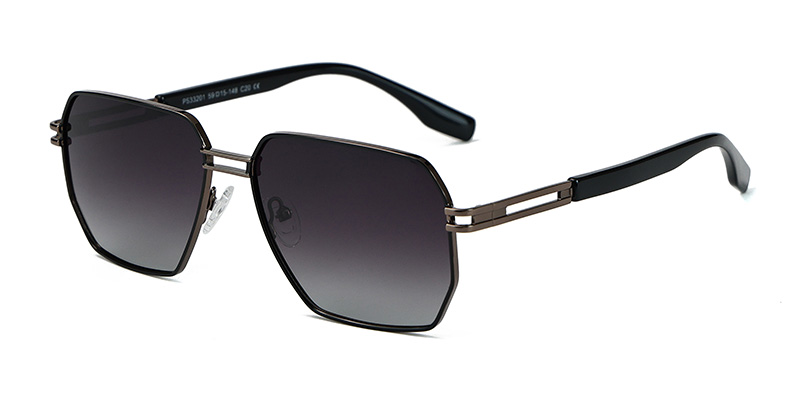
Lens Material and Optical Precision
The performance of polarized sunglasses depends heavily on the base lens material and its optical quality. A causing polarized sunglasses manufacturer selects materials like polycarbonate, Trivex, or high-index plastic for their impact resistance, lightweight properties, and optical clarity. The lenses are precision-ground and polished to exact curvatures, ensuring they are free from distortions that can cause eye strain. The polarizing film must be aligned with uniformity during lamination to avoid visual imperfections. Furthermore, the lenses are treated with multiple coatings: a scratch-resistant hard coat, an anti-reflective coating on the backside to reduce secondary glare, and often a hydrophobic coating for water and dirt repellency. This multi-layer construction by the polarized sunglasses manufacturer ensures both visual comfort and long-term durability.
Frame Engineering for Performance and Comfort
While the lens is critical, the frame must complement the performance. A polarized sunglasses manufacturer designs frames to securely hold the lenses while providing all-day comfort, especially for outdoor activities. Materials range from lightweight and flexible TR90 nylon for sports models to durable acetate or metal alloys for fashion and casual styles. Ergonomics are crucial; features like adjustable nose pads, rubberized temple tips for grip, and spring hinges enhance fit and stability during movement. For water sports or driving-specific models, the frame design may include wrap-around styles for peripheral coverage and side shields to block stray light. The polarized sunglasses manufacturer ensures the frame design supports the lens's function without compromising on style or wearer comfort
Quality Assurance and Polarization Verification
Stringent quality control is vital for a polarized sunglasses manufacturer to validate the product's core claim of glare reduction. Every pair undergoes verification tests. The common test involves looking at an LCD screen through the lenses; genuine polarized lenses will significantly darken or black out the screen when rotated to a specific angle. More sophisticated manufacturers use polarimeters to quantitatively measure the polarization efficiency (often exceeding 99%). Additional tests include checking for optical power (ensuring plano lenses have no unintended prescription), assessing lens alignment within the frame, and performing durability tests for impact resistance and coating adhesion. This rigorous protocol ensures that every product from the polarized sunglasses manufacturer delivers consistent, high-performance glare protection.
Market Segmentation and Application-Specific Design
A successful polarized sunglasses manufacturer tailors products for specific activities and consumer segments. The product line is often segmented into categories:
- Sport Performance: Sunglasses with high-wrap frames, hydrophobic coatings, and enhanced grip for fishing, cycling, and skiing.
- Driving: Lenses with specific tints to enhance road contrast and reduce dashboard glare.
- Fashion: Focused on trendy frame designs and a variety of lens colors while maintaining polarization.
- Waterfront/Boating: Often featuring blue or amber mirror coatings to cut water glare.
The manufacturer's expertise lies in adapting the core polarized lens technology to these varied applications, adjusting lens tints, frame materials, and additional features to meet the specific needs of boaters, drivers, athletes, and fashion-conscious consumers, thereby capturing a broad market share.

Combining fine craftsmanship with automation technology, we create glasses that are competitive in the market.
-
 No. 7-1, Dengtou Industrial Zone, Duqiao Town, Linhai City, Taizhou City, Zhejiang Province
-
 +86-13666884088
-
 +86-13666884088
-
 +86-573-85505155
-
 [email protected]
Copyright © Zhejiang Zhansheng Glasses Co., Ltd.Rights Reserved.
OEM Eyeglass & Glasses Manufacturer
