
 Español
 русский
 عربى
عربىIndustry News

Why Wide Frame Square Sunglasses Are Popular For Sun Protection
Author: Admin
Date: Aug 21,2026
Sunlight does not reach the eyes from a single direction. During walking, driving, travel, or other outdoor activities, light can come from above, from the sides, or from surfaces around the wearer. A pair of sunglasses therefore has two related tasks: filtering unwanted light through the lenses and limiting direct exposure around the edges of the frame.
Wide Frame Square Sunglasses are designed with a relatively broad front frame and larger lens area. The wider structure can cover more of the area around the eyes than a narrow frame, depending on the fit and facial shape. For daily outdoor use, that additional physical coverage can be useful when light approaches from different angles.
Frame coverage, however, should not be confused with ultraviolet protection. The frame determines how much of the eye area is physically covered, while the lens determines how incoming light is filtered. A large frame with unsuitable lenses cannot provide the same protection as a properly designed pair with appropriate lens protection.
The relationship can be viewed through several parts of the design:
- Frame width affects the area surrounding the eyes.
- Lens size influences the amount of direct light entering from the front.
- Frame position affects gaps between the face and the glasses.
- Lens protection determines how ultraviolet radiation is filtered.
A wider frame can therefore contribute to physical coverage, but it works as part of a larger design rather than as an independent form of sun protection.
How Does a Wider Frame Change Eye Area Coverage
The difference between wide and narrow frames becomes noticeable around the outer edges of the eyes. A narrow design may leave more of the surrounding area exposed, while a wider front can extend farther toward the temples.
The actual effect depends on facial width and the position of the frame. If the frame sits too far away from the face, additional space can remain around the edges. If the frame is too narrow, the lenses may not cover the intended area even when the lenses themselves are relatively large.
Lens shape also matters. A wide horizontal frame can cover the central and outer parts of the eye area, while the vertical height of the lens affects coverage above and below the eyes. A balanced shape can therefore provide a more consistent physical barrier without requiring an excessively large frame.
There is also a practical limit to frame size. A frame that extends too far beyond the face may feel unstable or interfere with normal movement. The useful coverage of a pair of sunglasses comes from the relationship between frame dimensions and facial structure, rather than from size alone.
This is why frame width should be considered together with lens position, bridge fit, and temple length when evaluating outdoor sunglasses.
Why Does Lens Coverage Matter in Bright Outdoor Conditions
The amount of lens area in front of the eyes affects how much direct light reaches the wearer. A larger lens can cover a broader area, while the frame around it can reduce some light entering from the sides.
Outdoor conditions can make the direction of incoming light less predictable. A person walking beside a building may receive light reflected from nearby surfaces. During travel, changes in viewing direction can also alter the angle at which sunlight reaches the eyes.
For daily use, wider coverage can therefore provide a practical benefit by reducing exposed areas around the lenses. However, physical coverage does not replace suitable lens protection. The lens still needs to filter ultraviolet radiation according to its intended function.
Different lens colors should also be treated carefully. A darker appearance does not automatically indicate ultraviolet filtering. Similarly, a reflective surface does not by itself establish the level of protection provided by the lens.
The frame and lens should consequently be regarded as two parts of the same product. One provides physical coverage, while the other handles the optical filtering function.
What Role Does Lens Protection Play Beyond Frame Size
Frame design attracts attention because it is immediately visible, but the lens has a separate role that directly concerns ultraviolet exposure. Ultraviolet radiation cannot be judged reliably by the apparent darkness of a lens.
A pair of sunglasses intended for outdoor use should therefore be evaluated according to its stated lens protection rather than its frame size or color alone. A broad frame may reduce some direct and peripheral light exposure, but the filtering function comes from the lens.
Polarized lenses provide another example of why different functions should not be mixed together. Polarization can reduce glare from certain reflective surfaces, which may be useful around roads, water, glass, or other bright surroundings. Glare control and ultraviolet filtering are separate properties, however, and one should not be treated as a substitute for the other.
The same distinction applies to lens tint. A darker lens can change perceived brightness, but visible darkness does not provide sufficient information about ultraviolet filtering.
For this reason, selecting sunglasses for outdoor use involves looking at both physical design and lens characteristics. A wide frame can increase coverage around the eyes, while suitable lenses provide the filtering function required for exposure to sunlight.
How Does a Square Shape Affect Everyday Wear
Square frames have a defined horizontal and vertical structure, which creates a broader visual outline around the eyes. When combined with a wider front, the shape can provide substantial coverage without relying on a rounded or highly curved profile.
The straight edges of a square frame also influence how the glasses sit on the face. The upper edge needs to remain clear of the eyebrows, while the lower section should provide coverage without resting heavily on the cheeks. The bridge determines how the frame is positioned between the eyes, and the temples help maintain its position during movement.
Face shape becomes relevant at this point. A frame that appears appropriately sized on one person may feel too wide or too narrow on another. Facial width, bridge position, cheek structure, and temple length can all change the actual fit.
For daily outdoor use, a stable fit matters because sunglasses can shift when the wearer walks, bends, turns the head, or moves between indoor and outdoor environments. Even a well‑designed frame cannot provide consistent coverage if it continually slides away from its intended position.
The popularity of broad square designs is therefore linked not only to their appearance but also to the way frame geometry can combine coverage with a relatively stable front structure. The actual result still depends on selecting dimensions that correspond with the wearer.
How Do Large Square Cat Eye Sunglasses Change the Fit
The combination of a square structure and an outward sweeping upper edge creates a different relationship between the frame and the face. Large Square Cat Eye Sunglasses extend toward the temples, giving the outer part of the frame a wider visual and physical profile.
The raised outer corners can change how the frame sits around the eyes. Rather than following a simple horizontal line, the frame gradually moves upward toward the temples. This shape can provide additional coverage around the outer eye area, although the actual effect depends on the lens size and the way the frame fits the face.
A larger frame also requires attention to stability. If the outer edges extend too far beyond the face, the glasses may move during walking or other activities. Pressure around the temples can also become noticeable when the frame is not properly matched to facial width.
For that reason, the cat eye shape should not be evaluated only by its outline. Lens position, bridge fit, frame width, and temple length all contribute to how the glasses perform during everyday use.
Which Face Shapes Work Well With Wider Square Frames
Face shape can provide a useful reference when choosing a frame, but it does not determine suitability on its own. Facial width and individual proportions can differ considerably even among people with a similar general face shape.
Round faces often have softer contours, so a square frame can introduce more defined lines around the face. For longer faces, a wider frame may create more horizontal visual balance. Oval faces can accommodate different frame structures, although the actual frame width still needs to correspond with facial dimensions.
For heart‑shaped faces, the width of the upper frame deserves attention because an overly broad design may create an unbalanced appearance. Square faces can also use square frames, but the relationship between frame width, lens height, and facial proportions becomes more important.
Rather than choosing a frame solely according to a face‑shape category, practical fitting can focus on whether:
- The frame extends naturally across the face
- The bridge remains stable
- The lenses sit properly in front of the eyes
- The temples rest without excessive pressure
- The outer edges remain comfortable during movement
What Should Be Checked for a Comfortable Fit
A broad frame needs to remain stable while still allowing comfortable movement. Excessive width can cause the temples to press against the sides of the head, while insufficient width may allow the glasses to shift easily.
The bridge is another important contact point. If it does not sit securely, the frame can move downward and change the position of the lenses. That movement may reduce the intended coverage and create an uncomfortable viewing angle.
Lens placement also matters. The eyes should remain appropriately positioned behind the lenses rather than sitting too close to one edge. The lower frame should not press heavily against the cheeks, particularly during prolonged wear.
For active outdoor use, stability becomes more noticeable. Walking, cycling, traveling, or driving can involve frequent head movement, so a frame that stays in position can provide more consistent coverage.
How Should Frame Coverage and Lens Protection Be Balanced
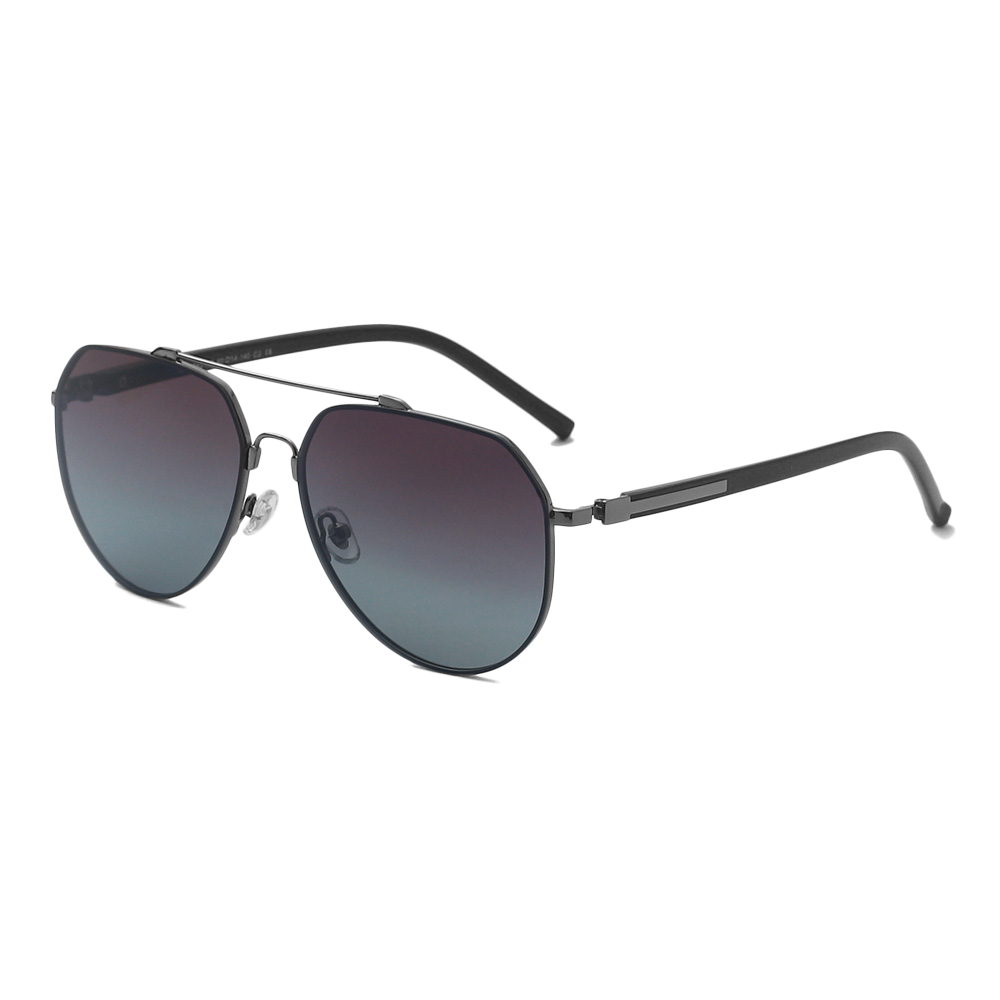
Choosing sunglasses for outdoor use involves more than comparing frame shapes. Wide Frame Square Sunglasses can provide a broad physical barrier around the eyes, but suitable lens protection remains necessary for ultraviolet exposure.
Frame coverage can be considered in relation to facial width, lens dimensions, and the space between the frame and face. A well‑positioned frame can reduce some direct and peripheral light without becoming uncomfortable.
Lens protection should be assessed separately. The stated ultraviolet filtering capability is more relevant to eye protection than lens darkness, color, or frame size. Where glare is a concern, polarization may provide an additional function, but it should not be treated as equivalent to ultraviolet filtering.
| Factor | Frame Design | Lens Function | Practical Consideration |
|---|---|---|---|
| Eye Area Coverage | Wider frame can cover more surrounding area | Larger lens can extend the viewing area | Check whether the frame matches facial width |
| Ultraviolet Protection | Does not determine filtering by itself | Filters ultraviolet radiation according to its specification | Check the stated lens protection |
| Glare Control | Frame may reduce some peripheral light | Certain lens designs can reduce reflected glare | Consider the outdoor environment |
| Wearing Stability | Width and temple structure affect movement | Lens position changes with frame movement | Check bridge and temple fit |
| Daily Maintenance | Hinges and frame edges need care | Surface should be cleaned properly | Avoid rough cleaning materials |
A practical selection process can therefore consider four related factors:
- Coverage — whether the frame and lenses cover the intended eye area.
- Lens protection — whether the lenses provide appropriate ultraviolet filtering.
- Fit — whether the frame remains stable without excessive pressure.
- Use environment — whether the design suits driving, walking, travel, or other outdoor conditions.
Looking at the four factors together prevents frame size from becoming the only consideration.

Customized For Your Business
Combining fine craftsmanship with automation technology, we create glasses that are competitive in the market.
Quick Links
Information
Contact Us
-
 No. 7-1, Dengtou Industrial Zone, Duqiao Town, Linhai City, Taizhou City, Zhejiang Province
-
 +86-13666884088
-
 +86-13666884088
-
 +86-573-85505155
-
 [email protected]
Copyright © Zhejiang Zhansheng Glasses Co., Ltd.Rights Reserved.
OEM Eyeglass & Glasses Manufacturer
