
 Español
 русский
 عربى
عربىIndustry News

Why Are Large Frame Polarized Sunglasses Used For Travel
Author: Admin
Date: Jun 26,2026
Eyewear design has moved toward a wider and calmer look in many daily use settings. Large frames fit that direction because they cover more of the eye area without making the structure feel crowded. A wider shape also gives the face a more balanced appearance, which matters in everyday wear as much as function.
Light comes from many directions outdoors, and the eyes do not deal with direct brightness alone. Reflected light from roads, water, glass, and metal surfaces often creates the kind of glare that makes a simple walk or drive feel less comfortable. Large Frame Polarized Sunglasses respond to that problem in a practical way. The broader frame blocks more side light, while the polarized lens helps reduce reflection from shiny surfaces.
Comfort is part of the reason they continue to appear in modern eyewear design. A frame with wider lens coverage spreads contact more evenly across the face, so pressure does not sit too heavily on one small area. That makes a noticeable difference during longer wear, especially when the glasses stay on for travel, commuting, or outdoor tasks.
Lifestyle changes also play a role. Many people now move between indoor and outdoor spaces more often during the day. Sunglasses need to do more than look suitable. They need to stay useful across changing light conditions, and large frame polarized styles match that need without feeling overly technical.
What Are Large Frame Polarized Sunglasses And Their Core Features
Large Frame Polarized Sunglasses combine two ideas that work well together. The second is light filtering. When those two parts work in the same design, the result feels more stable in daily use.
The larger frame shape gives the eyes a wider shield from direct sunlight and side glare. That means the view stays more comfortable even when the sun angle changes. The polarized lens adds a separate layer of control by reducing reflected light that often causes visual strain.
In simple terms, the product is not only about size. It is about the way the frame and lens support each other. A large frame can only do so much by itself. A polarized lens without a proper frame shape also loses part of its effect. When the structure is well matched, the eyewear feels more settled during outdoor wear.
| Feature Area | What It Does | Everyday Effect |
|---|---|---|
| Large frame coverage | Shields a wider eye area | Less side glare |
| Polarized lens layer | Filters reflected light | Clearer outdoor view |
| Balanced frame shape | Spreads pressure evenly | Better wearing comfort |
| Stable lens placement | Keeps the visual path steady | More consistent clarity |
The appeal of this design often comes from how quietly it works. It does not need to look complicated to help with visibility and comfort. That simplicity is part of what makes it useful.
How Do Large Frame Polarized Sunglasses Improve Travel Visual Comfort
Travel places the eyes in a changing environment. Light shifts from one moment to the next, and the view outside a car, train, or walking route can move from bright to shaded without warning. Large Frame Polarized Sunglasses help reduce that back-and-forth adjustment.
Glare is a common issue during travel. Sunlight bouncing off windows, pavement, open water, and road surfaces can make the view feel sharp and tiring. Polarized lenses reduce that reflected brightness, so the eye receives a smoother light pattern. The difference is often felt more than seen at first. The view simply feels easier to keep up with.
Wider frame coverage supports that comfort by blocking light that slips in from the sides. Smaller frames may leave more room for scattered brightness to enter. A larger frame creates a wider barrier, which helps keep the visual field more settled during movement.
Travel also brings long wear periods. Sunglasses may stay on for hours instead of minutes. In that setting, weight and fit become important. A frame that feels heavy at the nose or behind the ears can become distracting after a while. Large frames need good balance so they stay comfortable without shifting around during walking or sitting.
For many travelers, the benefit is not about dramatic visual change. It is about steady comfort across changing scenery. That quiet stability matters when the day involves long routes, mixed light, and frequent movement.
What Lens Technology Is Used In China Polarized Sunglasses Supply Chain
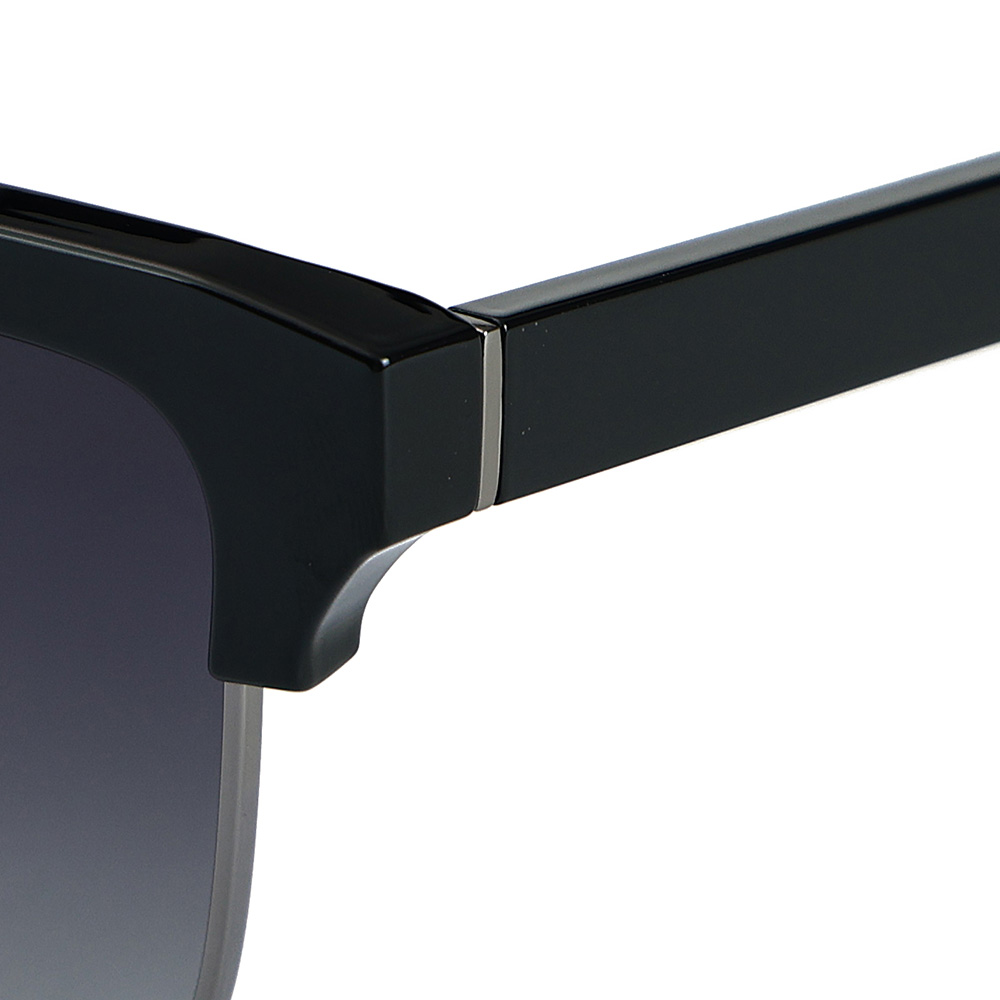
In the China Polarized Sunglasses supply chain, lens structure usually focuses on layered light control and stable assembly. The idea is simple even when the manufacturing steps are detailed. The lens should filter reflected light while staying clear enough for everyday use.
A polarized lens includes a layer that helps manage glare from reflective surfaces. That layer works alongside other material layers to keep the final lens steady and visually comfortable. The result depends not only on the lens itself, but also on how it fits into the frame and how consistently the parts are assembled.
Frame and lens matching matters here. A large frame needs enough support to keep the lens stable during wear. If the fit is uneven, visual clarity may feel less consistent. Careful production helps reduce that risk by keeping dimensions and placement close to the intended design.
Material choice also influences comfort. Lightweight frame materials are often used in larger designs so the product does not feel bulky. Better balance helps the glasses sit more naturally during travel and long outdoor use.
A few common points stand out in this supply chain:
- Lens layers help manage glare and brightness
- Frame structure supports wider visual coverage
- Stable assembly keeps the lens position consistent
- Lightweight materials improve long wear comfort
Together, those parts shape how the product feels after it leaves production and enters daily use.
How To Select Large Frame Polarized Sunglasses For Travel Use
Travel use puts eyewear into situations that change often, sometimes within a short time. Light conditions shift, surroundings move, and the eyes need to adjust repeatedly. Because of that, selection of Large Frame Polarized Sunglasses usually goes beyond appearance and moves closer to comfort and steady performance.
Frame fit is often the starting point. A large frame should sit in a way that feels natural on the face, without creating pressure around the nose or behind the ears. When balance is off, even a light frame can feel tiring after long hours of wear. A stable fit reduces small adjustments during movement, which helps the visual experience stay consistent.
Lens behavior under different lighting also matters. Travel environments rarely stay uniform. Bright open roads, shaded areas, and indoor spaces may appear in the same journey. A polarized lens that handles these shifts without sharp changes in brightness gives a more relaxed viewing experience.
Weight is another quiet factor. During short use, weight is not always noticeable. Over longer periods, however, even small heaviness can build up into discomfort. Large frames need careful material balance so the structure stays light enough for long wear.
A simple way to evaluate travel suitability can be listed as:
- Frame sits evenly without shifting during movement
- Lens remains steady under mixed lighting
- Side coverage reduces scattered brightness
- Weight does not build pressure over time
- Structure stays stable during walking or transport
Each point may seem minor alone, yet together they shape how the eyewear feels during real travel situations.
What Role Does Frame Design Play In Long Time Wearing Comfort
Frame design often decides whether sunglasses feel natural or noticeable during long use. A wider structure spreads contact across a larger area of the face, which helps reduce pressure in one single point.
Nose support plays an important role here. When weight is concentrated, discomfort builds gradually. A balanced bridge design helps distribute load more evenly, making long wear feel less tiring.
Ear support works in a similar way. If pressure sits too heavily behind the ears, small fatigue can appear over time. A well-shaped frame reduces that concentration and keeps contact smoother.
Movement stability also depends on design. During walking or turning, glasses may shift slightly. A stable frame reduces that movement so the wearer does not need frequent adjustment. That stability becomes more noticeable during outdoor travel or commuting.
Material choice also contributes. Large frames do not always need to feel heavy. When lightweight material is used with proper structure, the result feels more relaxed even during long hours of use.
How Do Large Frame Polarized Sunglasses Perform In Different Outdoor Conditions
Outdoor environments rarely stay consistent, and light changes are often part of daily movement. Large Frame Polarized Sunglasses respond to those changes through both coverage and lens behavior.
In strong sunlight, brightness can feel sharp and direct. Polarized lenses help reduce reflected glare from surfaces such as roads, water, and glass. At the same time, the larger frame limits light entering from the sides, which keeps the visual field more controlled.
When light reflects from flat surfaces, the effect can feel scattered and uneven. That type of reflection often causes visual fatigue during longer exposure. Polarized filtering reduces that scattered effect, making the view feel more settled.
Cloudy conditions create a different situation. Light becomes softer but less predictable. Even then, stable frame coverage helps maintain a consistent viewing boundary, so the eyes do not need to adjust too frequently.
Transitions between indoor and outdoor spaces are another common scenario. Moving quickly between different lighting levels often creates short adjustment moments. Polarized lenses help soften that shift so the change does not feel abrupt.
Why China Polarized Sunglasses Manufacturing Supports Global Eyewear Supply
The China Polarized Sunglasses production chain plays an important role in making large frame eyewear widely available across different regions. Manufacturing processes usually include lens treatment, frame shaping, and final assembly within connected systems.
Polarized lens production focuses on controlling reflected light through layered structure design. Each layer contributes to managing brightness and improving clarity. When these layers are combined correctly, the final lens offers a more stable visual output.
Frame production supports different shapes and sizes, including large frame designs that match modern travel and lifestyle needs. Once frame and lens components are aligned, assembly brings both parts together into a unified structure.
Consistency in production is also important. Polarized lenses require precise alignment within the frame to maintain their function. Small variations in placement can influence visual comfort, so controlled assembly helps keep results stable across different units.
Flexibility in production allows different styles and structures to be created within the same system. That flexibility supports changing demand for larger frames and travel-oriented eyewear designs.
How Do Large Frame Polarized Sunglasses Fit Modern Travel And Lifestyle Needs
Modern travel habits involve frequent movement between different environments. One moment may involve bright outdoor light, while the next may shift to shaded or indoor spaces. Large Frame Polarized Sunglasses fit into this pattern by offering steady visual comfort across changing conditions.
During daily commuting, light changes often happen without warning. Morning and evening brightness can vary, and reflective surfaces along the way may create additional glare. Polarized lenses help reduce that variation so the eyes do not need constant adjustment.
Travel situations also involve longer wearing periods. Sunglasses may stay on for hours at a time, especially during outdoor trips. In that setting, comfort and stability become more important than appearance alone.
Lifestyle habits now lean toward simple and practical accessories. Instead of switching between different eyewear types, a single pair that handles multiple conditions feels more convenient. Large frame polarized designs match that need by combining coverage and light control in one structure.
The result is not about dramatic visual change. It is more about steady comfort that supports movement through different environments without drawing attention to the eyewear itself.

Customized For Your Business
Combining fine craftsmanship with automation technology, we create glasses that are competitive in the market.
Quick Links
Information
Contact Us
-
 No. 7-1, Dengtou Industrial Zone, Duqiao Town, Linhai City, Taizhou City, Zhejiang Province
-
 +86-13666884088
-
 +86-13666884088
-
 +86-573-85505155
-
 [email protected]
Copyright © Zhejiang Zhansheng Glasses Co., Ltd.Rights Reserved.
OEM Eyeglass & Glasses Manufacturer
