
 Español
 русский
 عربى
عربىIndustry News

Which China Polarized Sunglasses Are Good For Driving
Author: Admin
Date: Jun 19,2026
China Polarized Sunglasses are used in outdoor vision situations where light changes quickly and reflection becomes part of daily viewing. The lens is designed with a filtering layer that deals with reflected light coming from roads, water, glass, and other flat or shiny surfaces.
Instead of simply making everything darker, the lens works more like a direction filter for light. Some light waves, especially those bouncing from flat surfaces, are blocked or reduced before reaching the eyes. What remains feels more organized, with fewer sudden flashes of brightness.
In real use, that difference is not about dramatic change. It feels more like the scene becomes less noisy. Objects still stay visible, though sharp glare is reduced, especially when sunlight hits surfaces at certain angles.
Why Driving Conditions Require Polarized Sunglasses Performance
Driving brings constant change in visual input. Light does not stay stable for long. It shifts depending on direction, road material, surrounding vehicles, and open space or shaded areas.
Road surfaces often reflect sunlight in uneven ways. Even a short moment of strong reflection can reduce clarity for the eyes. Windows from other vehicles, metal parts, and wet surfaces can add more scattered brightness into the field of view.
China Polarized Sunglasses are used in this environment because they help soften those reflected light bursts. The goal is not to remove light completely, but to reduce the sharp parts that interrupt steady focus.
Some common driving-related visual challenges include:
- reflection from flat road surfaces during sunlight exposure
- sudden brightness change when passing vehicles or buildings
- shifting light direction during turns or lane changes
- eye fatigue after long periods of continuous brightness exposure
When these elements appear together, vision may feel more demanding. Polarized lenses help reduce that pressure by controlling how reflected light enters the eye.
How Do Polarized Sunglasses Improve Driving Visual Comfort
Comfort in driving vision is closely related to how stable light feels over time. If brightness changes too sharply, the eyes keep adjusting, which can feel tiring during longer travel.
Polarized Sunglasses work by smoothing those brightness shifts. Reflected light is reduced, so contrast between objects becomes easier to manage. Roads, lane markings, and surrounding structures become less affected by sudden glare.
In practical terms, several effects can be noticed:
- road surface looks less reflective under strong sunlight
- surrounding objects appear with more stable contrast
- fewer sudden flashes of brightness during movement
- reduced need for constant eye adjustment
Driving environments rarely stay uniform. Light can change within seconds depending on angle and surroundings. When reflections are controlled, the visual field becomes more steady, allowing attention to stay on road conditions rather than brightness changes.
What Outdoor Environments Commonly Require Polarized Lens Support
Outside driving, many daily environments also contain strong reflected light. China Polarized Sunglasses are often used in spaces where sunlight interacts directly with open or reflective surfaces.
Open outdoor areas are one of the main situations. Without buildings or shade to break the light, sunlight reaches the ground and objects more directly. That creates stronger reflection and higher brightness variation.
Water environments show another clear example. Light bouncing from water surfaces tends to scatter in multiple directions, creating a shimmering effect that can reduce clarity. Polarized lenses help reduce that scattered reflection, making shapes and movement easier to see.
Urban outdoor spaces also present mixed reflection conditions. Glass surfaces, metal structures, and polished materials all reflect light differently. Together, they create overlapping brightness patterns.
Typical outdoor use conditions include:
- open fields with continuous sunlight exposure
- water surfaces with strong reflected brightness
- mixed urban environments with glass and metal reflection
- transitional zones between shade and direct light
In each case, the lens behavior focuses on reducing scattered reflection rather than blocking all light.
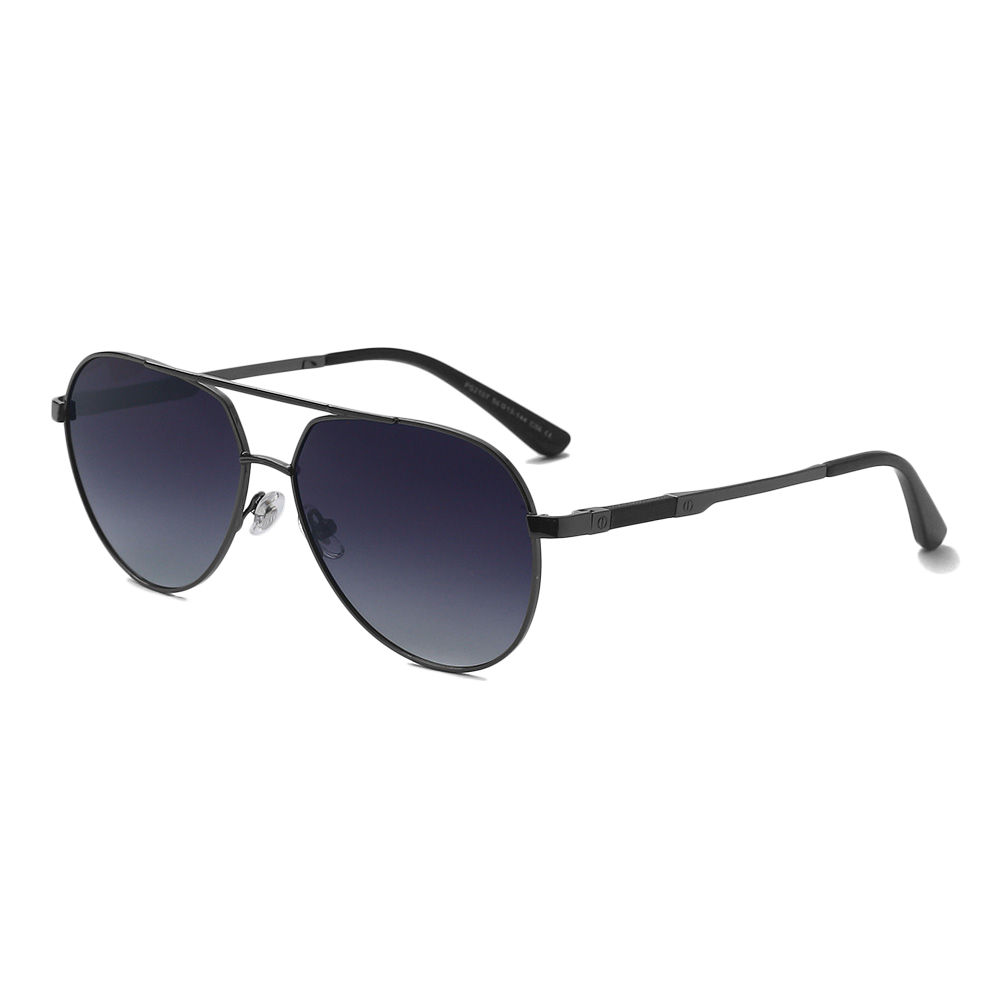
How To Evaluate Lens Performance In Polarized Sunglasses
Lens performance is not only about how dark the sunglasses appear. A darker lens does not always mean better control. What matters more is how the lens handles reflection and changing brightness.
Polarized Sunglasses are often evaluated based on how they respond to real movement and environment changes. A stable lens keeps visual conditions steady even when light shifts quickly.
Several observation points are commonly used:
- how well glare from flat surfaces is reduced
- how stable vision feels during movement
- how smoothly eyes adjust between light and shade
- how clear objects remain under reflective conditions
In practical use, better performance often feels like reduced visual noise. The environment looks less harsh, especially in strong light conditions where reflection would normally stand out more.
| Use Situation | Light Condition | Visual Experience Without Polarized Lens | Visual Experience With Polarized Lens |
|---|---|---|---|
| Driving on open road | Strong sunlight reflection | High glare, frequent brightness shifts | Reduced glare, steadier contrast |
| Water environment | Surface reflection | Shimmering and scattered light | Softer reflection, clearer shapes |
| Urban outdoor space | Mixed reflective surfaces | Uneven brightness, visual noise | More balanced brightness |
| Open field area | Direct sunlight | Strong overall brightness | Controlled reflection, calmer view |
What Role Does Lens Material Play In China Polarized Sunglasses
Lens material often decides how stable visual performance feels in different environments. Polarized Sunglasses rely on layered lens structures that combine filtering ability with physical durability. The material is not only about clarity, it also affects how long the lens keeps its behavior under outdoor use.
Different material structures respond differently to light and heat exposure. Some stay more stable under long sunlight conditions, while others focus more on flexibility and light weight. In daily use, both comfort and visual control matter together.
Key material-related influences include:
- stability of light filtering over time
- resistance to surface wear from daily handling
- clarity consistency under strong sunlight
- balance between weight and wearing comfort
When material stays stable, visual output also remains more consistent. Any small change in surface condition may affect how light passes through the lens, which can slowly change the viewing experience.
How Does Frame Design Affect Overall Wearing Experience
Frame design plays a quiet role in how Polarized Sunglasses feel during long use. Even when lens performance is steady, poor frame balance can reduce comfort and affect usability in movement-based activities.
A stable frame helps keep lenses in correct position relative to the eyes. That positioning matters because polarized filtering works based on angle. Small shifts in alignment may slightly change how reflection is reduced.
Important design aspects often include:
- pressure distribution around nose and ears
- stability during walking or driving movement
- overall fit consistency across face shapes
- reduction of slipping during long wear
In real use, a balanced frame reduces the need for constant adjustment. That allows attention to stay on the environment rather than on the sunglasses themselves.
Which Features Matter More For Driving And Outdoor Switching Use
Many users move between driving and outdoor walking conditions within the same day. In these situations, Polarized Sunglasses need to handle changing light without requiring replacement or adjustment.
Switching environments means shifting between enclosed shade, open sunlight, reflective road surfaces, and mixed urban lighting. Each condition places slightly different demands on visual behavior.
Important features for this kind of use include:
- stable glare reduction under changing angles
- balanced brightness control across environments
- smooth visual transition between shade and sunlight
- consistent clarity during movement
The experience is not about one fixed condition, but about how smoothly the lens adapts when conditions change. A stable transition often feels more comfortable than strong filtering in only one direction.
What Common Issues May Appear During Polarized Sunglasses Use
Even with stable design, China Polarized Sunglasses may present certain visual effects depending on environment and user sensitivity. These effects are usually related to light angle, surface reflection, and adaptation time.
Some commonly observed situations include:
- slightly darker perception in low-light environments
- variation in reflection reduction when angles change quickly
- difference in clarity between reflective and non-reflective areas
These conditions do not indicate malfunction. They are more related to how polarized filtering interacts with real-world light behavior. Since light conditions are never fixed, visual experience can vary slightly across environments.
Over time, many users become accustomed to the filtering behavior, and visual response feels more natural during daily use.
How Do China Polarized Sunglasses Fit Into Modern Outdoor Visual Needs
Modern daily life often moves between different environments within a short time. Driving, walking outdoors, and passing through mixed light spaces all happen in sequence. Polarized Sunglasses fit into this pattern by offering a stable visual layer across changing conditions.
Instead of focusing on a single use case, they support a continuous visual experience. Road reflection, water glare, and urban brightness shifts are handled within the same lens system, reducing the need to switch eyewear frequently.
Their role can be described in several simple ways:
- support clearer vision during movement-based activities
- reduce discomfort caused by reflected light
- maintain steadier visual contrast in changing environments
- assist smoother adaptation between indoor and outdoor light
The value lies in consistency rather than intensity. Light is still present, only its sharp reflections are reduced so visual focus remains easier to maintain.
Across driving and outdoor conditions, Polarized Sunglasses act as a light management layer rather than a simple shading tool. The lens structure interacts with reflection patterns found on roads, water, glass, and open environments, shaping how visual information is received.
When frame design, lens material, and polarization behavior stay balanced, the experience becomes more stable across different situations. Driving feels less affected by sudden glare, and outdoor viewing feels less disturbed by scattered brightness.
The overall function is quiet in nature. It does not change the environment, only adjusts how reflected light is seen within it.

Customized For Your Business
Combining fine craftsmanship with automation technology, we create glasses that are competitive in the market.
Quick Links
Information
Contact Us
-
 No. 7-1, Dengtou Industrial Zone, Duqiao Town, Linhai City, Taizhou City, Zhejiang Province
-
 +86-13666884088
-
 +86-13666884088
-
 +86-573-85505155
-
 [email protected]
Copyright © Zhejiang Zhansheng Glasses Co., Ltd.Rights Reserved.
OEM Eyeglass & Glasses Manufacturer
