
 Español
 русский
 عربى
عربىIndustry News
Home / News / Industry News / What Makes Clear Cat Eye Blue Light Glasses Different from Regular Eyewear

Screens have quietly become part of everyday life. Office work, online learning, shopping, reading, entertainment, even simple communication often happen through phones, tablets, or computers. Many people spend hours looking at digital displays without noticing how often their eyes shift between bright screens and surrounding light. Growing attention to visual comfort has made blue light glasses a familiar choice, while frame styles have also changed from purely practical designs to options that suit different personal preferences.
Among many styles available today, Clear Cat Eye Blue Light Glasses attract attention because they combine a transparent appearance with a classic frame shape and lenses designed for daily screen use. Unlike ordinary fashion eyewear, every part of the product, from lens selection to frame structure, serves a practical purpose during everyday activities.
A pair of blue light glasses looks similar to ordinary eyewear at a glance. Differences become easier to notice after looking more closely at how the lenses and frame are designed.
Blue light filtering lenses are intended for people who spend long periods using electronic devices. Instead of changing normal vision, the lenses are designed to reduce part of the high-energy visible light produced by digital screens. Many people wear them while working, studying, reading electronic documents or browsing on mobile devices.
Frame design adds another layer to daily use. A cat eye shape gently lifts the outer corners, creating a softer outline than many square or rectangular frames. Clear materials give the frame a lighter visual appearance, allowing the glasses to match different clothing styles without becoming too noticeable.
Daily situations where such eyewear is often seen include:
Rather than treating appearance and function as separate features, modern eyewear often combines both into a single product that fits different environments throughout the day.
Many people assume blue light glasses block screen light completely. Actual lens design works in a much gentler way.
Digital displays produce different wavelengths of visible light. Blue light forms one part of that visible range. Blue light filtering lenses are designed to reduce a portion of that light while still allowing everyday viewing to remain natural. Objects, documents and images stay clear without creating a dark viewing experience.
Consider a normal working day. A designer edits images on a monitor for several hours. An accountant reads spreadsheets through the afternoon. A university student switches between online classes and electronic notes. Screen brightness remains similar, yet continuous viewing often causes people to blink less frequently. Dry eyes and temporary visual tiredness may gradually appear. Lens filtering cannot remove every source of eye discomfort because lighting conditions, viewing distance and personal habits also influence visual comfort. Even so, suitable lenses become one part of a more comfortable viewing environment.
Healthy screen habits remain important.
Simple daily practices include:
Blue light glasses work alongside those habits rather than replacing them.
Frame shape changes how glasses look on the face as much as the lenses influence vision. Cat eye frames remain popular because the upward outer corners create gentle facial balance without looking overly formal.
Clear frames make another difference. Dark-colored frames naturally attract attention, while transparent materials blend more easily with different skin tones, hairstyles and clothing. Someone wearing business clothing in the morning and casual clothing later in the day usually does not need another pair simply because the frame color feels out of place.
Different face shapes often suit different frame styles.
For example:
Personal preference still plays an important role. Comfort around the nose, temples and ears usually matters more than appearance alone during several hours of continuous wear.
Regular eyewear may focus on vision correction, sun protection or simple decoration. Blue light glasses are designed around another daily situation—extended digital screen use.
Differences appear in several areas rather than a single feature.
| Feature | Clear Cat Eye Blue Light Glasses | Regular Eyewear |
|---|---|---|
| Primary use | Daily digital screen viewing | General vision or fashion use |
| Lens function | Filters part of blue light | Depends on lens type |
| Frame appearance | Clear cat eye design | Many different shapes and colors |
| Wearing scene | Office, study, home, indoor activities | Varies according to purpose |
| Style balance | Functional and decorative | Depends on product design |
Lens structure receives much attention, although frame comfort deserves equal consideration. Glasses worn throughout the day rest on the face for many hours. Weight distribution, temple flexibility and nose support all influence daily comfort.
Another noticeable difference comes from versatility. Clear frames match formal workplaces, cafés, libraries, classrooms and home environments without standing out too much. Cat eye styling adds personality while remaining suitable for many everyday situations, making Clear Cat Eye Blue Light Glasses a practical option for people who move between different settings during the day.
Frame material shapes everyday wearing experience long before style becomes part of the conversation. Glasses may look similar on display, yet comfort often changes after several hours of use because every material responds differently to pressure, temperature and repeated movement.
Plastic materials remain common for transparent frames because they are easy to shape into different designs and colors. Metal frames create a different feeling, often giving a slimmer appearance with a firmer structure. Some lightweight composite materials provide additional flexibility, making them suitable for people who remove and wear glasses many times during the day.
Material selection usually considers several points together rather than focusing on only one feature.
Common considerations include:
Transparent frames require another level of attention during production. Small surface marks, tiny air bubbles or uneven polishing become easier to notice on clear materials than on darker colors. Because of that, manufacturing often includes careful polishing and repeated appearance checks before frames move to the next stage.
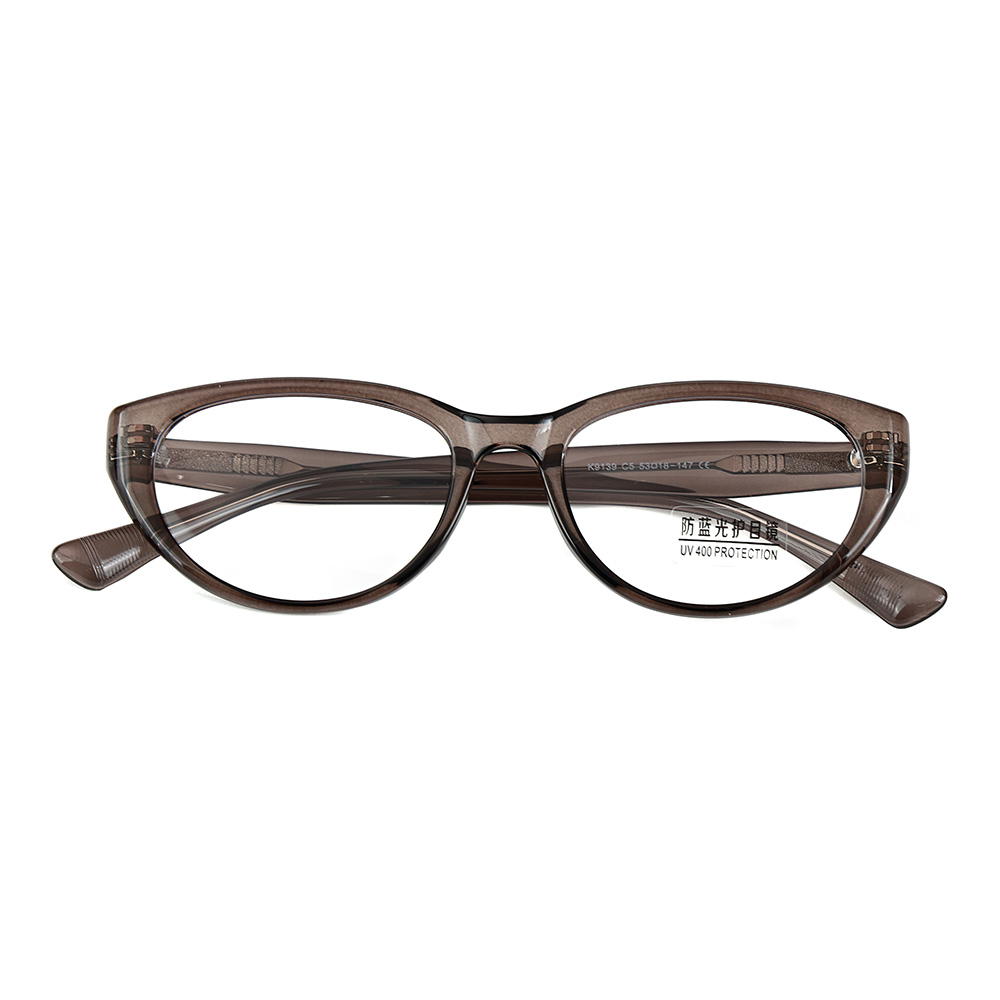
A finished pair of glasses starts long before lenses are installed. Behind every frame is a process involving design, material selection, sample evaluation and production adjustment. A Custom Eyewear Manufacturer usually works with different frame shapes, colors and lens options according to customer requirements instead of producing only one standard style.
Development often begins with a design drawing. Designers adjust frame width, curve, bridge shape and temple length until the overall structure reaches a comfortable balance. Sample frames are then produced for fitting checks. Small changes may continue during this stage because even slight differences in frame shape can influence how the glasses rest on the face.
After the frame structure is confirmed, attention moves to materials and finishing details. Clear frames require consistent transparency, while colored frames focus more on uniform appearance. Lens options are selected according to the intended use, whether for blue light filtering, vision correction or ordinary daily wear.
Typical customization options include:
Different markets often prefer different styles. Some focus on lightweight frames suitable for office use. Others prefer bold shapes that become part of everyday fashion. A Custom Eyewear Manufacturer usually adjusts production according to those preferences while keeping frame comfort and manufacturing consistency in mind.
Appearance often attracts attention at the beginning, although long-term comfort usually determines whether the glasses remain part of daily life.
Frame size should match facial proportions rather than following fashion alone. A frame that feels comfortable during a short fitting may create pressure after several hours of work. Temple length, bridge shape and overall balance all influence wearing comfort.
Lens quality deserves equal attention. Clear vision depends not only on blue light filtering but also on surface clarity, coating quality and proper finishing. Dirty or scratched lenses may reduce visual comfort regardless of the frame design.
Useful points before making a choice include:
Someone working mainly on a computer may look for different features than a person who wears glasses only during evening reading. Daily habits often provide better guidance than appearance alone.
Regular cleaning keeps lenses clear and helps the frame remain in good condition. Dust, skin oils and fingerprints gradually collect during everyday use, making lenses look cloudy even when they are not damaged.
A soft cleaning cloth removes light dirt without scratching the lens surface. Mild cleaning solution works well for ordinary maintenance. Strong household cleaners should be avoided because some ingredients may affect lens coatings or frame finishes.
Simple habits can extend normal service life.
Many frame adjustments become unnecessary when everyday care remains consistent. Hinges stay smoother, lenses remain cleaner and frame shape changes less over time.
Many differences between glasses are difficult to notice while looking at a display shelf. Small manufacturing details become much clearer after weeks of regular use.
Even polishing around the frame edges helps reduce rough contact with the skin. Smooth hinge movement makes daily opening and closing feel more natural. Balanced weight distribution helps prevent unnecessary pressure around the nose and ears. Lens fitting also deserves attention because a properly installed lens remains secure during normal use while maintaining a neat appearance around the frame edge.
Consumers often notice comfort without seeing the manufacturing process behind it. Careful finishing, suitable material selection and consistent assembly all contribute to how the glasses feel during everyday activities.
For Clear Cat Eye Blue Light Glasses, appearance may attract attention in the beginning, while comfort and practical use often determine whether the glasses become part of a daily routine. Frame design, lens function and manufacturing quality work together, creating eyewear suitable for reading, office work, studying and many other indoor activities where digital screens have become part of everyday life.

Combining fine craftsmanship with automation technology, we create glasses that are competitive in the market.
 No. 7-1, Dengtou Industrial Zone, Duqiao Town, Linhai City, Taizhou City, Zhejiang Province
 +86-13666884088
 +86-13666884088
 +86-573-85505155
 [email protected]
Copyright © Zhejiang Zhansheng Glasses Co., Ltd.Rights Reserved.
OEM Eyeglass & Glasses Manufacturer
