
 Español
 русский
 عربى
عربىIndustry News

Tips for Selecting the Right Bluelight Glasses Men
Author: Admin
Date: Jul 17,2026
Screen time has become part of ordinary life. Work, study, messaging, reading, and entertainment often happen through a display, so eyewear choices now follow a different set of expectations than before.
Many people look at glasses with more than one goal in mind. Appearance still matters, yet comfort, daily wear, and how the lenses feel during long hours also enter the decision. A pair of glasses may look fine, though long use can tell a different story.
Bluelight Glasses Men are often considered by users who spend much of the day in front of screens and want eyewear that fits that routine. Office workers, remote workers, students, and people who switch between devices during the day may all look for slightly different features.
A practical choice usually depends on a few points:
- comfort during longer wear
- frame shape and balance
- lens appearance and clarity
- fit with daily work habits
Someone moving between home, office, and outdoor spaces may place more weight on frame stability and how easy the glasses are to wear for long periods.
Eyewear selection has become more tied to daily routines. Instead of choosing only by style, many people now compare how glasses fit into normal use.
What Factors Should Be Considered Before Choosing Bluelight Glasses Men
A good choice starts with the way the glasses will actually be used. What feels comfortable for one person may not suit another person’s schedule, activities, or wearing habits.
Frame comfort often becomes noticeable after the glasses have been worn for a while. A frame that sits well can feel easier on the nose and ears, which matters when glasses stay on for many hours.
A few practical points are usually checked during selection:
- Frame size: glasses that fit the face well tend to stay in place more easily.
- Weight balance: lighter feel can make long wear less tiring.
- Lens clarity: viewing comfort remains part of daily use.
- Usage setting: office work, travel, and screen habits may point to different choices.
Frame shape also affects how the glasses work in daily movement. A pair used mainly at a desk may have different needs from a pair worn while commuting or moving around during the day.
Lens choice connects with habit as well. Some users prefer a simple look that matches different outfits and settings. Others focus more on lens type and the feeling of wearing the glasses for long stretches.
Material choice matters too. A balanced frame and lens combination can make the glasses feel more natural on the face.
Looking at the full picture often gives a clearer answer than focusing on one feature alone. Comfort, appearance, and daily use all shape the final decision.
What Lens Options Are Available In Bluelight Glasses Men
Lens choice plays a large part in how the glasses look and feel. Different lens options can create different results, so many users compare them according to routine and preference.
Common options include clear lenses, lightly tinted lenses, prescription lenses, and lightweight materials. Each one fits a slightly different use pattern.
| Lens Option | Common Feature | Suitable Situation |
|---|---|---|
| Clear lens | Keeps a natural appearance | Office work and general daily use |
| Slight tinted lens | Creates a different visual style | Users who prefer a changed lens look |
| Prescription lens | Combines correction needs with eyewear use | People who need vision support |
| Lightweight lens material | Focuses on easier wear | Longer periods of daily use |
Clear lenses are often chosen by people who want a simple appearance that works in many settings. Their look stays close to regular eyewear, which makes them easy to match with daily wear.
Slightly tinted lenses offer another path for users who prefer a different visual feel. Lens color can change the overall look of the glasses and become part of personal style.
Prescription lenses serve another need by combining correction with eyewear use. For people who already wear corrective glasses, that can keep daily routines simpler.
Lightweight lens materials matter when comfort is a priority. Since glasses may stay on the face for a long time, lens weight can influence how the frame feels over the day.
Lens choice usually comes down to daily habit rather than a single feature. Work setting, wear time, and personal preference all shape which option feels more fitting.
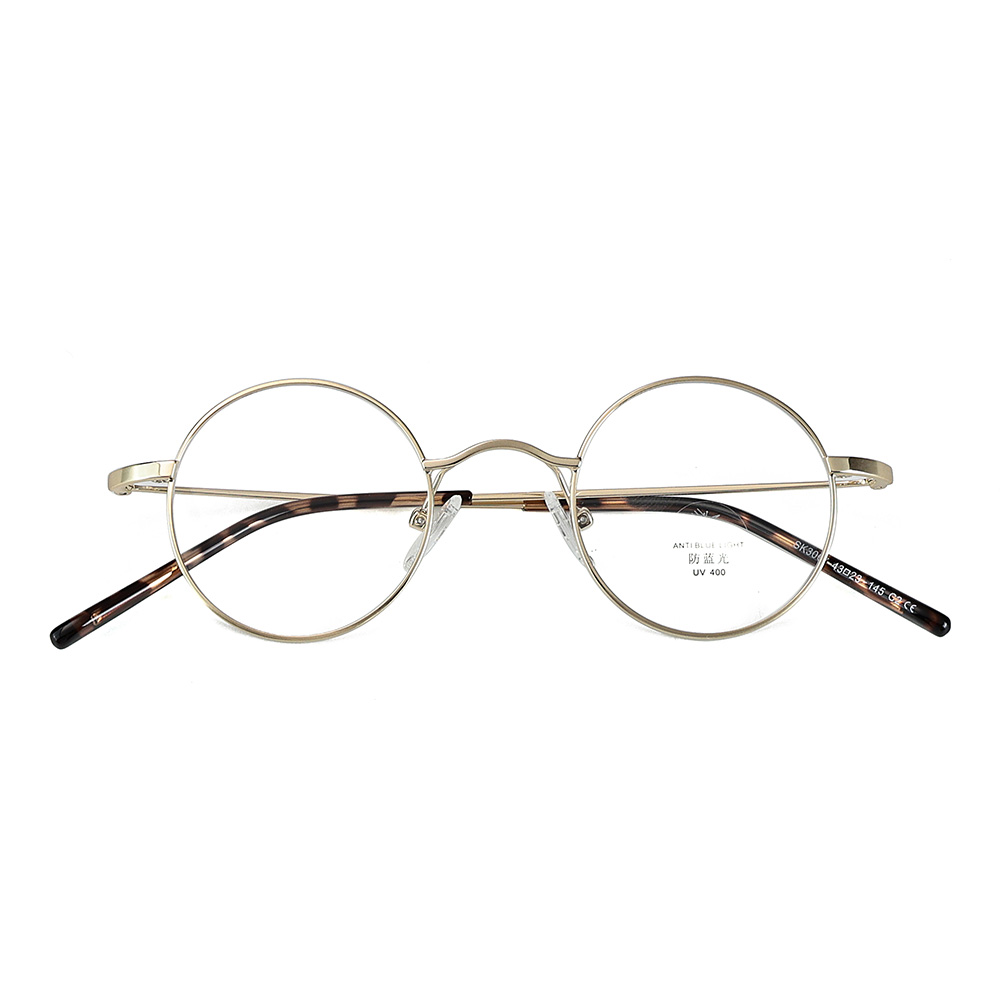
How Does Lens Material Affect The Wearing Experience
Lens material changes more than appearance. Weight, cleaning, and how the surface holds up during normal handling all shape the wearing experience.
People who keep glasses on for long periods often notice whether the lenses feel light and easy to manage. A lighter design may reduce pressure, while a practical surface can make cleaning less troublesome.
A few material-related points are worth checking:
- lens weight and balance
- ease of daily cleaning
- resistance to normal handling
- visual comfort during wear
Different materials may need different care. Proper cleaning and storage can help keep the lenses in suitable condition and make the glasses easier to use over time.
Lens development keeps moving toward a balance between appearance, comfort, and everyday practicality. As screens become part of ordinary routines, lens selection has become a more detailed part of choosing eyewear.
How Do Frame Designs Match Daily Wearing Needs
Frame design changes how glasses feel once they are on the face for a while. Lens choice matters, yet the frame decides where the glasses sit, how much pressure appears, and whether they stay in place during normal movement.
A frame that fits well usually feels quieter during wear. It does not draw attention to itself, and that often matters more than looks alone once glasses are worn through a workday or a long evening. Size, nose support, and side arm shape all leave a mark on comfort.
A few frame details are worth checking:
- frame width that matches the face shape
- nose support that does not press too hard
- side arms that hold steady without slipping
- weight balance that feels even during wear
Some people stay in one place for long hours, while others move between rooms, transport, and outdoor settings. A desk-based routine may call for a lighter frame with a simple shape. A more active routine may need something that stays stable when the head moves often.
Style still matters, although comfort usually becomes the deciding point after longer use. A clean frame shape can fit many situations, while a more defined shape may suit people who prefer a stronger visual look. Practical use and appearance often sit side by side instead of competing.
Bluelight Glasses Men work well when frame and lens feel matched. A comfortable lens can still feel awkward if the frame sits poorly, so both parts should be looked at together.
What Should Be Checked When Comparing Lens Features
Lens comparison often starts with appearance, yet daily use depends on more than how the glasses look in the package or on a display stand. Cleaning habits, wear time, and the kind of work being done all influence whether a lens feels easy to live with.
A few simple questions help narrow down the choice:
- How long will the glasses be worn each day?
- Is a simple look more useful than a stronger visual change?
- Does the wearer need correction in the same pair?
Clear lenses are often chosen by people who want a familiar look. They keep the eyewear close to a regular pair of glasses, which makes them easier to wear in many settings.
Slightly tinted lenses create a different look and may appeal to users who like a small visual change. Prescription lenses answer another need by bringing correction and daily eyewear into one pair. Lightweight lens materials matter when the goal is to reduce pressure during long wear.
Lens features do not work alone. A lens that seems suitable in theory still needs to match the user’s routine. Someone who spends the day at a screen may look for a different feeling than someone who wears glasses only during certain tasks.
A careful comparison usually comes from connecting lens style with actual use. Looking at the full routine gives a better idea of which option may feel natural over time.
How Can Proper Care Help Maintain Bluelight Glasses Men
Regular care often makes the difference between glasses that feel ready every day and glasses that slowly become uncomfortable. Dust, fingerprints, and small marks are part of normal use, so simple care habits matter more than they may seem.
Cleaning should stay gentle. Rough cloths or careless wiping can leave marks on the lens surface, while soft cleaning habits help keep the view clear and the glasses easier to use.
A few basic care habits are worth keeping in mind:
- clean lenses with suitable materials
- avoid setting glasses on rough surfaces
- store them in a safe place when not in use
- check frame parts now and then
Storage habits also affect how long glasses stay comfortable. Leaving them on a desk, inside a bag without protection, or face down on a hard surface can create wear that slowly changes the fit or lens condition.
Frame checks deserve attention too. Loose parts or a slight shift in position may not seem urgent right away, yet they can change the wearing feeling over time. A quick look from time to time helps keep small issues from turning into daily irritation.
Care does not need a complicated routine. Small actions repeated often usually help more than occasional heavy cleaning or rushed handling.
How Are Bluelight Glasses Men Changing With Lifestyle Needs
Daily life now moves through screens in a way that was not common before. Work, study, reading, and casual browsing often happen in front of a display, so eyewear design keeps adjusting to that habit.
People tend to wear glasses in more places and for longer stretches than before. One pair may move from a desk to a meeting to a commute, then back again the next day. That kind of use places more attention on comfort, shape, and how easy the glasses are to manage.
Design trends are moving toward:
- frames that feel comfortable for longer wear
- more lens appearance choices
- styles that fit work and daily use
- care methods that stay simple
Lens options continue to widen as well. Some users want a simple appearance, while others prefer a slightly changed look or a pair that combines correction with daily wear. More variety makes it easier to match glasses with personal routine rather than forcing one style to fit everyone.
Bluelight Glasses Men reflect that shift in eyewear use. The choice now reaches beyond appearance alone and includes frame fit, lens type, and the way glasses support everyday habits.
A good choice usually comes from understanding daily use clearly. Wearing time, work setting, maintenance habits, and personal style all shape the final result. When those parts line up, eyewear feels easier to keep in rotation and more natural to wear through ordinary days.

Customized For Your Business
Combining fine craftsmanship with automation technology, we create glasses that are competitive in the market.
Quick Links
Information
Contact Us
-
 No. 7-1, Dengtou Industrial Zone, Duqiao Town, Linhai City, Taizhou City, Zhejiang Province
-
 +86-13666884088
-
 +86-13666884088
-
 +86-573-85505155
-
 [email protected]
Copyright © Zhejiang Zhansheng Glasses Co., Ltd.Rights Reserved.
OEM Eyeglass & Glasses Manufacturer
