
 Español
 русский
 عربى
عربىIndustry News

How Does Blue Light Filtration Work in Clear Cat Eye Frames
Author: Admin
Date: Jul 31,2026
Eyewear design has gradually moved beyond simple vision correction, with frame appearance, wearing comfort, and lens function becoming fairly connected parts of product development. Clear cat eye frames represent a style that combines a transparent look with a distinctive curved outline, which tends to suit users who prefer lighter visual designs while still needing functional lenses for daily activities.
Digital screens, indoor lighting environments, and extended visual tasks have increased attention toward lens filtering functions over recent years. Blue light filtering has become one of the considerations during eyewear development, since certain light wavelengths may affect visual comfort during long stretches of screen exposure. A well-designed lens generally doesn't rely on appearance alone — it tends to require coordination between optical materials, surface treatments, and frame structures.
Clear Cat Eye Blue Light Glasses combine transparent frame aesthetics with lenses designed to filter specific light ranges. The frame itself doesn't really create the filtering effect on its own — the lens material and processing methods tend to determine how light passes through. During production, designers generally need to weigh frame thickness, lens shape, edge processing, and overall balance to keep the finished product both visually appealing and practical.
A Custom Eyewear Manufacturer usually works across different design requirements, including frame styles, material choices, and lens combinations. The manufacturing process tends to involve several stages, from initial design planning through material selection and assembly, and each stage tends to affect the final performance and appearance somewhat.
How Does Blue Light Filtration Work Inside Clear Cat Eye Blue Light Glasses?
Blue light filtration mainly works through the interaction between lens materials and incoming light. Natural and artificial light both contain a range of wavelengths, and blue light makes up part of the visible spectrum. Filtering lenses are generally designed to reduce transmission of certain blue light ranges while keeping the viewing experience fairly clear.
Two approaches tend to show up during lens production:
- Lens material adjustment — certain lens materials can be developed with filtering characteristics built into their structure, so light transmission shifts somewhat as it passes through
- Surface coating application — a thin functional layer applied to the lens surface, which works by adjusting how certain wavelengths interact with that surface
Filtering generally doesn't mean removing all blue light. Natural vision relies on a fairly broad range of visible light, so lens design tends to focus on adjusting transmission rather than blocking a specific color range entirely. Keeping lens clarity and natural color perception intact remains a fairly important consideration throughout development.
Clear frame designs tend to need careful lens matching, since transparent materials make the lens area more noticeable. Any shift in lens color, reflection, or surface appearance may influence the overall visual effect. Manufacturers generally need to balance filtering performance with the transparent look expected from clear cat eye styles.
| Design Element | Production Consideration | Influence on Eyewear |
|---|---|---|
| Lens Material | Filtering characteristics, optical clarity | Affects light transmission and viewing experience |
| Surface Treatment | Application method, durability | Influences reflection and lens appearance |
| Frame Structure | Matching lens shape with cat eye curves | Supports comfort and visual balance |
| Material Transparency | Coordination between frame and lens colors | Helps maintain the clear frame style |
What Lens Technologies Tend to Be Used for Blue Light Filtering?
Blue light filtering lenses can involve different production methods depending on the intended application. Some rely on built-in material characteristics, while others use surface treatments added during manufacturing — and each approach tends to require fairly careful control, since appearance and function need to work together.
Material-based filtering generally focuses on the internal composition of the lens. Manufacturers adjust the material's characteristics so it interacts with specific wavelengths, and these lenses tend to keep a fairly natural appearance since the filtering function sits inside the lens structure itself.
Coating-based filtering uses a surface layer that changes light reflection and transmission behavior. This process tends to require attention to thickness, uniformity, and compatibility with different lens materials. A well-matched surface treatment can support filtering while keeping the lens appearance reasonably consistent with clear frame designs.
For transparent cat eye frames, lens processing tends to matter quite a bit more, since the frame style draws attention to the lens area. A lens with a noticeable tint or uneven surface effect may shift the intended look of the frame. Production teams generally need to weigh both functional requirements and visual characteristics together during development.
Different users tend to have somewhat different expectations for blue light filtering eyewear — some focus mainly on appearance and daily comfort, others pay closer attention to lens function. Manufacturers often adjust designs depending on the intended use, whether that's office work, reading, or general indoor wear.
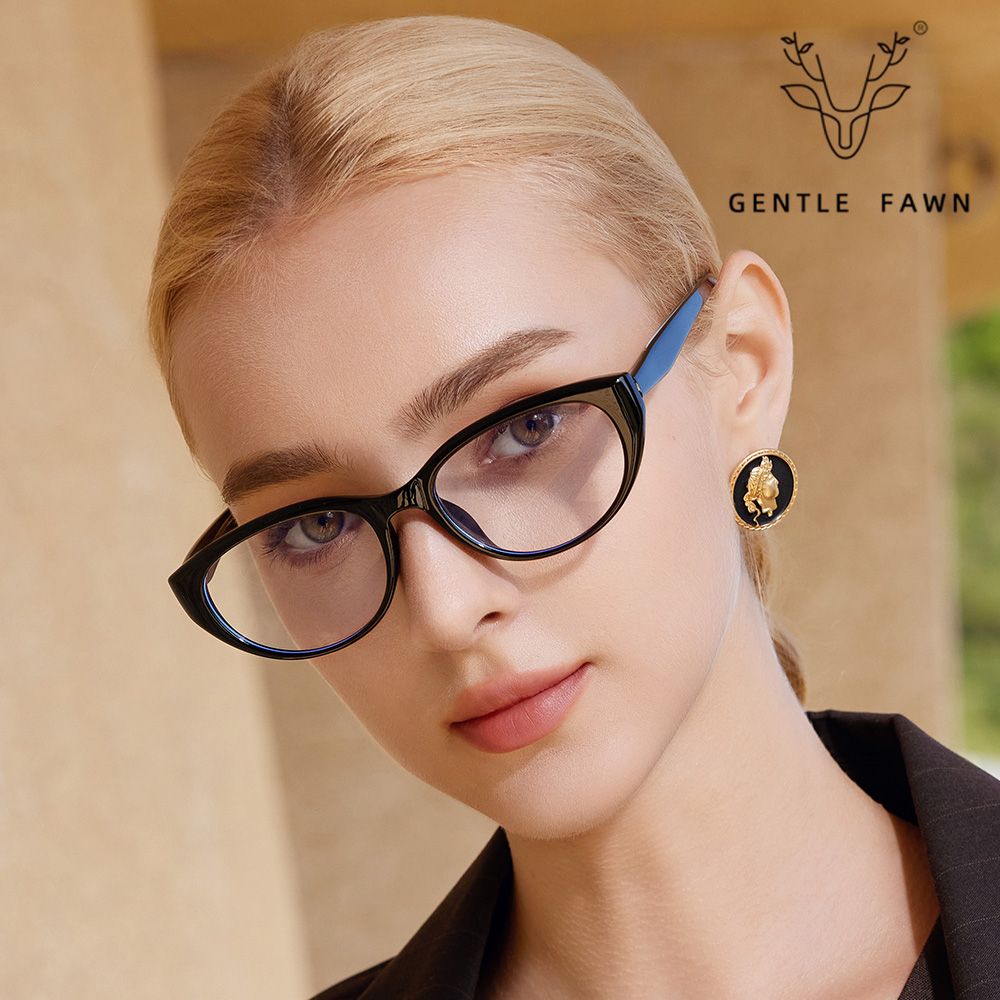
How Do Clear Cat Eye Blue Light Glasses Combine Style and Function?
Cat eye frames carry a fairly recognizable curved shape that connects classic eyewear styling with more modern design preferences. Clear materials tend to add a softer visual effect, letting the frame structure stay visible without feeling heavy.
When paired with blue light filtering lenses, clear cat eye frames tend to need coordination across a few elements:
- Frame geometry — the upward curve of cat eye designs affects lens shape and edge processing; proper matching helps keep the intended silhouette
- Lens size and thickness — influences both appearance and wearing comfort, helping the lens sit naturally within the frame
- Material compatibility — transparent frame materials need to work reasonably well with lens colors and surface treatments to keep a consistent look
- Daily usability — lightweight construction, balanced weight distribution, and comfortable fitting points tend to shape the long-term wearing experience
Modern eyewear production increasingly treats fashion and function as connected rather than separate — frames aren't really seen as purely decorative anymore, and lenses aren't treated as just optical parts either. The two tend to interact throughout the design process.
A Custom Eyewear Manufacturer often evaluates customer requirements from several angles at once, including design sketches, material selection, prototype adjustment, and production methods. That kind of coordination tends to allow different frame concepts to move forward while staying practical to manufacture.
How Does a Custom Eyewear Manufacturer Develop Blue Light Filtering Frames?
Developing blue light filtering frames tends to involve several connected steps. A design idea generally needs to become a structure that can be produced consistently while still meeting appearance and function requirements.
The process usually starts with frame concept development — designers work out the overall shape, including frame curves, bridge structure, and temple design. For clear cat eye frames, balancing transparency with shape tends to be an important part of this planning stage.
Material selection follows next. Different materials offer different levels of flexibility, durability, and visual character. Transparent materials tend to need extra attention here, since surface quality and color consistency are easier to spot compared with opaque designs.
Lens matching comes after that. The lens shape needs to fit the frame structure, and filtering characteristics need to line up with the intended use. Manufacturers generally evaluate how lens processing and frame assembly connect, to help reduce issues during production.
Quality control during manufacturing tends to cover:
- Frame dimension consistency
- Lens fitting accuracy
- Surface treatment quality
- Assembly stability
- Overall appearance inspection
Through this kind of coordinated production management, manufacturers can develop eyewear that connects visual style with functional requirements fairly well. Clear cat eye frames with blue light filtering lenses offer one example of how eyewear development continues to bring design concepts and practical applications closer together.
What Factors Affect the Performance of Blue Light Filtering Eyewear?
The performance of blue light filtering eyewear tends to depend on several connected factors, including lens design, frame structure, material selection, and production accuracy. A filtering function generally isn't down to one single component, since the lens and frame tend to work together throughout daily use.
Lens material tends to play a fairly important role in light transmission. Different materials may create different visual characteristics — color appearance, transparency, reflection — so manufacturers generally need to select materials suited to the intended application while keeping the viewing experience feeling natural.
Surface treatment is another factor that tends to influence lens performance. A coating generally needs to be applied fairly evenly across the lens surface to maintain consistent optical characteristics. Poor compatibility between coating and lens materials may affect appearance, durability, or long-term usability.
Frame design also tends to shape how the lens performs in real situations. Clear cat eye frames usually carry a fairly distinctive curved structure, which means lens shape and edge processing tend to need careful adjustment. A good connection between frame and lens tends to help with stability while supporting comfortable wearing.
A few factors commonly get considered during eyewear development:
- Lens transparency — clear lenses tend to need careful processing, since slight changes in color or surface quality can affect the overall look
- Frame fitting — proper lens positioning inside the frame tends to support comfort and helps keep the original design shape
- Material characteristics — frame materials influence weight, flexibility, and compatibility with different lens solutions
- Production consistency — manufacturing control tends to affect whether each finished piece keeps a similar structure and appearance
For Clear Cat Eye Blue Light Glasses, the relationship between frame design and lens technology tends to matter quite a bit. Transparent frames make small design details easier to notice, so manufacturers usually pay close attention to both functional requirements and visual coordination.
How Are Clear Cat Eye Blue Light Glasses Used in Different Daily Scenes?
Daily environments tend to shape how people choose eyewear. Different activities create somewhat different expectations for lens function, frame comfort, and appearance. Blue light filtering eyewear often comes up for situations involving extended visual attention — office tasks, reading, studying, indoor entertainment.
During computer-based work, users often focus on screen distance, posture, and wearing comfort. Eyewear used in these situations generally needs a comfortable fit while keeping vision clear. Lens filtering characteristics tend to be one part of the overall wearing experience rather than the only thing that matters.
For reading and study, frame weight and nose support tend to influence comfort over longer stretches of use. Cat eye frames in clear materials can offer a fairly lightweight visual style, which tends to suit users who prefer a softer-looking frame.
Indoor lighting conditions also tend to affect how eyewear feels during use. Different light sources may create different reflections on the lens surface, so lens treatments and frame design generally need to work together to reduce unnecessary visual distraction while keeping things looking natural.
Clear cat eye styles also show up fairly often in casual settings, thanks to their design flexibility. The transparent look tends to pair well with different clothing styles and personal preferences. Functional lenses add another layer of consideration for users who want eyewear that fits both daily activities and aesthetic expectations.
When developing products for different scenarios, a Custom Eyewear Manufacturer generally needs to think beyond visual design alone — production teams tend to evaluate user habits, frame structure, lens compatibility, and manufacturing requirements together to shape suitable eyewear solutions.
What Trends Are Shaping Blue Light Filtering Eyewear Production?
Eyewear production continues to shift as user expectations evolve. Modern designs increasingly combine appearance, comfort, and practical function rather than leaning on just one aspect. Clear frames, flexible materials, and functional lenses have become fairly common directions in product development.
Customization has become a fairly important part of eyewear manufacturing. Different markets and customers may want variations in frame shape, color, lens function, or packaging, and a Custom Eyewear Manufacturer usually works through these requirements with flexible design processes and production planning.
A few factors tend to influence current development trends:
| Trend Direction | Production Focus | Design Impact |
|---|---|---|
| Transparent Frame Design | Material clarity, surface quality | Creates a lighter visual effect |
| Functional Lens Development | Lens material and coating adjustment | Supports different usage needs |
| Customized Production | Flexible manufacturing processes | Allows varied frame concepts |
| Comfortable Structure | Frame balance and fitting design | Improves daily wearing experience |
Another shift in eyewear development involves the growing connection between digital lifestyles and product function. As people spend more time on electronic devices, manufacturers keep adjusting lens designs and frame structures to match changing expectations.
Appearance still remains a fairly important consideration throughout. Users often look for eyewear that fits their personal style while covering practical needs. Clear cat eye frames offer one example of how a fairly traditional frame shape can pair with more modern lens technology.
Production methods also tend to keep improving through better design communication and manufacturing coordination. From prototype creation to final assembly, each stage tends to influence the consistency and usability of the finished eyewear.
Where Might Clear Cat Eye Frames Head Next in Functional Eyewear?
The future of clear cat eye frames will probably involve closer cooperation between design and technology. Frame appearance, lens function, and manufacturing methods tend to keep influencing each other throughout product development.
Transparent frame designs tend to open up different style directions, since the material lets designers focus on shape, proportion, and structure fairly freely. Paired with functional lenses, these frames can support users who want both a good look and practical features.
Lens development will probably keep focusing on balancing filtering function with visual clarity. Rather than changing the natural look of the eyewear, future designs may lean more toward maintaining comfortable viewing conditions while adding useful lens characteristics on top.
Manufacturing cooperation tends to stay important throughout this process. A Custom Eyewear Manufacturer generally needs to understand customer requirements, material possibilities, and production limitations along the way — good coordination between design and manufacturing tends to help turn concepts into finished products.
Clear cat eye frames with blue light filtering lenses show, in a fairly practical way, how eyewear keeps evolving through the connection between design and function. The development process tends to involve several factors at once — lens technology, material selection, frame structure, user experience — and as production methods keep changing, functional eyewear will likely keep adapting to different lifestyle needs while still leaving room for varied design directions.

Customized For Your Business
Combining fine craftsmanship with automation technology, we create glasses that are competitive in the market.
Quick Links
Information
Contact Us
-
 No. 7-1, Dengtou Industrial Zone, Duqiao Town, Linhai City, Taizhou City, Zhejiang Province
-
 +86-13666884088
-
 +86-13666884088
-
 +86-573-85505155
-
 [email protected]
Copyright © Zhejiang Zhansheng Glasses Co., Ltd.Rights Reserved.
OEM Eyeglass & Glasses Manufacturer
