
 Español
 русский
 عربى
عربىIndustry News

What Are Korean Style Spectacles Frame And Their Fashion Trend
Author: Admin
Date: Aug 07,2026
A few visual traits really set Korean frames apart from other styles right away. Proportions lean toward softer lines and gentle curves rather than anything sharp or angular. The overall effect reads as subtle refinement — nothing bold, nothing shouting for attention.
Dimensions diverge from Western designs in ways that reflect entirely different aesthetic priorities. Korean frames often sit a touch higher on the face. Bridge positioning creates a distinct visual balance compared to what Western eyewear typically goes for. Temple width tends to run proportionally narrower too.
Color palettes associated with Korean frames lean earthy and muted. Beiges, browns, olive greens, soft greys — these show up constantly. Transparent and translucent finishes have become a real staple as well, and honestly, these color choices are what make the frames genuinely versatile across different wardrobe colors.
Put together, these choices land on a very specific look. Understated. Considered. The frame complements the face rather than competing with it, and the wearer comes across as thoughtful about their appearance without seeming like they're trying particularly hard.
What Materials Are Commonly Used in Korean Spectacles Frame Construction?
Material choices in Korean frame manufacturing balance practical concerns against aesthetic ones. A handful of materials keep showing up again and again, each bringing its own particular strengths to the table. What material gets used really shapes how a frame looks, feels, and holds up over time.
Weight really does shape comfort in a noticeable way. A lighter frame puts less pressure on the nose and ears, and that comfort is honestly what keeps people reaching for the same glasses day after day. Anyone who's switched between a light frame and a heavy one knows the difference immediately.
Durability ties into material choice too, in a pretty practical sense. Materials that resist corrosion and wear simply last longer. Ones that can actually be repaired when something goes wrong offer real long‑term value. Matching material to expected usage and care really comes down to being realistic about how the glasses will actually get used.
Certain materials line up naturally with Korean design philosophy because they support that clean, uncluttered look the style is going for. Transparent acetates create a barely‑there effect. Thin metals add structure without adding visual weight. The material ends up enhancing the design rather than fighting against it.
How Do Shapes and Silhouettes Evolve in Korean Frame Trends?
Shape preferences in Korean eyewear really do shift over time, though not all at the same pace. Some shapes stick around season after season while others come and go fairly quickly. Getting a handle on these patterns helps separate what's actually current from what's already moved on.
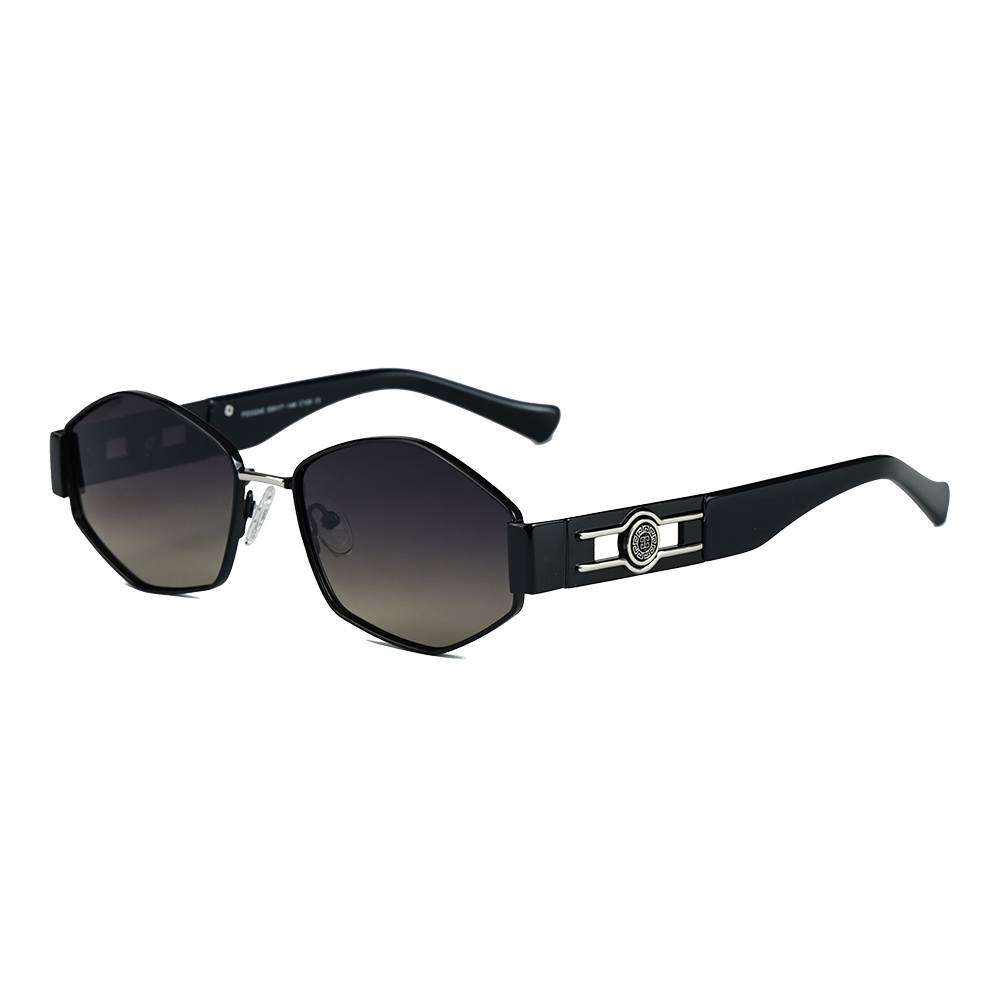
Right now, rounded frames, geometric frames, and softly angular designs dominate the landscape. Round frames have held steady in popularity across several seasons running. Geometric shapes — hexagons, octagons — keep turning up in collections too. Softly angular designs split the difference nicely, landing somewhere between round and sharp‑edged.
These shifts tend to track broader fashion movements rather than happening in isolation. One season might favor oversized frames; the next might swing toward something narrower. That change is usually gradual, not some sudden overnight pivot.
Face shape genuinely factors into frame selection in a practical way. A frame that flatters one face shape might do nothing for another, and Korean styling really does aim to harmonize the frame with whatever facial structure it's sitting on.
Some silhouettes just stay popular no matter what season it is, mostly because they work across such a wide range of faces. Classic shapes like the round metal frame or the keyhole bridge have held their ground for years now, resisting the usual churn of trend cycles.
What Role Does Color Play in Korean Frame Aesthetics?
Color choices in Korean eyewear design really reflect broader cultural sensibilities — nothing here feels random. Every color choice serves a purpose within the larger design.
Colors shift with the seasons, though those shifts follow patterns that are pretty easy to spot once you know what to look for. Warmer seasons tend to bring in softer pastels and lighter shades. Cooler seasons lean toward deeper, richer tones instead. That seasonal rotation keeps things fresh while staying within a consistent overall aesthetic.
Frame color gets matched against skin tone with real care. Korean styling tends to favor colors that harmonize with the wearer's complexion rather than fighting against it. Neutral tones work reasonably well across a wide range of skin tones, while bolder colors sometimes get chosen deliberately to create contrast or draw attention to certain features.
Subtle color variation actually matters a lot in Korean styling — more than people might expect. A beige frame in one particular shade looks genuinely different from beige in another. Those differences are small, sure, but they're noticeable once you're looking for them, and getting those nuances right is really what produces the refined look Korean frames are known for.
| Design Element | Korean Style Characteristics |
|---|---|
| Frame shape | Often rounded or geometric with soft edges |
| Frame size | Frequently oversized or slightly larger than face width |
| Color palette | Earth tones, soft pastels, and transparent finishes |
| Material weight | Lightweight materials preferred for comfort |
| Bridge design | Often features keyhole or low‑set bridges |
| Temple styling | Slim, sometimes with decorative elements |
How Does the Korean Frame Style Compare with Other Asian Eyewear Trends?
Korean, Japanese, and Chinese frame styles each carry their own distinct identity, shaped by different cultural influences and design traditions. Each one holds its own particular position in the broader market.
Korean frames tend toward softer, more approachable designs overall. Japanese frames often put precision and craftsmanship front and center. Chinese frames frequently balance tradition against more contemporary elements. What all three share, though, is a genuine appreciation for quality and attention to detail.
What really sets Korean frames apart is that use of transparent materials paired with warm earth tones. Japanese frames tend to lean on more metal and bolder colors by comparison. Chinese frames often bring in more decorative elements. Each tradition has really carved out its own signature at this point.
Korean frames have carved out a specific, recognizable spot in the international market — distinct enough from other Asian eyewear traditions that people can spot the style on sight. It's a look that appeals to anyone chasing a refined, contemporary appearance without wanting to look like they're trying too hard to get there.
What Factors Drive Fashion Trends in Korean Spectacles?
Fashion trends in eyewear really pull from multiple directions at once. Cultural influences, media exposure, shifting social attitudes — they all feed into the mix, and getting a handle on these drivers helps explain why certain styles suddenly catch on while others just don't.
Cultural influences shape frame preferences in ways that run deeper than surface trends. The broader fashion environment really sets the stage for whatever eyewear happens to be trending. What people scroll past on social media, see in magazines, or catch in entertainment ends up shaping what they start wanting for themselves.
Media and celebrity culture move the needle pretty directly here. Once a public figure gets photographed in a particular frame, demand tends to spike almost immediately. That visibility builds awareness, awareness builds desire, and the whole cycle just repeats itself with the next big trend.
Fashion seasons bring their own predictable rhythm to frame styles. Collections shift with the calendar, rolling out new colors, shapes, and materials on a regular cadence that keeps the whole category feeling fresh.
Not every trend has staying power, though. Trends tied to deeper cultural values tend to stick around longer, while the purely superficial ones often fade out after a single season. How long a trend lasts really comes down to whether it's tapping into something people actually care about, or just riding a passing wave.
How Do Korean Frames Address Functionality Alongside Fashion?
Korean style frames really do try to balance fashion against function rather than picking one over the other. Looks matter, sure, but practical features get just as much attention behind the scenes. A frame that looks great but feels miserable to wear just won't satisfy anyone for long.
Practical touches show up regularly in Korean frame design — lightweight construction, adjustable nose pads, flexible temples. These features add up to comfortable wear that holds up over long stretches of the day, and the wearer genuinely feels the difference when a designer's actually thought this stuff through.
Comfort and fit really do sit at the center of the design process. A Korean Style Spectacles Frame that fits properly cuts down on pressure points and stays put where it should. Good fit means less slipping, less constant readjustment, and that connection between comfort and actually wearing the glasses regularly is about as direct as it gets.
Balancing aesthetics against usability takes real care. Lean too hard into fashion and comfort suffers. Lean too hard into function and the visual appeal falls flat. The strongest designs manage to land both at once.
Functionality matters here regardless of how fashion‑focused a frame gets, mostly because eyewear still has a job to do. People wear glasses to actually see clearly — not purely to make a style statement — so frames that support both clear vision and comfortable wear are always going to win out in the end.
What Demographic Groups Are Drawn to Korean Style Frames?
Korean style frames pull in a genuinely wide range of demographic groups, though the aesthetic clearly resonates more strongly with certain age brackets than others. Gender factors into frame preference too, in ways that are pretty easy to spot once you're looking.
Younger adults tend to gravitate toward Korean frame styles because the whole look just feels current. That understated aesthetic appeals directly to anyone fashion‑conscious, and the frames read as modern, sophisticated, put‑together without trying too hard.
Gender still shapes preference somewhat, though the lines here keep blurring more each year. Some styles get designed specifically with men in mind. Others target women specifically. Plenty more are built to be unisex from the start.
The appeal really doesn't stop at Korean consumers, either. The style has picked up genuine traction with wearers well outside Korea, crossing cultural boundaries pretty easily because the aesthetic itself is so accessible. People see these frames as versatile, easy to wear, easy to build a look around.
Korean frames end up attracting such a diverse crowd because the design choices genuinely work across a wide range of face types and skin tones. With that much range in color, shape, and size on offer, many people can find something that actually suits them.
How Does the Global Market Respond to Korean Frame Trends?
The international reception Korean eyewear has gotten is honestly pretty remarkable. These frames are now sold and worn well beyond Korea's borders, and the style has picked up real recognition far past its country of origin.
Distribution runs through a few different channels to get there. Exporters ship frames out to retailers across other regions. Online platforms open the door for international customers to buy directly. Between the two, the distribution network keeps global availability solid and growing.
Korean culture has left its mark on global fashion across several categories, eyewear very much included. The worldwide popularity of Korean entertainment has done a lot of the heavy lifting here, building awareness of Korean style more broadly and giving the whole aesthetic real international pull.
Korean frames have earned that recognition largely because they offer something genuinely different from what's already out there. The look stands apart from established European and American frame traditions, and that difference is really what's fueling the interest and preference building around it.
What Should Be Considered When Selecting Korean Style Spectacles?
A handful of factors shape frame selection for any given wearer, and choosing well really comes down to balancing personal preference against practical reality. The goal, at the end of the day, is a frame that looks good and actually fits well too.
Face shape interacts with frame shape in ways worth thinking through carefully. Certain frame shapes complement certain face shapes — a round frame might balance out more angular features, while an angular frame might flatter someone with rounder features instead. That relationship between face and frame shape is really worth paying attention to before committing.
Trying frames on before buying tells you things a display case simply can't. A frame that looks fantastic sitting on a shelf might not translate at all once it's actually on someone's face. Trying it on lets you judge fit and appearance together, and that physical experience of actually wearing the thing matters more than people expect.
A few considerations tend to guide frame selection overall:
- Face shape and how it interacts with frame shape
- Skin tone and how color choices complement it
- Personal style and how frames express it
- Comfort and how frames feel during extended wear
- Durability and how frames will hold up over time
A Custom Eyewear Manufacturer can offer genuinely personalized options here, opening the door to specific fit adjustments and style choices tailored to the individual. The wearer gets to actually participate in that design process, working toward a frame that meets their preferences exactly rather than settling for close enough.
Personal fit really does matter just as much as current trends when it comes to a Korean Style Spectacles Frame meant for everyday wear. A trend that doesn't suit someone's face isn't going to satisfy them, no matter how fashionable it happens to be at the moment. The frame that fits well and looks good is always going to be the one that actually gets worn day after day — and that connection between wearer and frame is deeply personal, which is exactly why the selection process should reflect that rather than chase whatever's trending this season.

Customized For Your Business
Combining fine craftsmanship with automation technology, we create glasses that are competitive in the market.
Quick Links
Information
Contact Us
-
 No. 7-1, Dengtou Industrial Zone, Duqiao Town, Linhai City, Taizhou City, Zhejiang Province
-
 +86-13666884088
-
 +86-13666884088
-
 +86-573-85505155
-
 [email protected]
Copyright © Zhejiang Zhansheng Glasses Co., Ltd.Rights Reserved.
OEM Eyeglass & Glasses Manufacturer
