
 Español
 русский
 عربى
عربىIndustry News

How To Compare Polarized Acetate Sunglasses And Tinted Sunglasses
Author: Admin
Date: Sep 04,2026
Sunglasses can look similar from the outside while providing different visual experiences during use. Lens color, lens treatment, frame material, and frame shape all influence how a pair feels in bright outdoor conditions. Comparing sunglasses only by appearance can therefore leave out some practical differences.
Polarized lenses and tinted lenses approach bright light in different ways. A tinted lens changes the amount and character of light reaching the eyes through its color. A polarized lens is designed to reduce certain types of reflected glare, which can become noticeable around roads, water, windows, and other bright surfaces.
Lens color can make a pair of sunglasses appear darker without giving the same effect as polarization. A dark tinted lens may reduce the overall brightness while reflected glare remains noticeable in some surroundings. Polarized Acetate Sunglasses combine a glare‑reducing lens design with an acetate frame, creating a product where lens function and frame appearance need to be considered together.
For a useful comparison, it helps to separate three questions: how the lens handles bright light, where the sunglasses will be used, and how the frame feels during normal wear.
How Does Polarization Change the Way Sunglasses Handle Light
Bright outdoor environments often contain reflected light that feels stronger than ordinary daylight. A road can reflect sunlight toward the face, while water may produce changing patches of brightness as the viewing angle shifts. Glass surfaces can create a similar effect around buildings and vehicles.
Polarization is intended to reduce part of that reflected glare, making certain outdoor scenes easier to view. Rather than simply making every part of the scene darker, the lens can change how reflected brightness is perceived.
Such a difference can be noticeable during activities where reflected light appears frequently. Walking near water, driving along a bright road, sitting outdoors, or spending time in open areas may create conditions where glare becomes more distracting than general brightness.
Tint still has a role. A polarized lens can carry different colors, so appearance and visual effect do not have to be treated as separate choices. Grey may create a more neutral visual impression, while brown can give a warmer feeling. Color selection remains useful, even when polarization is part of the lens design.
What Does Tinted Glass Do for Outdoor Viewing
Tinted lenses use color to change the amount of light entering the eyes and the overall appearance of the scene. Different shades can create different visual impressions, ranging from a light change in brightness to a noticeably darker view.
Grey, brown, green, blue, and other shades are commonly associated with sunglasses. Each color can affect how outdoor surroundings appear. A grey lens tends to keep colors relatively balanced, while warmer shades can give the scene a softer visual character.
Lens depth matters as well. A lighter tint may suit everyday environments where only moderate brightness reduction is needed. A deeper tint can feel more appropriate under stronger sunlight, although color depth alone does not indicate whether reflected glare has been reduced.
Tinted sunglasses can therefore work well for ordinary outdoor use where the main concern is brightness and appearance. Situations involving strong reflections require a closer look at lens function rather than relying only on how dark the lenses appear.
How Does Acetate Frame Material Affect Sunglasses
A comparison between sunglasses should not stop at the lens. Frame material affects how a pair sits on the face, how thick or thin the frame appears, and how color can be incorporated into the overall design.
Acetate frames are often used for sunglasses because the material can be shaped into different frame forms and offered in a broad range of colors and surface appearances. A thicker frame can create a stronger visual outline around the lenses, while a slimmer shape may give a lighter appearance.
Frame color can influence how lens color is perceived as well. A dark frame paired with a dark lens can create a unified appearance, whereas a lighter frame can make a tinted lens stand out more clearly. Wood‑like patterns, translucent finishes, and plain colors can create different relationships between the frame and lens.
Comfort deserves attention during comparison. Frame width, bridge shape, temple length, and overall weight can affect how sunglasses feel after extended wear. A visually attractive lens may still feel unsuitable when the frame does not sit securely or comfortably.
How Do Polarized Acetate Sunglasses Differ From Tinted Styles
Polarized and tinted sunglasses are not simply two names for the same type of product. Tinted lenses mainly change brightness and visual color, while polarization focuses on reducing certain reflected light.
A pair of Polarized Acetate Sunglasses can therefore have a grey, brown, green, or other lens color while providing glare reduction at the same time. Tinted sunglasses may use similar colors without having the same glare‑handling function.
| Comparison Area | Polarized Lens | Tinted Lens |
|---|---|---|
| Main visual role | Reduces certain reflected glare | Changes brightness and color perception |
| Lens color | Can use several color options | Available in various shades |
| Reflected light | Can reduce distracting glare | May remain noticeable |
| Everyday appearance | Depends on lens and frame combination | Strongly influenced by lens color |
| Frame consideration | Material and shape remain important | Material and shape remain important |
Viewing conditions should guide the comparison. A person who mainly needs reduced brightness during ordinary outdoor activities may focus on tint, while someone frequently exposed to reflected light may pay closer attention to polarization.
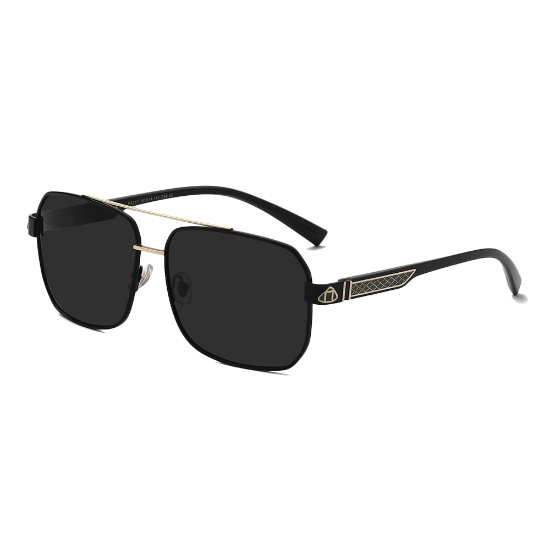
Which Lens Colors Are Commonly Used With Polarized Sunglasses
Lens color changes the character of a pair of sunglasses even when polarization is included. Grey, brown, green, and softer neutral shades can all be used with polarized designs.
Grey is often associated with a relatively neutral visual appearance, making it suitable for people who prefer surroundings to retain a familiar color balance. Brown can create a warmer view and may pair naturally with brown, beige, or other warm‑colored frames. Green can provide another visual direction without relying on a very dark appearance.
Color should be considered alongside the frame rather than separately. A brown lens with a warm acetate frame can create a connected appearance, while a grey lens with a black or clear frame may create a different visual balance.
Personal preference matters, although practical surroundings should remain part of the decision. Lens color, frame shade, reflected light, and typical outdoor conditions all contribute to how sunglasses perform and look during everyday use.
When Are Tinted Sunglasses More Suitable for Everyday Use
Tinted sunglasses can fit many ordinary outdoor situations where reducing brightness is the main concern. Walking through a neighborhood, commuting, shopping outdoors, or spending time in a park may not involve strong reflected light, so a colored lens can provide a simple change in visual comfort.
Light tinting can keep more of the surrounding scene visible while giving the eyes some relief from bright conditions. A deeper shade creates a darker view and may feel more comfortable under stronger sunlight. Personal sensitivity to brightness varies, so lens depth should be considered according to normal surroundings rather than selected only for its appearance.
Color can influence everyday viewing as well. Grey tends to keep the scene relatively neutral, while brown can add a warmer tone. Blue or green shades can create a different visual mood, making appearance part of the selection process.
For ordinary daily use, frame comfort matters just as much as lens color. Sunglasses that sit securely without creating pressure around the nose or temples are easier to wear during longer periods. Frame shape should match the face and allow the lenses to cover the intended viewing area without feeling awkward.
Where Can Polarized Sunglasses Offer a Different Viewing Experience
Certain outdoor environments contain more reflected brightness than others. Water, roads, windows, painted surfaces, and other smooth areas can send light toward the eyes, especially when sunlight reaches the surface at a particular angle.
Polarized sunglasses can be useful in surroundings where reflected glare becomes distracting. Near a lake or pool, for example, sunlight may bounce from the water and create bright patches that change as the viewer moves. Road surfaces can create a similar effect during outdoor travel, while vehicle windows and building glass may produce sudden reflections.
A polarized lens does not simply make every scene darker. Its main purpose is related to reflected light, so the difference may become clearer in environments where glare is present.
For people who spend time outdoors, surroundings can therefore provide a useful starting point for comparison:
- Near water, reflected sunlight may become a major visual concern.
- On bright roads, surface reflection can affect viewing comfort.
- Around glass buildings, changing reflections may appear unexpectedly.
- In open outdoor spaces, ordinary brightness may matter more than reflected glare.
Polarized Acetate Sunglasses bring another factor into the comparison because the lens function is combined with an acetate frame. Frame color, shape, and overall appearance can be selected alongside the lens shade, allowing practical use and visual style to be considered together.
How Should Lens Color and Frame Color Be Matched
A pair of sunglasses usually contains two visible color areas, so lens and frame selection can influence one another. Matching does not necessarily require identical shades. A small contrast can help separate the frame from the lens, while similar colors can create a more unified appearance.
Dark frames paired with grey or dark brown lenses can produce a restrained look. Light‑colored frames may create more contrast with deeper lenses, drawing attention toward the eyes and upper face. Transparent‑looking frames can provide another direction, especially when the lens carries a noticeable tint.
Wood‑inspired frame patterns can work naturally with brown, amber, or muted green lenses. Grey lenses may provide a quieter contrast when the frame contains warmer colors. A simple black or grey frame gives greater freedom because it can sit alongside many lens shades without creating a strong color conflict.
Face shape and clothing can enter the decision as well, although practical use should remain important. Sunglasses worn frequently may need to work with different outfits and environments, making a flexible color combination easier to manage.
A useful approach is to compare three elements together:
- Lens color and depth
- Frame color and pattern
- Colors already present in regular surroundings
Looking at all three can provide a clearer impression than judging the lens or frame on its own.
What Should Be Checked When Comparing Sunglasses
A careful comparison starts with the environment where sunglasses will normally be worn. Someone spending much of the day around reflective surfaces may have different needs from someone who mainly walks in shaded streets or moves between indoor and outdoor spaces.
Lens function comes next. Tinted lenses mainly influence brightness and color perception, while polarized lenses are intended to reduce certain reflected glare. Knowing that distinction prevents color depth from being treated as a direct measure of glare control.
Frame construction deserves attention as well. Acetate can be shaped into different profiles, allowing frame thickness, color, pattern, and overall form to vary. A frame should sit properly on the face without excessive pressure, while its size should work with the selected lens shape.
Several practical questions can help during comparison:
- Does the usual environment contain strong reflected light?
- Is a neutral or warmer visual tone preferred?
- Will sunglasses be used mainly outdoors or across mixed environments?
- Does the frame sit comfortably around the nose and temples?
- Does the lens and frame combination suit the intended appearance?
- Does the selected color remain comfortable under different lighting?
Checking actual samples can make color comparison easier. Screen images and printed representations may not reproduce the same appearance as a physical lens and frame viewed under natural light.
How Can Buyers Make a Practical Comparison
Choosing between polarized and tinted sunglasses becomes clearer when the decision follows the way the sunglasses will actually be used. Starting with appearance alone can make the comparison less useful because two pairs with similar colors may handle outdoor light differently.
Begin by identifying the common surroundings. Frequent exposure to water, roads, glass, or other reflective surfaces can make glare reduction an important consideration. Ordinary outdoor use may place greater attention on tint, visual comfort, and preferred color.
Next, compare lens shades. Grey can suit people who prefer a relatively neutral view, while brown and related warm shades can create a softer visual impression. A deeper tint may reduce perceived brightness more strongly than a lighter tint, although shade depth does not tell the whole story about lens function.
Frame selection should follow the same practical approach. Polarized Acetate Sunglasses can combine different lens colors with various frame shapes and surface appearances, so color matching does not need to be treated as a separate step from comfort and fit.
A simple comparison process can include:
- Identify the main outdoor environment.
- Consider whether reflected glare is a regular concern.
- Compare tinted and polarized lens functions.
- Select a lens color that feels suitable for normal surroundings.
- Check frame shape, width, and wearing comfort.
- Compare lens and frame colors under realistic lighting.
- Consider how the sunglasses will fit into regular daily use.
Polarized and tinted sunglasses can serve different purposes even when their outward appearance seems similar. Lens color affects brightness and visual tone, while polarization addresses certain reflected light conditions. Acetate frames add another layer through shape, color, and surface appearance.
A practical choice comes from connecting lens function with actual surroundings rather than judging a pair only by how dark or attractive it looks. Once outdoor conditions, lens color, frame structure, and wearing comfort are considered together, the difference between a polarized design and a simple tinted style becomes easier to recognize.

Customized For Your Business
Combining fine craftsmanship with automation technology, we create glasses that are competitive in the market.
Quick Links
Information
Contact Us
-
 No. 7-1, Dengtou Industrial Zone, Duqiao Town, Linhai City, Taizhou City, Zhejiang Province
-
 +86-13666884088
-
 +86-13666884088
-
 +86-573-85505155
-
 [email protected]
Copyright © Zhejiang Zhansheng Glasses Co., Ltd.Rights Reserved.
OEM Eyeglass & Glasses Manufacturer
