
 Español
 русский
 عربى
عربىIndustry News

How Bluelight Glasses Men Help Reduce Eye Strain from Screens
Author: Admin
Date: May 15,2026
Screens are now part of ordinary life. Many men spend the day moving from one device to another without paying much attention to how long their eyes stay focused on bright displays. Work messages appear on phones before breakfast, computers stay open through the afternoon, and videos or games fill the evening hours. After enough time in front of a screen, eye discomfort often becomes difficult to ignore.
The feeling usually starts in small ways. Eyes may feel dry after reading for a long time. Some people notice a heavy feeling around the eyes late in the day. Others experience blurred focus after switching between different devices again and again. These problems are not always serious, but they can make daily routines less comfortable.
Because screen time has become difficult to avoid, many people are looking for simple ways to reduce visual stress during normal activities. One option receiving attention is Bluelight Glasses Men use while working, browsing, reading, or gaming. Instead of changing every digital habit, these glasses are often used as a small adjustment to make long screen sessions feel easier on the eyes.
Interest in screen glasses has grown naturally alongside modern digital routines. More jobs depend on computers, and more free time is spent online. As a result, eye comfort has become part of everyday conversation rather than a topic limited to office workers or technology users.
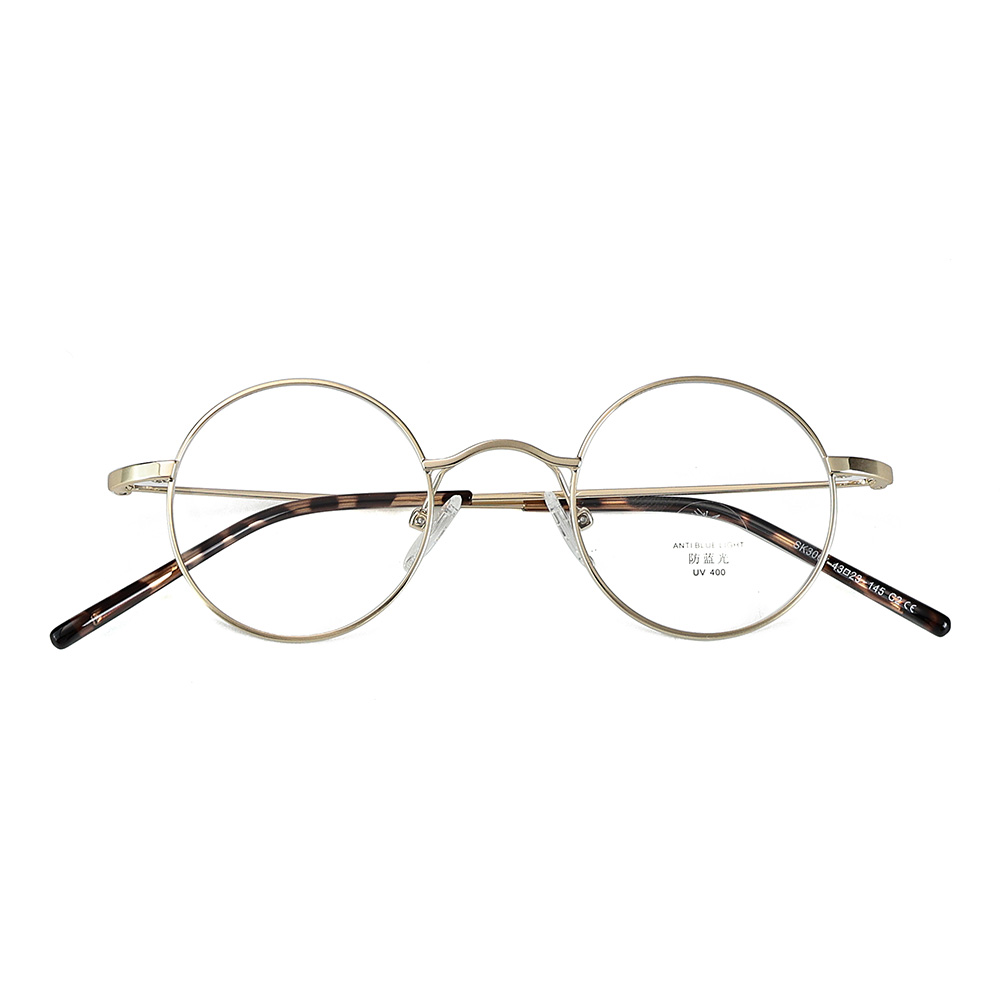
The Connection Between Screens and Eye Fatigue
Reading from a screen is different from reading printed paper. Digital displays produce light directly toward the eyes, and the brightness can change constantly depending on the content on the screen. Small text, moving images, and strong contrast all require the eyes to stay active for long periods.
When people focus closely on a device for too long, blinking often becomes less frequent. This can leave the eyes feeling dry or tired by the end of the day. Bright indoor lighting and reflections on screens may also increase visual discomfort, especially in offices or rooms with multiple displays.
Some habits that may add to eye fatigue include:
- Sitting very close to a monitor
- Using screens in dark rooms
- Looking at devices without breaks
- Moving between phone and computer screens too often
- Keeping brightness levels too high
The effects are not always immediate. In many cases, discomfort builds slowly over time. A person may not notice any problem during the morning but later feel eye pressure or tiredness after several uninterrupted hours of work.
This is one reason why blue light filtering eyewear has become more common in everyday life. Many users simply want a more relaxed viewing experience during long periods of screen use.
What Makes Bluelight Glasses Different
Regular glasses are usually connected with vision support or outdoor protection. Screen glasses are made with digital use in mind. Their lenses are designed to soften reflections and reduce part of the harsh light coming from electronic displays.
Bluelight Glasses Men wear during office work or evening entertainment often include lens coatings that reduce glare from screens and indoor lighting. Some lenses look completely clear, while others have a light tint. The difference is usually related to how the lenses filter certain types of light.
People often choose these glasses because they fit naturally into daily routines. They can be worn while answering emails, attending online meetings, watching videos, or reading on a tablet. The goal is not to change how technology is used, but to make screen time feel less tiring.
Below is a simple comparison of common screen situations and possible comfort benefits linked to screen-focused eyewear.
| Daily Activity | Common Feeling After Long Use | Possible Comfort Support |
|---|---|---|
| Computer work | Tired or dry eyes | Reduced screen glare |
| Phone browsing | Eye fatigue at night | Softer viewing experience |
| Gaming | Heavy visual focus | More relaxed screen viewing |
| Online meetings | Difficulty focusing for long periods | Reduced reflection from bright displays |
| Reading on tablets | Eye discomfort after extended reading | Easier long-term viewing |
Many modern frame styles are also designed for everyday wear. Lightweight materials and simple designs make them suitable for both work and casual use.
Why Men Often Spend Long Hours Looking at Screens
The amount of close-range viewing has increased quietly over time. Even short breaks during the day are often spent checking another device rather than resting the eyes.
Several common habits contribute to long screen exposure:
- Office work with multiple monitors
- Remote meetings from home
- Watching online content after work
- Gaming during free time
- Frequent mobile phone use while traveling
For many people, reducing screen use completely is unrealistic. Devices are tied to communication, work, and entertainment. Because of this, attention has shifted toward improving comfort during screen use instead of avoiding screens entirely.
Bluelight Glasses Men choose for daily wear are often part of these small lifestyle adjustments. Some people keep them at a work desk, while others wear them mainly during evening screen use.
Ways Bluelight Glasses Men May Help Reduce Eye Strain
Long hours in front of bright displays can make the eyes feel overworked. Many people describe a burning sensation, difficulty focusing, or tired eyes after spending too much time on computers or phones. Blue light filtering eyewear is often used to help reduce part of this discomfort.
One reason people wear these glasses is glare reduction. Bright reflections from screens and overhead lighting can force the eyes to work harder while reading or focusing on details. Lenses designed for digital viewing may soften some of these reflections, creating a more comfortable experience during long tasks.
Another reason is visual comfort during evening screen use. Looking at bright displays in dim rooms can sometimes feel harsh after several hours. Some users feel that screen glasses make nighttime viewing less uncomfortable.
People commonly wear these glasses during activities such as:
- Writing reports
- Watching videos indoors
- Joining virtual meetings
- Playing games for long periods
- Reading articles on digital devices
- Browsing on phones before bed
Results vary depending on personal habits and screen conditions. Glasses alone cannot remove every source of eye strain, but they may help support a more comfortable daily routine when combined with healthier screen habits.
Additional Benefits Beyond Eye Comfort
Blue light filtering eyewear is also connected to convenience and everyday practicality. Many modern frames are designed with a simple appearance that fits naturally into office settings, travel routines, or casual daily wear.
Indoor environments may also affect visual comfort. Bright office lighting, reflective desks, and multiple screens can create a tiring atmosphere for the eyes. Lens coatings designed to reduce reflections may help soften some of this visual pressure.
As screen use continues to grow in everyday life, more people are paying attention to small changes that improve comfort during work and leisure activities. Screen-friendly eyewear has gradually become part of that conversation in a simple and practical way.
Choosing Frames for Daily Wear
People who wear screen glasses for long periods usually care more about comfort than decoration. A frame may look fine for a short time, but after several hours at a desk, small details become easier to notice. If the frame feels too tight near the ears or leaves pressure marks on the nose, it quickly becomes annoying during work.
Because of this, many men lean toward lighter frames with a simple structure. Thin designs are common in office settings because they feel less distracting during meetings or computer tasks. Others prefer slightly larger frames since they cover more of the viewing area while looking at wide monitors.
Daily habits often affect the choice. Someone working indoors all day may want glasses that feel soft and light, while a person moving between home, work, and travel may pay more attention to durability.
A few things people usually check before choosing a pair include:
- Whether the frame feels balanced on the face
- If the nose support stays comfortable after long wear
- How the glasses feel during movement
- Whether the frame slides easily while looking down
- If the design fits both work and casual situations
Lens Features Worth Attention
Lenses can look similar, but small differences often change the wearing experience. Some people like lenses that appear fully clear because they blend naturally into daily use. Others prefer a softer tint, especially when spending long evenings in front of bright screens.
Office workers often choose clear lenses because they feel more neutral during conversations or video meetings. A slight tint may feel more comfortable for people who stay around strong lighting or gaming screens for several hours at a time.
Reflections are another thing many users notice once they start paying attention to eye comfort. Bright light bouncing from a monitor or overhead lamp can become tiring after a long day. Lenses designed to reduce reflections may help the screen appear less sharp on the eyes during continuous use.
| Lens Option | Why Some People Choose It |
|---|---|
| Clear lenses | Natural appearance during daily work |
| Light tint | Softer feeling during long evening screen use |
| Anti-reflective surface | Helps reduce glare from indoor lighting |
| Scratch-resistant coating | Useful for regular everyday handling |
| Lightweight material | More comfortable during extended wear |
Building Better Screen Habits
Glasses may help with comfort, but everyday habits still matter. Many people spend hours staring at a screen without realizing how little rest their eyes actually get during the day.
One common mistake is staying focused on close objects for too long. After several hours of reading emails, editing documents, or scrolling through a phone, the eyes can start to feel heavy. Even short pauses can help break that constant focus.
Lighting inside the room also changes how screens feel. Very bright overhead lights or strong reflections from windows sometimes make monitors harder to look at comfortably. Softer lighting usually feels calmer during long work sessions.
Screen position can make a difference too. Sitting too close often increases discomfort after a while, especially during detailed tasks that require concentration.
Some habits people try to follow include:
- Looking away from the screen from time to time
- Adjusting brightness instead of keeping it too high
- Keeping screens at a more natural distance
- Taking small breaks during long work periods
- Spending less time on devices before sleep
- Going outdoors more often when possible
None of these changes are difficult on their own, but together they may help reduce the tired feeling many people notice after heavy screen use.
Common Misunderstandings About Screen Glasses
There are many opinions about blue light glasses, and not all of them match everyday experience. Some people expect the glasses to completely remove eye discomfort right away. Others think they are unnecessary. The reality is usually somewhere in between.
Eye strain often comes from several things happening together. Long focus periods, bright lighting, dry indoor air, and too much uninterrupted screen time can all affect how the eyes feel. Glasses may help with part of that discomfort, but they are not the only factor.
Another misunderstanding is that darker lenses automatically mean stronger support. Some users actually prefer lighter filtering because it feels more natural during reading or office work. Comfort depends a lot on personal preference and daily habits.
People also respond differently to screen exposure. Someone who works on a computer from morning until evening may notice different results compared with someone who mainly watches videos at night. This is why no single type of lens feels the same for everyone.
If discomfort continues regularly, paying attention to general eye care still matters. Screen glasses are often used as part of a broader effort to make daily screen use feel easier rather than as a complete solution on their own.
Everyday Lifestyle Changes Around Screen Use
Digital devices are now tied to almost every part of daily life. Work tasks, conversations, shopping, entertainment, and reading often happen through screens for many hours each day. Because of this, people have become more aware of how screen exposure affects comfort over time.
Small lifestyle changes have followed naturally. Many people now pay closer attention to desk lighting, monitor placement, seating position, and indoor work environments. Screen glasses have gradually become part of these routines because they fit easily into daily life.
Style preferences have changed too. Large decorative frames are less important for many users than something simple and comfortable. A lightweight pair that works during both office hours and evening use is often enough.
The interest in screen-friendly eyewear is connected more to practical use than short-term trends. As digital routines continue growing, people will likely keep looking for small ways to make long hours in front of screens feel less tiring and easier to manage day after day.

Customized For Your Business
Combining fine craftsmanship with automation technology, we create glasses that are competitive in the market.
Quick Links
Information
Contact Us
-
 No. 7-1, Dengtou Industrial Zone, Duqiao Town, Linhai City, Taizhou City, Zhejiang Province
-
 +86-13666884088
-
 +86-13666884088
-
 +86-573-85505155
-
 [email protected]
Copyright © Zhejiang Zhansheng Glasses Co., Ltd.Rights Reserved.
OEM Eyeglass & Glasses Manufacturer
