
 Español
 русский
 عربى
عربى
The Secret World of Making Glasses That Fight Screen Fatigue
Why are these glasses suddenly everywhere
Coffee shops, offices, and college libraries now fill with people wearing clear or lightly tinted glasses while staring at laptops. A blue-light-blocking glasses manufacturer explains the reason behind this trend. These specialized lenses filter specific wavelengths emitted by digital screens, the same wavelengths researchers link to disrupted sleep and tired eyes. The industry barely existed a decade ago. Today, millions reach for these glasses before evening screen sessions, hoping for better rest and reduced discomfort after long days online.
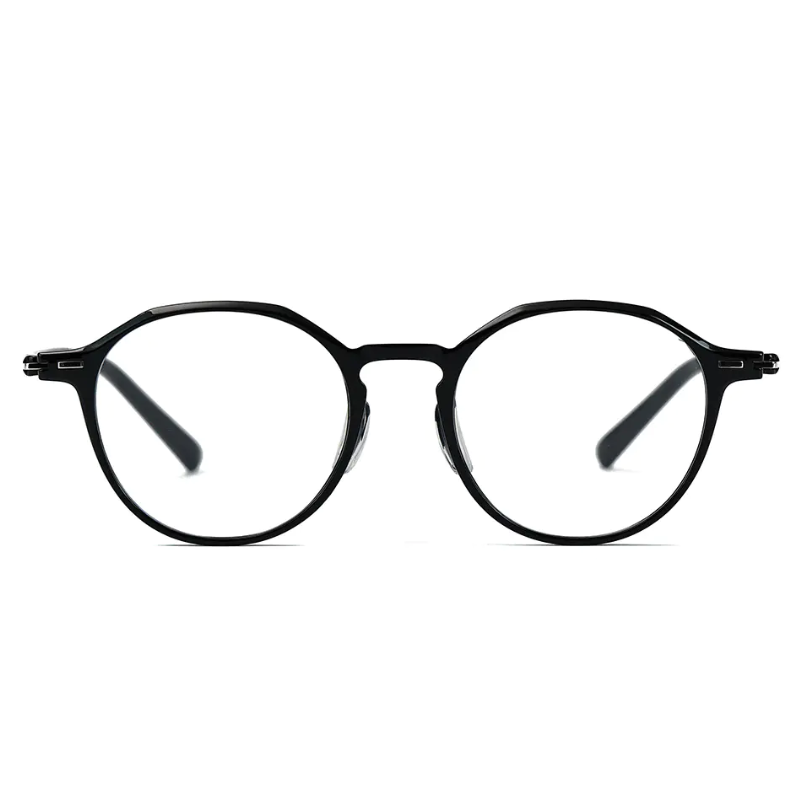
The Chemistry Behind Yellow-Tinted Lenses
Walk through production areas and observe the chemistry transforming ordinary plastic into functional filters. Some lenses receive dyes absorbing specific blue wavelengths while allowing others through. The resulting slight yellow tint indicates active filtering at work. A skilled blue-light-blocking glasses manufacturer formulates dye concentrations achieving precise filtering targets without distorting color perception excessively. Operators mix batches according to exact recipes, testing samples before committing full production runs that might waste expensive materials.
Vacuum Coating Chambers at Work
Massive machines resembling industrial dryers line certain factory sections. Inside these vacuum chambers, lenses rotate on racks while vaporized metals and oxides deposit in molecular layers. This physical vapor deposition creates interference filters reflecting specific wavelengths rather than absorbing them. The process requires absolute cleanliness, as dust particles cause coating defects. Workers at any reputable blue-light-blocking glasses manufacturer wear protective garments preventing skin flakes or clothing fibers from contaminating chambers during loading.
Measuring What Eyes Cannot See
Blue light blocking presents measurement challenges because effectiveness remains invisible to users. Specialized spectrophotometers solve this by projecting light through lenses and measuring exactly which wavelengths pass through. Technicians compare results against strict specifications, verifying blocking percentages across relevant spectrum ranges. A quality-focused blue-light-blocking glasses manufacturer maintains calibration standards ensuring measurements remain accurate over time, protecting customers from products making unverified claims.
Lens Material Options Available
Customers choose among various lens materials offering different properties. Polycarbonate provides impact resistance suitable for active users and children. High-index plastics deliver thinner profiles for stronger prescriptions. Trivex offers optical clarity with durability. Each material accepts blue-blocking treatments differently, requiring process adjustments. A versatile blue-light-blocking glasses manufacturer handles multiple substrate types, matching production methods to specific material characteristics.
Frame Design for Extended Wear
Since users wear these glasses for hours daily, frame comfort becomes essential production considerations. Lightweight materials reduce pressure on noses and ears. Adjustable components accommodate different face shapes. Spring hinges prevent loosening over time. A thoughtful blue-light-blocking glasses manufacturer recognizes that optical performance means little if discomfort prevents regular use, so frame engineering receives serious attention alongside lens technology.
Prescription Integration Methods
For vision correction users, blue-blocking features must combine with prescription requirements. Some facilities surface block lenses to individual prescriptions, then apply filtering coatings afterward. Others maintain inventory of semi-finished blanks with integrated filtering, grinding only back curves for each order. This flexibility allows a full-service blue-light-blocking glasses manufacturer to serve customers across vision needs efficiently without excessive inventory costs.
Packaging That Educates Consumers
Finished products move to packaging stations where boxes receive informative inserts explaining proper use. Some manufacturers include simple test cards allowing users to verify filtering through visual comparison. Care instructions emphasize cleaning methods preserving delicate coatings. This educational approach helps a thoughtful blue-light-blocking glasses manufacturer differentiate products in crowded markets where competing claims confuse potential buyers.

Combining fine craftsmanship with automation technology, we create glasses that are competitive in the market.
-
 No. 7-1, Dengtou Industrial Zone, Duqiao Town, Linhai City, Taizhou City, Zhejiang Province
-
 +86-13666884088
-
 +86-13666884088
-
 +86-573-85505155
-
 [email protected]
Copyright © Zhejiang Zhansheng Glasses Co., Ltd.Rights Reserved.
OEM Eyeglass & Glasses Manufacturer
