
 Español
 русский
 عربى
عربىIndustry News

Why Bluelight Glasses Men Matter for Evening Screen Time
Author: Admin
Date: Jun 05,2026
Evening screen use has become part of many daily routines, where visual attention shifts from natural surroundings to artificial light sources coming from phones, monitors, and other digital displays. As daylight fades, the contrast between screen brightness and surrounding dimness becomes more noticeable, and the eyes continue working in a steady focus state that often lasts longer than expected. Within this pattern, Bluelight Glasses Men appear in discussions around visual comfort during extended screen exposure, especially in later hours when visual fatigue tends to feel more noticeable.
The role of eyewear in such environments is not limited to appearance or style. It connects closely with how visual systems respond to continuous light input and how focus is maintained during repeated tasks such as reading, browsing, watching, or working on screens. Instead of changing screen behavior directly, the presence of filtering lenses changes how light reaches the eyes, which becomes part of a broader adjustment in daily visual habits.
What role does evening screen exposure play in daily visual load
Screen interaction during evening hours often follows a different rhythm compared to daytime usage. During the day, visual activity is usually mixed with movement, natural light variation, and environmental changes. Once evening arrives, screen viewing becomes more stationary, and attention often concentrates on a single source of light for longer periods.
This shift creates a specific type of visual load where the eyes remain focused at a fixed distance, and surrounding light levels become lower. The difference between bright screens and darker environments becomes more pronounced, which can influence how comfortable prolonged viewing feels over time.
In many daily routines, screen usage during evening hours includes:
- reading long text on digital devices
- watching visual content for extended periods
- handling work-related tasks after daytime hours
- scrolling through information without frequent breaks
- switching between multiple screens in low-light settings
Within this environment, Bluelight Glasses Men are often mentioned as part of visual adjustment habits that align with prolonged screen exposure patterns rather than sudden or short-term use situations.
How blue light interacts with visual perception during screen use
Digital screens emit light as part of their normal function, and among the range of light wavelengths, short-wavelength components are often discussed in relation to visual perception during extended exposure. In practical terms, the eye continuously receives light signals while focusing on screen content, and this interaction remains consistent during reading, viewing, or interactive tasks.
During evening hours, surrounding light becomes softer, which increases the contrast between the screen and the environment. This contrast can influence how visual focus is maintained over time, since the eyes adjust repeatedly to a relatively stable bright source while background lighting remains low.
| Lighting Condition | Visual Environment | Perception Behavior |
|---|---|---|
| Daytime mixed light | Natural + artificial | Balanced adaptation |
| Evening indoor light | Low ambient light | Higher screen contrast |
| Dark surroundings | Single light source focus | Continuous visual fixation |
Lens-based filtering approaches are often discussed in relation to modifying how light enters the eye, especially in environments where screen exposure remains continuous and lighting contrast becomes more noticeable.
Why Bluelight Glasses Men are discussed in evening routines
Evening routines often include repeated screen engagement after daytime responsibilities are completed. During this period, visual tasks shift from active movement to more stationary focus, where attention remains directed at screens for longer durations without frequent changes in viewing distance.
Bluelight Glasses Men are commonly associated with this type of routine because visual comfort becomes more noticeable during prolonged stillness. Instead of frequent shifts between different environments, evening screen time often takes place in a single lighting condition, which keeps the eyes in a consistent focus mode.
Common evening patterns include:
- extended browsing or reading sessions
- streaming or watching content in dim environments
- finishing work tasks on digital devices
- using mobile screens in resting positions
- alternating between multiple screens in a quiet setting
In such conditions, eyewear with filtering characteristics becomes part of a broader approach to managing visual experience during repeated exposure rather than occasional use.
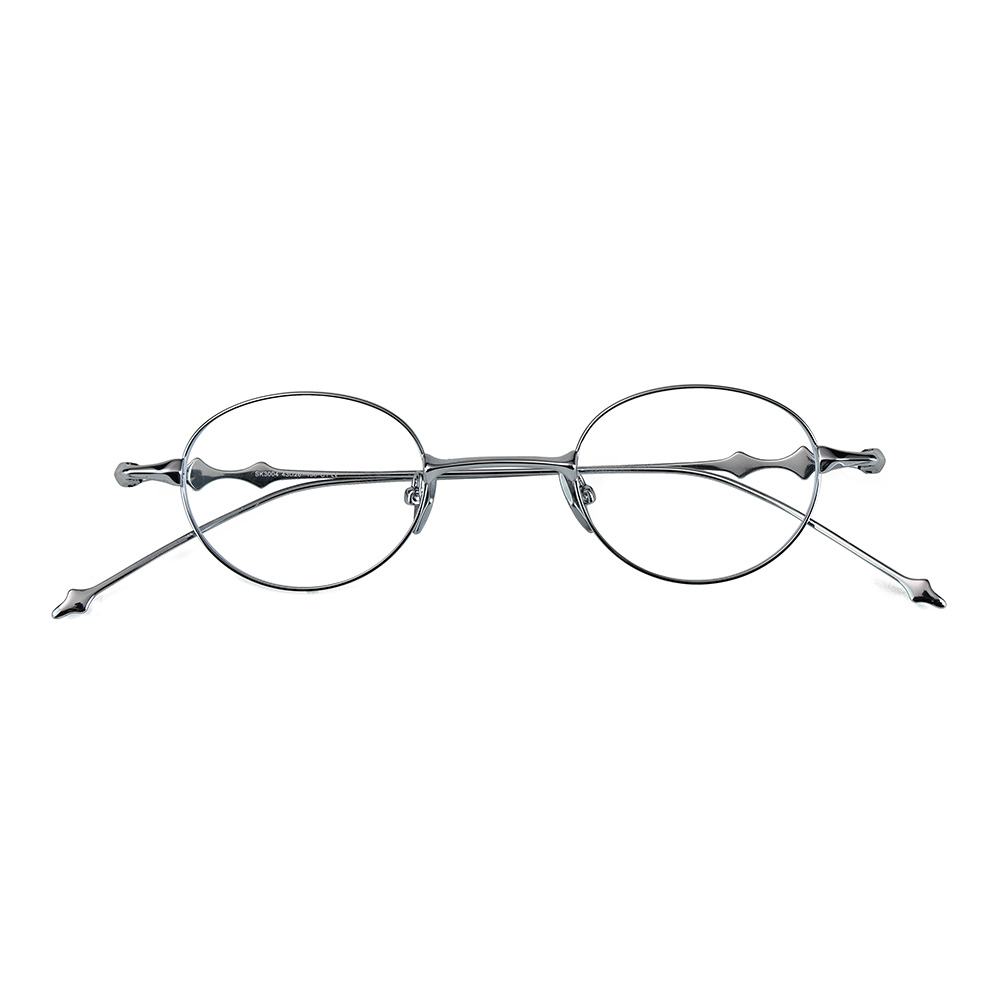
How visual strain develops during prolonged screen interaction
Visual strain during screen use does not appear suddenly. It tends to build gradually through continuous focusing, reduced blinking, and sustained attention at a fixed distance. When screen time extends into evening hours, environmental lighting differences can further influence how noticeable this feeling becomes.
During concentrated screen activity, blinking frequency often decreases without conscious awareness, and eyes remain fixed on detailed content for longer periods. Over time, this sustained focus can affect how comfortable visual tracking feels, especially when screen brightness remains stable while surroundings remain dim.
Key contributing patterns include:
- fixed-distance focusing for long durations
- reduced eye movement during concentration
- repeated exposure to bright screen surfaces
- contrast between screen and surrounding environment
- continuous attention without frequent breaks
Bluelight Glasses Men are often mentioned within this context as part of visual habits that align with extended screen interaction rather than replacing behavioral adjustments such as breaks or lighting changes.
How filtering lens concepts relate to screen environments
Lens filtering concepts are based on modifying how incoming light interacts with optical surfaces before reaching the eye. In screen-based environments, this interaction becomes relevant because viewing conditions remain relatively constant, and light sources do not change frequently during use.
Filtering approaches generally aim to adjust perceived light characteristics by influencing how certain wavelengths pass through lens material. In practical use, this becomes part of a broader visual environment that includes screen brightness, ambient lighting, and viewing distance.
A simple breakdown of lens interaction:
- incoming light from screen reaches lens surface
- lens structure modifies part of light transmission
- adjusted light enters visual field
- perception of screen content continues under modified conditions
Bluelight Glasses Men are often positioned within this general concept of optical filtering during extended screen exposure, particularly in environments where evening lighting creates stronger contrast between screen and surroundings.
How Bluelight Glasses Men fit into workplace and home environments
Screen-based activity is no longer limited to a single environment. Workspaces, home setups, and mobile usage all contribute to daily screen exposure patterns, and evening hours often combine multiple types of digital interaction within a short time frame.
In workplace settings, screen tasks may continue beyond daytime hours, especially when project work or communication extends into later periods. At home, screen use often shifts toward entertainment, communication, or personal tasks, where lighting conditions are usually lower and more relaxed.
Common environments include:
- office-based screen work during extended hours
- home setups with dim lighting conditions
- mobile device use during rest periods
- mixed-use spaces with changing light levels
- transitions between work and leisure screens
Bluelight Glasses Men are often considered in relation to these combined environments, where visual conditions change gradually rather than abruptly, and screen exposure remains a consistent part of daily routine.
Which visual habits shape comfort during screen time
Evening screen use rarely follows a fixed pattern, since attention often shifts between reading, watching, and scrolling in a way that feels continuous rather than separated. Small habits build up during these hours, and those habits quietly decide how the eyes feel after long exposure.
A steady gaze on one screen for a long period keeps the focus locked at one distance, while switching between devices introduces short refocusing moments. In dim surroundings, that constant focus becomes more noticeable, especially when movement around the room stays limited.
Common patterns seen in evening screen routines include:
- long scrolling without pause
- sitting in one position for extended viewing
- switching screens with little rest time
- reading small text in low light
- watching content without changing lighting
Bluelight Glasses Men are often mentioned in this type of routine because the pattern repeats daily, and even small visual changes become noticeable over longer sessions.
How eyewear design affects daily wearing comfort
Comfort during screen time is not only about lenses. Frame shape, weight balance, and how the glasses sit on the face all influence whether they feel natural during long use. Evening screen sessions often last longer than expected, so small discomfort becomes more noticeable over time.
Light frames tend to reduce pressure around the nose and ears, especially during long sitting periods. A balanced structure helps keep the glasses stable during head movement, while clear lenses allow screen content to stay consistent across different devices.
Design elements that matter in daily use include:
- steady fit during long sessions
- light pressure on contact points
- stable positioning during movement
- clear visual field across screens
- simple adaptation to daily routines
Bluelight Glasses Men are often discussed in this practical sense, where comfort during repeated use matters more than short viewing moments.
Why evening conditions change visual behavior
As daylight fades, indoor lighting becomes the main source of brightness, and screens start to stand out more clearly against the background. That contrast changes how the eyes adjust, especially when screen use continues without long breaks.
In darker surroundings, the eyes rely more heavily on the screen itself, since surrounding objects become less visible. This steady focus can make long viewing sessions feel more intense compared to daytime use, even when the activity stays the same.
Several factors shape this shift:
- reduced natural light in the environment
- stronger contrast between screen and room
- fewer visual changes around the user
- continuous screen exposure from daily tasks
- slower visual adjustment in low light
Bluelight Glasses Men are often included in discussions around these evening conditions, where screen exposure and lighting environment work together.
How screen-based routines influence daily visual habits
Screen use is no longer limited to specific tasks. Work, communication, and entertainment often blend into one continuous flow, especially in the evening. This creates a visual routine that stays active even when physical activity slows down.
Many daily patterns now involve multiple screens across different moments, with short breaks replaced by quick transitions between tasks. Over time, this creates a stable rhythm of visual focus that repeats each day.
Typical screen-based habits include:
- frequent device switching
- extended indoor viewing time
- combining work and leisure use
- limited outdoor visual variation
- constant digital communication
Bluelight Glasses Men are often placed within this context as part of routine screen behavior rather than a separate or occasional tool.
What influences eyewear choice for screen use
Choosing eyewear for screen time often comes down to practical comfort during long periods of use. Since evening viewing can last for extended sessions, how the glasses feel over time becomes an important factor.
Frame stability affects how often adjustments are needed, while lens clarity influences how consistent the screen appears during switching between devices. Lighting changes across different rooms or environments also affect how comfortable the viewing experience feels.
Key considerations include:
- comfort during long wear
- stable fit during movement
- clear vision across screens
- adaptation to lighting changes
- suitability for repeated daily use
Bluelight Glasses Men are usually considered within these everyday conditions, where consistent use matters more than occasional wear.
How changing screen habits continue shaping visual routines
Daily life has become more connected to screens, and evening time often brings together different types of digital activity into a single stretch of viewing. Instead of short sessions, screen exposure now tends to extend across multiple tasks without clear separation.
As this pattern continues, visual routines slowly adapt. Attention stays focused for longer periods, and breaks between tasks become shorter. Even small changes in viewing behavior can influence how comfortable long sessions feel.
Common ongoing patterns include:
- longer continuous screen sessions
- reduced movement between tasks
- mixed work and entertainment use
- increased indoor screen dependence
- steady digital communication habits
Bluelight Glasses Men fit into this environment as part of everyday screen habits, especially during evening hours where lighting and focus conditions remain steady for longer periods.

Customized For Your Business
Combining fine craftsmanship with automation technology, we create glasses that are competitive in the market.
Quick Links
Information
Contact Us
-
 No. 7-1, Dengtou Industrial Zone, Duqiao Town, Linhai City, Taizhou City, Zhejiang Province
-
 +86-13666884088
-
 +86-13666884088
-
 +86-573-85505155
-
 [email protected]
Copyright © Zhejiang Zhansheng Glasses Co., Ltd.Rights Reserved.
OEM Eyeglass & Glasses Manufacturer
