
 Español
 русский
 عربى
Industry News

How Do Brown, Gray, and Green Sunglass Lenses Differ in Everyday Use
Author: Admin
Date: Nov 27,2026
When shopping for Colored Sunglasses Women, most people start with frame shape. Lens shade deserves just as much attention. Brown, gray, and green lenses can look alike from a distance. Outdoors, though, each gives a different impression. Some make the scene look warmer. Others keep colors closer to what you normally see.
Think about a typical day. You might wear your sunglasses on the morning commute, keep them on during a walk through town, and put them on again for an afternoon outing. Light changes along the way, so a lens has to work in more than one setting.
All three colors are common in women's eyewear, and the choice is not only about taste. It helps to know how each tint looks, how it behaves, and where it fits best.
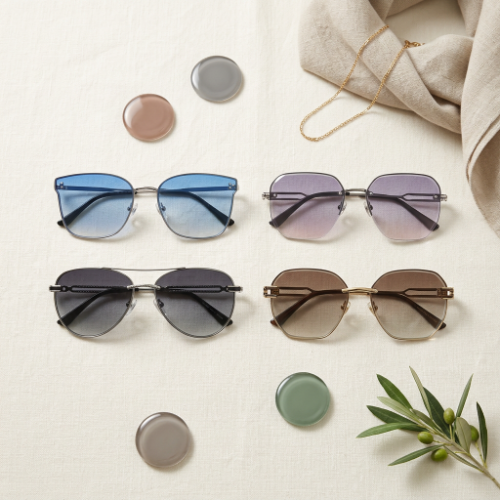
1. Does Lens Color Affect Everyday Viewing?
Lens color is often treated as a style detail. It also changes how visible light reaches your eyes and how colors look to you.
A brown lens usually gives a scene a warmer tone. A gray lens generally aims to keep colors neutral. A green lens offers a different look again, depending on how it is made.
When you compare tints, three things are worth checking:
- Color perception: The lens may make surroundings look warmer, cooler, or more natural.
- Contrast: Some tints make it easier to tell objects from their background in certain light.
- Light transmission: The amount of visible light passing through affects how bright the scene feels.
None of these is the same as UV protection. A darker lens does not mean better UV protection. Check the product specifications instead of judging by appearance.
2. Brown Lenses: A Warm, Familiar Choice
Brown lenses have a warm, easygoing look. They suit classic frames and go well with beige, brown, cream, and other neutral clothing.
They also have a practical side. In some lighting, brown tints can increase perceived contrast, which is why they often appear in outdoor eyewear.
How Do Brown Lenses Change What You See?
Through a brown lens, the surroundings tend to look a little warmer, more amber or earthy than through a neutral tint.
Many wearers like this on outdoor walks, casual trips, and daytime activities. Under the right conditions, brown tints may also make the difference between an object and its background easier to notice.
Not every brown lens performs the same way. Tint depth, lens material, and optical design all shape the result.
Which Frames Pair Well With Brown?
Brown is easy to match. Tortoiseshell is a familiar pairing, while transparent brown and gold-tone frames feel softer.
For daily outfits, brown sunglasses can go with:
- Beige, cream, and camel clothing
- Denim and casual tops
- Brown leather accessories
- Warm neutral dresses and outerwear
If you like warm colors and a classic look, brown is worth a try. Still, base the final decision on the product's optical features and how you plan to use it.
3. Gray Lenses: Why a Neutral Tint Appeals to Many
Gray lenses take a different approach. They generally reduce brightness without adding a clear warm cast, so colors stay fairly natural.
That suits people who don't want the view to change much when they put sunglasses on. It is also why gray shows up so often in everyday designs.
Do Gray Lenses Keep Colors Natural?
Gray tints usually give a more neutral color impression than strongly colored lenses. Buildings, cars, clothing, and natural scenery tend to stay closer to their original colors.
Picture an afternoon in the city. You pass shops, streets, and open squares, and you see many colors and surfaces. A neutral tint can appeal if you'd rather not have a strong color shift in that scene.
The actual result depends on lens construction and tint density, so product specifications still matter.
When Do Gray Sunglasses Make Sense?
Gray lenses fit many daily situations:
- Walking and shopping in town
- Casual outdoor gatherings
- Commuting, depending on driving suitability
- Travel and general daytime activities
- Outfits in black, white, navy, or gray
Gray also has an understated look. Black frames are a familiar match, while silver metal and transparent frames feel lighter.
If you want sunglasses that go with many outfits, gray is a good shade to look at. A neutral tint does not make a pair suitable for driving, though. Check the lens category and the manufacturer's guidance.
4. Green Lenses: A Different Kind of Tint
Green lenses sit between the familiar brown and gray options. They are easy to recognize without looking overly bright or decorative.
Depending on the formulation, a green tint can give a balanced look while affecting color perception and contrast. Performance varies by product, so the color name alone says little.
How Does a Green Tint Affect Your View?
Green looks different from brown. It does not usually create the same warm appearance, and its effect on colors depends on the specific tint.
Some wearers choose green because it adds a little character without moving into a highly saturated fashion color. It suits people who want something distinctive that is still easy to wear.
Which Frame Colors Work With Green?
Green pairs with several frame styles:
- Black frames: Simple, and they keep attention on the lens color.
- Brown frames: Two natural-looking tones together.
- Gold-tone frames: A classic, fashion-minded direction.
- Transparent frames: Lighter and more casual.
Green also works with denim, neutral clothing, and earth-tone outfits. If you already own brown or gray pairs, green adds variety without changing your style much.
5. Brown vs. Gray vs. Green at a Glance
Real optical performance depends on lens construction, tint density, and other product features.
| Comparison | Brown Lenses | Gray Lenses | Green Lenses |
|---|---|---|---|
| Visual impression | Warm and earthy | Neutral and understated | Distinctive and balanced |
| Color perception | May look warmer | Generally natural-looking | Depends on the tint |
| Contrast perception | May raise perceived contrast in some conditions | Fairly neutral | Varies by formulation |
| Fashion direction | Classic and casual | Minimal and versatile | Relaxed and distinctive |
| Common frames | Tortoiseshell, brown, gold | Black, silver, transparent | Black, brown, gold |
| Style preference | Warm color palettes | Simple daily styling | A different lens look |
In short, brown leans warm, gray stays neutral, and green sits in between with its own character.
Which One Should You Pick?
Don't choose a lens just because it is common in collections. Start with what you like and how you'll use the pair.
- Brown may suit you if you enjoy warm tones and classic styling.
- Gray is worth considering if you prefer relatively neutral colors.
- Green is another option if you want a distinctive tint without a highly saturated shade.
Try different frame and lens combinations too. The same tint can look quite different in metal, acetate, or transparent frames.
6. Does Weather Change the Right Lens?
Outdoor light is rarely constant. Strong sun, overcast skies, and shaded streets all create different conditions. So choose a lens based on how you'll use it, not on color alone.
Bright, Sunny Days
In strong sun, visible light transmission matters. Brown, gray, and green lenses come in different tint densities, so two lenses of different colors can transmit similar amounts of light.
Check the lens category and stated specifications. Darkness is not a reliable guide to UV protection or light transmission.
Cloudy Days
Clouds do not remove all UV exposure. The scene may look dimmer, though, and a very dark lens can feel uncomfortable.
If you often move between sun and shade, pay attention to how much light the lens lets through.
Traveling
A travel day can include several settings: outdoors in the morning, shaded streets in the afternoon, indoor stops later.
In that case, frame comfort, lens clarity, and light transmission matter as much as tint color. If you plan to wear your sunglasses all day, consider whether they suit the places you visit most.
7. What to Check Before Buying
A pair can look great in a photo and still disappoint. Lens specifications, frame construction, and comfort all count.
UV Protection
Treat UV protection separately from lens color. Brown, gray, and green tints do not by themselves indicate any level of UVA or UVB protection.
Look for clearly stated protection details and supporting documents where available. This matters most when comparing different lens materials or manufacturing specs.
Lens Category
Sunglass lenses are classified by visible light transmission, and each category suits different lighting.
Check the manufacturer's classification and usage notes. This is especially important for driving or other tasks that need clear visibility.
Is Polarization Necessary?
Polarized lenses reduce certain reflected glare, such as light off water or roads.
That can help in some outdoor activities, but it does not replace UV protection. Polarization and tint color are separate features. Brown, gray, and green lenses can each come polarized or non-polarized.
Frame Comfort
A good-looking pair is no fun if it doesn't fit. Check these points:
- Does the frame sit comfortably on the nose?
- Do the temples press behind the ears?
- Do the sunglasses stay steady as you move?
- Is the view clear, without noticeable distortion?
- Does the shape suit your face and style?
When buying online, product descriptions and fit details help you judge the design before ordering.
8. Fashion or Function?
For many women, sunglasses are part of the outfit and also a tool for the outdoors. A good purchase considers both.
If Style Comes First
If you mainly want sunglasses to match your everyday clothes, frame shape, material, and lens look will guide you.
Brown goes naturally with warm colors, gray suits understated outfits, and green adds a different direction.
Materials matter too. Acetate looks more substantial, metal frames often look lighter, and transparent frames suit people who prefer a quieter design.
If Practical Use Comes First
If you spend a lot of time outdoors, look beyond appearance:
- Check verified UV protection.
- Compare visible light transmission categories.
- Review lens clarity and optical quality.
- Consider whether polarization helps with your activities.
- Make sure the product suits its intended environment.
Fashion and function don't have to compete. A well-made design can cover both, as long as the specifications fit the intended use.
9. Notes for Eyewear Brands and Wholesale Buyers
For manufacturers, wholesalers, and retailers, lens color is a simple way to add variety. Brown, gray, and green create different style directions without needing a new frame for each one.
Expanding a Colored Sunglasses Women Collection With Lens Colors
One frame can be offered with several lens options. Brown appeals to customers who like warm, classic styling. Gray suits a more understated taste. Green gives buyers who want something different an alternative.
This gives retailers more flexibility when planning for different customer groups and seasons. Metal frames, such as those in metal non-polarized sunglasses ranges, are a practical base for this approach, since one frame style can carry several tints.
What Wholesale Buyers Need to Know
Buyers need clear product details, not just visual descriptions. Useful information includes:
- Available frame colors and lens tints
- Lens materials and construction options
- UV protection specifications and supporting information
- Polarized and non-polarized configurations
- Frame materials and customization options
- Packaging, sampling, and production arrangements
Accurate specifications make it easier to compare products, plan orders, and write retail descriptions.
Brown, gray, and green each bring something different to everyday eyewear. Brown gives a warmer impression and can raise perceived contrast in some conditions. Gray suits people who want fairly neutral colors. Green offers a distinctive option for those who like a bit of character.
The choice depends on how you wear sunglasses and what you expect from them. Think about your usual activities, the light you meet, and the frames you feel comfortable in. Then compare real lens specifications instead of relying on color alone.
For brands and wholesale buyers, these three shades also leave room to build collections around different tastes. Pairing lens tint, frame design, and clear product information makes a range easier for customers to understand. For anyone browsing Colored Sunglasses Women styles for daily wear, knowing how brown, gray, and green differ makes the decision easier.

Customized For Your Business
Combining fine craftsmanship with automation technology, we create glasses that are competitive in the market.
Quick Links
Information
Contact Us
-
 No. 7-1, Dengtou Industrial Zone, Duqiao Town, Linhai City, Taizhou City, Zhejiang Province
-
 +86-13666884088
-
 +86-13666884088
-
 +86-573-85505155
-
 [email protected]
Copyright © Zhejiang Zhansheng Glasses Co., Ltd.Rights Reserved.
OEM Eyeglass & Glasses Manufacturer
